

Diyasaru Park
About Diyasaru Park
Description
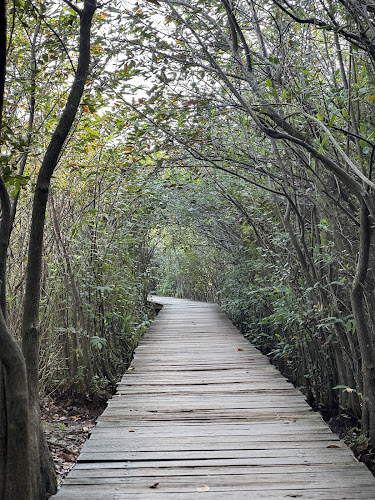
Diyasaru Park is one of those rare gems that quietly surprises you the moment you step foot inside. Spanning about 60 acres, this wetland preserve isn’t your typical manicured garden or city park. Instead, it’s a living, breathing ecosystem where footpaths and wooden boardwalks snake through thick clusters of vibrant vegetation and lively wildlife. If you’re the kind of traveler who craves a bit of nature’s raw charm without trekking miles into the wilderness, this place hits the sweet spot.
Now, I gotta be honest—when I first wandered into Diyasaru Park, I half-expected a dull patch of swampy land with mosquitoes buzzing in my ear. But nope. The park is surprisingly well-maintained and thoughtfully designed to let you experience the wetlands without feeling like you’re trudging through a soggy mess. The boardwalks keep your feet dry and your view unobstructed, so you can soak in the rich greenery and spot birds, dragonflies, and even curious little critters poking around the water’s edge.
What’s really cool about Diyasaru is how it balances being a peaceful retreat with being accessible. There’s a wheelchair-accessible entrance and parking lot, which, honestly, is a huge plus for inclusivity. Plus, families with kids will appreciate the picnic tables and clean public restrooms scattered around, making it easy to spend a whole afternoon here without worrying about basic comforts.
One thing I noticed is that the park draws a steady crowd of nature lovers and casual visitors alike. It’s not overwhelming, but it does have a hum of life that makes you feel like you’re part of something bigger. Whether you’re a birdwatcher, a photographer hunting for that perfect shot, or just someone wanting a quiet spot to reflect, Diyasaru Park delivers. It’s also a surprisingly fun spot for kids—my niece once declared it the best birthday outing she’d had, and she’s notoriously picky about those things.
Key Features
- 60-acre wetland preserve with diverse flora and fauna
- Well-maintained footpaths and wooden boardwalks for easy exploration
- Wheelchair-accessible entrance and parking facilities
- Picnic tables strategically placed for relaxing meals outdoors
- Clean and accessible public restrooms
- Excellent spot for birdwatching and nature photography
- Family-friendly environment, great for kids and birthday celebrations
- Onsite services available for visitor convenience
- Peaceful yet lively atmosphere, perfect for nature enthusiasts and casual visitors
Best Time to Visit
Timing your visit to Diyasaru Park can make all the difference between a meh experience and a memorable one. From what I’ve gathered (and my own visits confirm), the early mornings are the absolute best. You get the cool, fresh air, the birds are chirping their hearts out, and the light is just perfect for photos. Plus, fewer people are around, so it feels like the park is yours for the taking.
Late afternoons are also a decent bet, especially if you want to catch the golden hour glow over the wetlands. Just be mindful that during the hotter months, midday can get a bit sweaty and uncomfortable, especially if you’re not used to tropical climates. Speaking of which, the dry season is your friend here—less chance of rain means you won’t be stuck in mud or dodging sudden downpours.
One quirky thing I noticed is how the park changes with the seasons. During certain times, you’ll see migratory birds making a pit stop, which is a real treat if you’re into birdwatching. And if you’re lucky, you might even spot some rare species that aren’t around year-round. So, if you’re planning a trip with birdwatching on your mind, do a bit of homework on migration patterns to time it just right.
How to Get There
Getting to Diyasaru Park is pretty straightforward, but a little heads-up goes a long way. The park is located within easy reach of the city, so you won’t need to plan a full-day expedition just to get there. If you’re driving, there’s ample parking available, including spots designed for wheelchair users, which is a thoughtful touch not every park offers.
For those not renting a car, public transport options exist but might require a bit of patience and planning. Buses run nearby, but you may have to walk a short distance from the stop to the park entrance. It’s not a bad walk—actually, it’s a nice way to ease into the nature vibe—but if you’re traveling with kids or have mobility issues, consider a taxi or rideshare to save your energy.
One thing I’ve learned the hard way: GPS can sometimes be a little wonky around the park’s entrance, so don’t hesitate to ask locals for directions if you feel a bit lost. People around are generally friendly and happy to point you in the right direction. And hey, getting a little lost can sometimes lead to unexpected discoveries, right?
Tips for Visiting
Alright, so you’re pumped about visiting Diyasaru Park—here are some nuggets of wisdom I picked up from my visits and from chatting with other travelers:
- Wear comfortable shoes. The boardwalks are easy on the feet, but you’ll still be doing a fair bit of walking. Sneakers or sturdy sandals are your best bet.
- Bring insect repellent. Wetlands are home to mosquitoes and other bugs, so a little bug spray goes a long way in keeping you comfortable.
- Don’t forget your camera or binoculars. Whether you’re snapping photos or watching birds, these tools will enhance your experience.
- Pack a picnic. The park has plenty of picnic tables, so why not bring some snacks or a full meal? Eating outdoors surrounded by nature is oddly satisfying.
- Respect the wildlife. It’s tempting to get close to the animals, but remember they’re wild. Keep a safe distance and avoid feeding them.
- Visit on a weekday if you can. Weekends tend to be busier, which might take away from the peaceful vibe.
- Check the weather forecast. Sudden tropical showers can pop up unexpectedly, so better safe than sorry.
- Bring water. Staying hydrated is key, especially if you’re exploring during warmer parts of the day.
- Plan for at least 2-3 hours. There’s plenty to see, and rushing through defeats the purpose of soaking in the atmosphere.
One last thing—if you’re visiting with kids, be prepared for their endless questions about the critters and plants. It’s a fantastic educational opportunity, but also a chance for you to reconnect with the simpler joys of nature. I remember my nephew being fascinated by the dragonflies and how they darted over the water. Moments like that make the visit worthwhile, beyond just the pretty scenery.
So, if you’re looking to escape the usual tourist traps and dive into a spot that blends accessibility, nature, and a touch of adventure, Diyasaru Park should definitely be on your radar. It’s not just a park; it’s a little slice of wetland wonderland that invites you to slow down, look closer, and maybe even feel a bit more connected to the world around you.
Key Features
- 60-acre wetland preserve with diverse flora and fauna
- Well-maintained footpaths and wooden boardwalks for easy exploration
- Wheelchair-accessible entrance and parking facilities
- Picnic tables strategically placed for relaxing meals outdoors
- Clean and accessible public restrooms
- Excellent spot for birdwatching and nature photography
- Family-friendly environment, great for kids and birthday celebrations
- Onsite services available for visitor convenience
More Details
Updated July 22, 2025
Table of Contents
Description
Diyasaru Park is one of those rare gems that quietly surprises you the moment you step foot inside. Spanning about 60 acres, this wetland preserve isn’t your typical manicured garden or city park. Instead, it’s a living, breathing ecosystem where footpaths and wooden boardwalks snake through thick clusters of vibrant vegetation and lively wildlife. If you’re the kind of traveler who craves a bit of nature’s raw charm without trekking miles into the wilderness, this place hits the sweet spot.
Now, I gotta be honest—when I first wandered into Diyasaru Park, I half-expected a dull patch of swampy land with mosquitoes buzzing in my ear. But nope. The park is surprisingly well-maintained and thoughtfully designed to let you experience the wetlands without feeling like you’re trudging through a soggy mess. The boardwalks keep your feet dry and your view unobstructed, so you can soak in the rich greenery and spot birds, dragonflies, and even curious little critters poking around the water’s edge.
What’s really cool about Diyasaru is how it balances being a peaceful retreat with being accessible. There’s a wheelchair-accessible entrance and parking lot, which, honestly, is a huge plus for inclusivity. Plus, families with kids will appreciate the picnic tables and clean public restrooms scattered around, making it easy to spend a whole afternoon here without worrying about basic comforts.
One thing I noticed is that the park draws a steady crowd of nature lovers and casual visitors alike. It’s not overwhelming, but it does have a hum of life that makes you feel like you’re part of something bigger. Whether you’re a birdwatcher, a photographer hunting for that perfect shot, or just someone wanting a quiet spot to reflect, Diyasaru Park delivers. It’s also a surprisingly fun spot for kids—my niece once declared it the best birthday outing she’d had, and she’s notoriously picky about those things.
Key Features
- 60-acre wetland preserve with diverse flora and fauna
- Well-maintained footpaths and wooden boardwalks for easy exploration
- Wheelchair-accessible entrance and parking facilities
- Picnic tables strategically placed for relaxing meals outdoors
- Clean and accessible public restrooms
- Excellent spot for birdwatching and nature photography
- Family-friendly environment, great for kids and birthday celebrations
- Onsite services available for visitor convenience
- Peaceful yet lively atmosphere, perfect for nature enthusiasts and casual visitors
Best Time to Visit
Timing your visit to Diyasaru Park can make all the difference between a meh experience and a memorable one. From what I’ve gathered (and my own visits confirm), the early mornings are the absolute best. You get the cool, fresh air, the birds are chirping their hearts out, and the light is just perfect for photos. Plus, fewer people are around, so it feels like the park is yours for the taking.
Late afternoons are also a decent bet, especially if you want to catch the golden hour glow over the wetlands. Just be mindful that during the hotter months, midday can get a bit sweaty and uncomfortable, especially if you’re not used to tropical climates. Speaking of which, the dry season is your friend here—less chance of rain means you won’t be stuck in mud or dodging sudden downpours.
One quirky thing I noticed is how the park changes with the seasons. During certain times, you’ll see migratory birds making a pit stop, which is a real treat if you’re into birdwatching. And if you’re lucky, you might even spot some rare species that aren’t around year-round. So, if you’re planning a trip with birdwatching on your mind, do a bit of homework on migration patterns to time it just right.
How to Get There
Getting to Diyasaru Park is pretty straightforward, but a little heads-up goes a long way. The park is located within easy reach of the city, so you won’t need to plan a full-day expedition just to get there. If you’re driving, there’s ample parking available, including spots designed for wheelchair users, which is a thoughtful touch not every park offers.
For those not renting a car, public transport options exist but might require a bit of patience and planning. Buses run nearby, but you may have to walk a short distance from the stop to the park entrance. It’s not a bad walk—actually, it’s a nice way to ease into the nature vibe—but if you’re traveling with kids or have mobility issues, consider a taxi or rideshare to save your energy.
One thing I’ve learned the hard way: GPS can sometimes be a little wonky around the park’s entrance, so don’t hesitate to ask locals for directions if you feel a bit lost. People around are generally friendly and happy to point you in the right direction. And hey, getting a little lost can sometimes lead to unexpected discoveries, right?
Tips for Visiting
Alright, so you’re pumped about visiting Diyasaru Park—here are some nuggets of wisdom I picked up from my visits and from chatting with other travelers:
- Wear comfortable shoes. The boardwalks are easy on the feet, but you’ll still be doing a fair bit of walking. Sneakers or sturdy sandals are your best bet.
- Bring insect repellent. Wetlands are home to mosquitoes and other bugs, so a little bug spray goes a long way in keeping you comfortable.
- Don’t forget your camera or binoculars. Whether you’re snapping photos or watching birds, these tools will enhance your experience.
- Pack a picnic. The park has plenty of picnic tables, so why not bring some snacks or a full meal? Eating outdoors surrounded by nature is oddly satisfying.
- Respect the wildlife. It’s tempting to get close to the animals, but remember they’re wild. Keep a safe distance and avoid feeding them.
- Visit on a weekday if you can. Weekends tend to be busier, which might take away from the peaceful vibe.
- Check the weather forecast. Sudden tropical showers can pop up unexpectedly, so better safe than sorry.
- Bring water. Staying hydrated is key, especially if you’re exploring during warmer parts of the day.
- Plan for at least 2-3 hours. There’s plenty to see, and rushing through defeats the purpose of soaking in the atmosphere.
One last thing—if you’re visiting with kids, be prepared for their endless questions about the critters and plants. It’s a fantastic educational opportunity, but also a chance for you to reconnect with the simpler joys of nature. I remember my nephew being fascinated by the dragonflies and how they darted over the water. Moments like that make the visit worthwhile, beyond just the pretty scenery.
So, if you’re looking to escape the usual tourist traps and dive into a spot that blends accessibility, nature, and a touch of adventure, Diyasaru Park should definitely be on your radar. It’s not just a park; it’s a little slice of wetland wonderland that invites you to slow down, look closer, and maybe even feel a bit more connected to the world around you.
Key Highlights
- 60-acre wetland preserve with diverse flora and fauna
- Well-maintained footpaths and wooden boardwalks for easy exploration
- Wheelchair-accessible entrance and parking facilities
- Picnic tables strategically placed for relaxing meals outdoors
- Clean and accessible public restrooms
- Excellent spot for birdwatching and nature photography
- Family-friendly environment, great for kids and birthday celebrations
- Onsite services available for visitor convenience
Location
Places to Stay Near Diyasaru Park
Find and Book a Tour
Explore More Travel Guides
No reviews found! Be the first to review!
Traveler Reviews for Diyasaru Park
There are no reviews yet. Be the first one to write one.
Have you visited Diyasaru Park? Help other travelers by sharing your review.
You Might Also Like
Beddagana Wetland Park

National Sandalwood Garden

Kotte Rajamaha Vihara
Find Accommodations Nearby
Recommended Tours & Activities
Visitor Reviews
There are no reviews yet. Be the first one to write one.
Share Your Experience
Have you visited Diyasaru Park? Help other travelers by leaving a review.