About Diwa Ng Tarlac

Description

Diwa ng Tarlac is the kind of museum that quietly grows on you. It doesn’t shout or overwhelm. Instead, it invites you to slow down and actually look, read, and feel. Dedicated to the history, culture, and identity of Tarlac province, this renovated museum tells stories that don’t always make it into textbooks. And honestly, that’s what makes it special.

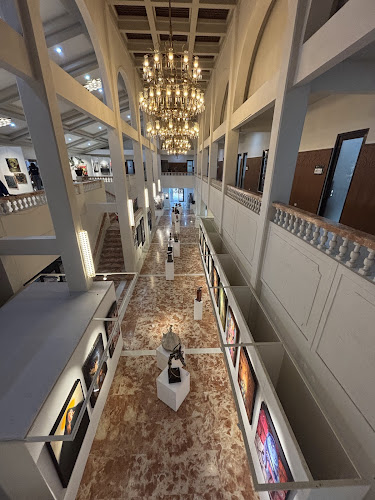
Walking through the halls, you’ll notice how the space balances old and new. The building itself feels refreshed, clean, and thoughtfully arranged, but the heart of the place is deeply rooted in the past. Exhibits cover indigenous communities, revolutionary movements, local heroes, and everyday life in Tarlac across generations. Some displays are straightforward and factual, while others feel personal, like they were curated by someone who genuinely cares. And I like that. It feels less like a stiff government project and more like a community effort that finally got the attention it deserved.

I remember visiting on a hot afternoon, expecting to breeze through in 20 minutes. That didn’t happen. I lingered over old photographs, especially the ones showing early town life and clothing styles. There’s something grounding about seeing how ordinary people lived, worked, and resisted change or embraced it, depending on the times. And yes, a few sections could use more interactive elements, but overall, the storytelling works.

The museum is also surprisingly friendly for families. Kids don’t get bored as quickly as you’d expect, partly because the displays are visually clear and partly because the space isn’t massive or confusing. You won’t get lost. You won’t feel rushed either. It’s accessible, calm, and welcoming, which matters more than people realize when traveling.

For travelers passing through Central Luzon, Diwa ng Tarlac offers context. It answers the why behind the towns, the festivals, the accents, and even the food you’ll encounter outside. And if you ask me, understanding a place makes the rest of your trip richer. It’s not flashy tourism. It’s meaningful tourism.

Key Features

  • Well-curated exhibits focused on Tarlac’s cultural identity, local history, and revolutionary heritage
  • Renovated interiors that feel clean, organized, and easy to explore without sensory overload
  • Displays highlighting indigenous communities and lesser-known historical narratives
  • Wheelchair accessible entrance, parking area, and restrooms, which honestly isn’t always a given
  • Kid-friendly layout that works well for families and school-age children
  • Restroom facilities on-site, making longer visits more comfortable
  • Peaceful atmosphere that encourages slow, thoughtful exploration

Best Time to Visit

The best time to visit Diwa ng Tarlac is during the dry months, roughly from November to May, when travel around the province is easier and more predictable. That said, since this is an indoor museum, weather isn’t a deal-breaker. I’ve visited during a rainy weekday and actually enjoyed the quieter vibe. Fewer people, more space to think.

If you prefer a calmer experience, aim for weekday mornings. School groups tend to arrive later in the day, and weekends can get a bit busy, especially during local holidays or cultural celebrations. But busy here doesn’t mean chaotic. It just means you’ll be sharing the space with more curious minds.

One thing I’d personally recommend is timing your visit around local festivals or commemorative events. Sometimes the museum enhances its displays or hosts small activities tied to these dates. Nothing over-the-top, but enough to give your visit a little extra context. And if you’re like me, those little seasonal details make the memory stick longer.

How to Get There

Getting to Diwa ng Tarlac is fairly straightforward, especially if you’re already exploring Central Luzon. Tarlac City is well-connected by major highways, and public transportation options are plentiful. Buses from Manila and nearby provinces regularly pass through, and from the city center, local transport can take you close to the museum without much hassle.

If you’re driving, the roads leading to the area are generally in good condition. Parking is available, and that alone reduces a lot of travel stress. I’ve had trips where finding parking ruined my mood before I even stepped inside a place. That won’t likely happen here.

For travelers relying on local transport, tricycles and jeepneys are common and affordable. Don’t be shy about asking drivers if they know the museum. Most do, and even if they don’t, someone nearby will. That’s one thing I appreciate about provincial travel in the Philippines. People help, even when directions get a bit hand-wavy.

Tips for Visiting

First tip: give yourself time. This isn’t a place you want to rush. Allocate at least an hour, more if you enjoy reading exhibit texts or reflecting on what you see. Bring a bit of patience, especially if there are groups around. Everyone’s here to learn, just at different speeds.

Second, bring kids, but talk to them beforehand. Let them know this is a place for curiosity and respect. The museum is good for children, yes, but it shines brightest when young visitors engage with the stories instead of treating it like a playground. I once overheard a kid ask their parent why people fought so hard for their land. That alone made my visit worth it.

Third, wear comfortable shoes. It’s not a huge space, but you’ll be standing and walking more than you think. And if you’re anything like me, you’ll circle back to exhibits that caught your attention the first time.

Fourth, don’t expect a restaurant inside. Eat beforehand or plan to grab food after. There are plenty of local options around, and honestly, pairing a museum visit with local cuisine is a great way to connect dots. History makes you hungry. That’s just how it works.

Lastly, keep an open mind. Not every exhibit will blow you away, and that’s okay. Some sections are more text-heavy, others more visual. Take what resonates with you. Museums aren’t about ticking boxes. They’re about moments of recognition, surprise, and sometimes discomfort. And Diwa ng Tarlac offers all three in quiet, thoughtful ways.

For travelers who want more than photos and souvenirs, this museum offers substance. It’s not perfect, but it’s sincere. And sincerity, in travel and in life, goes a long way. If you’re passing through Tarlac and want to understand the place beyond road signs and shopping stops, Diwa ng Tarlac deserves a spot on your itinerary. You’ll leave knowing a little more than when you arrived, and that’s always a good thing.

Key Features

  • Well-curated exhibits focused on Tarlac’s cultural identity, local history, and revolutionary heritage
  • Renovated interiors that feel clean, organized, and easy to explore without sensory overload
  • Displays highlighting indigenous communities and lesser-known historical narratives
  • Wheelchair accessible entrance, parking area, and restrooms, which honestly isn’t always a given
  • Kid-friendly layout that works well for families and school-age children
  • Restroom facilities on-site, making longer visits more comfortable
  • Peaceful atmosphere that encourages slow, thoughtful exploration

More Details

Updated December 31, 2025

Description

Diwa ng Tarlac is the kind of museum that quietly grows on you. It doesn’t shout or overwhelm. Instead, it invites you to slow down and actually look, read, and feel. Dedicated to the history, culture, and identity of Tarlac province, this renovated museum tells stories that don’t always make it into textbooks. And honestly, that’s what makes it special.

Walking through the halls, you’ll notice how the space balances old and new. The building itself feels refreshed, clean, and thoughtfully arranged, but the heart of the place is deeply rooted in the past. Exhibits cover indigenous communities, revolutionary movements, local heroes, and everyday life in Tarlac across generations. Some displays are straightforward and factual, while others feel personal, like they were curated by someone who genuinely cares. And I like that. It feels less like a stiff government project and more like a community effort that finally got the attention it deserved.

I remember visiting on a hot afternoon, expecting to breeze through in 20 minutes. That didn’t happen. I lingered over old photographs, especially the ones showing early town life and clothing styles. There’s something grounding about seeing how ordinary people lived, worked, and resisted change or embraced it, depending on the times. And yes, a few sections could use more interactive elements, but overall, the storytelling works.

The museum is also surprisingly friendly for families. Kids don’t get bored as quickly as you’d expect, partly because the displays are visually clear and partly because the space isn’t massive or confusing. You won’t get lost. You won’t feel rushed either. It’s accessible, calm, and welcoming, which matters more than people realize when traveling.

For travelers passing through Central Luzon, Diwa ng Tarlac offers context. It answers the why behind the towns, the festivals, the accents, and even the food you’ll encounter outside. And if you ask me, understanding a place makes the rest of your trip richer. It’s not flashy tourism. It’s meaningful tourism.

Key Features

  • Well-curated exhibits focused on Tarlac’s cultural identity, local history, and revolutionary heritage
  • Renovated interiors that feel clean, organized, and easy to explore without sensory overload
  • Displays highlighting indigenous communities and lesser-known historical narratives
  • Wheelchair accessible entrance, parking area, and restrooms, which honestly isn’t always a given
  • Kid-friendly layout that works well for families and school-age children
  • Restroom facilities on-site, making longer visits more comfortable
  • Peaceful atmosphere that encourages slow, thoughtful exploration

Best Time to Visit

The best time to visit Diwa ng Tarlac is during the dry months, roughly from November to May, when travel around the province is easier and more predictable. That said, since this is an indoor museum, weather isn’t a deal-breaker. I’ve visited during a rainy weekday and actually enjoyed the quieter vibe. Fewer people, more space to think.

If you prefer a calmer experience, aim for weekday mornings. School groups tend to arrive later in the day, and weekends can get a bit busy, especially during local holidays or cultural celebrations. But busy here doesn’t mean chaotic. It just means you’ll be sharing the space with more curious minds.

One thing I’d personally recommend is timing your visit around local festivals or commemorative events. Sometimes the museum enhances its displays or hosts small activities tied to these dates. Nothing over-the-top, but enough to give your visit a little extra context. And if you’re like me, those little seasonal details make the memory stick longer.

How to Get There

Getting to Diwa ng Tarlac is fairly straightforward, especially if you’re already exploring Central Luzon. Tarlac City is well-connected by major highways, and public transportation options are plentiful. Buses from Manila and nearby provinces regularly pass through, and from the city center, local transport can take you close to the museum without much hassle.

If you’re driving, the roads leading to the area are generally in good condition. Parking is available, and that alone reduces a lot of travel stress. I’ve had trips where finding parking ruined my mood before I even stepped inside a place. That won’t likely happen here.

For travelers relying on local transport, tricycles and jeepneys are common and affordable. Don’t be shy about asking drivers if they know the museum. Most do, and even if they don’t, someone nearby will. That’s one thing I appreciate about provincial travel in the Philippines. People help, even when directions get a bit hand-wavy.

Tips for Visiting

First tip: give yourself time. This isn’t a place you want to rush. Allocate at least an hour, more if you enjoy reading exhibit texts or reflecting on what you see. Bring a bit of patience, especially if there are groups around. Everyone’s here to learn, just at different speeds.

Second, bring kids, but talk to them beforehand. Let them know this is a place for curiosity and respect. The museum is good for children, yes, but it shines brightest when young visitors engage with the stories instead of treating it like a playground. I once overheard a kid ask their parent why people fought so hard for their land. That alone made my visit worth it.

Third, wear comfortable shoes. It’s not a huge space, but you’ll be standing and walking more than you think. And if you’re anything like me, you’ll circle back to exhibits that caught your attention the first time.

Fourth, don’t expect a restaurant inside. Eat beforehand or plan to grab food after. There are plenty of local options around, and honestly, pairing a museum visit with local cuisine is a great way to connect dots. History makes you hungry. That’s just how it works.

Lastly, keep an open mind. Not every exhibit will blow you away, and that’s okay. Some sections are more text-heavy, others more visual. Take what resonates with you. Museums aren’t about ticking boxes. They’re about moments of recognition, surprise, and sometimes discomfort. And Diwa ng Tarlac offers all three in quiet, thoughtful ways.

For travelers who want more than photos and souvenirs, this museum offers substance. It’s not perfect, but it’s sincere. And sincerity, in travel and in life, goes a long way. If you’re passing through Tarlac and want to understand the place beyond road signs and shopping stops, Diwa ng Tarlac deserves a spot on your itinerary. You’ll leave knowing a little more than when you arrived, and that’s always a good thing.

Key Highlights

  • Well-curated exhibits focused on Tarlac’s cultural identity, local history, and revolutionary heritage
  • Renovated interiors that feel clean, organized, and easy to explore without sensory overload
  • Displays highlighting indigenous communities and lesser-known historical narratives
  • Wheelchair accessible entrance, parking area, and restrooms, which honestly isn’t always a given
  • Kid-friendly layout that works well for families and school-age children
  • Restroom facilities on-site, making longer visits more comfortable
  • Peaceful atmosphere that encourages slow, thoughtful exploration

Location

Places to Stay Near Diwa Ng Tarlac

Find and Book a Tour

Explore More Travel Guides

No reviews found! Be the first to review!

Traveler Reviews for Diwa Ng Tarlac

There are no reviews yet. Be the first one to write one.

Share Your Experience

Have you visited Diwa Ng Tarlac? Help other travelers by sharing your review.

Find Accommodations Nearby

Recommended Tours & Activities

Visitor Reviews

There are no reviews yet. Be the first one to write one.

Share Your Experience

Have you visited Diwa Ng Tarlac? Help other travelers by leaving a review.