

Museo ng Tarlac
About Museo ng Tarlac
Description
Museo ng Tarlac is the kind of place that quietly surprises travelers. It doesn’t shout for attention, and honestly, that’s part of its charm. This provincial museum tells the story of Tarlac in a grounded, very Filipino way—through artifacts, photographs, documents, and the occasional display that makes visitors stop and say, oh, I didn’t know that. The museum focuses heavily on local history, culture, and the political role Tarlac has played over the decades, especially during key moments in Philippine history.
The space itself feels purposeful rather than flashy. It’s clean, organized, and clearly meant to educate first, impress second. And that works. Museo ng Tarlac appeals to travelers who actually want to understand the place they’re visiting, not just take photos and move on. Families often walk through together, kids pointing at old farming tools or uniforms, parents explaining bits of history they vaguely remember from school. That shared learning experience is one of the museum’s strongest, and most underrated, qualities.
This writer remembers visiting provincial museums as a kid and expecting boredom, only to walk out weirdly proud of where they came from. Museo ng Tarlac gives off that same energy. It doesn’t overwhelm you, but it sticks. And yes, there are a few rough edges here and there—some exhibits could use updated labels or better lighting—but nothing that ruins the experience. If anything, it makes the museum feel more human, more real.
For travelers exploring Central Luzon, Museo ng Tarlac works well as a cultural anchor. It provides context. After a visit, the streets, food, and people outside make a little more sense. And that’s kind of the point, right?
Key Features
Visitors can expect several standout elements that define the Museo ng Tarlac experience:
- Historical exhibits focused on Tarlac’s role in Philippine history, including revolutionary periods and local governance.
- Ethnographic displays showing traditional clothing, tools, and everyday items used by Tarlaqueños.
- Photo archives and documents that give faces and names to historical events, not just dates.
- Educational panels written in clear, accessible language, making it friendly for kids and casual visitors.
- Rotating or seasonal exhibits that sometimes highlight local artists or lesser-known stories.
- Calm, manageable layout that doesn’t feel overwhelming even on a quick visit.
- Kid-friendly atmosphere, with enough visual variety to keep younger visitors engaged.
One small opinionated note from this writer: the museum shines brightest when it focuses on local stories instead of trying to compete with big national museums. Those personal, Tarlac-specific details are gold.
Best Time to Visit
The best time to visit Museo ng Tarlac is during the dry months, typically from November to April, when getting around the province is easier and more predictable. Weekdays are ideal if you prefer a quieter, more reflective experience. You’ll have more space to read exhibits at your own pace, and museum staff are often more available for questions or quick chats.
Weekends can be busier, especially when school groups or families come in, but it never feels chaotic. The museum doesn’t attract massive crowds, which is a blessing. If you’re traveling with kids, mornings tend to work best—everyone’s fresh, and attention spans last longer. This writer has learned (the hard way) that museums plus tired kids equals a fast exit.
Holidays connected to local celebrations can add another layer to your visit. Sometimes there are small cultural displays or themed exhibits tied to regional events. Not guaranteed, but worth keeping an eye out. And if you’re the type who likes quiet corners and minimal noise, aim for mid-morning on a regular weekday. That’s the sweet spot.
How to Get There
Museo ng Tarlac is located within Tarlac City, making it fairly easy to access whether you’re already in town or coming from nearby provinces. Travelers arriving by bus usually find themselves a short ride away. Local transportation options like tricycles and jeepneys are familiar with the museum, so getting there rarely involves complicated directions or awkward pointing at maps.
If you’re driving, reaching the museum is straightforward since Tarlac City is a major crossroads in Central Luzon. Parking nearby is usually manageable, though during busy days you might need a bit of patience. And patience, as any seasoned traveler knows, is part of the deal.
For those doing a day trip, Museo ng Tarlac pairs well with other city stops. It doesn’t eat up your whole day, which is a compliment. You can visit, learn a lot, then move on to food spots or nearby attractions without feeling rushed.
Tips for Visiting
To make the most of a visit to Museo ng Tarlac, a little planning goes a long way. Here are some practical, experience-based tips:
Give yourself at least an hour. The museum isn’t huge, but rushing through it misses the point. Read the panels. Look closely at the photos. Let the place do its thing.
Explain things to kids as you go. The museum is good for children, but it shines more when adults help connect the dots. Even simple explanations make exhibits come alive.
Don’t expect food options inside. There’s no restaurant on-site, so eat beforehand or plan a meal after. This writer once made the mistake of visiting on an empty stomach—history is harder to appreciate when you’re hungry.
Ask questions if staff are around. Museum staff often have extra context that isn’t written on the walls. A quick question can lead to a surprisingly interesting conversation.
Keep expectations realistic. This isn’t a high-tech museum with interactive screens everywhere. And that’s okay. It’s about stories, not gadgets.
Combine it with other Tarlac City stops. Use the museum as a starting point to understand the city, then explore from there. You’ll notice details you might’ve missed otherwise.
Overall, Museo ng Tarlac offers travelers a solid, sincere look at local history. It’s educational without being stiff, modest without being dull. And while it may not be the flashiest attraction in the region, it delivers something arguably more valuable: a clearer sense of place. For travelers who care about meaning, context, and stories that feel real, that’s reason enough to walk through its doors.
Key Features
- Key Features
- Best Time to Visit
- How to Get There
- Tips for Visiting
More Details
Updated December 31, 2025
Table of Contents
Description
Museo ng Tarlac is the kind of place that quietly surprises travelers. It doesn’t shout for attention, and honestly, that’s part of its charm. This provincial museum tells the story of Tarlac in a grounded, very Filipino way—through artifacts, photographs, documents, and the occasional display that makes visitors stop and say, oh, I didn’t know that. The museum focuses heavily on local history, culture, and the political role Tarlac has played over the decades, especially during key moments in Philippine history.
The space itself feels purposeful rather than flashy. It’s clean, organized, and clearly meant to educate first, impress second. And that works. Museo ng Tarlac appeals to travelers who actually want to understand the place they’re visiting, not just take photos and move on. Families often walk through together, kids pointing at old farming tools or uniforms, parents explaining bits of history they vaguely remember from school. That shared learning experience is one of the museum’s strongest, and most underrated, qualities.
This writer remembers visiting provincial museums as a kid and expecting boredom, only to walk out weirdly proud of where they came from. Museo ng Tarlac gives off that same energy. It doesn’t overwhelm you, but it sticks. And yes, there are a few rough edges here and there—some exhibits could use updated labels or better lighting—but nothing that ruins the experience. If anything, it makes the museum feel more human, more real.
For travelers exploring Central Luzon, Museo ng Tarlac works well as a cultural anchor. It provides context. After a visit, the streets, food, and people outside make a little more sense. And that’s kind of the point, right?
Key Features
Visitors can expect several standout elements that define the Museo ng Tarlac experience:
- Historical exhibits focused on Tarlac’s role in Philippine history, including revolutionary periods and local governance.
- Ethnographic displays showing traditional clothing, tools, and everyday items used by Tarlaqueños.
- Photo archives and documents that give faces and names to historical events, not just dates.
- Educational panels written in clear, accessible language, making it friendly for kids and casual visitors.
- Rotating or seasonal exhibits that sometimes highlight local artists or lesser-known stories.
- Calm, manageable layout that doesn’t feel overwhelming even on a quick visit.
- Kid-friendly atmosphere, with enough visual variety to keep younger visitors engaged.
One small opinionated note from this writer: the museum shines brightest when it focuses on local stories instead of trying to compete with big national museums. Those personal, Tarlac-specific details are gold.
Best Time to Visit
The best time to visit Museo ng Tarlac is during the dry months, typically from November to April, when getting around the province is easier and more predictable. Weekdays are ideal if you prefer a quieter, more reflective experience. You’ll have more space to read exhibits at your own pace, and museum staff are often more available for questions or quick chats.
Weekends can be busier, especially when school groups or families come in, but it never feels chaotic. The museum doesn’t attract massive crowds, which is a blessing. If you’re traveling with kids, mornings tend to work best—everyone’s fresh, and attention spans last longer. This writer has learned (the hard way) that museums plus tired kids equals a fast exit.
Holidays connected to local celebrations can add another layer to your visit. Sometimes there are small cultural displays or themed exhibits tied to regional events. Not guaranteed, but worth keeping an eye out. And if you’re the type who likes quiet corners and minimal noise, aim for mid-morning on a regular weekday. That’s the sweet spot.
How to Get There
Museo ng Tarlac is located within Tarlac City, making it fairly easy to access whether you’re already in town or coming from nearby provinces. Travelers arriving by bus usually find themselves a short ride away. Local transportation options like tricycles and jeepneys are familiar with the museum, so getting there rarely involves complicated directions or awkward pointing at maps.
If you’re driving, reaching the museum is straightforward since Tarlac City is a major crossroads in Central Luzon. Parking nearby is usually manageable, though during busy days you might need a bit of patience. And patience, as any seasoned traveler knows, is part of the deal.
For those doing a day trip, Museo ng Tarlac pairs well with other city stops. It doesn’t eat up your whole day, which is a compliment. You can visit, learn a lot, then move on to food spots or nearby attractions without feeling rushed.
Tips for Visiting
To make the most of a visit to Museo ng Tarlac, a little planning goes a long way. Here are some practical, experience-based tips:
Give yourself at least an hour. The museum isn’t huge, but rushing through it misses the point. Read the panels. Look closely at the photos. Let the place do its thing.
Explain things to kids as you go. The museum is good for children, but it shines more when adults help connect the dots. Even simple explanations make exhibits come alive.
Don’t expect food options inside. There’s no restaurant on-site, so eat beforehand or plan a meal after. This writer once made the mistake of visiting on an empty stomach—history is harder to appreciate when you’re hungry.
Ask questions if staff are around. Museum staff often have extra context that isn’t written on the walls. A quick question can lead to a surprisingly interesting conversation.
Keep expectations realistic. This isn’t a high-tech museum with interactive screens everywhere. And that’s okay. It’s about stories, not gadgets.
Combine it with other Tarlac City stops. Use the museum as a starting point to understand the city, then explore from there. You’ll notice details you might’ve missed otherwise.
Overall, Museo ng Tarlac offers travelers a solid, sincere look at local history. It’s educational without being stiff, modest without being dull. And while it may not be the flashiest attraction in the region, it delivers something arguably more valuable: a clearer sense of place. For travelers who care about meaning, context, and stories that feel real, that’s reason enough to walk through its doors.
Key Highlights
- Key Features
- Best Time to Visit
- How to Get There
- Tips for Visiting
Location
Places to Stay Near Museo ng Tarlac
Find and Book a Tour
Explore More Travel Guides
No reviews found! Be the first to review!
Traveler Reviews for Museo ng Tarlac
There are no reviews yet. Be the first one to write one.
Have you visited Museo ng Tarlac? Help other travelers by sharing your review.
You Might Also Like

San Sebastian
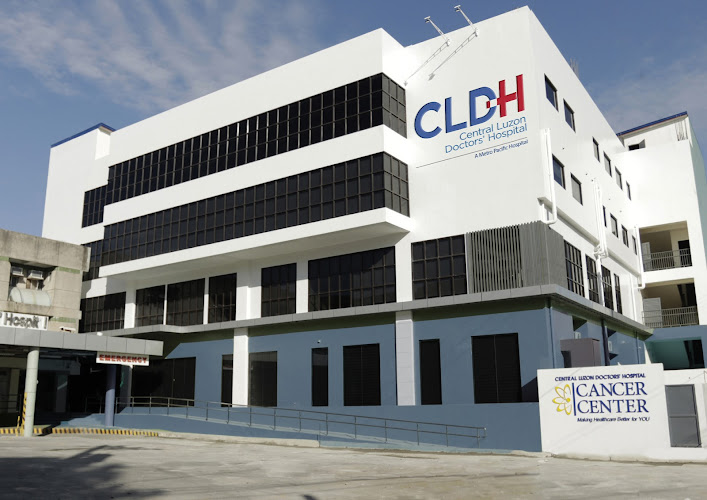
Central Luzon Doctors' Hospital (CLDH)
San Francisco St
Find Accommodations Nearby
Recommended Tours & Activities
Visitor Reviews
There are no reviews yet. Be the first one to write one.
Share Your Experience
Have you visited Museo ng Tarlac? Help other travelers by leaving a review.