
Dief- en Duifhuisje
About Dief- en Duifhuisje
Description
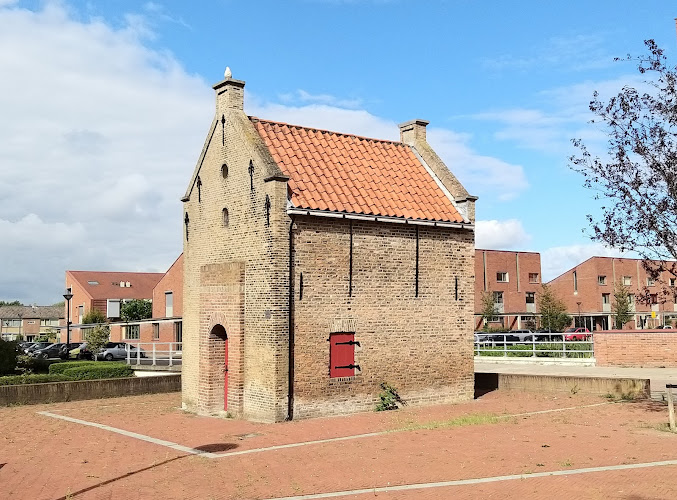
As a history enthusiast, I can tell you that the Dief- en Duifhuisje is one of those hidden gems that'll make you fall in love with medieval architecture. This tiny yet fascinating tower house, whose name translates to "Thief and Dove House," sits proudly in Leiden, showcasing a remarkable piece of Dutch judicial history. Built in the 17th century, it served as both a prison cell (hence the "thief" part) and a dovecote (that's where the "dove" comes in) - talk about a unique combination! I remember my first visit - I was absolutely stunned by how such a small structure could tell such a big story. The building stands as a testament to Dutch pragmatism: why build two structures when one can serve both purposes? The ground floor held prisoners, while the upper levels housed pigeons, which were considered a valuable food source back then.Key Features
• Original 17th-century architecture with distinctive stepped gable • Authentic prison cell on the ground floor with period-specific details • Historic dovecote in the upper section with original nesting boxes • Fascinating medieval judicial system exhibits • Unique double-function design that showcases Dutch practical ingenuity • Educational displays about the building's role in local history • Preserved architectural elements from the 1600s • Intimate viewing space that offers an up-close look at historical featuresBest Time to Visit
From my experience, early mornings during weekdays are perfect for exploring this historical site. The light streams beautifully through the small windows, creating an atmospheric experience that really brings the history to life. Spring and fall offer the most comfortable temperatures for visiting, and you'll find fewer tourists during these shoulder seasons. Summer afternoons can get pretty busy, especially during Dutch school holidays. But honestly? Winter visits have their own charm - the stark architecture against grey skies really emphasizes the building's somber history as a prison. Just remember to check the opening hours beforehand, as they can vary seasonally.How to Get There
Getting to the Dief- en Duifhuisje is actually pretty straightforward. If you're coming by public transport, Leiden's central station is your starting point. From there, it's a pleasant 15-minute walk through the historic city center - and trust me, that walk itself is worth your time. You'll pass by gorgeous canals and typical Dutch architecture that'll have you stopping for photos every few minutes. If you're driving, I'd recommend parking in one of the city's peripheral lots and walking in. The narrow streets around the tower aren't really car-friendly, and finding parking nearby can be a real headache. Plus, walking gives you a better chance to soak in the surrounding historical district.Tips for Visiting
Look, I've been here multiple times, and I've picked up some tricks along the way. First off, bring a camera with a good wide-angle lens - the tower's architecture is tricky to capture in its entirety from up close. And those tiny windows? They make for some amazing photo opportunities. You might want to combine your visit with other nearby attractions - the tower doesn't take too long to explore on its own. I usually spend about 30-45 minutes here, taking in all the details. Grab a city map from the tourist office; it'll help you plan an efficient route through Leiden's historical sites. Oh, and here's something most people don't realize - the acoustics inside are fascinating. The thick walls create an interesting echo that really helps you imagine what it must have been like for prisoners held here centuries ago. Take a moment to just stand quietly and soak in the atmosphere. If you're into photography, try visiting during golden hour - the light hitting the medieval brickwork is absolutely stunning. And don't forget to look up when you're inside! The dovecote section has some fascinating architectural details that many visitors miss. Wearing comfortable shoes is a must - the floors are uneven in places, just as you'd expect in a building this old. And while it might seem obvious, I'll say it anyway - bring your reading glasses if you need them. Some of the historical information panels have smaller text, and you won't want to miss those interesting details about the building's past. Finally, don't rush through. Yes, it's small, but every corner of this place tells a story. Take your time to imagine the contrast between the prisoners below and the peaceful doves above. It's this kind of historical irony that makes the Dief- en Duifhuisje such a uniquely fascinating spot in Leiden's rich historical landscape.Key Features
- Key Features
- Best Time to Visit
- How to Get There
- Tips for Visiting
More Details
Updated June 12, 2025
Table of Contents
Description
As a history enthusiast, I can tell you that the Dief- en Duifhuisje is one of those hidden gems that’ll make you fall in love with medieval architecture. This tiny yet fascinating tower house, whose name translates to “Thief and Dove House,” sits proudly in Leiden, showcasing a remarkable piece of Dutch judicial history. Built in the 17th century, it served as both a prison cell (hence the “thief” part) and a dovecote (that’s where the “dove” comes in) – talk about a unique combination!
I remember my first visit – I was absolutely stunned by how such a small structure could tell such a big story. The building stands as a testament to Dutch pragmatism: why build two structures when one can serve both purposes? The ground floor held prisoners, while the upper levels housed pigeons, which were considered a valuable food source back then.
Key Features
• Original 17th-century architecture with distinctive stepped gable
• Authentic prison cell on the ground floor with period-specific details
• Historic dovecote in the upper section with original nesting boxes
• Fascinating medieval judicial system exhibits
• Unique double-function design that showcases Dutch practical ingenuity
• Educational displays about the building’s role in local history
• Preserved architectural elements from the 1600s
• Intimate viewing space that offers an up-close look at historical features
Best Time to Visit
From my experience, early mornings during weekdays are perfect for exploring this historical site. The light streams beautifully through the small windows, creating an atmospheric experience that really brings the history to life. Spring and fall offer the most comfortable temperatures for visiting, and you’ll find fewer tourists during these shoulder seasons.
Summer afternoons can get pretty busy, especially during Dutch school holidays. But honestly? Winter visits have their own charm – the stark architecture against grey skies really emphasizes the building’s somber history as a prison. Just remember to check the opening hours beforehand, as they can vary seasonally.
How to Get There
Getting to the Dief- en Duifhuisje is actually pretty straightforward. If you’re coming by public transport, Leiden’s central station is your starting point. From there, it’s a pleasant 15-minute walk through the historic city center – and trust me, that walk itself is worth your time. You’ll pass by gorgeous canals and typical Dutch architecture that’ll have you stopping for photos every few minutes.
If you’re driving, I’d recommend parking in one of the city’s peripheral lots and walking in. The narrow streets around the tower aren’t really car-friendly, and finding parking nearby can be a real headache. Plus, walking gives you a better chance to soak in the surrounding historical district.
Tips for Visiting
Look, I’ve been here multiple times, and I’ve picked up some tricks along the way. First off, bring a camera with a good wide-angle lens – the tower’s architecture is tricky to capture in its entirety from up close. And those tiny windows? They make for some amazing photo opportunities.
You might want to combine your visit with other nearby attractions – the tower doesn’t take too long to explore on its own. I usually spend about 30-45 minutes here, taking in all the details. Grab a city map from the tourist office; it’ll help you plan an efficient route through Leiden’s historical sites.
Oh, and here’s something most people don’t realize – the acoustics inside are fascinating. The thick walls create an interesting echo that really helps you imagine what it must have been like for prisoners held here centuries ago. Take a moment to just stand quietly and soak in the atmosphere.
If you’re into photography, try visiting during golden hour – the light hitting the medieval brickwork is absolutely stunning. And don’t forget to look up when you’re inside! The dovecote section has some fascinating architectural details that many visitors miss.
Wearing comfortable shoes is a must – the floors are uneven in places, just as you’d expect in a building this old. And while it might seem obvious, I’ll say it anyway – bring your reading glasses if you need them. Some of the historical information panels have smaller text, and you won’t want to miss those interesting details about the building’s past.
Finally, don’t rush through. Yes, it’s small, but every corner of this place tells a story. Take your time to imagine the contrast between the prisoners below and the peaceful doves above. It’s this kind of historical irony that makes the Dief- en Duifhuisje such a uniquely fascinating spot in Leiden’s rich historical landscape.
Key Highlights
- Key Features
- Best Time to Visit
- How to Get There
- Tips for Visiting
Location
Places to Stay Near Dief- en Duifhuisje
Find and Book a Tour
Explore More Travel Guides
No reviews found! Be the first to review!
Traveler Reviews for Dief- en Duifhuisje
There are no reviews yet. Be the first one to write one.
Have you visited Dief- en Duifhuisje? Help other travelers by sharing your review.
You Might Also Like
Calisthenics Park Capelle aan den IJssel
Babybos
Recreatiecentrum De Serre
Find Accommodations Nearby
Recommended Tours & Activities
Visitor Reviews
There are no reviews yet. Be the first one to write one.
Share Your Experience
Have you visited Dief- en Duifhuisje? Help other travelers by leaving a review.