

Dazaifu
About Dazaifu
Description
Y'know, I absolutely fell in love with Dazaifu when I visited last spring. This historic city in Fukuoka Prefecture packs an incredible cultural punch that'll leave you spellbound. As someone who's explored quite a few Japanese cities, I can tell you there's something special about how Dazaifu preserves its role as an ancient administrative center while keeping things wonderfully accessible for modern visitors. The star of the show here is definitely the magnificent Dazaifu Tenmangu Shrine. I remember standing there, completely awestruck by those 6,000 plum trees - when they're in bloom, the whole place transforms into this amazing pink and white wonderland. The shrine's dedicated to Sugawara no Michizane, Japan's patron deity of learning and scholarship, which explains why you'll see tons of students clutching their exam prayer tablets!Key Features
• Dazaifu Tenmangu Shrine - A sprawling spiritual complex with stunning architecture and those incredible plum trees I mentioned • Kyushu National Museum - Trust me, this isn't your average museum. The building itself is an architectural marvel, and inside you'll find fascinating exhibits connecting Japanese and Asian history • Kōmyōzen-ji Temple - Two seriously peaceful Zen rock gardens that'll have you contemplating life's mysteries • Mount Hōman - A gorgeous hiking trail leading to a sacred shrine. The views from up there? Totally worth the climb! • Government Office Ruins - Ancient administrative buildings that'll transport you back to when Dazaifu was basically running the show in Kyushu • Traditional Shopping Street - Packed with local snacks, crafts, and that amazing umegae mochi (grilled rice cakes) that I'm still dreaming aboutBest Time to Visit
From my experience, late February to early March is absolutely magical - that's when those plum blossoms are showing off. But honestly? Fall (October-November) is pretty spectacular too, with comfortable temperatures and stunning autumn colors. Summer can get pretty sticky with humidity, and winter's chilly but rarely freezing. If you're hoping to avoid the biggest crowds, I'd suggest skipping holiday periods and weekends. Early mornings are especially peaceful - I remember having almost the entire shrine grounds to myself when I arrived right at opening time.How to Get There
Getting to Dazaifu's actually pretty straightforward. From Fukuoka City (which is where most visitors base themselves), hop on the Nishitetsu train from Tenjin Station. You'll want the express train to Dazaifu Station - it takes about 25 minutes and costs around 400 yen. The coolest part? The walk from Dazaifu Station to the main attractions is this lovely stroll down a traditional shopping street. I totally got sidetracked buying way too many souvenirs, but hey, that's part of the experience, right?Tips for Visiting
Okay, here's the insider scoop I wish someone had told me before my first visit: Start early! The place gets pretty busy by mid-morning, especially during plum blossom season and on weekends. I learned this the hard way when I showed up at noon one Saturday. Grab an umegae mochi while it's hot - these plum-stamped rice cakes are a local specialty and taste WAY better fresh. There's usually a line at the popular shops, but it moves quick. Wear comfortable shoes - you'll be doing more walking than you think, especially if you're planning to hit all the major spots. My pedometer clocked over 15,000 steps during my visit! Don't rush through the Tenmangu Shrine. Take time to appreciate the details - there's this amazing bronze ox statue that's supposed to heal your ailments if you rub the spot that corresponds to where you're hurting. And definitely check out the treasure house if it's open. If you're visiting the Kyushu National Museum, try to go on a weekday. The exhibitions are fascinating, but weekend crowds can make it hard to really appreciate everything. And don't forget - the museum's closed on Mondays! Bring some cash - while larger shops accept cards, many smaller vendors along the shopping street are cash-only. I learned this when trying to buy some amazing local tea and had to make a quick dash to the ATM. Consider getting a combined ticket if you're planning to visit multiple paid sites. It'll save you a few yen, which you can totally spend on more snacks (speaking from experience here!). And here's a local secret - there's this amazing little tea house near the shrine where you can experience a traditional tea ceremony without breaking the bank. Just ask at the tourist information center for directions - they're super helpful!Key Features
- Key Features
- Best Time to Visit
- How to Get There
- Tips for Visiting
More Details
Updated June 22, 2025
Table of Contents
Description
Y’know, I absolutely fell in love with Dazaifu when I visited last spring. This historic city in Fukuoka Prefecture packs an incredible cultural punch that’ll leave you spellbound. As someone who’s explored quite a few Japanese cities, I can tell you there’s something special about how Dazaifu preserves its role as an ancient administrative center while keeping things wonderfully accessible for modern visitors.
The star of the show here is definitely the magnificent Dazaifu Tenmangu Shrine. I remember standing there, completely awestruck by those 6,000 plum trees – when they’re in bloom, the whole place transforms into this amazing pink and white wonderland. The shrine’s dedicated to Sugawara no Michizane, Japan’s patron deity of learning and scholarship, which explains why you’ll see tons of students clutching their exam prayer tablets!
Key Features
• Dazaifu Tenmangu Shrine – A sprawling spiritual complex with stunning architecture and those incredible plum trees I mentioned
• Kyushu National Museum – Trust me, this isn’t your average museum. The building itself is an architectural marvel, and inside you’ll find fascinating exhibits connecting Japanese and Asian history
• Kōmyōzen-ji Temple – Two seriously peaceful Zen rock gardens that’ll have you contemplating life’s mysteries
• Mount Hōman – A gorgeous hiking trail leading to a sacred shrine. The views from up there? Totally worth the climb!
• Government Office Ruins – Ancient administrative buildings that’ll transport you back to when Dazaifu was basically running the show in Kyushu
• Traditional Shopping Street – Packed with local snacks, crafts, and that amazing umegae mochi (grilled rice cakes) that I’m still dreaming about
Best Time to Visit
From my experience, late February to early March is absolutely magical – that’s when those plum blossoms are showing off. But honestly? Fall (October-November) is pretty spectacular too, with comfortable temperatures and stunning autumn colors. Summer can get pretty sticky with humidity, and winter’s chilly but rarely freezing.
If you’re hoping to avoid the biggest crowds, I’d suggest skipping holiday periods and weekends. Early mornings are especially peaceful – I remember having almost the entire shrine grounds to myself when I arrived right at opening time.
How to Get There
Getting to Dazaifu’s actually pretty straightforward. From Fukuoka City (which is where most visitors base themselves), hop on the Nishitetsu train from Tenjin Station. You’ll want the express train to Dazaifu Station – it takes about 25 minutes and costs around 400 yen.
The coolest part? The walk from Dazaifu Station to the main attractions is this lovely stroll down a traditional shopping street. I totally got sidetracked buying way too many souvenirs, but hey, that’s part of the experience, right?
Tips for Visiting
Okay, here’s the insider scoop I wish someone had told me before my first visit:
Start early! The place gets pretty busy by mid-morning, especially during plum blossom season and on weekends. I learned this the hard way when I showed up at noon one Saturday.
Grab an umegae mochi while it’s hot – these plum-stamped rice cakes are a local specialty and taste WAY better fresh. There’s usually a line at the popular shops, but it moves quick.
Wear comfortable shoes – you’ll be doing more walking than you think, especially if you’re planning to hit all the major spots. My pedometer clocked over 15,000 steps during my visit!
Don’t rush through the Tenmangu Shrine. Take time to appreciate the details – there’s this amazing bronze ox statue that’s supposed to heal your ailments if you rub the spot that corresponds to where you’re hurting. And definitely check out the treasure house if it’s open.
If you’re visiting the Kyushu National Museum, try to go on a weekday. The exhibitions are fascinating, but weekend crowds can make it hard to really appreciate everything. And don’t forget – the museum’s closed on Mondays!
Bring some cash – while larger shops accept cards, many smaller vendors along the shopping street are cash-only. I learned this when trying to buy some amazing local tea and had to make a quick dash to the ATM.
Consider getting a combined ticket if you’re planning to visit multiple paid sites. It’ll save you a few yen, which you can totally spend on more snacks (speaking from experience here!).
And here’s a local secret – there’s this amazing little tea house near the shrine where you can experience a traditional tea ceremony without breaking the bank. Just ask at the tourist information center for directions – they’re super helpful!
Key Highlights
- Key Features
- Best Time to Visit
- How to Get There
- Tips for Visiting
Location
Places to Stay Near Dazaifu
Find and Book a Tour
Explore More Travel Guides
No reviews found! Be the first to review!
Traveler Reviews for Dazaifu
There are no reviews yet. Be the first one to write one.
Have you visited Dazaifu? Help other travelers by sharing your review.
You Might Also Like

Kanzeon-ji
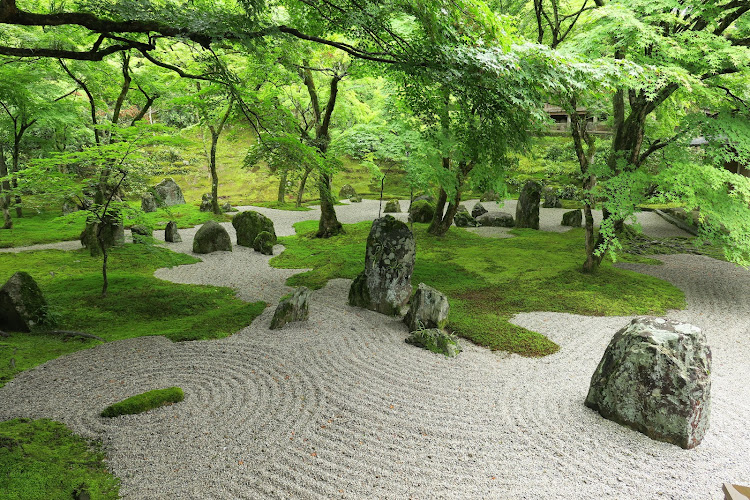
Komyozen-ji

Dazaifu Exhibition Hall
Find Accommodations Nearby
Recommended Tours & Activities
Visitor Reviews
There are no reviews yet. Be the first one to write one.
Share Your Experience
Have you visited Dazaifu? Help other travelers by leaving a review.