

David Livingstone Birthplace
About David Livingstone Birthplace
Description
The David Livingstone Birthplace is not just a museum—it’s a story told through walls that once echoed with the sounds of a working mill town. Set in the heart of Blantyre, this museum celebrates one of Scotland’s most remarkable figures, Dr. David Livingstone, the missionary, explorer, and physician who reshaped how the world viewed Africa in the 19th century. The museum occupies the very tenement building where Livingstone was born in 1813, and walking through it feels like stepping back in time. It’s humbling, really, to stand in the same small space where a boy from a poor family began a journey that would take him across continents.
Inside, the museum is more than a collection of dusty artifacts—it’s an experience. You’ll find items from Livingstone’s African expeditions, including tools, maps, and personal belongings that tell a story of grit, discovery, and compassion. The exhibits are thoughtfully curated, blending interactive displays with storytelling that makes you feel like you’re traveling alongside him through the African interior. And honestly, there’s something deeply moving about seeing the handwritten notes and sketches of a man who devoted his life to exploration and humanitarian work. It’s not just history—it’s humanity on display.
Beyond the exhibits, the surrounding parkland adds a peaceful counterbalance to the museum’s intensity. The grounds are dotted with sculptures, picnic spots, and walking paths that invite you to linger. Families often spread out on the grass while kids run around, and there’s a small café on-site that serves up comforting Scottish fare—perfect for a post-exhibit cup of tea or a slice of cake. The museum’s staff are warm and knowledgeable, always ready to share stories or answer questions with genuine enthusiasm. And while not every visitor leaves with the same impression—some find the displays modest compared to larger institutions—most agree that it’s a heartfelt tribute to a man who changed history.
Key Features
- Authentic tenement building where David Livingstone was born, fully restored and preserved
- Extensive collection of artifacts from Livingstone’s African expeditions
- Interactive exhibits that engage both adults and children
- Beautiful parkland surrounding the museum, ideal for walks and family picnics
- On-site café offering locally inspired meals and refreshments
- Wheelchair accessible facilities, including restrooms, entrances, and seating
- Free parking available both on-site and nearby streets
- Educational programs and workshops for schools and community groups
- Gift shop featuring books, crafts, and unique souvenirs related to Livingstone’s legacy
Best Time to Visit
If you ask me, spring and early autumn are the sweet spots for visiting. Around April to June, the park bursts into color, and the weather is mild enough for a comfortable stroll through the grounds. The museum itself is open year-round, but during the summer months, it tends to get busier with families and tour groups. Visiting on a weekday morning often means you’ll have more space to explore and reflect in peace. Autumn, with its golden leaves and crisp air, gives the place a nostalgic charm that somehow fits Livingstone’s story perfectly—there’s something poetic about it.
Winter visits have their own appeal too. Fewer crowds mean you can take your time in the exhibits, and the café feels especially cozy after a chilly walk through the park. Just remember that daylight hours are shorter, so plan your visit earlier in the day. If you’re aiming for photos, mid-morning light works beautifully across the old stone buildings and park pathways.
How to Get There
Getting to the David Livingstone Birthplace is fairly straightforward. It’s located in Blantyre, just a short distance from Glasgow. If you’re driving, you’ll find free parking on-site and on nearby streets, which is a rare treat these days. For those relying on public transport, local buses and trains connect Blantyre easily with Glasgow city center. Once you arrive, everything is within walking distance—the museum, park, and café are all part of a compact and walkable area. I’ve personally taken the train from Glasgow before, and it’s a pleasant ride that drops you just a few minutes away from the museum gates.
For international travelers, Glasgow Airport is the nearest major hub, and from there, it’s about a 30–40 minute drive depending on traffic. Taxis and rideshares are available, but if you want to save a bit, public transport is efficient and well-connected. Just make sure to check the museum’s opening hours before you go—they can vary slightly throughout the year.
Tips for Visiting
Here’s where a few insider tips can make your visit even better. First off, give yourself at least two hours to explore everything properly. The museum might not look huge from the outside, but there’s a surprising amount to take in once you start wandering through the exhibits. Don’t rush it—read the stories, look closely at the artifacts, and let yourself imagine what it must’ve been like for Livingstone trekking through uncharted Africa with little more than determination and faith.
Bring comfortable shoes, especially if you plan to explore the park afterward. The paths are well-maintained, but you’ll want to wander a bit—it’s one of those places where the slower you go, the more you notice. If you’re traveling with kids, the museum does a great job of keeping them entertained with hands-on displays and storytelling corners. And the café has a kids’ menu, so everyone’s happy.
Accessibility is something the museum takes seriously. Wheelchair users will find the entire site easy to navigate, with accessible entrances, restrooms, and seating areas. There’s also an assistive hearing loop for visitors who need it. It’s refreshing to see a historic site that’s genuinely inclusive rather than just checking boxes.
One small piece of advice—try to visit on a clear day if you can. The outdoor spaces really shine when the sun’s out, and you can enjoy your coffee or lunch in the park. And if you’re a photography enthusiast like me, you’ll love the soft Scottish light filtering through the trees—it gives everything a timeless quality. Oh, and don’t skip the gift shop. It’s got some lovely books and locally made crafts that make perfect souvenirs or gifts for history buffs back home.
In the end, what makes the David Livingstone Birthplace special isn’t just the exhibits or the setting—it’s the feeling of connection. You walk away with a sense of respect for a man who dedicated his life to exploration and humanitarian causes, but also for the community that keeps his story alive today. It’s a place that invites reflection, curiosity, and maybe even a bit of inspiration. Whether you’re a history lover, a family on a weekend outing, or a traveler passing through Scotland, this museum quietly reminds you that even the humblest beginnings can lead to extraordinary journeys.
Key Features
- Authentic tenement building where David Livingstone was born, fully restored and preserved
- Extensive collection of artifacts from Livingstone’s African expeditions
- Interactive exhibits that engage both adults and children
- Beautiful parkland surrounding the museum, ideal for walks and family picnics
- On-site café offering locally inspired meals and refreshments
- Wheelchair accessible facilities, including restrooms, entrances, and seating
- Free parking available both on-site and nearby streets
- Educational programs and workshops for schools and community groups
More Details
Updated October 11, 2025
Table of Contents
Description
The David Livingstone Birthplace is not just a museum—it’s a story told through walls that once echoed with the sounds of a working mill town. Set in the heart of Blantyre, this museum celebrates one of Scotland’s most remarkable figures, Dr. David Livingstone, the missionary, explorer, and physician who reshaped how the world viewed Africa in the 19th century. The museum occupies the very tenement building where Livingstone was born in 1813, and walking through it feels like stepping back in time. It’s humbling, really, to stand in the same small space where a boy from a poor family began a journey that would take him across continents.
Inside, the museum is more than a collection of dusty artifacts—it’s an experience. You’ll find items from Livingstone’s African expeditions, including tools, maps, and personal belongings that tell a story of grit, discovery, and compassion. The exhibits are thoughtfully curated, blending interactive displays with storytelling that makes you feel like you’re traveling alongside him through the African interior. And honestly, there’s something deeply moving about seeing the handwritten notes and sketches of a man who devoted his life to exploration and humanitarian work. It’s not just history—it’s humanity on display.
Beyond the exhibits, the surrounding parkland adds a peaceful counterbalance to the museum’s intensity. The grounds are dotted with sculptures, picnic spots, and walking paths that invite you to linger. Families often spread out on the grass while kids run around, and there’s a small café on-site that serves up comforting Scottish fare—perfect for a post-exhibit cup of tea or a slice of cake. The museum’s staff are warm and knowledgeable, always ready to share stories or answer questions with genuine enthusiasm. And while not every visitor leaves with the same impression—some find the displays modest compared to larger institutions—most agree that it’s a heartfelt tribute to a man who changed history.
Key Features
- Authentic tenement building where David Livingstone was born, fully restored and preserved
- Extensive collection of artifacts from Livingstone’s African expeditions
- Interactive exhibits that engage both adults and children
- Beautiful parkland surrounding the museum, ideal for walks and family picnics
- On-site café offering locally inspired meals and refreshments
- Wheelchair accessible facilities, including restrooms, entrances, and seating
- Free parking available both on-site and nearby streets
- Educational programs and workshops for schools and community groups
- Gift shop featuring books, crafts, and unique souvenirs related to Livingstone’s legacy
Best Time to Visit
If you ask me, spring and early autumn are the sweet spots for visiting. Around April to June, the park bursts into color, and the weather is mild enough for a comfortable stroll through the grounds. The museum itself is open year-round, but during the summer months, it tends to get busier with families and tour groups. Visiting on a weekday morning often means you’ll have more space to explore and reflect in peace. Autumn, with its golden leaves and crisp air, gives the place a nostalgic charm that somehow fits Livingstone’s story perfectly—there’s something poetic about it.
Winter visits have their own appeal too. Fewer crowds mean you can take your time in the exhibits, and the café feels especially cozy after a chilly walk through the park. Just remember that daylight hours are shorter, so plan your visit earlier in the day. If you’re aiming for photos, mid-morning light works beautifully across the old stone buildings and park pathways.
How to Get There
Getting to the David Livingstone Birthplace is fairly straightforward. It’s located in Blantyre, just a short distance from Glasgow. If you’re driving, you’ll find free parking on-site and on nearby streets, which is a rare treat these days. For those relying on public transport, local buses and trains connect Blantyre easily with Glasgow city center. Once you arrive, everything is within walking distance—the museum, park, and café are all part of a compact and walkable area. I’ve personally taken the train from Glasgow before, and it’s a pleasant ride that drops you just a few minutes away from the museum gates.
For international travelers, Glasgow Airport is the nearest major hub, and from there, it’s about a 30–40 minute drive depending on traffic. Taxis and rideshares are available, but if you want to save a bit, public transport is efficient and well-connected. Just make sure to check the museum’s opening hours before you go—they can vary slightly throughout the year.
Tips for Visiting
Here’s where a few insider tips can make your visit even better. First off, give yourself at least two hours to explore everything properly. The museum might not look huge from the outside, but there’s a surprising amount to take in once you start wandering through the exhibits. Don’t rush it—read the stories, look closely at the artifacts, and let yourself imagine what it must’ve been like for Livingstone trekking through uncharted Africa with little more than determination and faith.
Bring comfortable shoes, especially if you plan to explore the park afterward. The paths are well-maintained, but you’ll want to wander a bit—it’s one of those places where the slower you go, the more you notice. If you’re traveling with kids, the museum does a great job of keeping them entertained with hands-on displays and storytelling corners. And the café has a kids’ menu, so everyone’s happy.
Accessibility is something the museum takes seriously. Wheelchair users will find the entire site easy to navigate, with accessible entrances, restrooms, and seating areas. There’s also an assistive hearing loop for visitors who need it. It’s refreshing to see a historic site that’s genuinely inclusive rather than just checking boxes.
One small piece of advice—try to visit on a clear day if you can. The outdoor spaces really shine when the sun’s out, and you can enjoy your coffee or lunch in the park. And if you’re a photography enthusiast like me, you’ll love the soft Scottish light filtering through the trees—it gives everything a timeless quality. Oh, and don’t skip the gift shop. It’s got some lovely books and locally made crafts that make perfect souvenirs or gifts for history buffs back home.
In the end, what makes the David Livingstone Birthplace special isn’t just the exhibits or the setting—it’s the feeling of connection. You walk away with a sense of respect for a man who dedicated his life to exploration and humanitarian causes, but also for the community that keeps his story alive today. It’s a place that invites reflection, curiosity, and maybe even a bit of inspiration. Whether you’re a history lover, a family on a weekend outing, or a traveler passing through Scotland, this museum quietly reminds you that even the humblest beginnings can lead to extraordinary journeys.
Key Highlights
- Authentic tenement building where David Livingstone was born, fully restored and preserved
- Extensive collection of artifacts from Livingstone’s African expeditions
- Interactive exhibits that engage both adults and children
- Beautiful parkland surrounding the museum, ideal for walks and family picnics
- On-site café offering locally inspired meals and refreshments
- Wheelchair accessible facilities, including restrooms, entrances, and seating
- Free parking available both on-site and nearby streets
- Educational programs and workshops for schools and community groups
Location
Places to Stay Near David Livingstone Birthplace
Find and Book a Tour
Explore More Travel Guides
No reviews found! Be the first to review!
Traveler Reviews for David Livingstone Birthplace
There are no reviews yet. Be the first one to write one.
Have you visited David Livingstone Birthplace? Help other travelers by sharing your review.
You Might Also Like
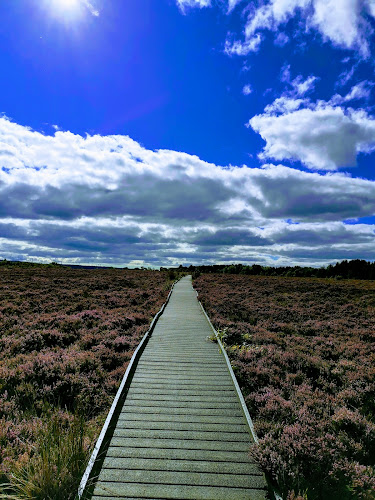
Langlands Moss Local Nature Reserve
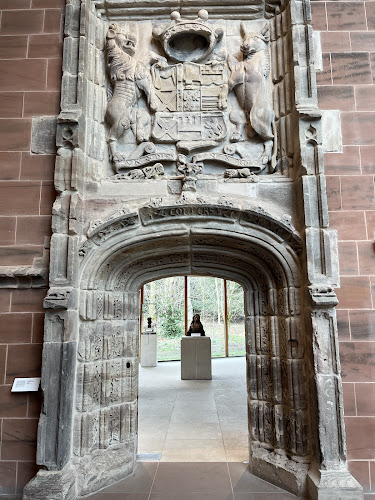
The Burrell Collection
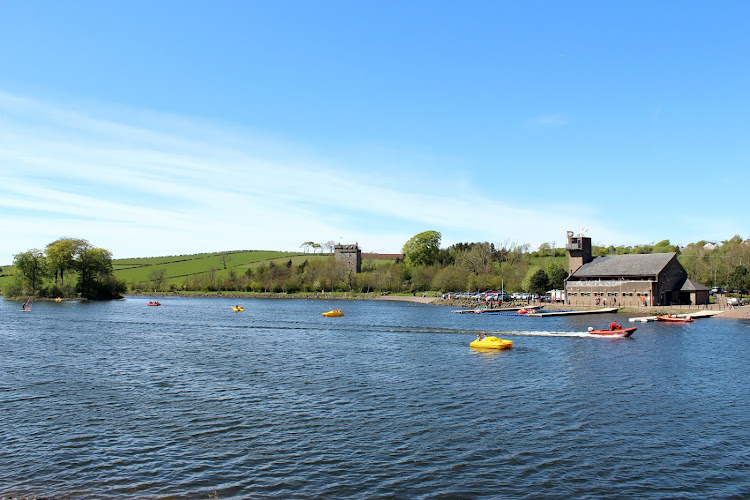
James Hamilton Heritage Park
Find Accommodations Nearby
Recommended Tours & Activities
Visitor Reviews
There are no reviews yet. Be the first one to write one.
Share Your Experience
Have you visited David Livingstone Birthplace? Help other travelers by leaving a review.