
About Dashiqiao

Description

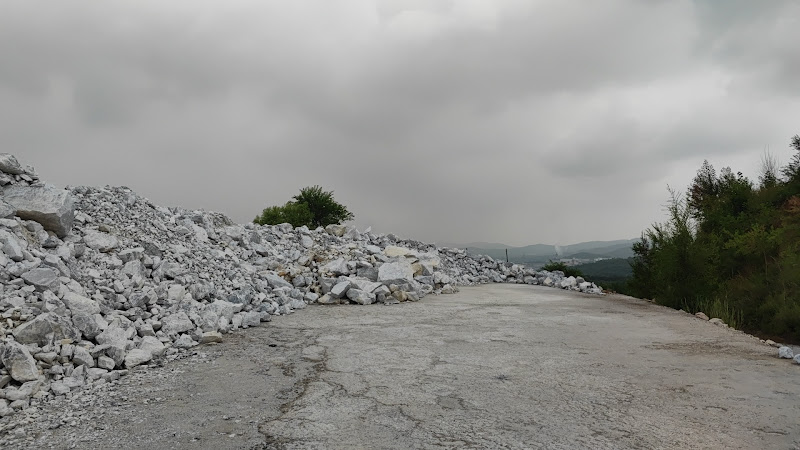
Dashiqiao, tucked away in the heart of south-central Liaoning province, is one of those places that quietly surprises you. It’s not the kind of city that shouts for attention, but rather one that unfolds its charm slowly, revealing layers of culture, industry, and a sense of everyday Chinese life that feels both grounded and fascinating. Sitting just about 23 kilometers east of Yingkou, Dashiqiao has long been known as the “Magnesium Capital of China,” thanks to its rich mineral resources. But beyond the industrial reputation, there’s a softer side — the kind that makes a traveler pause, look around, and think, “Ah, this is real China.”

Walking through Dashiqiao, you can sense a mix of old and new. There’s the buzz of local markets, the smell of street food grilling at dusk, and the rhythm of a city that hasn’t lost touch with its roots. If you’ve spent time in China’s major metropolises, Dashiqiao feels refreshingly different — slower, friendlier, and somehow more personal. I remember wandering through one of its smaller parks one late afternoon, watching families play badminton while older folks practiced tai chi under the maple trees. It wasn’t glamorous, but it was genuine — and that’s what makes it special.

What’s also intriguing is how the city balances its identity. On one hand, it’s an industrial hub that contributes significantly to China’s magnesium production. On the other, it’s a gateway to nature and culture, with scenic spots in the surrounding countryside and temples that have quietly stood for centuries. The people here are proud of their city, and you can feel that pride in the way they talk about their local food, their traditions, and even their winters — which, by the way, can be pretty intense but beautiful if you like snow-covered streets and crisp air.

Key Features

  • Magnesium Industry: Dashiqiao is globally recognized for its magnesium resources, making it a crucial player in China’s industrial landscape.
  • Local Culture: The city retains a strong sense of community, with traditional festivals and local gatherings that showcase authentic Liaoning culture.
  • Natural Beauty: Surrounding Dashiqiao are rolling hills, small rivers, and scenic countryside perfect for short excursions or photography.
  • Proximity to Yingkou: Its closeness to Yingkou makes it easy to combine urban exploration with a more laid-back experience in Dashiqiao.
  • Authentic Cuisine: The food scene here is hearty and flavorful — think dumplings, noodles, and grilled lamb skewers that taste even better in winter.

And if you’re into photography or just love observing daily life, you’ll find endless inspiration here. The mix of industrial backdrops, local markets, and rural landscapes gives Dashiqiao a certain cinematic quality. It’s the kind of place where you can capture a farmer riding a bicycle past a factory gate and somehow, it just works.

Best Time to Visit

Now, let’s talk about timing because it really does matter. The best time to visit Dashiqiao is from late spring (May) to early autumn (October). The weather during these months is mild and pleasant, making it perfect for walking around town or heading out into the countryside. Summer brings lush greenery and lively local festivals, while autumn paints the hills in warm shades of gold and red — it’s truly postcard-worthy.

Winter, though cold, has its own charm. If you don’t mind bundling up, you’ll find the snow transforming the city into a quiet, almost poetic landscape. I once visited in January, and while my fingers nearly froze trying to snap photos, the sight of snowflakes landing on the old temple roofs was worth every shiver. Just make sure to pack warm clothes — the wind can be fierce!

How to Get There

Getting to Dashiqiao is pretty straightforward. The city is well-connected by road and rail, thanks to its location near Yingkou. If you’re coming from Shenyang, the provincial capital, you can hop on a train that takes about two hours. From Dalian, it’s roughly the same — a comfortable ride through the scenic Liaoning countryside. Buses also run regularly between Dashiqiao and neighboring cities, and taxis or private transfers are easy to arrange if you prefer something more direct.

Once you arrive, getting around is simple. The city isn’t huge, so you can explore much of it on foot or by local taxi. If you’re feeling adventurous, rent a bike and pedal through the smaller streets — it’s a great way to see the city at your own pace. I did that once, and while I got a few curious looks from locals (foreigners on bikes aren’t that common here), it turned into one of the most memorable parts of my trip.

Tips for Visiting

Here are a few things I’ve learned — sometimes the hard way — that might make your visit smoother and more enjoyable:

  • Learn a few Mandarin phrases: English isn’t widely spoken, so even a simple “Ni hao” (hello) or “Xie xie” (thank you) goes a long way.
  • Bring cash: While mobile payments dominate in China, some smaller vendors still prefer cash, especially in local markets.
  • Dress appropriately: Winters can be brutally cold, and summers can get humid. Layers are your best friend here.
  • Try the local food: Don’t just stick to what you know. The local dumplings and Liaoning-style hotpot are worth every bite.
  • Respect local customs: Dashiqiao is a traditional city at heart. Be polite, especially when visiting temples or rural villages.
  • Explore beyond the city: Some of the best experiences are just outside town — small farms, local tea houses, and quiet trails that few tourists ever see.

One more thing — be patient. Life in Dashiqiao moves at its own rhythm. Things might not always happen as quickly as you’d expect, but that’s part of the charm. I remember waiting nearly 20 minutes for a bowl of noodles at a tiny roadside stall, and when it finally arrived, it was hands-down the best meal of my trip. Sometimes, slowing down is exactly what you need.

In the end, Dashiqiao isn’t about glitz or grand attractions. It’s about moments — quiet ones, real ones. It’s the laughter of kids playing in the park, the smell of coal fires in winter, the warm nod from a shopkeeper when you walk in. For travelers who crave authenticity over spectacle, this small city in Liaoning might just be the kind of place that stays with you long after you’ve left.

Key Features

  • Key Features
  • Best Time to Visit
  • How to Get There
  • Tips for Visiting

More Details

Updated November 7, 2025


Description

Dashiqiao, tucked away in the heart of south-central Liaoning province, is one of those places that quietly surprises you. It’s not the kind of city that shouts for attention, but rather one that unfolds its charm slowly, revealing layers of culture, industry, and a sense of everyday Chinese life that feels both grounded and fascinating. Sitting just about 23 kilometers east of Yingkou, Dashiqiao has long been known as the “Magnesium Capital of China,” thanks to its rich mineral resources. But beyond the industrial reputation, there’s a softer side — the kind that makes a traveler pause, look around, and think, “Ah, this is real China.”

Walking through Dashiqiao, you can sense a mix of old and new. There’s the buzz of local markets, the smell of street food grilling at dusk, and the rhythm of a city that hasn’t lost touch with its roots. If you’ve spent time in China’s major metropolises, Dashiqiao feels refreshingly different — slower, friendlier, and somehow more personal. I remember wandering through one of its smaller parks one late afternoon, watching families play badminton while older folks practiced tai chi under the maple trees. It wasn’t glamorous, but it was genuine — and that’s what makes it special.

What’s also intriguing is how the city balances its identity. On one hand, it’s an industrial hub that contributes significantly to China’s magnesium production. On the other, it’s a gateway to nature and culture, with scenic spots in the surrounding countryside and temples that have quietly stood for centuries. The people here are proud of their city, and you can feel that pride in the way they talk about their local food, their traditions, and even their winters — which, by the way, can be pretty intense but beautiful if you like snow-covered streets and crisp air.

Key Features

  • Magnesium Industry: Dashiqiao is globally recognized for its magnesium resources, making it a crucial player in China’s industrial landscape.
  • Local Culture: The city retains a strong sense of community, with traditional festivals and local gatherings that showcase authentic Liaoning culture.
  • Natural Beauty: Surrounding Dashiqiao are rolling hills, small rivers, and scenic countryside perfect for short excursions or photography.
  • Proximity to Yingkou: Its closeness to Yingkou makes it easy to combine urban exploration with a more laid-back experience in Dashiqiao.
  • Authentic Cuisine: The food scene here is hearty and flavorful — think dumplings, noodles, and grilled lamb skewers that taste even better in winter.

And if you’re into photography or just love observing daily life, you’ll find endless inspiration here. The mix of industrial backdrops, local markets, and rural landscapes gives Dashiqiao a certain cinematic quality. It’s the kind of place where you can capture a farmer riding a bicycle past a factory gate and somehow, it just works.

Best Time to Visit

Now, let’s talk about timing because it really does matter. The best time to visit Dashiqiao is from late spring (May) to early autumn (October). The weather during these months is mild and pleasant, making it perfect for walking around town or heading out into the countryside. Summer brings lush greenery and lively local festivals, while autumn paints the hills in warm shades of gold and red — it’s truly postcard-worthy.

Winter, though cold, has its own charm. If you don’t mind bundling up, you’ll find the snow transforming the city into a quiet, almost poetic landscape. I once visited in January, and while my fingers nearly froze trying to snap photos, the sight of snowflakes landing on the old temple roofs was worth every shiver. Just make sure to pack warm clothes — the wind can be fierce!

How to Get There

Getting to Dashiqiao is pretty straightforward. The city is well-connected by road and rail, thanks to its location near Yingkou. If you’re coming from Shenyang, the provincial capital, you can hop on a train that takes about two hours. From Dalian, it’s roughly the same — a comfortable ride through the scenic Liaoning countryside. Buses also run regularly between Dashiqiao and neighboring cities, and taxis or private transfers are easy to arrange if you prefer something more direct.

Once you arrive, getting around is simple. The city isn’t huge, so you can explore much of it on foot or by local taxi. If you’re feeling adventurous, rent a bike and pedal through the smaller streets — it’s a great way to see the city at your own pace. I did that once, and while I got a few curious looks from locals (foreigners on bikes aren’t that common here), it turned into one of the most memorable parts of my trip.

Tips for Visiting

Here are a few things I’ve learned — sometimes the hard way — that might make your visit smoother and more enjoyable:

  • Learn a few Mandarin phrases: English isn’t widely spoken, so even a simple “Ni hao” (hello) or “Xie xie” (thank you) goes a long way.
  • Bring cash: While mobile payments dominate in China, some smaller vendors still prefer cash, especially in local markets.
  • Dress appropriately: Winters can be brutally cold, and summers can get humid. Layers are your best friend here.
  • Try the local food: Don’t just stick to what you know. The local dumplings and Liaoning-style hotpot are worth every bite.
  • Respect local customs: Dashiqiao is a traditional city at heart. Be polite, especially when visiting temples or rural villages.
  • Explore beyond the city: Some of the best experiences are just outside town — small farms, local tea houses, and quiet trails that few tourists ever see.

One more thing — be patient. Life in Dashiqiao moves at its own rhythm. Things might not always happen as quickly as you’d expect, but that’s part of the charm. I remember waiting nearly 20 minutes for a bowl of noodles at a tiny roadside stall, and when it finally arrived, it was hands-down the best meal of my trip. Sometimes, slowing down is exactly what you need.

In the end, Dashiqiao isn’t about glitz or grand attractions. It’s about moments — quiet ones, real ones. It’s the laughter of kids playing in the park, the smell of coal fires in winter, the warm nod from a shopkeeper when you walk in. For travelers who crave authenticity over spectacle, this small city in Liaoning might just be the kind of place that stays with you long after you’ve left.

Key Highlights

  • Key Features
  • Best Time to Visit
  • How to Get There
  • Tips for Visiting

Location

Places to Stay Near Dashiqiao

Find and Book a Tour

Explore More Travel Guides

No reviews found! Be the first to review!

Traveler Reviews for Dashiqiao

There are no reviews yet. Be the first one to write one.

Share Your Experience

Have you visited Dashiqiao? Help other travelers by sharing your review.

Find Accommodations Nearby

Recommended Tours & Activities

Visitor Reviews

There are no reviews yet. Be the first one to write one.

Share Your Experience

Have you visited Dashiqiao? Help other travelers by leaving a review.