
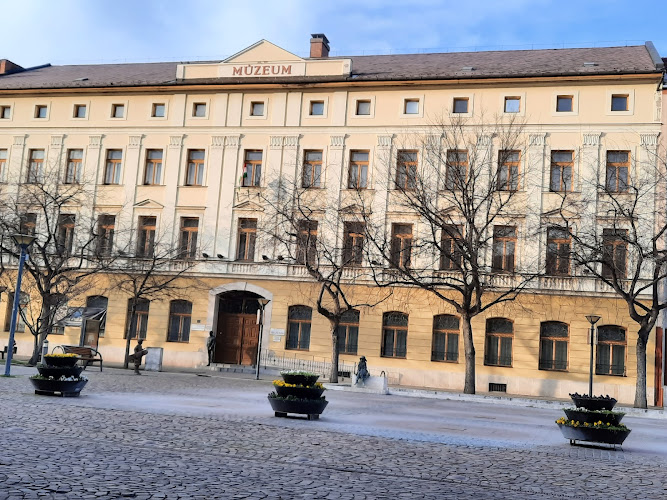
Damjanich János Museum
About Damjanich János Museum
Description
The Damjanich János Museum is one of those hidden gems that really stops you in your tracks if you care about Hungarian history and the stories of everyday life, art, and culture. Set right in the heart of Szolnok, this museum isn’t just a quick place to duck into on a rainy afternoon. It’s a mainstay for the city, alive with connections to the past—sure, with a few quirks and rough edges, but that only adds character.
The museum gets its name from General János Damjanich, a national hero whose remarkable role in the 1848–49 Hungarian Revolution makes him a staple in classrooms all over the country. But don’t let the military connection make you think this place is just glorified old uniforms and dusty medals. The Damjanich János Museum manages to weave together war, peace, art, and anthropology in a surprisingly inviting and approachable way. And honestly, you can see that in the crowds: school groups debating in front of scale models, local families pointing out personal connections, and tourists (like me) who stumble in with only the slightest idea what they’re in for—and walk out feeling like they’ve been let in on a secret.
The exhibits span a wild range, from centuries-old archaeological finds in the Jász-Nagykun-Szolnok county region to some truly fabulous Hungarian art. If you’re into art history, there’s an entire section on the Szolnok Art Colony—a lesser-known but striking period in Hungarian painting that gave the city a reputation as an artists’ haven at the turn of the 20th century.
It’s not all about what’s on the walls, either. The Damjanich János Museum gives you a real sense of local life—what people wore, how they cooked, the tools they used along the waters of the Tisza River. There are rooms dedicated to folk traditions, oral histories, and even the weird odds-and-ends that only a local history museum will save (if you’re lucky, you’ll see some wonderfully odd handmade instruments and bits of river culture you’d be hard pressed to find anywhere else).
And accessibility? Honestly, they’ve nailed a lot of the basics. The entrance and restrooms are wheelchair accessible, and it’s the kind of museum where kids aren’t shushed but actually welcomed—half the fun is watching schoolchildren dash back and forth on scavenger hunts. There’s no in-house restaurant, but right outside Szolnok offers a range of cozy cafés and local classics that more than make up for it.
Key Features
- Rich historical collections showcasing the story of Szolnok and the Hungarian nation from prehistoric times to the present day
- Impressive displays on General János Damjanich and the 1848–49 Hungarian Revolution, complete with personal relics and interactive media
- Extensive local and regional archaeological findings – think ancient tools, ceramics, coins, and even Roman-era artifacts
- Dedicated galleries to the Szolnok Art Colony, putting the spotlight on late 19th and early 20th-century Hungarian art
- Ever-changing temporary exhibitions, often exploring modern Hungarian culture or featuring local artists’ unique perspectives
- Spaces and programs tailored for school visits and kids, making history actually fun (not just another homework assignment!)
- Well-maintained, wheelchair and stroller-friendly facilities throughout the building
- Restrooms available on-site (and clean, which, let’s face it, can be a deciding factor on a long travel day)
- Interpretive signs in Hungarian and English – so yes, you’ll get the story without constantly fumbling for Google Translate
- Convenient location in Szolnok’s city center—an easy stroll from the river, the park, and the best local attractions
Best Time to Visit
If you ask me, there’s really not a bad time of year to check out the Damjanich János Museum—but some seasons stand out. Spring, especially from April through early June, is kind of a sweet spot. Szolnok wakes up with festivals, the sun’s not too harsh, and (trust me) the whole downtown hums with life that spills over from the Tisza riverbank. Autumn is a close second—colorful leaves, mild weather, and fewer crowds give the museum a quieter, almost contemplative feel.
Weekdays mid-morning or early afternoon are best to avoid the local school rush. If you happen to be around for any city celebrations—the Tiszavirág Festival in June, for example—the museum often has special exhibits tied in, so you can see the city and its museum at their best. Just leave time to wander the city center after; everything’s within walking distance and the energy is infectious.
How to Get There
Szolnok is about 100 kilometers southeast of Budapest, making it a very manageable day trip or overnight stop for anyone traveling through central Hungary. If you’re coming from Budapest (as I did once on a whim), trains run regularly—about every half hour—from Budapest’s Nyugati station. The ride’s scenic, with wide fields and glimpses of the river, and only takes about 1–1.5 hours.
From the railway station in Szolnok, you can get to the Damjanich János Museum by public transport (buses or trams) or a 15-minute walk through the city center. Honestly, if you’re able, the walk’s the way to go: you’ll pass the Szolnok water tower, the bustling town hall, and always something unexpected.
For drivers, Szolnok is easily accessible via the M4 motorway, and city traffic is refreshingly manageable. Public parking, including spaces for people with disabilities, is available near the museum and throughout the area. Cyclists will appreciate how bike-friendly the city is, with racks near the entrance and safe routes along the Tisza River.
And here’s a tip: if you’re staying at a local hotel, ask about discount offers for museum admission. Some accommodations partner with the museum, offering bundled experiences that make your foray into history even easier on the wallet.
Tips for Visiting
- Give yourself time to take it slow—at least two hours if you’re an art or history buff, more if you want to see every nook and cranny. The collections are denser than they look at first glance!
- Look out for temporary shows and themed weekends; the museum’s calendar is often full of surprises tied to local events, Hungarian holidays, or important anniversaries.
- If traveling with kids, ask at the front desk about their educational scavenger hunts—it’s a brilliant way to get children excited.
- Photography is usually allowed but skip the flash. Some of the artwork—especially from the Szolnok Art Colony—can be sensitive to light.
- There’s no restaurant inside, but I always suggest trying one of the traditional Hungarian eateries nearby after your visit. The city center and riverside atmosphere make for a memorable meal.
- The museum is wheelchair accessible and considerate of visitors with diverse needs. Still, if you need specific assistance (like audio guides or tactile tours), drop them a line ahead of time—they’re friendly and genuinely helpful.
- Combine your museum trip with a stroll along the Tisza River or a visit to the Szolnok Gallery. The area is compact and full of public art, perfect for exploring at your own pace.
- Don’t skip the small details: folk artifacts, local children’s art, and the model dioramas often reveal more about Szolnok’s soul than the grandest exhibits.
- If you’re in town for longer, check for upcoming lectures, live demonstrations, or guided walks—they often host special programs that give you insider knowledge of Szolnok’s history and culture.
- And finally, remember sometimes the best experience in a history museum comes from chatting with the staff. They’re not only passionate, but often have their own stories about Szolnok’s past that you won’t find in any brochure. Take the plunge and ask questions—you’ll leave with more than you came for, every single time.
Bottom line: the Damjanich János Museum is a central thread in Szolnok’s cultural tapestry. It’s a history museum, an art gallery, a community center, and a spot for quiet reflection and active debate. Whether you’re deep-diving into Hungarian history, looking to see groundbreaking local art, or just exploring a new city and its stories, you’ll find this spot is as engaging as it is welcoming. And in my experience? You’ll probably wish you’d set aside more time.
Key Features
- Rich historical collections showcasing the story of Szolnok and the Hungarian nation from prehistoric times to the present day
- Impressive displays on General János Damjanich and the 1848–49 Hungarian Revolution, complete with personal relics and interactive media
- Extensive local and regional archaeological findings – think ancient tools, ceramics, coins, and even Roman-era artifacts
- Dedicated galleries to the Szolnok Art Colony, putting the spotlight on late 19th and early 20th-century Hungarian art
- Ever-changing temporary exhibitions, often exploring modern Hungarian culture or featuring local artists’ unique perspectives
- Spaces and programs tailored for school visits and kids, making history actually fun (not just another homework assignment!)
- Well-maintained, wheelchair and stroller-friendly facilities throughout the building
- Restrooms available on-site (and clean, which, let’s face it, can be a deciding factor on a long travel day)
More Details
Updated July 12, 2025
Table of Contents
Description
The Damjanich János Museum is one of those hidden gems that really stops you in your tracks if you care about Hungarian history and the stories of everyday life, art, and culture. Set right in the heart of Szolnok, this museum isn’t just a quick place to duck into on a rainy afternoon. It’s a mainstay for the city, alive with connections to the past—sure, with a few quirks and rough edges, but that only adds character.
The museum gets its name from General János Damjanich, a national hero whose remarkable role in the 1848–49 Hungarian Revolution makes him a staple in classrooms all over the country. But don’t let the military connection make you think this place is just glorified old uniforms and dusty medals. The Damjanich János Museum manages to weave together war, peace, art, and anthropology in a surprisingly inviting and approachable way. And honestly, you can see that in the crowds: school groups debating in front of scale models, local families pointing out personal connections, and tourists (like me) who stumble in with only the slightest idea what they’re in for—and walk out feeling like they’ve been let in on a secret.
The exhibits span a wild range, from centuries-old archaeological finds in the Jász-Nagykun-Szolnok county region to some truly fabulous Hungarian art. If you’re into art history, there’s an entire section on the Szolnok Art Colony—a lesser-known but striking period in Hungarian painting that gave the city a reputation as an artists’ haven at the turn of the 20th century.
It’s not all about what’s on the walls, either. The Damjanich János Museum gives you a real sense of local life—what people wore, how they cooked, the tools they used along the waters of the Tisza River. There are rooms dedicated to folk traditions, oral histories, and even the weird odds-and-ends that only a local history museum will save (if you’re lucky, you’ll see some wonderfully odd handmade instruments and bits of river culture you’d be hard pressed to find anywhere else).
And accessibility? Honestly, they’ve nailed a lot of the basics. The entrance and restrooms are wheelchair accessible, and it’s the kind of museum where kids aren’t shushed but actually welcomed—half the fun is watching schoolchildren dash back and forth on scavenger hunts. There’s no in-house restaurant, but right outside Szolnok offers a range of cozy cafés and local classics that more than make up for it.
Key Features
- Rich historical collections showcasing the story of Szolnok and the Hungarian nation from prehistoric times to the present day
- Impressive displays on General János Damjanich and the 1848–49 Hungarian Revolution, complete with personal relics and interactive media
- Extensive local and regional archaeological findings – think ancient tools, ceramics, coins, and even Roman-era artifacts
- Dedicated galleries to the Szolnok Art Colony, putting the spotlight on late 19th and early 20th-century Hungarian art
- Ever-changing temporary exhibitions, often exploring modern Hungarian culture or featuring local artists’ unique perspectives
- Spaces and programs tailored for school visits and kids, making history actually fun (not just another homework assignment!)
- Well-maintained, wheelchair and stroller-friendly facilities throughout the building
- Restrooms available on-site (and clean, which, let’s face it, can be a deciding factor on a long travel day)
- Interpretive signs in Hungarian and English – so yes, you’ll get the story without constantly fumbling for Google Translate
- Convenient location in Szolnok’s city center—an easy stroll from the river, the park, and the best local attractions
Best Time to Visit
If you ask me, there’s really not a bad time of year to check out the Damjanich János Museum—but some seasons stand out. Spring, especially from April through early June, is kind of a sweet spot. Szolnok wakes up with festivals, the sun’s not too harsh, and (trust me) the whole downtown hums with life that spills over from the Tisza riverbank. Autumn is a close second—colorful leaves, mild weather, and fewer crowds give the museum a quieter, almost contemplative feel.
Weekdays mid-morning or early afternoon are best to avoid the local school rush. If you happen to be around for any city celebrations—the Tiszavirág Festival in June, for example—the museum often has special exhibits tied in, so you can see the city and its museum at their best. Just leave time to wander the city center after; everything’s within walking distance and the energy is infectious.
How to Get There
Szolnok is about 100 kilometers southeast of Budapest, making it a very manageable day trip or overnight stop for anyone traveling through central Hungary. If you’re coming from Budapest (as I did once on a whim), trains run regularly—about every half hour—from Budapest’s Nyugati station. The ride’s scenic, with wide fields and glimpses of the river, and only takes about 1–1.5 hours.
From the railway station in Szolnok, you can get to the Damjanich János Museum by public transport (buses or trams) or a 15-minute walk through the city center. Honestly, if you’re able, the walk’s the way to go: you’ll pass the Szolnok water tower, the bustling town hall, and always something unexpected.
For drivers, Szolnok is easily accessible via the M4 motorway, and city traffic is refreshingly manageable. Public parking, including spaces for people with disabilities, is available near the museum and throughout the area. Cyclists will appreciate how bike-friendly the city is, with racks near the entrance and safe routes along the Tisza River.
And here’s a tip: if you’re staying at a local hotel, ask about discount offers for museum admission. Some accommodations partner with the museum, offering bundled experiences that make your foray into history even easier on the wallet.
Tips for Visiting
- Give yourself time to take it slow—at least two hours if you’re an art or history buff, more if you want to see every nook and cranny. The collections are denser than they look at first glance!
- Look out for temporary shows and themed weekends; the museum’s calendar is often full of surprises tied to local events, Hungarian holidays, or important anniversaries.
- If traveling with kids, ask at the front desk about their educational scavenger hunts—it’s a brilliant way to get children excited.
- Photography is usually allowed but skip the flash. Some of the artwork—especially from the Szolnok Art Colony—can be sensitive to light.
- There’s no restaurant inside, but I always suggest trying one of the traditional Hungarian eateries nearby after your visit. The city center and riverside atmosphere make for a memorable meal.
- The museum is wheelchair accessible and considerate of visitors with diverse needs. Still, if you need specific assistance (like audio guides or tactile tours), drop them a line ahead of time—they’re friendly and genuinely helpful.
- Combine your museum trip with a stroll along the Tisza River or a visit to the Szolnok Gallery. The area is compact and full of public art, perfect for exploring at your own pace.
- Don’t skip the small details: folk artifacts, local children’s art, and the model dioramas often reveal more about Szolnok’s soul than the grandest exhibits.
- If you’re in town for longer, check for upcoming lectures, live demonstrations, or guided walks—they often host special programs that give you insider knowledge of Szolnok’s history and culture.
- And finally, remember sometimes the best experience in a history museum comes from chatting with the staff. They’re not only passionate, but often have their own stories about Szolnok’s past that you won’t find in any brochure. Take the plunge and ask questions—you’ll leave with more than you came for, every single time.
Bottom line: the Damjanich János Museum is a central thread in Szolnok’s cultural tapestry. It’s a history museum, an art gallery, a community center, and a spot for quiet reflection and active debate. Whether you’re deep-diving into Hungarian history, looking to see groundbreaking local art, or just exploring a new city and its stories, you’ll find this spot is as engaging as it is welcoming. And in my experience? You’ll probably wish you’d set aside more time.
Key Highlights
- Rich historical collections showcasing the story of Szolnok and the Hungarian nation from prehistoric times to the present day
- Impressive displays on General János Damjanich and the 1848–49 Hungarian Revolution, complete with personal relics and interactive media
- Extensive local and regional archaeological findings – think ancient tools, ceramics, coins, and even Roman-era artifacts
- Dedicated galleries to the Szolnok Art Colony, putting the spotlight on late 19th and early 20th-century Hungarian art
- Ever-changing temporary exhibitions, often exploring modern Hungarian culture or featuring local artists’ unique perspectives
- Spaces and programs tailored for school visits and kids, making history actually fun (not just another homework assignment!)
- Well-maintained, wheelchair and stroller-friendly facilities throughout the building
- Restrooms available on-site (and clean, which, let’s face it, can be a deciding factor on a long travel day)
Location
Places to Stay Near Damjanich János Museum
Find and Book a Tour
Explore More Travel Guides
No reviews found! Be the first to review!
Traveler Reviews for Damjanich János Museum
There are no reviews yet. Be the first one to write one.
Have you visited Damjanich János Museum? Help other travelers by sharing your review.
You Might Also Like
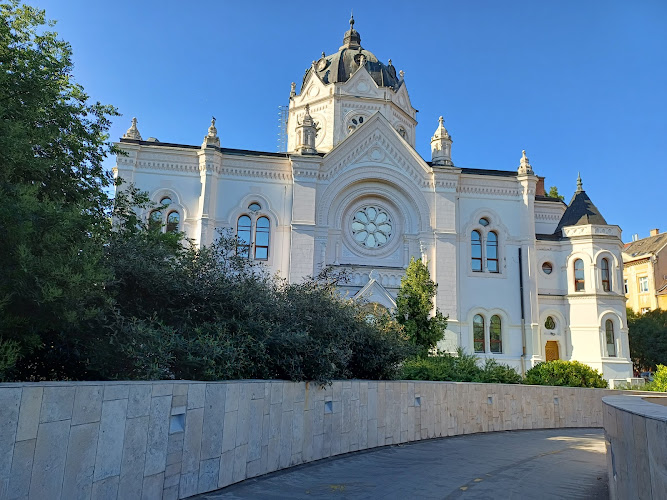
Szolnok gallery
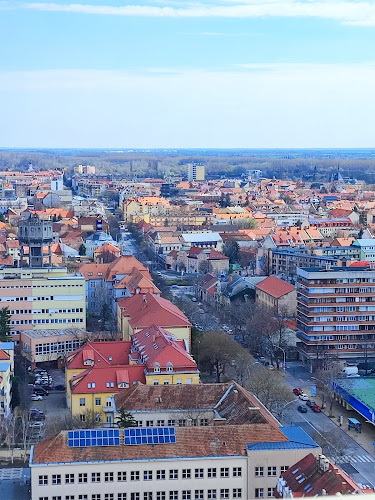
Szolnoki toronyház
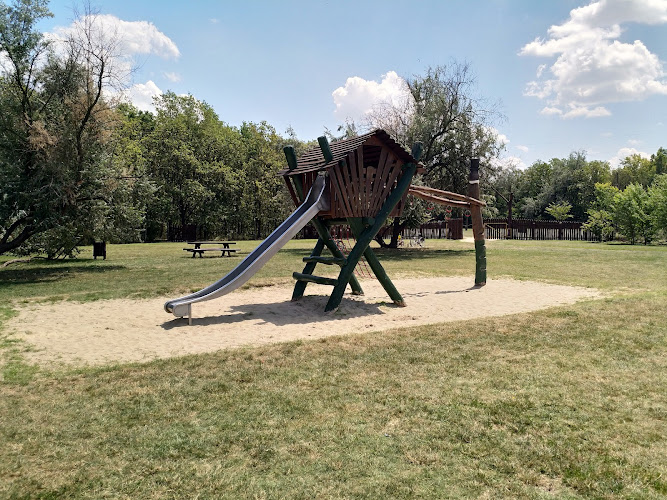
Bagolyvár Vadaspark
Find Accommodations Nearby
Recommended Tours & Activities
Visitor Reviews
There are no reviews yet. Be the first one to write one.
Share Your Experience
Have you visited Damjanich János Museum? Help other travelers by leaving a review.