
Cyclisk
About Cyclisk
Description
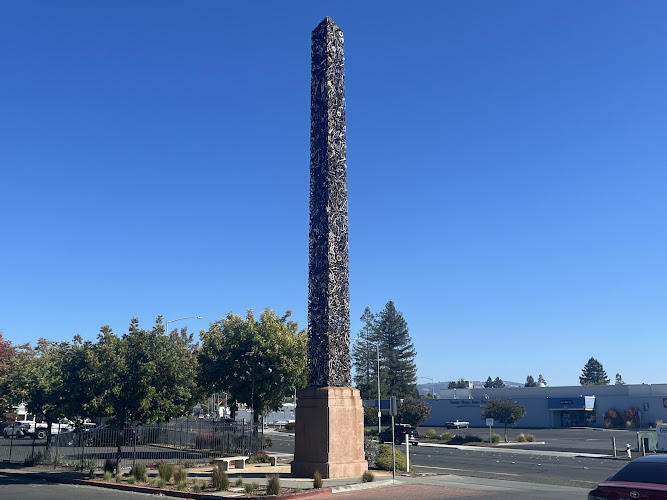
The Cyclisk is one of those attractions that sneaks up on you. You don’t arrive expecting to feel much, and then suddenly you’re standing there craning your neck, squinting into the sky, trying to count bike parts stacked higher than your brain can comfortably process. Rising about 65 feet, this towering column was completed in 2010 and built from roughly 340 recycled bicycle gears, hoops, rims, and frames. And yes, it really does look like a giant mechanical spine that escaped from a mad inventor’s garage.
It’s classified as a sculpture, sure, but calling it just a sculpture feels a bit flat. Cyclisk feels more like a statement, or maybe a question mark. It asks what we do with the stuff we discard. It nudges you to think about movement, sustainability, and how bikes quietly shape urban life. I remember the first time I saw it, I laughed out loud. Not because it was silly, but because it was bold enough to be weird. And weird, in travel, is often where the good memories hide.
Travelers tend to react in different ways. Some folks stare in awe, snapping photos from every angle like it might change shape if they stop looking. Others shrug and say, huh, okay, and move on. That mix is kind of the point. Cyclisk isn’t begging for universal approval. It stands there confidently, gears exposed, metal catching the light, perfectly fine if you don’t fall in love at first glance.
What makes it especially interesting is the use of recycled bicycle parts. If you’ve ever owned a bike you loved, wrecked a bike you hated, or abandoned one in a garage thinking you’d fix it someday (guilty), there’s an odd emotional pull. These pieces had past lives. They rolled on streets, probably carried kids to school or someone late to work. Now they’re frozen mid-motion, reaching upward.
And yes, it’s very accessible. The area around it allows wheelchair access, both at the entrance and parking, which I always notice because it changes who gets to enjoy public art. No stairs to conquer, no awkward gravel paths. You roll right up, no problem. That alone makes Cyclisk feel more welcoming than a lot of large-scale sculptures that forget real people have real bodies.
Key Features
- 65-foot-tall vertical sculpture that’s hard to ignore once you spot it
- Constructed from approximately 340 recycled bicycle gears, rims, hoops, and frames
- Completed in 2010, reflecting early large-scale eco-conscious public art
- Industrial, whimsical design that rewards close-up inspection
- Highly photogenic, especially when light hits the metal just right
- Wheelchair accessible entrance and parking, which is honestly a big win
- Open-air setting, making it easy to combine with a casual stroll or bike ride
One detail people often miss is how different it looks depending on where you stand. Up close, it’s all bolts and scars and grease-stained history. From farther back, it becomes almost elegant, like a needle stitching the sky. I once spent a good ten minutes just circling it, which sounds excessive until you’re there doing the same thing.
Best Time to Visit
The Cyclisk is technically always available, which is great for travelers who hate strict schedules. But timing does change the experience. Early morning is my personal favorite. The light is softer, the metal doesn’t glare as much, and there’s a calmness that lets you actually think about what you’re seeing. Plus, fewer people means fewer accidental photo-bombers.
Late afternoon and early evening are popular for a reason. The sculpture catches warmer tones then, and shadows from the bike parts create patterns that feel almost alive. If you’re into photography, this is when you’ll probably get your best shots. Just be patient. I’ve seen people rush, snap one photo, and leave. That’s like ordering a great meal and only eating the bread.
Seasonally, it’s forgiving. Summer brings energy and activity around the site, but it can get hot, and that metal does soak up the sun. Spring and fall are sweet spots, with comfortable temperatures and clearer skies. Winter visits can feel stark and quiet, which actually suits the industrial vibe. Bundle up and it feels contemplative, almost solemn.
Weekdays are calmer than weekends. If you want space to wander, think, or let kids explore without herding them like cats, aim for a weekday visit. But if you enjoy overhearing snippets of conversation from other travelers reacting in real time, weekends add a bit of social texture.
How to Get There
Getting to the Cyclisk is generally straightforward, which is refreshing because some public art feels hidden on purpose. It’s well integrated into its surroundings and approachable whether you’re arriving by car, bike, or on foot. Cyclists, in particular, seem drawn to it like moths to a very metallic flame. There’s something poetic about arriving on a bike to see a monument made from bikes.
If you’re driving, access is simple and the parking setup accommodates visitors with mobility needs. That’s not always a given, so it’s worth mentioning again. For walkers, it’s an easy add-on to a day of exploring nearby attractions. You don’t need to plan a whole afternoon around it unless you want to.
Public transportation options nearby make it doable without a car, depending on your route. And honestly, pairing it with a short walk or ride enhances the experience. It sets the mood. You’re already thinking about movement, gears turning, legs pedaling. Then boom, there it is, towering above you.
Tips for Visiting
First tip, and I say this gently: don’t rush. Cyclisk isn’t an amusement ride. Give it at least 15 or 20 minutes. Walk around it. Look up. Look closely. You’ll start spotting specific bike parts and wondering who rode them last.
Second, bring a camera or make sure your phone’s charged. Even if you think you’re not a photo person, this sculpture has a way of changing minds. Try low angles, try stepping back, try framing it against clouds. And if you’re traveling with kids, turn it into a game. Ask them to find the weirdest gear or the most bent rim.
Third, be prepared for mixed reactions. If you’re traveling with someone who prefers traditional landmarks, they might not get it. That’s okay. Art like this isn’t about universal applause. It’s about sparking something, even if that something is confusion. I’ve had better conversations arguing about a sculpture than politely agreeing about a postcard view.
Fourth, consider accessibility needs ahead of time if you’re traveling with someone who uses a wheelchair or has limited mobility. The Cyclisk does a solid job here, and that peace of mind makes the visit smoother. No awkward detours or apologies needed.
Finally, pair it with context. Think about sustainability, recycling, and urban transportation. This sculpture quietly champions reuse without preaching. And in a world where everything shouts, that restraint feels refreshing.
One last personal note. I’ve visited plenty of famous attractions that left me cold, and a handful of oddball ones that stuck with me for years. Cyclisk falls into that second category. It’s not perfect, it’s not universally adored, and maybe that’s why it works. If you go in curious rather than expectant, you’ll probably walk away smiling, or at least thinking. And that’s a pretty good outcome for a pile of old bike parts reaching for the sky.
Key Features
- 65-foot-tall vertical sculpture that’s hard to ignore once you spot it
- Constructed from approximately 340 recycled bicycle gears, rims, hoops, and frames
- Completed in 2010, reflecting early large-scale eco-conscious public art
- Industrial, whimsical design that rewards close-up inspection
- Highly photogenic, especially when light hits the metal just right
- Wheelchair accessible entrance and parking, which is honestly a big win
- Open-air setting, making it easy to combine with a casual stroll or bike ride
More Details
Updated January 1, 2026
Table of Contents
Description
The Cyclisk is one of those attractions that sneaks up on you. You don’t arrive expecting to feel much, and then suddenly you’re standing there craning your neck, squinting into the sky, trying to count bike parts stacked higher than your brain can comfortably process. Rising about 65 feet, this towering column was completed in 2010 and built from roughly 340 recycled bicycle gears, hoops, rims, and frames. And yes, it really does look like a giant mechanical spine that escaped from a mad inventor’s garage.
It’s classified as a sculpture, sure, but calling it just a sculpture feels a bit flat. Cyclisk feels more like a statement, or maybe a question mark. It asks what we do with the stuff we discard. It nudges you to think about movement, sustainability, and how bikes quietly shape urban life. I remember the first time I saw it, I laughed out loud. Not because it was silly, but because it was bold enough to be weird. And weird, in travel, is often where the good memories hide.
Travelers tend to react in different ways. Some folks stare in awe, snapping photos from every angle like it might change shape if they stop looking. Others shrug and say, huh, okay, and move on. That mix is kind of the point. Cyclisk isn’t begging for universal approval. It stands there confidently, gears exposed, metal catching the light, perfectly fine if you don’t fall in love at first glance.
What makes it especially interesting is the use of recycled bicycle parts. If you’ve ever owned a bike you loved, wrecked a bike you hated, or abandoned one in a garage thinking you’d fix it someday (guilty), there’s an odd emotional pull. These pieces had past lives. They rolled on streets, probably carried kids to school or someone late to work. Now they’re frozen mid-motion, reaching upward.
And yes, it’s very accessible. The area around it allows wheelchair access, both at the entrance and parking, which I always notice because it changes who gets to enjoy public art. No stairs to conquer, no awkward gravel paths. You roll right up, no problem. That alone makes Cyclisk feel more welcoming than a lot of large-scale sculptures that forget real people have real bodies.
Key Features
- 65-foot-tall vertical sculpture that’s hard to ignore once you spot it
- Constructed from approximately 340 recycled bicycle gears, rims, hoops, and frames
- Completed in 2010, reflecting early large-scale eco-conscious public art
- Industrial, whimsical design that rewards close-up inspection
- Highly photogenic, especially when light hits the metal just right
- Wheelchair accessible entrance and parking, which is honestly a big win
- Open-air setting, making it easy to combine with a casual stroll or bike ride
One detail people often miss is how different it looks depending on where you stand. Up close, it’s all bolts and scars and grease-stained history. From farther back, it becomes almost elegant, like a needle stitching the sky. I once spent a good ten minutes just circling it, which sounds excessive until you’re there doing the same thing.
Best Time to Visit
The Cyclisk is technically always available, which is great for travelers who hate strict schedules. But timing does change the experience. Early morning is my personal favorite. The light is softer, the metal doesn’t glare as much, and there’s a calmness that lets you actually think about what you’re seeing. Plus, fewer people means fewer accidental photo-bombers.
Late afternoon and early evening are popular for a reason. The sculpture catches warmer tones then, and shadows from the bike parts create patterns that feel almost alive. If you’re into photography, this is when you’ll probably get your best shots. Just be patient. I’ve seen people rush, snap one photo, and leave. That’s like ordering a great meal and only eating the bread.
Seasonally, it’s forgiving. Summer brings energy and activity around the site, but it can get hot, and that metal does soak up the sun. Spring and fall are sweet spots, with comfortable temperatures and clearer skies. Winter visits can feel stark and quiet, which actually suits the industrial vibe. Bundle up and it feels contemplative, almost solemn.
Weekdays are calmer than weekends. If you want space to wander, think, or let kids explore without herding them like cats, aim for a weekday visit. But if you enjoy overhearing snippets of conversation from other travelers reacting in real time, weekends add a bit of social texture.
How to Get There
Getting to the Cyclisk is generally straightforward, which is refreshing because some public art feels hidden on purpose. It’s well integrated into its surroundings and approachable whether you’re arriving by car, bike, or on foot. Cyclists, in particular, seem drawn to it like moths to a very metallic flame. There’s something poetic about arriving on a bike to see a monument made from bikes.
If you’re driving, access is simple and the parking setup accommodates visitors with mobility needs. That’s not always a given, so it’s worth mentioning again. For walkers, it’s an easy add-on to a day of exploring nearby attractions. You don’t need to plan a whole afternoon around it unless you want to.
Public transportation options nearby make it doable without a car, depending on your route. And honestly, pairing it with a short walk or ride enhances the experience. It sets the mood. You’re already thinking about movement, gears turning, legs pedaling. Then boom, there it is, towering above you.
Tips for Visiting
First tip, and I say this gently: don’t rush. Cyclisk isn’t an amusement ride. Give it at least 15 or 20 minutes. Walk around it. Look up. Look closely. You’ll start spotting specific bike parts and wondering who rode them last.
Second, bring a camera or make sure your phone’s charged. Even if you think you’re not a photo person, this sculpture has a way of changing minds. Try low angles, try stepping back, try framing it against clouds. And if you’re traveling with kids, turn it into a game. Ask them to find the weirdest gear or the most bent rim.
Third, be prepared for mixed reactions. If you’re traveling with someone who prefers traditional landmarks, they might not get it. That’s okay. Art like this isn’t about universal applause. It’s about sparking something, even if that something is confusion. I’ve had better conversations arguing about a sculpture than politely agreeing about a postcard view.
Fourth, consider accessibility needs ahead of time if you’re traveling with someone who uses a wheelchair or has limited mobility. The Cyclisk does a solid job here, and that peace of mind makes the visit smoother. No awkward detours or apologies needed.
Finally, pair it with context. Think about sustainability, recycling, and urban transportation. This sculpture quietly champions reuse without preaching. And in a world where everything shouts, that restraint feels refreshing.
One last personal note. I’ve visited plenty of famous attractions that left me cold, and a handful of oddball ones that stuck with me for years. Cyclisk falls into that second category. It’s not perfect, it’s not universally adored, and maybe that’s why it works. If you go in curious rather than expectant, you’ll probably walk away smiling, or at least thinking. And that’s a pretty good outcome for a pile of old bike parts reaching for the sky.
Key Highlights
- 65-foot-tall vertical sculpture that’s hard to ignore once you spot it
- Constructed from approximately 340 recycled bicycle gears, rims, hoops, and frames
- Completed in 2010, reflecting early large-scale eco-conscious public art
- Industrial, whimsical design that rewards close-up inspection
- Highly photogenic, especially when light hits the metal just right
- Wheelchair accessible entrance and parking, which is honestly a big win
- Open-air setting, making it easy to combine with a casual stroll or bike ride
Location
Places to Stay Near Cyclisk
Find and Book a Tour
Explore More Travel Guides
No reviews found! Be the first to review!
Traveler Reviews for Cyclisk
There are no reviews yet. Be the first one to write one.
Have you visited Cyclisk? Help other travelers by sharing your review.
You Might Also Like
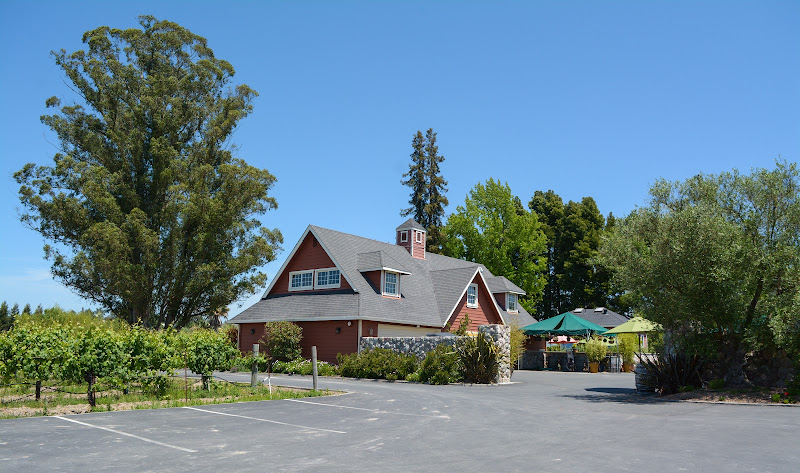
Harvest Moon Estate & Winery
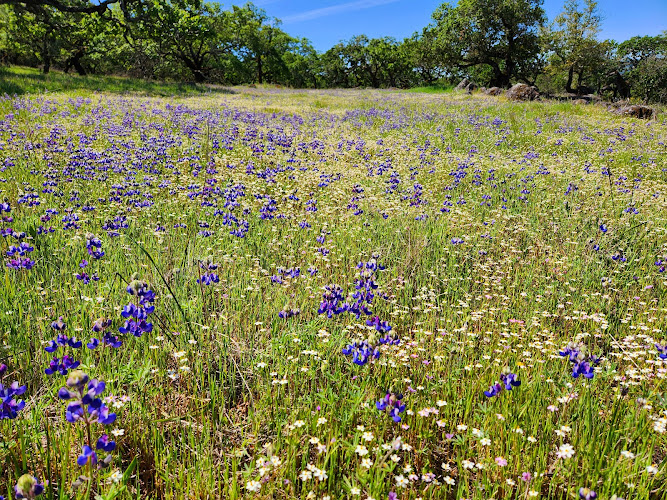
Trione-Annadel State Park
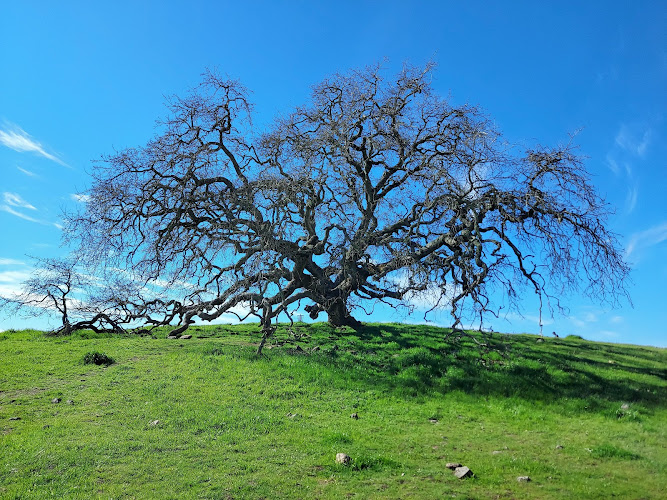
Crane Creek Regional Park
Find Accommodations Nearby
Recommended Tours & Activities
Visitor Reviews
There are no reviews yet. Be the first one to write one.
Share Your Experience
Have you visited Cyclisk? Help other travelers by leaving a review.