
Crisologo
About Crisologo
Description
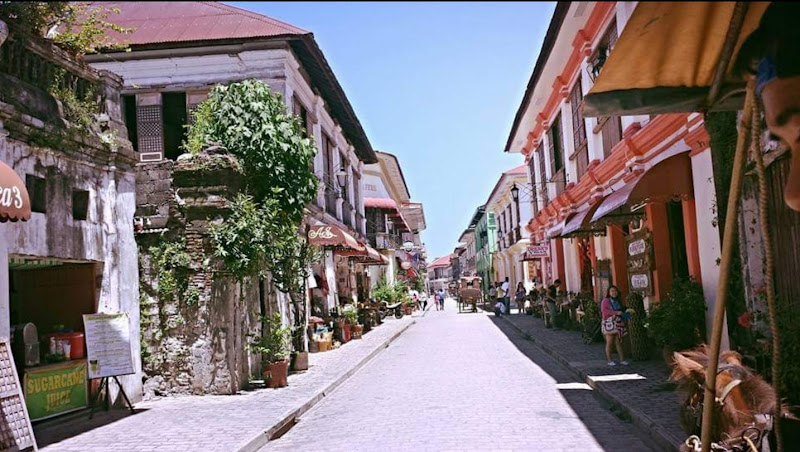
Step onto Crisologo and you'll instantly feel transported back in time - I certainly did when I first wandered down this enchanting street. The weathered cobblestones beneath your feet tell stories of centuries past, while preserved Spanish colonial mansions line both sides of this historic thoroughfare. The street stands as a living museum of Philippine-Hispanic architecture, where every building facade seems to whisper tales from the 18th and 19th centuries. What really caught my eye were the intricate woodwork details on the ancestral houses, their capiz shell windows gleaming in the sunlight. Local artists often set up their easels here, trying to capture the timeless beauty that makes this street so special. I've noticed how the afternoon light creates the most magical shadows across the antique walls - definitely worth capturing on camera.Key Features
• Heritage houses showcasing Spanish colonial architecture with distinctive balusters and ventanillas • Traditional calesa horse-drawn carriages offering rides along the cobblestone street • Boutique hotels housed in restored mansions • Artisanal craft shops selling local handicrafts and souvenirs • Quaint cafes and restaurants serving both local and international cuisine • Museums displaying artifacts and photographs from the colonial era • Original stone walls and street layouts from the Spanish period • Traditional Filipino-Hispanic architecture with distinctive features like sliding capiz shell windows • Period street lamps that light up beautifully at dusk • Art galleries featuring works by local artistsBest Time to Visit
Having explored this street during different seasons, I'd say the sweet spot for visiting is between November and February. The weather tends to be cooler and more pleasant for walking tours. Early mornings around 7-9 AM are particularly magical - that's when you'll catch the street coming to life as shop owners open their stores and the morning light creates stunning photo opportunities. December brings an extra special atmosphere with Christmas decorations adorning the colonial buildings. Though honestly, sunset hours any time of year are remarkable here. The golden hour bathes the old walls in warm light, while the evening brings a romantic ambiance as the traditional street lamps flicker to life.How to Get There
Getting to Crisologo is pretty straightforward. If you're coming from Manila, you can take a direct flight to Laoag International Airport. From there, it's about an hour's drive south. Many visitors opt for private car services or organized tours, but public transportation is available too. Local buses regularly run to the area, though I personally prefer hiring a trusted driver for the day - it gives you more flexibility to explore at your own pace. Once you're in the vicinity, the street is easily accessible on foot from most nearby hotels and landmarks.Tips for Visiting
After several visits to this historic gem, I've picked up some helpful insights worth sharing. Wear comfortable walking shoes - those charming cobblestones can be tricky to navigate in fancy footwear. Bring a water bottle and sun protection, especially if you're planning to explore during midday hours. The best photos happen early morning or late afternoon when the light is softer and there are fewer people around. Many shops close for lunch between 12-2 PM, so plan your shopping accordingly. Don't shy away from the side streets either - some of the most interesting architectural details and local life can be found just off the main strip. Make time to chat with local shop owners - they often share fascinating stories about the street's history that you won't find in any guidebook. Some of my favorite discoveries came from these spontaneous conversations. And yes, while those calesa rides might seem touristy, they actually offer a unique perspective of the architecture you might miss on foot. Consider joining a guided walking tour early in your visit - it'll help you appreciate the historical significance of various buildings and spots you might otherwise walk past. If you're into photography, bring a wide-angle lens to capture the grandeur of the colonial buildings. Last but not least, carry cash - while some larger establishments accept cards, many smaller shops and cafes prefer cash payments. Oh, and here's a local secret - there's a small bakery halfway down the street that makes amazing pan de sal (Filipino breakfast rolls) early in the morning. Trust me, the aroma alone is worth the early wake-up call!Key Features
- Key Features
- Best Time to Visit
- How to Get There
- Tips for Visiting
More Details
Updated May 20, 2025
Table of Contents
Description
Step onto Crisologo and you’ll instantly feel transported back in time – I certainly did when I first wandered down this enchanting street. The weathered cobblestones beneath your feet tell stories of centuries past, while preserved Spanish colonial mansions line both sides of this historic thoroughfare. The street stands as a living museum of Philippine-Hispanic architecture, where every building facade seems to whisper tales from the 18th and 19th centuries.
What really caught my eye were the intricate woodwork details on the ancestral houses, their capiz shell windows gleaming in the sunlight. Local artists often set up their easels here, trying to capture the timeless beauty that makes this street so special. I’ve noticed how the afternoon light creates the most magical shadows across the antique walls – definitely worth capturing on camera.
Key Features
• Heritage houses showcasing Spanish colonial architecture with distinctive balusters and ventanillas
• Traditional calesa horse-drawn carriages offering rides along the cobblestone street
• Boutique hotels housed in restored mansions
• Artisanal craft shops selling local handicrafts and souvenirs
• Quaint cafes and restaurants serving both local and international cuisine
• Museums displaying artifacts and photographs from the colonial era
• Original stone walls and street layouts from the Spanish period
• Traditional Filipino-Hispanic architecture with distinctive features like sliding capiz shell windows
• Period street lamps that light up beautifully at dusk
• Art galleries featuring works by local artists
Best Time to Visit
Having explored this street during different seasons, I’d say the sweet spot for visiting is between November and February. The weather tends to be cooler and more pleasant for walking tours. Early mornings around 7-9 AM are particularly magical – that’s when you’ll catch the street coming to life as shop owners open their stores and the morning light creates stunning photo opportunities.
December brings an extra special atmosphere with Christmas decorations adorning the colonial buildings. Though honestly, sunset hours any time of year are remarkable here. The golden hour bathes the old walls in warm light, while the evening brings a romantic ambiance as the traditional street lamps flicker to life.
How to Get There
Getting to Crisologo is pretty straightforward. If you’re coming from Manila, you can take a direct flight to Laoag International Airport. From there, it’s about an hour’s drive south. Many visitors opt for private car services or organized tours, but public transportation is available too.
Local buses regularly run to the area, though I personally prefer hiring a trusted driver for the day – it gives you more flexibility to explore at your own pace. Once you’re in the vicinity, the street is easily accessible on foot from most nearby hotels and landmarks.
Tips for Visiting
After several visits to this historic gem, I’ve picked up some helpful insights worth sharing. Wear comfortable walking shoes – those charming cobblestones can be tricky to navigate in fancy footwear. Bring a water bottle and sun protection, especially if you’re planning to explore during midday hours.
The best photos happen early morning or late afternoon when the light is softer and there are fewer people around. Many shops close for lunch between 12-2 PM, so plan your shopping accordingly. Don’t shy away from the side streets either – some of the most interesting architectural details and local life can be found just off the main strip.
Make time to chat with local shop owners – they often share fascinating stories about the street’s history that you won’t find in any guidebook. Some of my favorite discoveries came from these spontaneous conversations. And yes, while those calesa rides might seem touristy, they actually offer a unique perspective of the architecture you might miss on foot.
Consider joining a guided walking tour early in your visit – it’ll help you appreciate the historical significance of various buildings and spots you might otherwise walk past. If you’re into photography, bring a wide-angle lens to capture the grandeur of the colonial buildings. Last but not least, carry cash – while some larger establishments accept cards, many smaller shops and cafes prefer cash payments.
Oh, and here’s a local secret – there’s a small bakery halfway down the street that makes amazing pan de sal (Filipino breakfast rolls) early in the morning. Trust me, the aroma alone is worth the early wake-up call!
Key Highlights
- Key Features
- Best Time to Visit
- How to Get There
- Tips for Visiting
Location
Places to Stay Near Crisologo
Find and Book a Tour
Explore More Travel Guides
No reviews found! Be the first to review!
Traveler Reviews for Crisologo
There are no reviews yet. Be the first one to write one.
Have you visited Crisologo? Help other travelers by sharing your review.
You Might Also Like

Vigan Bell tower
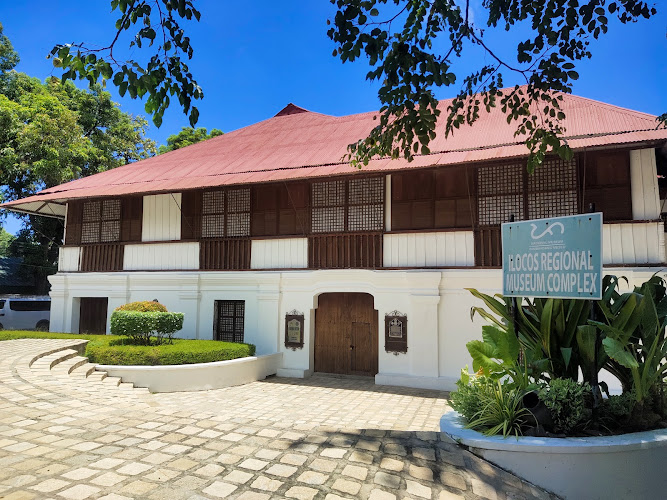
National Museum of the Philippines Ilocos Regional Complex

Plaza V Singson Encarnacion
Find Accommodations Nearby
Recommended Tours & Activities
Visitor Reviews
There are no reviews yet. Be the first one to write one.
Share Your Experience
Have you visited Crisologo? Help other travelers by leaving a review.