
Crich Tramway Village
About Crich Tramway Village
Key Features
More Details
Updated June 11, 2025
## Crich Tramway Village (National Tramway Museum): what to expect, how to plan, and what most guides miss
Crich Tramway Village is the public-facing name of the National Tramway Museum in Crich, Derbyshire (Peak District)—an open-air transport museum built around a reconstructed period street, exhibitions, workshops, and a large working collection of historic trams.
If you like places where the “museum” part is hands-on—vehicles moving, engineers restoring, streetscapes you can wander—this is one of the UK’s better examples. It’s also easier to enjoy as a general day out than many transport museums, because the setting is deliberately immersive: you’re not just looking at objects; you’re moving through a recreated environment built to run them.
—
## What it is (and what makes it different)
Crich isn’t a static display. The museum’s collection is recognised as nationally significant, and the site is designed so that many trams operate—running through the village streetscape and out into countryside views.
A few specifics you can rely on:
– The museum was established in 1963.
– It’s a transport museum in Crich, Derbyshire, England, run by the Tramway Museum Society (operating as Crich Tramway Village).
– The site includes a reconstructed historic village environment (e.g., a period-style street scene and visitor facilities like a café and shop elements described by the museum).
—
## The core experience: riding working vintage trams
The signature activity is straightforward: you ride operational heritage trams as part of your visit, rather than just viewing them. The museum explicitly positions tram rides as a central part of exploring the site. Peak District & Derbyshire
What many visitors underestimate is how this changes the pacing of the day:
– You’ll naturally do the site in loops: ride → explore a “stop” area → return → catch another tram.
– Photo timing matters: if you want quieter street shots, arriving earlier tends to reduce the “people in frame” problem (this is practical observation, not a guarantee—events and holidays change the crowd profile).
– Weather changes the feel: because it’s an open-air museum, the same site can feel like a breezy walk one day and a fully committed outdoors day the next.
—
## Planning basics: tickets, seasons, and the “check before you go” warning
Ticket pricing and opening dates are seasonal and change over time, so the only safe advice is: use the museum’s official ticket/opening information right before your visit. The official ticket page shows examples of pricing (e.g., online pre-booked adult/child rates).
### Important “outdated data” flag
Some third-party listings can be wrong or stale. For example, one large review site currently displays a message claiming the attraction is “temporarily closed until Saturday 14th March 2026.” That may reflect a seasonal closure or an unverified listing state; treat it as not authoritative compared with the museum’s own opening information.
Practical move: if you’re planning around a tight itinerary (Peak District weekend, Matlock area base, etc.), always trust the museum’s site first for dates/times.
—
## How to get there (and a public-transport reality check)
The museum provides detailed “How to find us” guidance, including seasonal opening times by year/season on that page.
If you’re arriving by rail, one of the museum’s own accessibility documents notes:
– The nearest railway station is Whatstandwell (Derby–Matlock line), and it also cautions that there is no bus service from that station with an approximate walk mentioned.
That detail matters because it changes your planning:
– If you’re car-free, Matlock/Derby connections + taxi may be more realistic than attempting a station-to-museum walk (especially with kids, mobility needs, or wet weather).
– If you drive, you can treat Crich as a clean add-on to a broader Derbyshire day (Matlock Bath, Heights of Abraham area, Cromford/Whatstandwell corridor, etc.—choose based on your interests).
—
## Accessibility and inclusivity: what the museum states
Crich Tramway Village publishes specific accessibility commitments. Key points they state include:
– Access ramps or lifts to all visitor facilities.
– A “smoothway” route offering a smoother alternative to cobbles for wheelchairs and buggies.
– An access tram is available twice daily if requested on arrival (per a third-party access information listing); treat times and availability as something to confirm on the day with admissions. Card
Because this is a heritage site with historic vehicles and a period streetscape, accessibility can be a mix of “well-supported in facilities” plus “variable on individual vehicles.” The practical best practice is to use the museum’s accessibility page and ask staff on arrival about which trams are running and what’s easiest that day.
—
## What to do beyond the trams (so the day doesn’t blur together)
Even if trams are the headline, the broader visit usually lands best when you deliberately add two more layers:
### 1) Exhibitions + restoration viewing
The Peak District visitor listing highlights exhibits and a Workshop Viewing Gallery where you can watch restoration work. Peak District & Derbyshire
This is the “why it matters” piece: it turns the site from a nostalgia ride into a living conservation project.
### 2) Period street details and interiors
The reconstructed street setting is part of the museum’s identity (public house/café/sweetshop are specifically mentioned in overview descriptions).
Even if you’re not a transport enthusiast, this is where you get the atmosphere—signage, street furniture, shopfront feel, and the way sound carries when trams arrive.
—
## A simple itinerary that works for most visitors
If you have 2–3 hours
– Do one full tram ride loop.
– Prioritise the street and one exhibition area.
– Finish with the workshop viewing element (it’s usually a good “final stop” because you can dip in and out). Peak District & Derbyshire
If you have half a day
– Ride multiple trams (different cars feel different).
– Split the site: street first, then exhibitions, then ride again later.
– Build in a café stop so you’re not rushing between ride times.
If you’re visiting with mixed ages or mobility needs
– Use the smoothway route and check access-tram options right after arrival.
—
## Two contextual internal links to add (site-dependent)
If RealJourneyTravels.com already has these hub pages, these are the most natural “reader-helpful” placements in this article:
– Link “Peak District day trips” → your Peak District hub/category page (place it in the How to get there section).
– Link “Best things to do in Derbyshire” → your Derbyshire hub/category page (place it in the Itinerary section).
(These are conditional editorial placements, not claims about your site’s existing URLs.)
—
## Quick facts (from your listing)
– Name: Crich Tramway Village (National Tramway Museum)
– Address: Crich, Matlock DE4 5DP, United Kingdom
– Coordinates: 53.0904919, -1.4859404 (as provided)
– Rating: 4.6 (as provided)
– Type: Tourist attraction / transport museum
If you want, paste 2–3 internal URLs you do have (Peak District, Derbyshire, Matlock, or UK open-air museums) and I’ll stitch them into the copy as clean, natural in-line links.
Table of Contents
Key Highlights
Crich Tramway Village
Location
Places to Stay Near Crich Tramway Village"Lots of other thing to do and see on site."
Find and Book a Tour
Explore More Travel Guides
No reviews found! Be the first to review!
Traveler Reviews for Crich Tramway Village
There are no reviews yet. Be the first one to write one.
Have you visited Crich Tramway Village? Help other travelers by sharing your review.
You Might Also Like
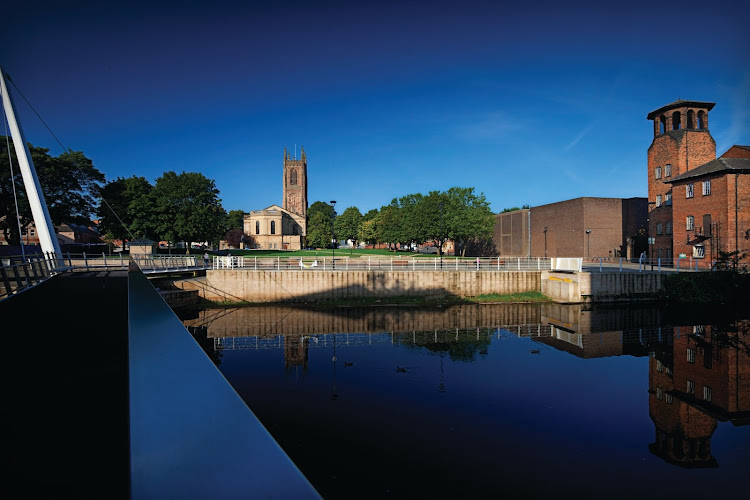
Derby Cathedral

Bluebell Dairy Ice Cream Farm

East Midlands Aeropark
Find Accommodations Nearby
Recommended Tours & Activities
Visitor Reviews
There are no reviews yet. Be the first one to write one.
Share Your Experience
Have you visited Crich Tramway Village? Help other travelers by leaving a review.