
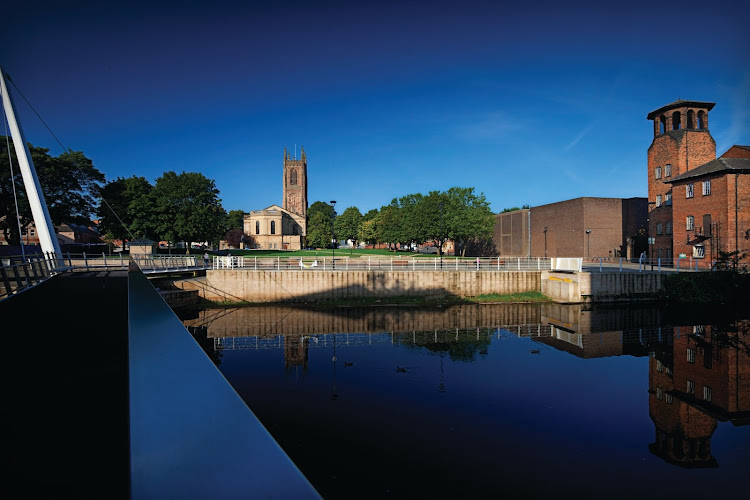
Derby Cathedral
About Derby Cathedral
Description
Derby Cathedral, officially known as the Cathedral Church of All Saints, stands with quiet dignity in the heart of Derby City Centre. It’s one of those places that surprises you—not just for its height or its beauty, but for how full of life it feels inside. This Gothic-style church, which became a cathedral in the 20th century, has a history that goes way back long before Derbyshire was known for rolling countryside walks and craft breweries.
The cathedral’s 16th-century tower—tall, deliberate, and intricately detailed—remains one of the most striking features of the city skyline. Standing before it, you’re reminded that England’s love affair with stone craftsmanship reaches deep into its past. The tower itself, home to one of the world’s oldest rings of ten bells still in regular use, rewards those who climb the 189 steps with panoramic views across the Derwent Valley and the surrounding rooftops. It’s not an easy climb (I won’t lie, your legs will feel it), but when you reach the top, and the wind hits your face, it’s all worth it.
Inside, the building radiates a calm, reverent atmosphere. The nave stretches in graceful symmetry, leading visitors toward the beautifully crafted wrought iron screen by Robert Bakewell, a masterpiece of 18th-century ironwork that gleams faintly even on the greyest of days. You can almost picture Bakewell’s hands hammering and twisting the metal into this ornate beauty centuries ago. Light filters through stained-glass windows designed by 20th-century artist Ceri Richards, filling the interior with soft, moving color. Every window tells a story—a mixture of traditional religious imagery and thoughtful modern design.
Derby Cathedral’s mix of medieval and Georgian architecture gives it an unusual charm. Unlike some of the grander cathedrals in England, it doesn’t overwhelm you with size but rather invites you to slow down. Walk around a bit, listen to the sounds of people murmuring their thoughts or the choir rehearsing (if you’re lucky enough to catch that), and you’ll soon understand why it’s considered not just a religious site, but a community hub. Services, concerts, art installations, and lectures regularly fill its calendar, keeping the space vibrant while respecting its spiritual roots.
Among its treasures lies the tomb of Bess of Hardwick, the powerful Tudor noblewoman associated with nearby Hardwick Hall. It’s a discreet but fascinating corner of the cathedral—a reminder that the people who shaped English history often had deep ties to Derbyshire’s soil.
Even the slightly uneven flagstone floors and the faint scent of polished wood add to the authenticity of the space. Derby Cathedral may not be the largest in England or the most ornate, but it’s elegantly unpretentious. A visit here offers a glimpse into centuries of faith, craftsmanship, and community resilience that have defined the city.
Key Features
- 16th-century gothic tower: The cathedral’s tower, completed around 1530, dominates Derby’s skyline and includes an observation platform reached via 189 winding steps.
- Historic bells: Holds one of the oldest sets of ten bells in the world, still rung regularly by skilled bellringers.
- Wrought iron rood screen: A magnificent 18th-century creation by Robert Bakewell, admired for its intricate craftsmanship.
- Stained glass windows: Modern designs by Welsh artist Ceri Richards bring a surprising contemporary touch to the historic interior.
- Tomb of Bess of Hardwick: The resting place of one of England’s most famous Elizabethan figures.
- Active worship and music: Home to a strong choral tradition and frequent live music and organ performances.
- Accessibility features: Wheelchair-accessible entrances, restrooms, and parking are available for visitors.
- Community events: Beyond worship, the cathedral hosts weddings, lectures, art exhibitions, and festivals throughout the year.
Best Time to Visit
Technically, Derby Cathedral is open most of the year, and honestly, every season has its own kind of charm. Personally, spring and early summer are my favorites—the days are longer, the climb up the tower feels less of a test of endurance, and the city’s energy spills easily into the cathedral grounds. The blossoms around the cathedral square add a little poetry to the stone façade. If you visit around Advent or Christmas, though, the atmosphere shifts—warm light, carol services, twinkling candles—it’s wonderfully atmospheric, if a bit busier.
For photographers or architecture enthusiasts, early morning or late afternoon light makes the tower’s stonework glow in golden tones (Derby’s not known for consistent sunshine, but when it does appear, it’s worth capturing). Some people pop in during weekday lunchtime; you’ll find the cathedral peaceful then, perfect for quiet reflection or a mental break from sightseeing. And if your visit coincides with one of their choral evensongs, don’t miss it—the experience is goosebump-inducing.
How to Get There
The cathedral sits proudly in the city centre, making it one of the easiest spots to reach in Derbyshire. Whether you’re arriving by car, train, or bus, you’re only a short stroll away. Derby’s train station links directly to major cities across the United Kingdom of Great Britain and Northern Ireland, including London, Nottingham, and Birmingham. Once you’re in the city, you can walk through Iron Gate and find the cathedral standing tall at the end of the street like something out of a classic English painting.
For those driving, public parking options are close by, and there are accessible spaces for wheelchair users. Local buses frequently stop near Iron Gate, so even if you’re coming from surrounding areas like the university campus or the museum district near the River Derwent, you’ll find it handy to reach. Honestly, though, one of the nicest ways to arrive is on foot—Derby’s compact centre rewards slow exploration, and the approach to the cathedral builds a sense of anticipation as the tower comes into view between shopfronts.
Tips for Visiting
1. Check the tower climb schedule. The tower isn’t open every day—you’ll want to time your visit for one of the monthly open days to experience the climb. It’s a good workout but bring comfortable shoes; those steps are narrow and spiral steeply.
2. Allow some quiet time inside. Even if you’re not religious, there’s something grounding about sitting for a minute in the nave. The soft echo of footsteps, the faint smell of stone dust—it’s oddly comforting.
3. Be respectful during services. Services are held regularly for the Diocese of Derby, and while visitors are welcome, it’s good etiquette to avoid wandering mid-service. However, attending one can be moving if you appreciate choir music or Anglican liturgy.
4. Look closely at the ironwork and carvings. They’re easy to overlook in the cathedral’s overall grandeur, but details like Bakewell’s screen, the delicate carvings around the choir stalls, or even the small memorials in the side chapels tell hundreds of tiny stories about Derby’s history and craftsmanship traditions.
5. Combine your visit with nearby landmarks. Derby Museum and Art Gallery and the River Derwent heritage area are just a short walk away, so you can easily make an afternoon out of exploring cultural highlights. The cafés around the city centre also make a great stop afterwards—nothing like tea and a slice of Bakewell tart (not the same as the town, though!) after some sightseeing.
6. Accessibility and amenities. The cathedral does well here. It has wheelchair access throughout the main areas and an accessible restroom, so visitors with reduced mobility won’t feel excluded. Staff and volunteers are friendly and happy to help with information about layout or upcoming events.
7. Book for special events in advance. Derby Cathedral regularly transforms from a place of Sunday worship into a lively concert hall. From classical recitals to contemporary choirs and charity performances, these events can sell out surprisingly fast, so check schedules ahead if that’s your thing.
8. Bring an inquisitive mindset. It’s easy to look and move on, but if you take time to ask the guides questions—or chat with locals—you’ll often discover stories not found on the display boards. I once learned from a volunteer about how the bells were rehung in the 20th century, and she spoke with such affection for the sound that you could tell this wasn’t just history—it was living heritage.
Derby Cathedral is one of those enduring places where history doesn’t feel distant. It’s still used much the way it always was: for worship, music, community gathering, and a measure of solace in an often hurried world. If you find yourself in Derbyshire and want to experience a corner of England that balances the sacred and the everyday, you really can’t go wrong stepping inside those grand old doors and seeing what stories the walls have to tell.
Key Features
- Key Features
- Best Time to Visit
- How to Get There
- Tips for Visiting
More Details
Updated October 21, 2025
Table of Contents
Description
Derby Cathedral, officially known as the Cathedral Church of All Saints, stands with quiet dignity in the heart of Derby City Centre. It’s one of those places that surprises you—not just for its height or its beauty, but for how full of life it feels inside. This Gothic-style church, which became a cathedral in the 20th century, has a history that goes way back long before Derbyshire was known for rolling countryside walks and craft breweries.
The cathedral’s 16th-century tower—tall, deliberate, and intricately detailed—remains one of the most striking features of the city skyline. Standing before it, you’re reminded that England’s love affair with stone craftsmanship reaches deep into its past. The tower itself, home to one of the world’s oldest rings of ten bells still in regular use, rewards those who climb the 189 steps with panoramic views across the Derwent Valley and the surrounding rooftops. It’s not an easy climb (I won’t lie, your legs will feel it), but when you reach the top, and the wind hits your face, it’s all worth it.
Inside, the building radiates a calm, reverent atmosphere. The nave stretches in graceful symmetry, leading visitors toward the beautifully crafted wrought iron screen by Robert Bakewell, a masterpiece of 18th-century ironwork that gleams faintly even on the greyest of days. You can almost picture Bakewell’s hands hammering and twisting the metal into this ornate beauty centuries ago. Light filters through stained-glass windows designed by 20th-century artist Ceri Richards, filling the interior with soft, moving color. Every window tells a story—a mixture of traditional religious imagery and thoughtful modern design.
Derby Cathedral’s mix of medieval and Georgian architecture gives it an unusual charm. Unlike some of the grander cathedrals in England, it doesn’t overwhelm you with size but rather invites you to slow down. Walk around a bit, listen to the sounds of people murmuring their thoughts or the choir rehearsing (if you’re lucky enough to catch that), and you’ll soon understand why it’s considered not just a religious site, but a community hub. Services, concerts, art installations, and lectures regularly fill its calendar, keeping the space vibrant while respecting its spiritual roots.
Among its treasures lies the tomb of Bess of Hardwick, the powerful Tudor noblewoman associated with nearby Hardwick Hall. It’s a discreet but fascinating corner of the cathedral—a reminder that the people who shaped English history often had deep ties to Derbyshire’s soil.
Even the slightly uneven flagstone floors and the faint scent of polished wood add to the authenticity of the space. Derby Cathedral may not be the largest in England or the most ornate, but it’s elegantly unpretentious. A visit here offers a glimpse into centuries of faith, craftsmanship, and community resilience that have defined the city.
Key Features
- 16th-century gothic tower: The cathedral’s tower, completed around 1530, dominates Derby’s skyline and includes an observation platform reached via 189 winding steps.
- Historic bells: Holds one of the oldest sets of ten bells in the world, still rung regularly by skilled bellringers.
- Wrought iron rood screen: A magnificent 18th-century creation by Robert Bakewell, admired for its intricate craftsmanship.
- Stained glass windows: Modern designs by Welsh artist Ceri Richards bring a surprising contemporary touch to the historic interior.
- Tomb of Bess of Hardwick: The resting place of one of England’s most famous Elizabethan figures.
- Active worship and music: Home to a strong choral tradition and frequent live music and organ performances.
- Accessibility features: Wheelchair-accessible entrances, restrooms, and parking are available for visitors.
- Community events: Beyond worship, the cathedral hosts weddings, lectures, art exhibitions, and festivals throughout the year.
Best Time to Visit
Technically, Derby Cathedral is open most of the year, and honestly, every season has its own kind of charm. Personally, spring and early summer are my favorites—the days are longer, the climb up the tower feels less of a test of endurance, and the city’s energy spills easily into the cathedral grounds. The blossoms around the cathedral square add a little poetry to the stone façade. If you visit around Advent or Christmas, though, the atmosphere shifts—warm light, carol services, twinkling candles—it’s wonderfully atmospheric, if a bit busier.
For photographers or architecture enthusiasts, early morning or late afternoon light makes the tower’s stonework glow in golden tones (Derby’s not known for consistent sunshine, but when it does appear, it’s worth capturing). Some people pop in during weekday lunchtime; you’ll find the cathedral peaceful then, perfect for quiet reflection or a mental break from sightseeing. And if your visit coincides with one of their choral evensongs, don’t miss it—the experience is goosebump-inducing.
How to Get There
The cathedral sits proudly in the city centre, making it one of the easiest spots to reach in Derbyshire. Whether you’re arriving by car, train, or bus, you’re only a short stroll away. Derby’s train station links directly to major cities across the United Kingdom of Great Britain and Northern Ireland, including London, Nottingham, and Birmingham. Once you’re in the city, you can walk through Iron Gate and find the cathedral standing tall at the end of the street like something out of a classic English painting.
For those driving, public parking options are close by, and there are accessible spaces for wheelchair users. Local buses frequently stop near Iron Gate, so even if you’re coming from surrounding areas like the university campus or the museum district near the River Derwent, you’ll find it handy to reach. Honestly, though, one of the nicest ways to arrive is on foot—Derby’s compact centre rewards slow exploration, and the approach to the cathedral builds a sense of anticipation as the tower comes into view between shopfronts.
Tips for Visiting
1. Check the tower climb schedule. The tower isn’t open every day—you’ll want to time your visit for one of the monthly open days to experience the climb. It’s a good workout but bring comfortable shoes; those steps are narrow and spiral steeply.
2. Allow some quiet time inside. Even if you’re not religious, there’s something grounding about sitting for a minute in the nave. The soft echo of footsteps, the faint smell of stone dust—it’s oddly comforting.
3. Be respectful during services. Services are held regularly for the Diocese of Derby, and while visitors are welcome, it’s good etiquette to avoid wandering mid-service. However, attending one can be moving if you appreciate choir music or Anglican liturgy.
4. Look closely at the ironwork and carvings. They’re easy to overlook in the cathedral’s overall grandeur, but details like Bakewell’s screen, the delicate carvings around the choir stalls, or even the small memorials in the side chapels tell hundreds of tiny stories about Derby’s history and craftsmanship traditions.
5. Combine your visit with nearby landmarks. Derby Museum and Art Gallery and the River Derwent heritage area are just a short walk away, so you can easily make an afternoon out of exploring cultural highlights. The cafés around the city centre also make a great stop afterwards—nothing like tea and a slice of Bakewell tart (not the same as the town, though!) after some sightseeing.
6. Accessibility and amenities. The cathedral does well here. It has wheelchair access throughout the main areas and an accessible restroom, so visitors with reduced mobility won’t feel excluded. Staff and volunteers are friendly and happy to help with information about layout or upcoming events.
7. Book for special events in advance. Derby Cathedral regularly transforms from a place of Sunday worship into a lively concert hall. From classical recitals to contemporary choirs and charity performances, these events can sell out surprisingly fast, so check schedules ahead if that’s your thing.
8. Bring an inquisitive mindset. It’s easy to look and move on, but if you take time to ask the guides questions—or chat with locals—you’ll often discover stories not found on the display boards. I once learned from a volunteer about how the bells were rehung in the 20th century, and she spoke with such affection for the sound that you could tell this wasn’t just history—it was living heritage.
Derby Cathedral is one of those enduring places where history doesn’t feel distant. It’s still used much the way it always was: for worship, music, community gathering, and a measure of solace in an often hurried world. If you find yourself in Derbyshire and want to experience a corner of England that balances the sacred and the everyday, you really can’t go wrong stepping inside those grand old doors and seeing what stories the walls have to tell.
Key Highlights
- Key Features
- Best Time to Visit
- How to Get There
- Tips for Visiting
Location
Places to Stay Near Derby Cathedral
Find and Book a Tour
Explore More Travel Guides
No reviews found! Be the first to review!
Traveler Reviews for Derby Cathedral
There are no reviews yet. Be the first one to write one.
Have you visited Derby Cathedral? Help other travelers by sharing your review.
You Might Also Like
Osmaston Park Rd
Darley Park

Markeaton Park
Find Accommodations Nearby
Recommended Tours & Activities
Visitor Reviews
There are no reviews yet. Be the first one to write one.
Share Your Experience
Have you visited Derby Cathedral? Help other travelers by leaving a review.