
Corona
About Corona
Description
Corona sits at an interesting crossroads in Southern California, literally and figuratively. This city of over 157,000 residents occupies a unique position where Riverside, Orange, and San Bernardino counties converge, creating a destination that travelers often overlook—and honestly, that's kind of their loss. I've passed through Corona more times than I can count on road trips between Los Angeles and Palm Springs, and it wasn't until I actually stopped and explored that I realized there's genuinely more here than meets the eye from the freeway. The city spreads across the northwestern corner of Riverside County, offering travelers a different perspective on Southern California living. Unlike the beachside communities to the west or the desert resorts to the east, Corona represents something in between—a place where suburbia meets outdoor adventure, where the pace slows down just enough to breathe but keeps enough energy to stay interesting. The population has been steadily growing, jumping from about 152,000 in 2010 to over 157,000 by 2020, which tells you something about its appeal to people looking for a quality California experience without the astronomical price tags of coastal cities. What strikes most visitors first is the geography. You've got the Cleveland National Forest practically in your backyard, the Santa Ana Mountains creating dramatic backdrops for your Instagram posts, and a climate that's legitimately pleasant most of the year. The city got its name from the "Grand Boulevard" that circled the original townsite in a crown-like shape—corona being Spanish for crown—and while you can still drive portions of this historic circular street, modern Corona has expanded well beyond those original boundaries. For travelers, Corona serves multiple purposes. Some use it as a strategic base camp for exploring Southern California's inland attractions. Others come specifically for the outdoor recreation opportunities. And then there's a growing number who visit because they've heard about the local food scene or the surprisingly decent shopping options. Under Mayor Jacque Casillas's leadership, the city has been working to position itself as more than just a pass-through spot, and from what I've seen, that effort is paying off.Key Features
Corona delivers several attractions and characteristics that make it worth consideration for your Southern California itinerary: • Proximity to Cleveland National Forest – This massive wilderness area offers hundreds of miles of hiking trails, camping spots, and scenic drives that most coastal visitors never experience. The Main Divide Truck Trail provides phenomenal views on clear days. • The Grand Boulevard – This historic circular roadway remains one of the few of its kind in California, offering a glimpse into early 20th-century urban planning with beautiful old trees lining portions of the route. • Strategic Location – Positioned within reasonable driving distance of Disneyland (about 30 miles), beaches, mountains, and desert attractions, Corona makes an affordable alternative base for Southern California exploration. • Glen Ivy Hot Springs – Known locally as "Club Mud," this day spa offers natural mineral pools and the famous red clay bath that people travel considerable distances to experience. • Corona Heritage Park and Museum – This collection of historic buildings tells the story of the city's citrus-growing past, back when this area was covered in orange and lemon groves rather than housing developments. • Skyline Drive – A scenic route that climbs into the hills providing panoramic views of the entire Inland Empire, best experienced near sunset when the valley lights start twinkling. • Diverse Dining Scene – The city's growing population has brought surprisingly good international cuisine, particularly excellent Mexican, Thai, and Korean restaurants that rival what you'd find in larger cities. • Prado Regional Park – Over 2,000 acres of recreational space with a lake, equestrian facilities, sports fields, and picnic areas that locals actually use regularly. • Mild Climate – Hot summers, yes, but spring and fall temperatures that are absolutely perfect for outdoor activities, with winters that rarely require more than a light jacket.Best Time to Visit
I'm gonna be straight with you—Corona gets hot in summer. Like, really hot. We're talking regular temperatures above 95 degrees Fahrenheit from June through September, sometimes pushing past 100. But here's the thing: if you're planning outdoor adventures or want to explore the hiking trails in Cleveland National Forest, summer is actually terrible timing anyway. The sweet spot for visiting Corona runs from late February through May. During these months, you'll experience what makes Southern California famous—sunny days with temperatures in the 70s and low 80s, practically zero rainfall, and conditions perfect for every outdoor activity you can imagine. The wildflower blooms in the nearby mountains during March and April can be absolutely spectacular, especially after wet winters. I remember hiking the trails around Corona one April after a rainy winter, and the hillsides were carpeted with California poppies and lupines. It looked like something from a nature documentary. Fall, specifically October and November, offers the second-best window for visiting. The brutal summer heat finally breaks, temperatures drop back into the comfortable range, and you get those crystal-clear days when visibility stretches for miles. This is when locals reclaim the hiking trails and outdoor spaces, and you'll find the city's restaurants and shops buzzing with activity. Winter months from December through February can be surprisingly pleasant, though you'll need to pack layers. Daytime temperatures often reach the 60s and 70s, but mornings and evenings can dip into the 40s. Rain is possible but not frequent—Corona averages only about 12 inches annually, and most of that falls between December and March. If you don't mind slightly cooler weather and the occasional rainy day, winter offers the advantage of fewer tourists and lower accommodation prices. One specific timing tip: avoid visiting during extreme Santa Ana wind events, which typically occur in fall and winter. These hot, dry winds can make outdoor activities unpleasant and occasionally bring wildfire smoke from other areas. Check weather forecasts before your trip, and if Santa Anas are predicted, maybe postpone a few days.How to Get There
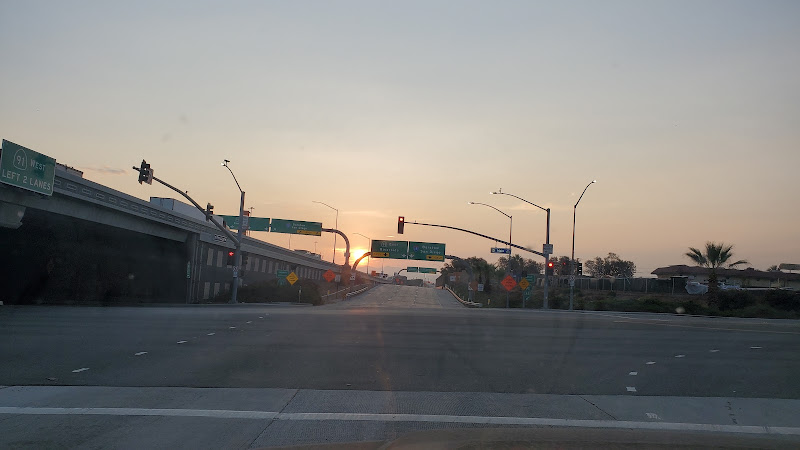
Getting to Corona is refreshingly straightforward, especially compared to navigating some of Southern California's more congested destinations. The city sits at the intersection of two major freeways—the 91 (Riverside Freeway) and the 15 (Corona Freeway)—which means accessing it by car from virtually anywhere in the region is relatively painless. Well, as painless as Southern California freeway driving ever gets. If you're flying in, your closest major airport is Ontario International Airport, located about 20 miles northeast. Ontario has grown significantly in recent years and now offers direct flights from most major U.S. cities and even some international destinations. The drive from Ontario Airport to Corona typically takes 25-30 minutes without traffic. And yes, I said "without traffic" because in Southern California, you always have to add that qualifier. During rush hours, that same trip could take 45 minutes to an hour. Los Angeles International Airport (LAX) sits about 75 miles west, and while it offers more flight options and often cheaper fares, the drive to Corona can be brutal depending on timing. I've made this drive countless times, and it ranges from 90 minutes in ideal conditions to over two hours during peak traffic. If you're considering LAX as your entry point, seriously consider flying in late evening or very early morning when traffic is lighter. John Wayne Airport in Orange County is roughly 40 miles west and offers another solid option, particularly if you're coming from western U.S. cities. The drive typically takes 45 minutes to an hour depending on traffic conditions. Once you arrive in Corona, you'll absolutely need a car. Public transportation exists but isn't practical for visitors. The Riverside Transit Agency operates bus routes through Corona, but service is limited and schedules won't align with typical tourist activities. Rental cars are your best bet, and I'd recommend getting one at the airport rather than trying to arrange transportation into Corona first. Metrolink, Southern California's commuter rail system, has a station in Corona (North Main Corona Station) on the Inland Empire-Orange County Line. This can be useful if you're planning day trips to Anaheim or other connected cities, but it won't help much for exploring Corona itself or reaching the natural attractions that make the area special.Tips for Visiting
After spending considerable time exploring Corona over the years, I've learned some things that'll make your visit smoother and more enjoyable. First off, embrace the fact that you're in car country. Everything is spread out, parking is generally plentiful and free (a luxury compared to coastal California), and your vehicle becomes your mobile base camp. Hydration is crucial, especially if you're visiting between May and October. The dry heat sneaks up on you—you don't always feel yourself sweating because it evaporates so quickly, but you're losing fluids constantly. I always keep a cooler with water bottles in my car when exploring Corona and the surrounding areas. Dehydration headaches are real and can ruin an otherwise great day. For hiking in Cleveland National Forest or the nearby trails, start early. I mean genuinely early—like 6 or 7 a.m. early. Beyond avoiding the heat, you'll experience the mountains at their most beautiful, possibly see wildlife, and have trails mostly to yourself. By noon, especially in warmer months, you'll want to be done with strenuous outdoor activities anyway. The food scene deserves more attention than most visitors give it. Skip the chain restaurants clustered near the freeway exits and venture into the neighborhoods. The stretch of McKinley Street has some fantastic local spots, and the area around Ontario Avenue offers genuine Mexican cuisine that'll remind you why California's food culture is legendary. Don't be afraid to try places that look unpretentious or even slightly run-down—some of the best meals I've had in Corona came from restaurants that wouldn't win any design awards. If you're using Corona as a base for visiting Disneyland or other Orange County attractions, understand the traffic patterns. The 91 Freeway westbound becomes a parking lot during morning rush hour, and eastbound backs up terribly in late afternoon and evening. Plan around these patterns or you'll spend hours staring at brake lights. Leaving for Disneyland before 7 a.m. or after 10 a.m. makes a huge difference. Returning after 8 p.m. rather than during the 5-7 p.m. window will save your sanity. Accommodation-wise, Corona offers mostly chain hotels, but they're significantly cheaper than comparable properties in Orange County or coastal areas. The quality varies, so read recent reviews before booking. I've found the best value in properties near the 91 and 15 interchange, which puts you in prime position for day trips in multiple directions. One thing that surprised me about Corona is how much the temperature can vary between different parts of the city. Areas closer to the mountains can be 5-10 degrees cooler than areas near the freeway in summer. If you're heat-sensitive, this matters when choosing accommodations or planning activities. Finally, don't rush through. Corona isn't Disneyland or the Grand Canyon—it doesn't have blockbuster attractions that demand your attention. But it offers authentic Southern California experiences away from tourist crowds, genuinely pleasant weather most of the year, and access to natural beauty that many visitors never discover. Give yourself time to explore, make wrong turns, find unexpected restaurants, and maybe take that scenic drive you didn't plan. Sometimes the best travel experiences come from places that don't try too hard to impress you.Key Features
- Historic Grand Boulevard and downtown district
- Parks and outdoor trails for hiking and biking
- Local museums and community festivals
- Proximity to Riverside, Orange, and San Bernardino county attractions
- Family-friendly activities and seasonal events
More Details
Updated January 17, 2026
Table of Contents
Description
Corona sits at an interesting crossroads in Southern California, literally and figuratively. This city of over 157,000 residents occupies a unique position where Riverside, Orange, and San Bernardino counties converge, creating a destination that travelers often overlook—and honestly, that’s kind of their loss. I’ve passed through Corona more times than I can count on road trips between Los Angeles and Palm Springs, and it wasn’t until I actually stopped and explored that I realized there’s genuinely more here than meets the eye from the freeway.
The city spreads across the northwestern corner of Riverside County, offering travelers a different perspective on Southern California living. Unlike the beachside communities to the west or the desert resorts to the east, Corona represents something in between—a place where suburbia meets outdoor adventure, where the pace slows down just enough to breathe but keeps enough energy to stay interesting. The population has been steadily growing, jumping from about 152,000 in 2010 to over 157,000 by 2020, which tells you something about its appeal to people looking for a quality California experience without the astronomical price tags of coastal cities.
What strikes most visitors first is the geography. You’ve got the Cleveland National Forest practically in your backyard, the Santa Ana Mountains creating dramatic backdrops for your Instagram posts, and a climate that’s legitimately pleasant most of the year. The city got its name from the “Grand Boulevard” that circled the original townsite in a crown-like shape—corona being Spanish for crown—and while you can still drive portions of this historic circular street, modern Corona has expanded well beyond those original boundaries.
For travelers, Corona serves multiple purposes. Some use it as a strategic base camp for exploring Southern California’s inland attractions. Others come specifically for the outdoor recreation opportunities. And then there’s a growing number who visit because they’ve heard about the local food scene or the surprisingly decent shopping options. Under Mayor Jacque Casillas’s leadership, the city has been working to position itself as more than just a pass-through spot, and from what I’ve seen, that effort is paying off.
Key Features
Corona delivers several attractions and characteristics that make it worth consideration for your Southern California itinerary:
• Proximity to Cleveland National Forest – This massive wilderness area offers hundreds of miles of hiking trails, camping spots, and scenic drives that most coastal visitors never experience. The Main Divide Truck Trail provides phenomenal views on clear days.
• The Grand Boulevard – This historic circular roadway remains one of the few of its kind in California, offering a glimpse into early 20th-century urban planning with beautiful old trees lining portions of the route.
• Strategic Location – Positioned within reasonable driving distance of Disneyland (about 30 miles), beaches, mountains, and desert attractions, Corona makes an affordable alternative base for Southern California exploration.
• Glen Ivy Hot Springs – Known locally as “Club Mud,” this day spa offers natural mineral pools and the famous red clay bath that people travel considerable distances to experience.
• Corona Heritage Park and Museum – This collection of historic buildings tells the story of the city’s citrus-growing past, back when this area was covered in orange and lemon groves rather than housing developments.
• Skyline Drive – A scenic route that climbs into the hills providing panoramic views of the entire Inland Empire, best experienced near sunset when the valley lights start twinkling.
• Diverse Dining Scene – The city’s growing population has brought surprisingly good international cuisine, particularly excellent Mexican, Thai, and Korean restaurants that rival what you’d find in larger cities.
• Prado Regional Park – Over 2,000 acres of recreational space with a lake, equestrian facilities, sports fields, and picnic areas that locals actually use regularly.
• Mild Climate – Hot summers, yes, but spring and fall temperatures that are absolutely perfect for outdoor activities, with winters that rarely require more than a light jacket.
Best Time to Visit
I’m gonna be straight with you—Corona gets hot in summer. Like, really hot. We’re talking regular temperatures above 95 degrees Fahrenheit from June through September, sometimes pushing past 100. But here’s the thing: if you’re planning outdoor adventures or want to explore the hiking trails in Cleveland National Forest, summer is actually terrible timing anyway.
The sweet spot for visiting Corona runs from late February through May. During these months, you’ll experience what makes Southern California famous—sunny days with temperatures in the 70s and low 80s, practically zero rainfall, and conditions perfect for every outdoor activity you can imagine. The wildflower blooms in the nearby mountains during March and April can be absolutely spectacular, especially after wet winters. I remember hiking the trails around Corona one April after a rainy winter, and the hillsides were carpeted with California poppies and lupines. It looked like something from a nature documentary.
Fall, specifically October and November, offers the second-best window for visiting. The brutal summer heat finally breaks, temperatures drop back into the comfortable range, and you get those crystal-clear days when visibility stretches for miles. This is when locals reclaim the hiking trails and outdoor spaces, and you’ll find the city’s restaurants and shops buzzing with activity.
Winter months from December through February can be surprisingly pleasant, though you’ll need to pack layers. Daytime temperatures often reach the 60s and 70s, but mornings and evenings can dip into the 40s. Rain is possible but not frequent—Corona averages only about 12 inches annually, and most of that falls between December and March. If you don’t mind slightly cooler weather and the occasional rainy day, winter offers the advantage of fewer tourists and lower accommodation prices.
One specific timing tip: avoid visiting during extreme Santa Ana wind events, which typically occur in fall and winter. These hot, dry winds can make outdoor activities unpleasant and occasionally bring wildfire smoke from other areas. Check weather forecasts before your trip, and if Santa Anas are predicted, maybe postpone a few days.
How to Get There
Getting to Corona is refreshingly straightforward, especially compared to navigating some of Southern California’s more congested destinations. The city sits at the intersection of two major freeways—the 91 (Riverside Freeway) and the 15 (Corona Freeway)—which means accessing it by car from virtually anywhere in the region is relatively painless. Well, as painless as Southern California freeway driving ever gets.
If you’re flying in, your closest major airport is Ontario International Airport, located about 20 miles northeast. Ontario has grown significantly in recent years and now offers direct flights from most major U.S. cities and even some international destinations. The drive from Ontario Airport to Corona typically takes 25-30 minutes without traffic. And yes, I said “without traffic” because in Southern California, you always have to add that qualifier. During rush hours, that same trip could take 45 minutes to an hour.
Los Angeles International Airport (LAX) sits about 75 miles west, and while it offers more flight options and often cheaper fares, the drive to Corona can be brutal depending on timing. I’ve made this drive countless times, and it ranges from 90 minutes in ideal conditions to over two hours during peak traffic. If you’re considering LAX as your entry point, seriously consider flying in late evening or very early morning when traffic is lighter.
John Wayne Airport in Orange County is roughly 40 miles west and offers another solid option, particularly if you’re coming from western U.S. cities. The drive typically takes 45 minutes to an hour depending on traffic conditions.
Once you arrive in Corona, you’ll absolutely need a car. Public transportation exists but isn’t practical for visitors. The Riverside Transit Agency operates bus routes through Corona, but service is limited and schedules won’t align with typical tourist activities. Rental cars are your best bet, and I’d recommend getting one at the airport rather than trying to arrange transportation into Corona first.
Metrolink, Southern California’s commuter rail system, has a station in Corona (North Main Corona Station) on the Inland Empire-Orange County Line. This can be useful if you’re planning day trips to Anaheim or other connected cities, but it won’t help much for exploring Corona itself or reaching the natural attractions that make the area special.
Tips for Visiting
After spending considerable time exploring Corona over the years, I’ve learned some things that’ll make your visit smoother and more enjoyable. First off, embrace the fact that you’re in car country. Everything is spread out, parking is generally plentiful and free (a luxury compared to coastal California), and your vehicle becomes your mobile base camp.
Hydration is crucial, especially if you’re visiting between May and October. The dry heat sneaks up on you—you don’t always feel yourself sweating because it evaporates so quickly, but you’re losing fluids constantly. I always keep a cooler with water bottles in my car when exploring Corona and the surrounding areas. Dehydration headaches are real and can ruin an otherwise great day.
For hiking in Cleveland National Forest or the nearby trails, start early. I mean genuinely early—like 6 or 7 a.m. early. Beyond avoiding the heat, you’ll experience the mountains at their most beautiful, possibly see wildlife, and have trails mostly to yourself. By noon, especially in warmer months, you’ll want to be done with strenuous outdoor activities anyway.
The food scene deserves more attention than most visitors give it. Skip the chain restaurants clustered near the freeway exits and venture into the neighborhoods. The stretch of McKinley Street has some fantastic local spots, and the area around Ontario Avenue offers genuine Mexican cuisine that’ll remind you why California’s food culture is legendary. Don’t be afraid to try places that look unpretentious or even slightly run-down—some of the best meals I’ve had in Corona came from restaurants that wouldn’t win any design awards.
If you’re using Corona as a base for visiting Disneyland or other Orange County attractions, understand the traffic patterns. The 91 Freeway westbound becomes a parking lot during morning rush hour, and eastbound backs up terribly in late afternoon and evening. Plan around these patterns or you’ll spend hours staring at brake lights. Leaving for Disneyland before 7 a.m. or after 10 a.m. makes a huge difference. Returning after 8 p.m. rather than during the 5-7 p.m. window will save your sanity.
Accommodation-wise, Corona offers mostly chain hotels, but they’re significantly cheaper than comparable properties in Orange County or coastal areas. The quality varies, so read recent reviews before booking. I’ve found the best value in properties near the 91 and 15 interchange, which puts you in prime position for day trips in multiple directions.
One thing that surprised me about Corona is how much the temperature can vary between different parts of the city. Areas closer to the mountains can be 5-10 degrees cooler than areas near the freeway in summer. If you’re heat-sensitive, this matters when choosing accommodations or planning activities.
Finally, don’t rush through. Corona isn’t Disneyland or the Grand Canyon—it doesn’t have blockbuster attractions that demand your attention. But it offers authentic Southern California experiences away from tourist crowds, genuinely pleasant weather most of the year, and access to natural beauty that many visitors never discover. Give yourself time to explore, make wrong turns, find unexpected restaurants, and maybe take that scenic drive you didn’t plan. Sometimes the best travel experiences come from places that don’t try too hard to impress you.
Key Highlights
- Historic Grand Boulevard and downtown district
- Parks and outdoor trails for hiking and biking
- Local museums and community festivals
- Proximity to Riverside, Orange, and San Bernardino county attractions
- Family-friendly activities and seasonal events
Location
Places to Stay Near Corona
Find and Book a Tour
Explore More Travel Guides
No reviews found! Be the first to review!
Traveler Reviews for Corona
There are no reviews yet. Be the first one to write one.
Have you visited Corona? Help other travelers by sharing your review.
Nearby Attractions
You Might Also Like

Queens Museum

Queens Zoo

Citrus Park
Find Accommodations Nearby
Recommended Tours & Activities
Visitor Reviews
There are no reviews yet. Be the first one to write one.
Share Your Experience
Have you visited Corona? Help other travelers by leaving a review.