

Convent of San Domingos de Bonaval
About Convent of San Domingos de Bonaval
Description
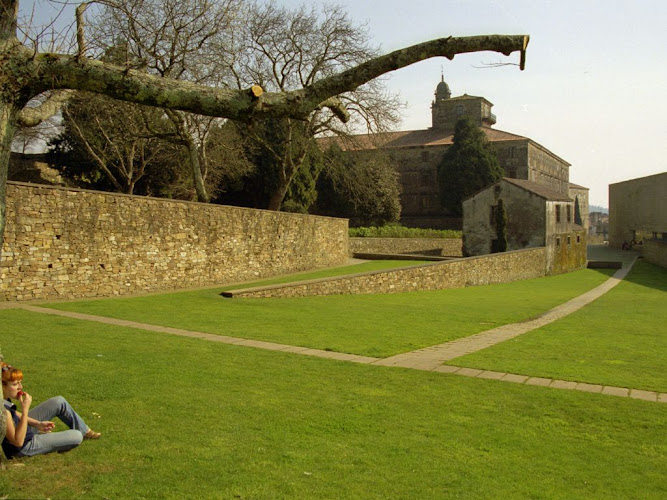
The Convent of San Domingos de Bonaval is one of those places that quietly commands your attention the moment you set eyes on it. Located just outside the old walls of Santiago de Compostela, it’s not your typical tourist hotspot, but it’s definitely a gem for those who appreciate history wrapped in layers of architectural styles. Founded back in the 13th century, this former Dominican monastery has evolved over centuries, with much of its current form shaped in later periods, especially the Baroque touches by the Galician architect Domingo de Andrade. Walking through its grounds, you can feel the weight of centuries — it’s like stepping into a story where every stone whispers a bit of the past.
The church itself is impressive, one of the largest in Santiago, designed with a basilica-style layout that gives it a grand yet serene atmosphere. It’s not just a building; it’s a canvas of history, faith, and art all rolled into one. And if you’re into architecture, you’ll find the mix of styles fascinating — from Gothic roots to Baroque flourishes, it’s a visual journey through time. But beyond the bricks and mortar, the convent holds a special place in the cultural fabric of the city, even housing the Pantheon of Illustrious Galicians, which adds a unique layer to its significance.
Now, I gotta admit, it’s not always buzzing with crowds like some other spots in Santiago, which is a blessing if you’re craving a more contemplative visit. Plus, its location on the slopes of Mount Almáciga gives it a peaceful vibe, away from the hustle but still close enough to the city’s heartbeat. It’s the kind of place where you can linger, reflect, and maybe even get a little lost in thought — something that’s getting harder to find these days.
Key Features
- Founded in the 13th century with architectural elements spanning Gothic to Galician Baroque styles
- Home to one of the largest churches in Santiago de Compostela, featuring a basilica-based design
- Contains the Pantheon of Illustrious Galicians, a significant cultural and historical site
- Designed in part by Domingo de Andrade, a renowned Galician Baroque architect
- Located on the scenic slopes of Mount Almáciga, offering tranquil surroundings
- Declared a national monument in 1912, reflecting its importance in Spanish heritage
- Less crowded than central Santiago attractions, ideal for visitors seeking a quieter experience
Best Time to Visit
Picking the right time to visit the Convent of San Domingos de Bonaval can really make or break your experience. If you’re like me, and prefer to dodge the heavy tourist crush, aim for the shoulder seasons — spring and early autumn. The weather in Galicia can be a bit moody, but during these months, you’ll often get mild temperatures and fewer crowds, which means you can soak up the atmosphere without feeling rushed or cramped.
Summer is popular in Santiago, especially because of the famous pilgrimage routes, but that also means more visitors swarming the city and its outskirts. Winter, on the other hand, is quieter but can be chilly and wet, so pack accordingly if you decide to brave it. Early mornings or late afternoons are also golden hours for visiting the convent — the light filtering through the stained glass and the peaceful ambiance really bring the place to life in a way that midday sun just can’t match.
How to Get There
Getting to the Convent of San Domingos de Bonaval is straightforward, but it helps to know a little insider info. It’s situated just outside Santiago’s old walled city, on the slopes of Mount Almáciga, near the Porta do Camiño gate — one of the historic entry points for pilgrims. If you’re staying in the city center, it’s a manageable walk, about 15 to 20 minutes, which is a nice way to stretch your legs and take in the local vibe.
If walking isn’t your thing or you’re pushing a stroller or luggage, local buses run routes that drop you off nearby, and taxis are always an option if you want to save time or energy. For those driving, there’s parking available around the area, though it can get a bit tight during peak tourist seasons. Just a heads-up: the streets around the old city can be a bit narrow and winding, so patience is key if you’re behind the wheel.
Tips for Visiting
Alright, here’s where I get a little personal — visiting the Convent of San Domingos de Bonaval is a bit like peeling an onion; there’s more beneath the surface than what meets the eye. So, take your time. Don’t rush through like you’re ticking a box on a to-do list. Sit down on one of the benches outside, watch the light change on the stone walls, and listen to the quiet hum of the city below. It’s oddly calming.
Photography lovers, heads up: the lighting inside can be tricky, so bring a camera that handles low light well or just enjoy the moment without obsessing over the perfect shot. Also, check if there are any guided tours or special exhibits during your visit — sometimes they offer insights that you wouldn’t stumble upon just wandering around.
One quirky thing I found fascinating is how the convent’s name only came into common use in the 15th century, even though the place had been around since the 1200s. Little historical nuggets like that make the visit feel like a treasure hunt through time. And if you’re a history buff, don’t miss the Pantheon of Illustrious Galicians inside — it’s a powerful tribute to some of the region’s most influential figures.
Lastly, wear comfy shoes. The area around the convent has some uneven cobblestones and slopes, so trust me on this one. And if you’re visiting in the cooler months, bring a jacket — Galicia’s weather likes to keep you on your toes. Oh, and grab a coffee or a snack from one of the nearby cafes afterward. It’s the perfect way to wrap up your visit, soaking in the local flavor both inside and out.
Key Features
- Founded in the 13th century with architectural elements spanning Gothic to Galician Baroque styles
- Home to one of the largest churches in Santiago de Compostela, featuring a basilica-based design
- Contains the Pantheon of Illustrious Galicians, a significant cultural and historical site
- Designed in part by Domingo de Andrade, a renowned Galician Baroque architect
- Located on the scenic slopes of Mount Almáciga, offering tranquil surroundings
- Declared a national monument in 1912, reflecting its importance in Spanish heritage
- Less crowded than central Santiago attractions, ideal for visitors seeking a quieter experience
More Details
Updated July 17, 2025
Table of Contents
- Description
- Key Features
- Best Time to Visit
- How to Get There
- Tips for Visiting
- Key Highlights
- Location
- Places to Stay Near Convent of San Domingos de Bonaval
- Find and Book a Tour
- Explore More Travel Guides
- Nearby Places You Might Like
- Traveler Reviews for Convent of San Domingos de Bonaval
- Share Your Experience
Description
The Convent of San Domingos de Bonaval is one of those places that quietly commands your attention the moment you set eyes on it. Located just outside the old walls of Santiago de Compostela, it’s not your typical tourist hotspot, but it’s definitely a gem for those who appreciate history wrapped in layers of architectural styles. Founded back in the 13th century, this former Dominican monastery has evolved over centuries, with much of its current form shaped in later periods, especially the Baroque touches by the Galician architect Domingo de Andrade. Walking through its grounds, you can feel the weight of centuries — it’s like stepping into a story where every stone whispers a bit of the past.
The church itself is impressive, one of the largest in Santiago, designed with a basilica-style layout that gives it a grand yet serene atmosphere. It’s not just a building; it’s a canvas of history, faith, and art all rolled into one. And if you’re into architecture, you’ll find the mix of styles fascinating — from Gothic roots to Baroque flourishes, it’s a visual journey through time. But beyond the bricks and mortar, the convent holds a special place in the cultural fabric of the city, even housing the Pantheon of Illustrious Galicians, which adds a unique layer to its significance.
Now, I gotta admit, it’s not always buzzing with crowds like some other spots in Santiago, which is a blessing if you’re craving a more contemplative visit. Plus, its location on the slopes of Mount Almáciga gives it a peaceful vibe, away from the hustle but still close enough to the city’s heartbeat. It’s the kind of place where you can linger, reflect, and maybe even get a little lost in thought — something that’s getting harder to find these days.
Key Features
- Founded in the 13th century with architectural elements spanning Gothic to Galician Baroque styles
- Home to one of the largest churches in Santiago de Compostela, featuring a basilica-based design
- Contains the Pantheon of Illustrious Galicians, a significant cultural and historical site
- Designed in part by Domingo de Andrade, a renowned Galician Baroque architect
- Located on the scenic slopes of Mount Almáciga, offering tranquil surroundings
- Declared a national monument in 1912, reflecting its importance in Spanish heritage
- Less crowded than central Santiago attractions, ideal for visitors seeking a quieter experience
Best Time to Visit
Picking the right time to visit the Convent of San Domingos de Bonaval can really make or break your experience. If you’re like me, and prefer to dodge the heavy tourist crush, aim for the shoulder seasons — spring and early autumn. The weather in Galicia can be a bit moody, but during these months, you’ll often get mild temperatures and fewer crowds, which means you can soak up the atmosphere without feeling rushed or cramped.
Summer is popular in Santiago, especially because of the famous pilgrimage routes, but that also means more visitors swarming the city and its outskirts. Winter, on the other hand, is quieter but can be chilly and wet, so pack accordingly if you decide to brave it. Early mornings or late afternoons are also golden hours for visiting the convent — the light filtering through the stained glass and the peaceful ambiance really bring the place to life in a way that midday sun just can’t match.
How to Get There
Getting to the Convent of San Domingos de Bonaval is straightforward, but it helps to know a little insider info. It’s situated just outside Santiago’s old walled city, on the slopes of Mount Almáciga, near the Porta do Camiño gate — one of the historic entry points for pilgrims. If you’re staying in the city center, it’s a manageable walk, about 15 to 20 minutes, which is a nice way to stretch your legs and take in the local vibe.
If walking isn’t your thing or you’re pushing a stroller or luggage, local buses run routes that drop you off nearby, and taxis are always an option if you want to save time or energy. For those driving, there’s parking available around the area, though it can get a bit tight during peak tourist seasons. Just a heads-up: the streets around the old city can be a bit narrow and winding, so patience is key if you’re behind the wheel.
Tips for Visiting
Alright, here’s where I get a little personal — visiting the Convent of San Domingos de Bonaval is a bit like peeling an onion; there’s more beneath the surface than what meets the eye. So, take your time. Don’t rush through like you’re ticking a box on a to-do list. Sit down on one of the benches outside, watch the light change on the stone walls, and listen to the quiet hum of the city below. It’s oddly calming.
Photography lovers, heads up: the lighting inside can be tricky, so bring a camera that handles low light well or just enjoy the moment without obsessing over the perfect shot. Also, check if there are any guided tours or special exhibits during your visit — sometimes they offer insights that you wouldn’t stumble upon just wandering around.
One quirky thing I found fascinating is how the convent’s name only came into common use in the 15th century, even though the place had been around since the 1200s. Little historical nuggets like that make the visit feel like a treasure hunt through time. And if you’re a history buff, don’t miss the Pantheon of Illustrious Galicians inside — it’s a powerful tribute to some of the region’s most influential figures.
Lastly, wear comfy shoes. The area around the convent has some uneven cobblestones and slopes, so trust me on this one. And if you’re visiting in the cooler months, bring a jacket — Galicia’s weather likes to keep you on your toes. Oh, and grab a coffee or a snack from one of the nearby cafes afterward. It’s the perfect way to wrap up your visit, soaking in the local flavor both inside and out.
Key Highlights
- Founded in the 13th century with architectural elements spanning Gothic to Galician Baroque styles
- Home to one of the largest churches in Santiago de Compostela, featuring a basilica-based design
- Contains the Pantheon of Illustrious Galicians, a significant cultural and historical site
- Designed in part by Domingo de Andrade, a renowned Galician Baroque architect
- Located on the scenic slopes of Mount Almáciga, offering tranquil surroundings
- Declared a national monument in 1912, reflecting its importance in Spanish heritage
- Less crowded than central Santiago attractions, ideal for visitors seeking a quieter experience
Location
Find and Book a Tour
Explore More Travel Guides
No reviews found! Be the first to review!
There are no reviews yet. Be the first one to write one.
Have you visited Convent of San Domingos de Bonaval? Help other travelers by sharing your review.
You Might Also Like

Museum of the Galician People

Museo Casa da Troia
Parque de San Domingos de Bonaval
Find Accommodations Nearby
Recommended Tours & Activities
Visitor Reviews
There are no reviews yet. Be the first one to write one.
Share Your Experience
Have you visited Convent of San Domingos de Bonaval? Help other travelers by leaving a review.