

Museum of the Galician People
About Museum of the Galician People
Description
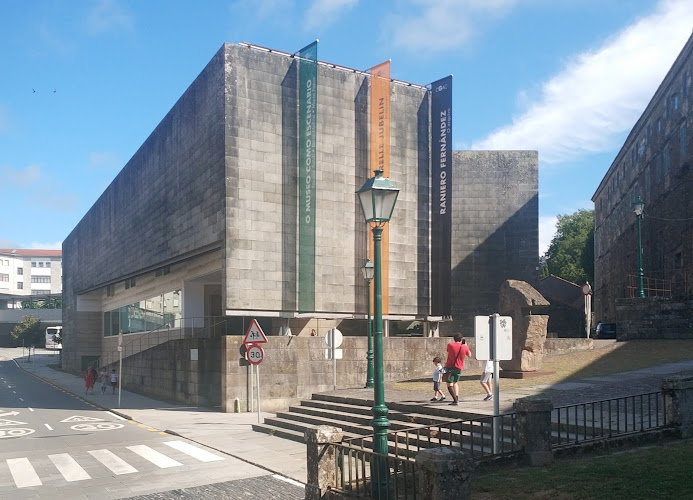
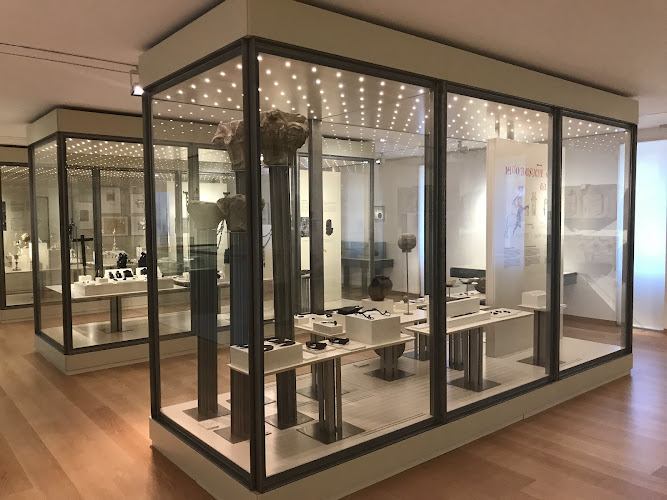
The Museum of the Galician People is a fascinating dive into the rich history and culture of Galicia, tucked inside a convent that dates all the way back to the 13th century. Now, if you’re like me, you might roll your eyes at the thought of another dusty old museum, but this place? It’s got character — and a story that sneaks up on you. Walking through its stone halls, you can almost hear whispers of centuries past, the echoes of daily life, struggles, and celebrations of the Galician people. It’s not just artifacts behind glass; it’s a living narrative of a region that’s fiercely proud of its roots.
What really sets this museum apart is how it balances history with heart. The exhibits don’t just show you what Galicia was like; they invite you to feel it. From traditional costumes and tools to folk art and ancient manuscripts, each piece tells a tale of resilience and identity. And because it’s housed in a convent, the architecture itself is part of the experience — those stone walls and cloisters add a layer of authenticity you won’t find in a modern building.
Accessibility is thoughtfully considered here, too. The entrance and restrooms are wheelchair accessible, which is a big plus if you’re traveling with family or friends who need it. While there’s no assistive hearing loop or wheelchair-accessible parking, the staff are generally helpful and accommodating. Just a heads up, though — there’s no on-site restaurant, so you might want to plan your meals accordingly.
Key Features
- Located in a beautifully preserved 13th-century convent, adding historical ambiance
- Extensive ethnographic collections showcasing Galician traditions, crafts, and daily life
- Interactive kid-friendly activities and discounts, making it a great stop for families
- Wheelchair accessible entrance and restrooms, ensuring ease of access for many visitors
- Quiet, contemplative spaces perfect for soaking up the atmosphere and reflecting on Galicia’s heritage
- Regularly updated exhibits that keep the museum fresh and engaging for repeat visitors
Best Time to Visit
Honestly, the best time to visit the Museum of the Galician People is during the shoulder seasons — late spring (May to June) or early autumn (September to October). The crowds thin out a bit, so you’ll have a more relaxed experience, and the weather in Galicia is usually mild and pleasant, perfect for wandering around the convent grounds before or after your visit. Summer can get a bit busy with tourists, and the winter months, while quieter, might be chillier and damp, which could put a damper on your exploration.
Oh, and if you happen to be around during a local festival or cultural event, that’s a golden opportunity. The museum sometimes hosts special exhibits or workshops tied to these celebrations, giving you a deeper, hands-on glimpse into Galician life. I once stumbled upon a traditional craft workshop there, and it was such a cool way to connect with the culture beyond just looking at displays.
How to Get There
Getting to the museum is pretty straightforward, but it depends on where you’re coming from. If you’re in the city center, it’s a nice walk, allowing you to soak up some local street scenes and maybe grab a coffee on the way. For those coming from further afield, public transportation options like buses or taxis work well, though I’d recommend checking the latest schedules in advance — Galicia’s transit can be a bit unpredictable.
If you’re driving, parking can be a little tricky since the museum itself doesn’t have wheelchair-accessible parking, and nearby spots fill up quickly, especially on weekends. So, if you’re like me and hate circling around endlessly, consider parking a bit farther out and enjoying a short stroll. It’s part of the adventure, really.
Tips for Visiting
Here’s where I get a bit personal because I’ve made a few rookie mistakes on past museum trips that I don’t want you to repeat. First off, give yourself plenty of time. This isn’t a quick in-and-out kind of place. Let the atmosphere sink in, and don’t rush the exhibits. Some of the stories need a moment to marinate in your mind.
Bring a notebook or your phone to jot down or snap pics of things that catch your eye — the museum’s collection is vast, and you’ll want to remember the details that speak to you. Also, don’t hesitate to chat with the staff; they’re usually quite knowledgeable and happy to share insider tidbits that don’t make it into the plaques.
Since there’s no restaurant on-site, pack some snacks or plan a meal nearby. After all, you’ll probably be hungry after all that cultural immersion! And if you’re visiting with kids, take advantage of the discounted tickets and kid-friendly activities — it’s a great way to keep them engaged without the usual museum boredom.
Lastly, consider visiting on a weekday if you can. Weekends tend to be busier, and a quieter day means you get to experience the museum’s charm without the hustle and bustle. Trust me, those peaceful moments wandering through ancient corridors are what make this place memorable.
Key Features
- Located in a beautifully preserved 13th-century convent, adding historical ambiance
- Extensive ethnographic collections showcasing Galician traditions, crafts, and daily life
- Interactive kid-friendly activities and discounts, making it a great stop for families
- Wheelchair accessible entrance and restrooms, ensuring ease of access for many visitors
- Quiet, contemplative spaces perfect for soaking up the atmosphere and reflecting on Galicia’s heritage
- Regularly updated exhibits that keep the museum fresh and engaging for repeat visitors
More Details
Updated July 17, 2025
Table of Contents
Description
The Museum of the Galician People is a fascinating dive into the rich history and culture of Galicia, tucked inside a convent that dates all the way back to the 13th century. Now, if you’re like me, you might roll your eyes at the thought of another dusty old museum, but this place? It’s got character — and a story that sneaks up on you. Walking through its stone halls, you can almost hear whispers of centuries past, the echoes of daily life, struggles, and celebrations of the Galician people. It’s not just artifacts behind glass; it’s a living narrative of a region that’s fiercely proud of its roots.
What really sets this museum apart is how it balances history with heart. The exhibits don’t just show you what Galicia was like; they invite you to feel it. From traditional costumes and tools to folk art and ancient manuscripts, each piece tells a tale of resilience and identity. And because it’s housed in a convent, the architecture itself is part of the experience — those stone walls and cloisters add a layer of authenticity you won’t find in a modern building.
Accessibility is thoughtfully considered here, too. The entrance and restrooms are wheelchair accessible, which is a big plus if you’re traveling with family or friends who need it. While there’s no assistive hearing loop or wheelchair-accessible parking, the staff are generally helpful and accommodating. Just a heads up, though — there’s no on-site restaurant, so you might want to plan your meals accordingly.
Key Features
- Located in a beautifully preserved 13th-century convent, adding historical ambiance
- Extensive ethnographic collections showcasing Galician traditions, crafts, and daily life
- Interactive kid-friendly activities and discounts, making it a great stop for families
- Wheelchair accessible entrance and restrooms, ensuring ease of access for many visitors
- Quiet, contemplative spaces perfect for soaking up the atmosphere and reflecting on Galicia’s heritage
- Regularly updated exhibits that keep the museum fresh and engaging for repeat visitors
Best Time to Visit
Honestly, the best time to visit the Museum of the Galician People is during the shoulder seasons — late spring (May to June) or early autumn (September to October). The crowds thin out a bit, so you’ll have a more relaxed experience, and the weather in Galicia is usually mild and pleasant, perfect for wandering around the convent grounds before or after your visit. Summer can get a bit busy with tourists, and the winter months, while quieter, might be chillier and damp, which could put a damper on your exploration.
Oh, and if you happen to be around during a local festival or cultural event, that’s a golden opportunity. The museum sometimes hosts special exhibits or workshops tied to these celebrations, giving you a deeper, hands-on glimpse into Galician life. I once stumbled upon a traditional craft workshop there, and it was such a cool way to connect with the culture beyond just looking at displays.
How to Get There
Getting to the museum is pretty straightforward, but it depends on where you’re coming from. If you’re in the city center, it’s a nice walk, allowing you to soak up some local street scenes and maybe grab a coffee on the way. For those coming from further afield, public transportation options like buses or taxis work well, though I’d recommend checking the latest schedules in advance — Galicia’s transit can be a bit unpredictable.
If you’re driving, parking can be a little tricky since the museum itself doesn’t have wheelchair-accessible parking, and nearby spots fill up quickly, especially on weekends. So, if you’re like me and hate circling around endlessly, consider parking a bit farther out and enjoying a short stroll. It’s part of the adventure, really.
Tips for Visiting
Here’s where I get a bit personal because I’ve made a few rookie mistakes on past museum trips that I don’t want you to repeat. First off, give yourself plenty of time. This isn’t a quick in-and-out kind of place. Let the atmosphere sink in, and don’t rush the exhibits. Some of the stories need a moment to marinate in your mind.
Bring a notebook or your phone to jot down or snap pics of things that catch your eye — the museum’s collection is vast, and you’ll want to remember the details that speak to you. Also, don’t hesitate to chat with the staff; they’re usually quite knowledgeable and happy to share insider tidbits that don’t make it into the plaques.
Since there’s no restaurant on-site, pack some snacks or plan a meal nearby. After all, you’ll probably be hungry after all that cultural immersion! And if you’re visiting with kids, take advantage of the discounted tickets and kid-friendly activities — it’s a great way to keep them engaged without the usual museum boredom.
Lastly, consider visiting on a weekday if you can. Weekends tend to be busier, and a quieter day means you get to experience the museum’s charm without the hustle and bustle. Trust me, those peaceful moments wandering through ancient corridors are what make this place memorable.
Key Highlights
- Located in a beautifully preserved 13th-century convent, adding historical ambiance
- Extensive ethnographic collections showcasing Galician traditions, crafts, and daily life
- Interactive kid-friendly activities and discounts, making it a great stop for families
- Wheelchair accessible entrance and restrooms, ensuring ease of access for many visitors
- Quiet, contemplative spaces perfect for soaking up the atmosphere and reflecting on Galicia’s heritage
- Regularly updated exhibits that keep the museum fresh and engaging for repeat visitors
Location
Places to Stay Near Museum of the Galician People
Find and Book a Tour
Explore More Travel Guides
No reviews found! Be the first to review!
Traveler Reviews for Museum of the Galician People
There are no reviews yet. Be the first one to write one.
Have you visited Museum of the Galician People? Help other travelers by sharing your review.
You Might Also Like
Contemporary Art Center of Galicia
Museum of Pilgrimage

Dean's House
Find Accommodations Nearby
Recommended Tours & Activities
Visitor Reviews
There are no reviews yet. Be the first one to write one.
Share Your Experience
Have you visited Museum of the Galician People? Help other travelers by leaving a review.