
Collegiate Church of Saint-André, Grenoble
About Collegiate Church of Saint-André, Grenoble
Key Features
More Details
Updated April 15, 2024
Collégiale Saint-André @ Old Town @ Grenoble – a photo on Flickriver
# Collegiate Church of Saint-André, Grenoble: what to know before you go
The Collegiate Church of Saint-André sits on Place Saint-André in Grenoble’s historic center, directly facing the former Palace of the Parliament of the Dauphiné—a location that immediately explains why this church feels tied to power, ceremony, and civic life rather than being “just another old building.”
This is a church you can appreciate on two levels: first as a striking landmark (that gothic spire is hard to miss), and then as a place built with a very specific purpose—originally founded as a dynastic burial chapel for the Dauphins.
## Quick visitor snapshot
– Name: Collegiate Church of Saint-André (Collégiale Saint-André)
– Address: 9 Place Saint-André, 38000 Grenoble, France Singapore
– Setting: Place Saint-André, opposite the former Parliament palace
– Style (commonly described): 13th-century “Lombard” style with a prominent gothic spire
– Cost: Often listed as free to enter (always confirm on arrival) Singapore
> Outdated-data flag: Opening hours and access can change due to services, concerts, restoration work, or religious holidays. If timing matters, verify via the church’s official site “Horaires” page before you build your day around it.
## Why this church matters in Grenoble
Saint-André isn’t simply “old”—it was founded with a mission. The church was founded in 1228 to house tombs of the Dauphins of the Viennois, positioned on Place Saint-André beside the institutions of regional power.
One of the most unusual, specific details about its construction financing is that it’s described as having been funded by income from the silver mines of Brandes-en-Oisans (near Alpe d’Huez).
Historically, its status also evolved: sources describe it becoming a royal chapel after 1349, and mention privileges granted to the canons by Louis XI in 1468.
## What to look for when you step inside
You don’t need to be an architecture specialist to “read” this building—use a simple checklist and you’ll notice more than most visitors.
### 1) The building’s overall coherence
The church is often described as a remarkably homogeneous medieval structure (in other words: it doesn’t feel like a patchwork of centuries of mismatched add-ons).
### 2) The spire and exterior presence
Tourism references repeatedly emphasize the gothic spire as a defining feature in the old city skyline.
### 3) Bayard connections (with a nuance)
Several sources note that the church houses the tomb of Pierre Terrail de Bayard (the “Chevalier Bayard”)—specifically described as being placed in the north transept in 1822.
Because commemorations and tomb attributions can be misunderstood, treat signage on-site as your final reference point for exact placement and interpretation.
## How to visit respectfully (and get a better experience)
Religious sites are easiest to appreciate when you visit with a “low-friction” plan:
– Aim for non-service times if you want to explore quietly. If a service is underway, keep movement minimal and avoid photography unless explicitly permitted. (Service schedules are posted by the parish.)
– Bring a light layer even in warm months—stone buildings can feel cool inside.
– Give yourself 20–40 minutes if you’re primarily interested in architecture and context; longer if you enjoy sitting quietly and observing details.
## Place Saint-André: make it part of the same stop
The church makes more sense when you treat Place Saint-André as a single “micro-itinerary.” The square is described as being dominated by two key buildings—the former courthouse (Parliament palace) and the collegiate church—with the added bonus that it’s a genuinely lively place to pause.
A specific nearby anchor worth knowing: the square is home to Café de la Table Ronde, described by Grenoble tourism as the city’s oldest bistro and “one of the oldest in France,” opening in 1739.
## Practical notes for planning
### Getting your bearings
If you’re walking the old center, the church is easy to locate because it sits on a major square and is repeatedly referenced as a landmark of the historic center.
### Entry & hours
Some travel listings present fixed visiting hours (for example, “10:00–17:30”), but these can be unreliable compared with parish updates. Treat any third-party “opening hours” as provisional. Singapore
### Accessibility & inclusivity note
I can’t verify, from the sources above, specifics like step-free entrances, ramp locations, accessible toilets, or hearing loops. If accessibility is important for your visit, the most reliable approach is to check official parish/tourism contact details or signage on arrival.
—
## Jump links for this article (internal)
– Skip to visiting tips
– Skip to Place Saint-André context
If you want, paste in your existing Grenoble-related URLs (even just slugs), and I’ll swap those two jump links for real internal links to your related guides (old town walk, Place Saint-André, Grenoble one-day itinerary) without guessing.
Table of Contents
Key Highlights
Collegiate Church of Saint-André, Grenoble
Location
Places to Stay Near Collegiate Church of Saint-André, Grenoble
Find and Book a Tour
Explore More Travel Guides
No reviews found! Be the first to review!
Traveler Reviews for Collegiate Church of Saint-André, Grenoble
There are no reviews yet. Be the first one to write one.
Have you visited Collegiate Church of Saint-André, Grenoble? Help other travelers by sharing your review.
You Might Also Like

Musée dauphinois
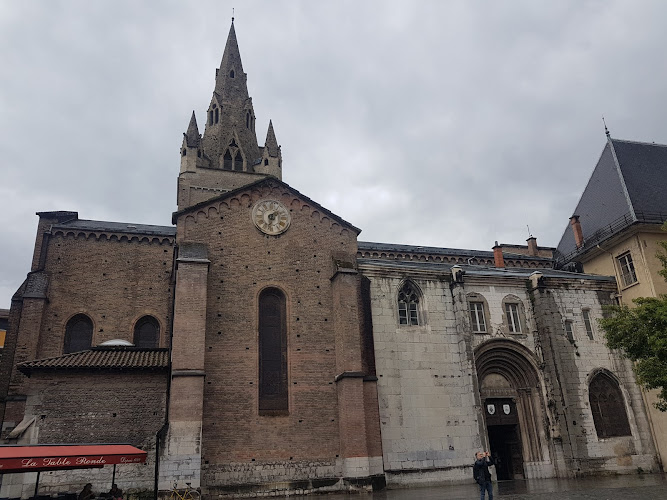
Collégiale Saint-André
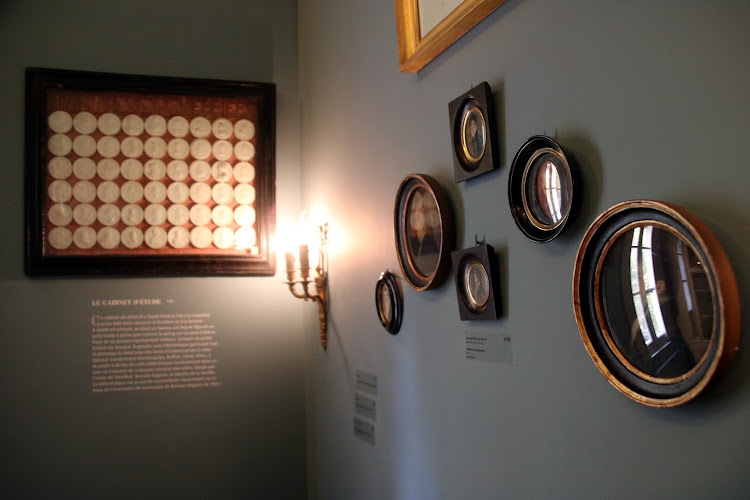
Musée Stendhal - appartement Gagnon
Find Accommodations Nearby
Recommended Tours & Activities
Visitor Reviews
There are no reviews yet. Be the first one to write one.
Share Your Experience
Have you visited Collegiate Church of Saint-André, Grenoble? Help other travelers by leaving a review.