
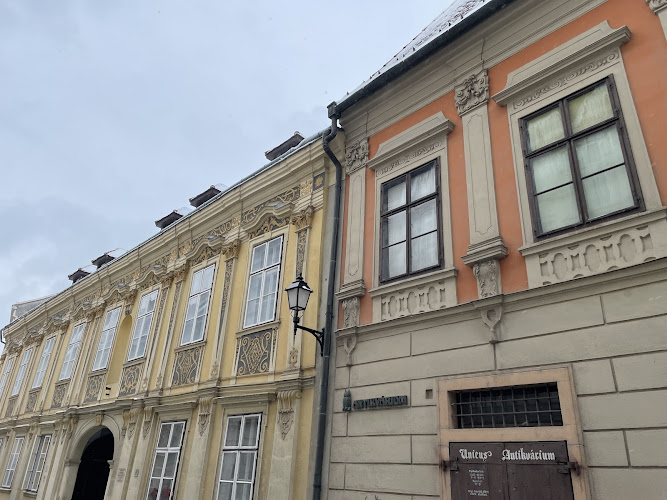
Cobblestone Museum
About Cobblestone Museum
Description
If you’re the sort who can’t walk past an ancient stone without a pause, well, hello there—Cobblestone Museum might just be your kind of spot. I remember my first ramble through its chilly, story-soaked halls: you immediately sense you’re surrounded by centuries of lived-in charm (and, let's be honest, some impossibly creaky floorboards). Tucked amid the winding streets of old Sopron, this museum shines a light on the city’s stonework heritage, but—surprisingly—it never feels dusty or overly formal. To me, it's got this approachable sort of magic, a mix of curiosity and reverence that always draws me back.
Cobblestone Museum isn’t huge, and honestly, that’s part of its appeal. I’ve always found smaller museums are more personable; you actually get to appreciate the details without feeling overwhelmed. The exhibits are straightforward and clever, showcasing rare cobblestone pieces, fascinating masonry tools, and artifacts dug up from Sopron’s very own soil. Somehow, they make rocks and history feel… well, not exactly thrilling, but certainly way more interesting than expected.
Families seem to love it here—kids can get up close to gritty history, and grownups suddenly spot bits of artistry they would’ve missed in a busier museum. And even if you aren’t a stonemason at heart, there’s something satisfyingly tactile about touching the past, especially in such a friendly spot. There’s a real sense here that the keepers care more about storytelling than showing off. Is every corner flawless? Of course not. But that’s part of its charm, if you ask me.
Key Features
- Rich display of medieval and early modern cobblestones, each with a story etched in every chip and groove
- Sections explaining the evolution of local masonry—great for detail nerds, or anyone curious about how Sopron came together stone-by-stone
- Pocket-sized exhibits of ancient tools and artisan gear: everything from rusted chisels to hefty mallets that look too heavy to lift
- Rotating displays with rare finds, so even repeat visitors stumble into new secrets from time to time (I once caught a quirky display about boundary markers—unexpectedly fascinating!)
- Genuine, accessible atmosphere—no velvet ropes or stuffy docents, just locals who truly care about their city’s story
- Wheelchair accessible restroom—worth mentioning since full accessibility is, regrettably, rare in old city spaces
- Clean, handy indoor restroom—always a plus, especially for wandering families with little adventurers
- Quiet, contemplative vibe: you won’t feel hurried or lost in a crowd
- Suited for history buffs and casual explorers alike—it somehow weaves deep facts and playful stories together
Best Time to Visit
I don’t know about you, but I tend to dodge big tourist streams whenever possible. For Cobblestone Museum, late spring and early autumn are pure gold: crowds are thinner, and you get this lingering scent of fresh rain and worn stone in the air. Plus, Sopron’s old town is especially photogenic when the morning light bounces off cobbles and cafe tables—not to get poetic, but some things truly are better in person.
Weekdays, especially mid-morning or after lunch, are my secret weapon. It’s not dead empty (which can feel eerie), but comfortably quiet. School holidays ramp up the kiddie chatter, so if you’re after peace, avoid those times. Oh, and if you’re in town for a festival—lucky you—you’ll find extra pop-up displays in the museum, but expect a bit more hustle and bustle. Bottom line: plan for shoulder seasons and weekdays for a more serene, personal experience.
How to Get There
Getting to the Cobblestone Museum isn’t the usual massive-city ordeal. If you’re exploring Sopron on foot (the best way, if you ask me), just wind through the old town’s maze-like streets—you practically stumble upon it before you’ve even checked your map. Locals still give the friendliest directions, and honestly, wandering is half the fun. Keep an eye out for those distinctive stone buildings—once you spot them, you’re practically there.
If you’re arriving by train or bus, hop off at the main station and take a fifteen-minute stroll; I’ve done it in sandals, so you’ll be fine. Taxis are an option, although I’d only recommend them in bad weather or if you’re hauling bags (the cobbles are gorgeous, but they’re relentless on wheeled suitcases). Parking near old town can be tricky—no designated museum lot, and street spaces fill fast. If mobility is an issue, calling ahead for guidance is smart, as there’s a wheelchair accessible restroom but parking access can be tricky. I’d say Sopron’s old town truly rewards the breezy wanderer.
Tips for Visiting
Here’s a shortlist of things I genuinely wish someone had told me before my first visit—take it or leave it, but a little inside info never hurts:
- Wear practical shoes. Not your fanciest pair—the local cobblestones show no mercy on high heels or slippery soles. My advice? Good sneakers, or even hiking sandals in summer.
- Bring your curiosity but leave the snacks. No museum café here, and snacks aren’t allowed inside. I usually grab a pastry at a nearby shop after my visit—Hungarian sweets are criminally underrated, just my opinion!
- If you’re bringing kids, prep for hands-on history. The staff encourage questions, and there’s enough fascinating weirdness in the artifacts to keep the young ones’ attention—just don’t expect interactive screens or elaborate tech setups. Real life, unfiltered.
- Sensitivity alert: Old buildings can get chilly, especially off-season. Layer up, especially for those prone to getting cold (guilty here!).
- Photography is generally allowed, but always check the posted signs. Respectful snaps? Go for it. Flash portraits of the staff? Maybe skip those.
- Wheelchair users: The restroom is accessible, but because of the historic structure, entryways might be snug in places. The team does their best to help, but a heads-up call never hurts.
- Leave plenty of time to explore the rest of old Sopron after your museum stop. This area rewards lingering—quaint bookshops, cozy wine bars, oddball galleries. You never know what you’ll find around the corner.
- Struck by a question? Ask! The staff here have encyclopedic local knowledge, and some are even longtime stoneworkers themselves—more than eager to share a tale or two if you break the ice.
In my experience, the Cobblestone Museum delivers on that rare feeling: that you’ve stepped not just into another building, but into a conversation between eras. It’s hands-on history that asks nothing more than for you to look a little closer—and maybe to watch your step on those ancient stones!
Key Features
- Rich display of medieval and early modern cobblestones, each with a story etched in every chip and groove
- Sections explaining the evolution of local masonry—great for detail nerds, or anyone curious about how Sopron came together stone-by-stone
- Pocket-sized exhibits of ancient tools and artisan gear: everything from rusted chisels to hefty mallets that look too heavy to lift
- Rotating displays with rare finds, so even repeat visitors stumble into new secrets from time to time (I once caught a quirky display about boundary markers—unexpectedly fascinating!)
- Genuine, accessible atmosphere—no velvet ropes or stuffy docents, just locals who truly care about their city’s story
- Wheelchair accessible restroom—worth mentioning since full accessibility is, regrettably, rare in old city spaces
- Clean, handy indoor restroom—always a plus, especially for wandering families with little adventurers
- Quiet, contemplative vibe: you won’t feel hurried or lost in a crowd
Tours & Activities
GetYourGuide provides this tour inventory. We may earn a commission if you book through it; verify current availability, prices, and terms with the provider.
Visitor Reviews
There are no reviews yet. Be the first one to write one.
Share Your Experience
Have you visited Cobblestone Museum? Help other travelers by leaving a review.