

City of Tandag
About City of Tandag
Description
If you’ve ever found yourself gazing at a map of Mindanao and wondering just what lies along its wild, wave-lapped eastern coast, let me spill some local secrets: the City of Tandag is not just some tiny spot where land meets sea; it’s a city with soul. The city tucks snugly along Surigao del Sur’s pristine coastline, hemmed in by rolling hills and mangrove-lined rivers. Life here hums at a slower, more deliberate pace, where every day is shaped by the changing tides and rhythms of farming and fishing. Unsurprisingly, you won’t find glitzy skyscrapers competing for attention. Instead, you’ll be greeted by honest-to-goodness smiles from residents proud of their close-knit community.
I’ve visited Tandag a few times—honestly, it’s a place I wandered into thinking I’d just pass through. But one flat tire and a bowl of sinuglaw (grilled pork and fresh fish ceviche) later, I was hooked for much longer than I’d planned. Around every bend, something new waited to surprise me, whether it was the chatter of farmers at the public market or the calming stretch of powdery black sand at Mabua Beach. It’s not a city with hectic nightlife or urban chaos, and to me, that’s its charm. Tandag trades big city drama for little moments that stick with you: fishing boats bobbing in silhouette at dawn, the friendly tease of a market vendor, and festivals where you’ll feel right at home even if you’re just passing by.
One thing’s for certain—Tandag’s gentle personality sneaks up on you, and its mix of old-town traditions, untouched nature, and simple pleasures is why travelers keep whispering about it once they leave. And between you and me, it’s probably best to come before word really gets out.
Key Features
- Diverse Outdoor Adventures: The city sits beside the scenic Tandag Bay, attracting travelers craving sea breezes and sleepy afternoons. Explore kayaking in mangrove forests, or dip your toes in the cool water at Mabua Beach and Pasil Reef—locals swear these are photogenic gems minus the crowds.
- Flavors of Home: This isn’t your big-city food scene, not even close, but that means every meal feels like a home-cooked treat. Dig into fresh seafood from the day’s catch—grilled squid, kinilaw (Filipino ceviche), or steamed crabs straight from the sea. There’s something magical about eating mangrove crab with your feet in the sand and tasting the ocean in every bite.
- Cultural Encounters: The annual Diwatahan Festival celebrates local mythology and Surigaonon roots, with dances, music, and costumes transforming the city streets. You’ll catch a glimpse of Tandag’s indigenous spirit—people here take their heritage seriously but serve it up with warmth and humor.
- Historic Sites: Don’t just blink and miss them. The St. Nicholas of Tolentino Cathedral and the old provincial capitol have stories packed into their walls. Visit during the early morning for that golden light and you might just find a quiet moment of reflection away from the bustle.
- Nature’s Playgrounds: The Linungao Marine Sanctuary stuns with its clear waters and thriving coral gardens—if you’re even halfway into snorkeling, don’t skip this. Tandag isn’t a mainstream dive spot yet, meaning there’s a good chance of having the reef (almost) to yourself.
- Simple Living, Genuine Hospitality: There’s an unspoken promise here—you’ll never be just another tourist. Locals wave, chat, and swap stories, making you feel like you belong. I once got roped into a fiesta by a stranger, and honestly, it was the best grilled tilapia I’ve tasted in my life.
- Stunning Coastline and River Views: Sunrises along Tandag’s shore are the sort that inspire poets (or at least inspire you to get up earlier than you would at home). Rent a bangka (outrigger canoe) and drift down the Tandag River—early birds get to hear the jungle truly wake up.
Best Time to Visit
Ask any local and they’ll tell you: weather in Tandag shapes everything, from fishing schedules to festivals. If you’re craving clear, sunny days for island-hopping and lazy swims, shoot for March through May. These months roll out the welcome mat with bright skies and mellow breezes—ideal for those travel shots you’ll want to show off. Keep in mind, though, it can get a tad toasty by midday, so pack light clothes and slap on that sunscreen.
But if you’re like me and fancy a place that feels a bit quieter and more authentic, consider the shoulder months—June or November, perhaps. The city’s greenery is lusher after a bit of rain, and you’ll sidestep the minor crowds that head here during peak dry season. Oh, one quirky thing: Tandag’s festivals, especially Diwatahan, usually happen in September. It’s lively, proud, and absolutely worth timing your trip for. Just be sure to book early, since things can fill up fast—yes, even in a small city.
Rain does visit from time to time, especially from December through February, but hey, this is the tropics. I always say, a passing shower is just another reason to slow down with coffee and a sweet treat at a local panaderia (bakery).
How to Get There
Alright, let’s talk logistics. This city’s charming remoteness means getting to Tandag takes a smidge of planning, but isn’t that part of the adventure?
First up, flights. Tandag City does have a small domestic airport, usually served by flights from Cebu. It’s not a daily thing, though, so check your flight days well in advance. If you can’t snag a direct ticket, fly into Butuan or Davao—these airports connect to most of the country and are your best bets for flexibility.
From Butuan City, you’re looking at a scenic three-hour journey by van or bus. Roads snake along the coast, and if you’re the type to doze with your face against the window, you’ll wake up to coconut groves and the shimmer of the Pacific.
Davao is further afield but doable: five to six hours on the road, but the comfort of newer buses makes it relatively painless. Make sure to grab a window seat and some local snacks; the time will fly. Jeepneys—the classic Filipino ride—also ply southern parts of the province, but if you have luggage, stick with the buses or vans.
And a little advice from someone who’s learned the hard way: double-check the holiday schedules since transport can get scarce during festivals or Holy Week. The locals go home in droves, and so should you (if only for the promise of that festive lechon roasting in the backyard).
Tips for Visiting
Turn off your ‘big city’ brain for a bit in Tandag—trust me, it’s worth it. Here’s what you’ll want to keep in mind to make your trip smooth and special:
- Cash on Hand: ATMs aren’t on every corner. Stock up on pesos before you head to smaller barangays or beach spots.
- Pace Yourself: Everything unfolds more slowly here, from market days to meals. Instead of rushing, soak in the cadence—consider it part of the culture.
- Try the Street Food: Venture out for local merienda (afternoon snacks). Grilled banana-q, freshly fried kakanin (native rice cakes), or sticky biko are treats I now crave back home. Don’t be shy—vendors love sharing stories along with their food.
- Dress Accordingly: Modest, light clothing works wonders—for both the humid weather and mingling with locals.
- Be Respectful: Tandag’s smaller communities, especially the fishing villages, are welcoming if you’re polite and sensitive. Ask before snapping photos and mind your footprint on the beaches and reefs.
- Pack for Adventure: Some roads are rugged, so durable sandals, a hat, and a water-resistant bag are musts if you plan to explore beyond the city center.
- Festivals Are a Must: If your timing lines up with Diwatahan or a barangay fiesta, say yes to the invite. You’ll end up dancing or eating something delicious—often both.
- Stay Open-Minded: Not everything goes as planned—bus breakdowns, sudden downpours, power flickers. These are part of the experience, and they almost always lead to a memorable story worth telling over a cold drink back home.
Tandag isn’t the kind of place that shouts for attention, but maybe that’s exactly what makes it so worth the trip. Allow yourself to drift into its rhythm, sidestep the tourist trail, and you just might find that this
Key Features
- Key Features
- Best Time to Visit
- How to Get There
- Tips for Visiting
More Details
Updated June 7, 2025
Table of Contents
Description
If you’ve ever found yourself gazing at a map of Mindanao and wondering just what lies along its wild, wave-lapped eastern coast, let me spill some local secrets: the City of Tandag is not just some tiny spot where land meets sea; it’s a city with soul. The city tucks snugly along Surigao del Sur’s pristine coastline, hemmed in by rolling hills and mangrove-lined rivers. Life here hums at a slower, more deliberate pace, where every day is shaped by the changing tides and rhythms of farming and fishing. Unsurprisingly, you won’t find glitzy skyscrapers competing for attention. Instead, you’ll be greeted by honest-to-goodness smiles from residents proud of their close-knit community.
I’ve visited Tandag a few times—honestly, it’s a place I wandered into thinking I’d just pass through. But one flat tire and a bowl of sinuglaw (grilled pork and fresh fish ceviche) later, I was hooked for much longer than I’d planned. Around every bend, something new waited to surprise me, whether it was the chatter of farmers at the public market or the calming stretch of powdery black sand at Mabua Beach. It’s not a city with hectic nightlife or urban chaos, and to me, that’s its charm. Tandag trades big city drama for little moments that stick with you: fishing boats bobbing in silhouette at dawn, the friendly tease of a market vendor, and festivals where you’ll feel right at home even if you’re just passing by.
One thing’s for certain—Tandag’s gentle personality sneaks up on you, and its mix of old-town traditions, untouched nature, and simple pleasures is why travelers keep whispering about it once they leave. And between you and me, it’s probably best to come before word really gets out.
Key Features
- Diverse Outdoor Adventures: The city sits beside the scenic Tandag Bay, attracting travelers craving sea breezes and sleepy afternoons. Explore kayaking in mangrove forests, or dip your toes in the cool water at Mabua Beach and Pasil Reef—locals swear these are photogenic gems minus the crowds.
- Flavors of Home: This isn’t your big-city food scene, not even close, but that means every meal feels like a home-cooked treat. Dig into fresh seafood from the day’s catch—grilled squid, kinilaw (Filipino ceviche), or steamed crabs straight from the sea. There’s something magical about eating mangrove crab with your feet in the sand and tasting the ocean in every bite.
- Cultural Encounters: The annual Diwatahan Festival celebrates local mythology and Surigaonon roots, with dances, music, and costumes transforming the city streets. You’ll catch a glimpse of Tandag’s indigenous spirit—people here take their heritage seriously but serve it up with warmth and humor.
- Historic Sites: Don’t just blink and miss them. The St. Nicholas of Tolentino Cathedral and the old provincial capitol have stories packed into their walls. Visit during the early morning for that golden light and you might just find a quiet moment of reflection away from the bustle.
- Nature’s Playgrounds: The Linungao Marine Sanctuary stuns with its clear waters and thriving coral gardens—if you’re even halfway into snorkeling, don’t skip this. Tandag isn’t a mainstream dive spot yet, meaning there’s a good chance of having the reef (almost) to yourself.
- Simple Living, Genuine Hospitality: There’s an unspoken promise here—you’ll never be just another tourist. Locals wave, chat, and swap stories, making you feel like you belong. I once got roped into a fiesta by a stranger, and honestly, it was the best grilled tilapia I’ve tasted in my life.
- Stunning Coastline and River Views: Sunrises along Tandag’s shore are the sort that inspire poets (or at least inspire you to get up earlier than you would at home). Rent a bangka (outrigger canoe) and drift down the Tandag River—early birds get to hear the jungle truly wake up.
Best Time to Visit
Ask any local and they’ll tell you: weather in Tandag shapes everything, from fishing schedules to festivals. If you’re craving clear, sunny days for island-hopping and lazy swims, shoot for March through May. These months roll out the welcome mat with bright skies and mellow breezes—ideal for those travel shots you’ll want to show off. Keep in mind, though, it can get a tad toasty by midday, so pack light clothes and slap on that sunscreen.
But if you’re like me and fancy a place that feels a bit quieter and more authentic, consider the shoulder months—June or November, perhaps. The city’s greenery is lusher after a bit of rain, and you’ll sidestep the minor crowds that head here during peak dry season. Oh, one quirky thing: Tandag’s festivals, especially Diwatahan, usually happen in September. It’s lively, proud, and absolutely worth timing your trip for. Just be sure to book early, since things can fill up fast—yes, even in a small city.
Rain does visit from time to time, especially from December through February, but hey, this is the tropics. I always say, a passing shower is just another reason to slow down with coffee and a sweet treat at a local panaderia (bakery).
How to Get There
Alright, let’s talk logistics. This city’s charming remoteness means getting to Tandag takes a smidge of planning, but isn’t that part of the adventure?
First up, flights. Tandag City does have a small domestic airport, usually served by flights from Cebu. It’s not a daily thing, though, so check your flight days well in advance. If you can’t snag a direct ticket, fly into Butuan or Davao—these airports connect to most of the country and are your best bets for flexibility.
From Butuan City, you’re looking at a scenic three-hour journey by van or bus. Roads snake along the coast, and if you’re the type to doze with your face against the window, you’ll wake up to coconut groves and the shimmer of the Pacific.
Davao is further afield but doable: five to six hours on the road, but the comfort of newer buses makes it relatively painless. Make sure to grab a window seat and some local snacks; the time will fly. Jeepneys—the classic Filipino ride—also ply southern parts of the province, but if you have luggage, stick with the buses or vans.
And a little advice from someone who’s learned the hard way: double-check the holiday schedules since transport can get scarce during festivals or Holy Week. The locals go home in droves, and so should you (if only for the promise of that festive lechon roasting in the backyard).
Tips for Visiting
Turn off your ‘big city’ brain for a bit in Tandag—trust me, it’s worth it. Here’s what you’ll want to keep in mind to make your trip smooth and special:
- Cash on Hand: ATMs aren’t on every corner. Stock up on pesos before you head to smaller barangays or beach spots.
- Pace Yourself: Everything unfolds more slowly here, from market days to meals. Instead of rushing, soak in the cadence—consider it part of the culture.
- Try the Street Food: Venture out for local merienda (afternoon snacks). Grilled banana-q, freshly fried kakanin (native rice cakes), or sticky biko are treats I now crave back home. Don’t be shy—vendors love sharing stories along with their food.
- Dress Accordingly: Modest, light clothing works wonders—for both the humid weather and mingling with locals.
- Be Respectful: Tandag’s smaller communities, especially the fishing villages, are welcoming if you’re polite and sensitive. Ask before snapping photos and mind your footprint on the beaches and reefs.
- Pack for Adventure: Some roads are rugged, so durable sandals, a hat, and a water-resistant bag are musts if you plan to explore beyond the city center.
- Festivals Are a Must: If your timing lines up with Diwatahan or a barangay fiesta, say yes to the invite. You’ll end up dancing or eating something delicious—often both.
- Stay Open-Minded: Not everything goes as planned—bus breakdowns, sudden downpours, power flickers. These are part of the experience, and they almost always lead to a memorable story worth telling over a cold drink back home.
Tandag isn’t the kind of place that shouts for attention, but maybe that’s exactly what makes it so worth the trip. Allow yourself to drift into its rhythm, sidestep the tourist trail, and you just might find that this
Key Highlights
- Key Features
- Best Time to Visit
- How to Get There
- Tips for Visiting
Location
Places to Stay Near City of Tandag
Find and Book a Tour
Explore More Travel Guides
No reviews found! Be the first to review!
Traveler Reviews for City of Tandag
There are no reviews yet. Be the first one to write one.
Have you visited City of Tandag? Help other travelers by sharing your review.
You Might Also Like
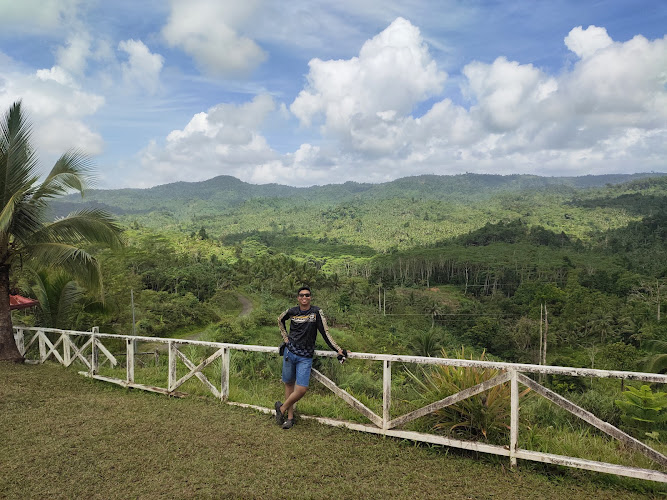
Mabuhay Peak, Tandag Sea of Clouds
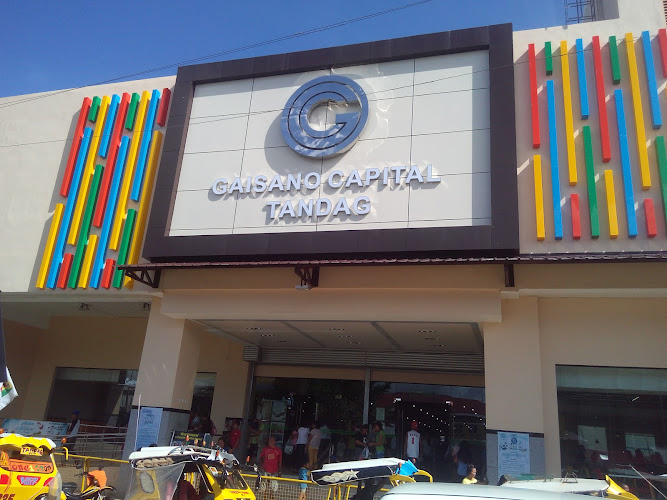
Gaisano Capital Tandag
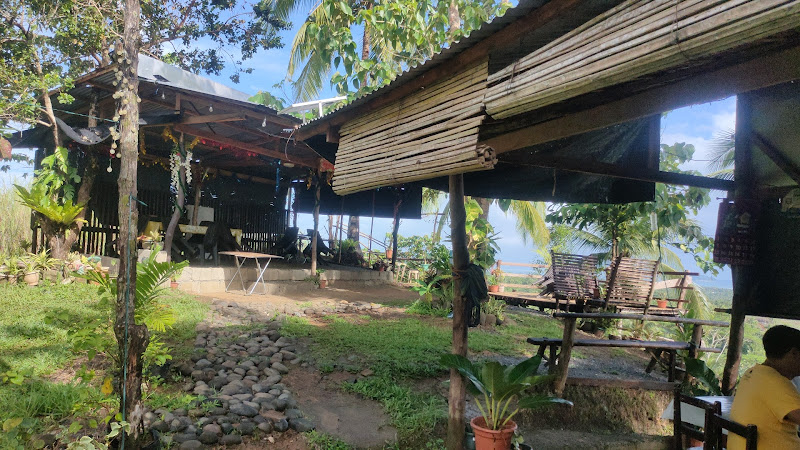
Rosario, Tandag City
Find Accommodations Nearby
Recommended Tours & Activities
Visitor Reviews
There are no reviews yet. Be the first one to write one.
Share Your Experience
Have you visited City of Tandag? Help other travelers by leaving a review.