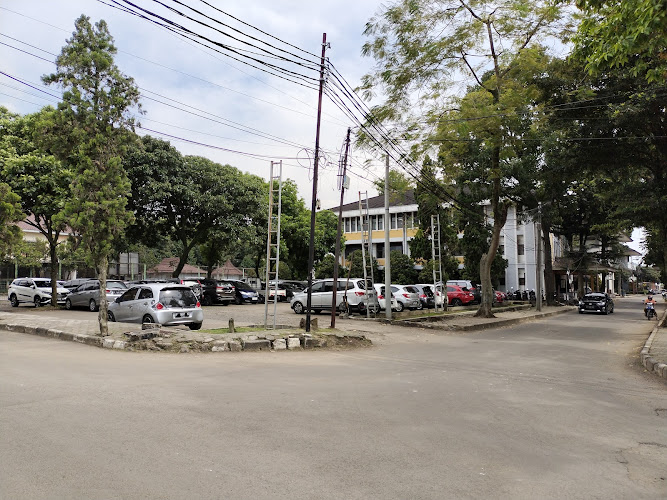
Cimahi City, West Java, Indonesia Cimahi City, IndonesiaCommunity Guide

Cimahi

Cimahi
486 Photos

About & Overview

Description

Tucked just west of Bandung in West Java, Cimahi is an unassuming city where industrial heritage, military history, and Sundanese culture meet a patchwork of green hills and small-town streets. Historically known for its role in the region’s textile and ceramic industries and its military training centers, Cimahi has quietly evolved into a practical gateway for travelers seeking quieter, more local experiences beyond Bandung’s bustle. What makes Cimahi special is its blend of working-city authenticity β€” traditional markets, factory-front commerce, and neighborhood eateries β€” alongside accessible natural sites like nearby waterfalls and ridgelines. Visitors should come for low-key cultural immersion, easy access to nature, and to sample Sundanese food away from tourist crowds. Cimahi also serves well as a base for short excursions into Greater Bandung attractions while offering a slower pace, friendly street-level interactions, and glimpses into everyday Javanese life that larger cities often smooth over.

Highlights & Key Features

  • Close proximity to Bandung β€” easy day trips and transport links
  • Industrial and textile heritage with local markets
  • Military and historical sites reflecting regional importance
  • Access to nearby natural attractions (waterfalls, green hills)
  • Authentic Sundanese food and low-key local atmosphere

Visitor Guide & Information

Description

Cimahi might not be the first name that pops up when travelers think about exploring West Java, but that’s precisely what makes this landlocked city so refreshingly authentic. Sitting just west of Bandung, Cimahi exists in what I’d call that sweet spot between urban accessibility and genuine Indonesian character. The city is part of the sprawling Bandung Metropolitan Area, which means you get all the conveniences of being near a major urban center without the overwhelming crowds that sometimes make popular destinations feel, well, a bit too touristy.

Here’s something I find genuinely fascinating about Cimahi – the name itself tells a story. That β€œCi” prefix you see? It means β€œriver” in Sundanese, the local language spoken throughout much of West Java. And yeah, this matters because it gives you a glimpse into the region’s geography and culture before you even arrive. The city has this interesting identity as a place that’s often overlooked in favor of its more famous neighbor, Bandung, but travelers who take the time to explore Cimahi discover a place where everyday Indonesian life unfolds without the filter of tourism.

The city serves as a residential and commercial hub for the region, and walking through its streets gives you a sense of how real Indonesians live, work, and play. You won’t find massive tourist infrastructure here, which honestly is part of the charm. Instead, you’ll encounter local markets buzzing with activity, small family-owned warungs serving authentic Sundanese cuisine, and neighborhoods where kids still play in the streets and everyone seems to know everyone else. It’s that kind of place where you can actually have meaningful interactions with locals who are genuinely curious about why you’re visiting their city instead of just Bandung.

Key Features

  • Strategic location within the Bandung Metropolitan Area, offering easy access to West Java’s main attractions while maintaining a more relaxed, local atmosphere than neighboring Bandung
  • Authentic Sundanese cultural experiences with opportunities to observe traditional daily life, local customs, and genuine community interactions away from heavy tourist traffic
  • Access to natural attractions in the surrounding areas, including waterfalls, hiking trails, and highland scenery typical of West Java’s volcanic landscape
  • Local markets and traditional warungs where travelers can sample authentic Sundanese cuisine at prices that haven’t been inflated by tourism
  • Residential character that provides insight into Indonesian urban life outside the typical tourist zones, perfect for travelers seeking cultural immersion
  • Historical military significance as home to several Indonesian military institutions, adding a unique dimension to the city’s identity
  • Cooler highland climate compared to coastal Indonesian cities, with temperatures that make exploring on foot comfortable throughout most of the year
  • Local transportation connections that make day trips to Bandung, tea plantations, and volcanic sites easily manageable
  • Growing food scene that blends traditional Sundanese cooking with modern Indonesian cafe culture, particularly appealing to budget-conscious travelers
  • Less commercial atmosphere where experiences feel more genuine and interactions with locals aren’t primarily transactional

Best Time to Visit

Let me be straight with you – Cimahi doesn’t really have a bad time to visit, but there are definitely periods when your experience will be better. The dry season running from May through September is what most guidebooks will tell you is ideal, and yeah, they’re not wrong. During these months, you’ll deal with less rain, which means easier exploration and better conditions for any outdoor activities you’re planning in the surrounding highlands.

But here’s the thing I learned from spending time in this part of Indonesia: the wet season from October through April isn’t actually something to fear. Sure, you’ll get afternoon downpours pretty regularly, but they’re usually brief and honestly quite refreshing given the tropical climate. Plus, everything turns incredibly green, and the waterfalls in the region are at their most impressive. Just pack an umbrella and adjust your schedule to do outdoor activities in the morning.

Temperature-wise, Cimahi sits at a higher elevation than coastal cities, so you’re looking at pleasant conditions year-round. We’re talking average temperatures between 22-28Β°C (72-82Β°F), which beats the sweltering heat of Jakarta or Surabaya any day. Nights can actually get a bit cool, especially during June and July, so throwing a light jacket in your bag isn’t a bad idea.

If you’re trying to avoid crowds – and let’s face it, that’s part of Cimahi’s appeal – steer clear of Indonesian national holidays and school vacation periods. Lebaran (Eid al-Fitr) sees massive domestic travel, and the weeks around Christmas and New Year get busier too. During these times, even smaller cities like Cimahi feel the impact as Indonesian families travel to visit relatives or take vacations.

I’d personally recommend visiting during the shoulder months of April-May or September-October. You get decent weather without peak season prices, and the city maintains its authentic local vibe since most international tourists are still gravitating toward Bali or Yogyakarta.

How to Get There

Getting to Cimahi is actually more straightforward than you might think, especially since it’s practically attached to Bandung. Most travelers will fly into Jakarta’s Soekarno-Hatta International Airport first, which connects to pretty much everywhere. From Jakarta, you’ve got several options, each with its own pros and cons.

The train is honestly my favorite way to make this journey. The route from Jakarta to Bandung is scenic and comfortable, taking around three to three and a half hours depending on which service you catch. Once you arrive at Bandung Station, Cimahi is just a short commuter train ride or taxi trip away – we’re talking maybe 20-30 minutes depending on traffic. The trains in Indonesia have improved dramatically in recent years, with air-conditioned carriages and assigned seating that makes the journey actually pleasant.

Buses are the budget option and run frequently between Jakarta and Bandung. They’re cheaper than trains but take longer – usually four to five hours – and comfort levels vary wildly depending on which company you choose. Some buses will drop you closer to Cimahi, which saves you an additional transfer. Just be prepared for Indonesian driving styles, which can be, shall we say, adventurous.

If you’re flying directly to Bandung, Husein Sastranegara International Airport handles domestic flights and some international connections from neighboring countries. From the airport, Cimahi is incredibly close – less than 30 minutes by taxi or ride-sharing app in normal traffic conditions. And yes, ride-sharing apps like Gojek and Grab work throughout this region, making local transportation way easier than it used to be.

Once you’re in Cimahi itself, getting around is pretty manageable. Angkot (shared minivans) run along set routes and cost next to nothing, though they require a bit of local knowledge to use effectively. Taxis and ride-sharing services are readily available and incredibly affordable by Western standards. For day trips to surrounding attractions, hiring a driver for the day is common practice and gives you flexibility without the stress of navigating unfamiliar roads yourself.

Tips for Visiting

Alright, here’s where I share some practical wisdom that might save you from the mistakes I’ve seen other travelers make in smaller Indonesian cities like Cimahi.

First off, learn a few basic Indonesian phrases before you arrive. English isn’t widely spoken here like it is in Bali or major tourist zones, and locals really appreciate the effort when you try to communicate in their language. Even just β€œterima kasih” (thank you) and β€œberapa harga?” (how much?) will get you surprisingly far. The Sundanese people are genuinely warm and helpful, but language barriers can make interactions awkward if you’re not prepared.

Cash is king in Cimahi. Yeah, some larger establishments accept cards, but most local businesses, markets, and small restaurants operate on cash only. ATMs are available, but not on every corner like in bigger cities. Withdraw enough rupiah before you venture into more residential areas or plan day trips outside the city center. And speaking of money, everything is remarkably affordable here – your budget will stretch much further than in tourist-heavy destinations.

Dress modestly and respectfully. This isn’t Bali where beach culture dominates. Cimahi is a more conservative city, and showing up in tank tops and short shorts will mark you as culturally insensitive. Lightweight, breathable clothing that covers your shoulders and knees is comfortable in the climate and shows respect for local customs. Trust me, you’ll get better interactions with locals when you demonstrate cultural awareness.

The food scene here is absolutely worth exploring, but start slowly if your stomach isn’t used to Indonesian spices and street food. Sambal (chili paste) appears at every meal, and locals like it hot. Don’t be shy about asking for food without sambal or with it on the side until you know your tolerance level. Stick to busy food stalls where turnover is high, and you’ll minimize any digestive adventures.

Transportation timing matters more than you might expect. Traffic between Cimahi and Bandung can be brutal during rush hours (roughly 7-9 AM and 4-7 PM), turning a 20-minute trip into an hour-plus crawl. Plan your movements around these windows when possible, or just embrace the delay and use it as people-watching time.

Download offline maps before you need them. Google Maps works throughout Cimahi, but having offline access saves data and works when connectivity is spotty. The city layout isn’t particularly confusing, but having navigation backup prevents those moments of being totally lost in a residential neighborhood with no way to figure out where you are.

Be prepared for attention if you’re a foreigner. Cimahi doesn’t see massive numbers of international tourists, so you might get stares, requests for photos, and lots of friendly curiosity. It’s almost never threatening or uncomfortable – just genuine interest in why you’re there. Embrace it as an opportunity for cultural exchange rather than treating it as an annoyance.

Weather changes can happen quickly given the highland location, so keep a light rain jacket or umbrella handy even if the morning looks clear. Those afternoon tropical storms I mentioned earlier roll in fast, and being caught without protection when you’re exploring local markets isn’t fun.

Finally, slow down and adjust your expectations. Cimahi isn’t going to wow you with famous landmarks or Instagram-perfect tourist sites. What it offers is something increasingly rare – an authentic glimpse into Indonesian life in a mid-sized city where tourism hasn’t fundamentally changed how people live. If you approach it with curiosity and openness rather than a checklist mentality, you’ll leave with experiences and connections that feel genuinely meaningful rather than manufactured for visitors.

Community & Insider Notes

Last modified March 30, 2026

Description

Cimahi might not be the first name that pops up when travelers think about exploring West Java, but that’s precisely what makes this landlocked city so refreshingly authentic. Sitting just west of Bandung, Cimahi exists in what I’d call that sweet spot between urban accessibility and genuine Indonesian character. The city is part of the sprawling Bandung Metropolitan Area, which means you get all the conveniences of being near a major urban center without the overwhelming crowds that sometimes make popular destinations feel, well, a bit too touristy.

Here’s something I find genuinely fascinating about Cimahi – the name itself tells a story. That “Ci” prefix you see? It means “river” in Sundanese, the local language spoken throughout much of West Java. And yeah, this matters because it gives you a glimpse into the region’s geography and culture before you even arrive. The city has this interesting identity as a place that’s often overlooked in favor of its more famous neighbor, Bandung, but travelers who take the time to explore Cimahi discover a place where everyday Indonesian life unfolds without the filter of tourism.

The city serves as a residential and commercial hub for the region, and walking through its streets gives you a sense of how real Indonesians live, work, and play. You won’t find massive tourist infrastructure here, which honestly is part of the charm. Instead, you’ll encounter local markets buzzing with activity, small family-owned warungs serving authentic Sundanese cuisine, and neighborhoods where kids still play in the streets and everyone seems to know everyone else. It’s that kind of place where you can actually have meaningful interactions with locals who are genuinely curious about why you’re visiting their city instead of just Bandung.

Key Features

  • Strategic location within the Bandung Metropolitan Area, offering easy access to West Java’s main attractions while maintaining a more relaxed, local atmosphere than neighboring Bandung
  • Authentic Sundanese cultural experiences with opportunities to observe traditional daily life, local customs, and genuine community interactions away from heavy tourist traffic
  • Access to natural attractions in the surrounding areas, including waterfalls, hiking trails, and highland scenery typical of West Java’s volcanic landscape
  • Local markets and traditional warungs where travelers can sample authentic Sundanese cuisine at prices that haven’t been inflated by tourism
  • Residential character that provides insight into Indonesian urban life outside the typical tourist zones, perfect for travelers seeking cultural immersion
  • Historical military significance as home to several Indonesian military institutions, adding a unique dimension to the city’s identity
  • Cooler highland climate compared to coastal Indonesian cities, with temperatures that make exploring on foot comfortable throughout most of the year
  • Local transportation connections that make day trips to Bandung, tea plantations, and volcanic sites easily manageable
  • Growing food scene that blends traditional Sundanese cooking with modern Indonesian cafe culture, particularly appealing to budget-conscious travelers
  • Less commercial atmosphere where experiences feel more genuine and interactions with locals aren’t primarily transactional

Best Time to Visit

Let me be straight with you – Cimahi doesn’t really have a bad time to visit, but there are definitely periods when your experience will be better. The dry season running from May through September is what most guidebooks will tell you is ideal, and yeah, they’re not wrong. During these months, you’ll deal with less rain, which means easier exploration and better conditions for any outdoor activities you’re planning in the surrounding highlands.

But here’s the thing I learned from spending time in this part of Indonesia: the wet season from October through April isn’t actually something to fear. Sure, you’ll get afternoon downpours pretty regularly, but they’re usually brief and honestly quite refreshing given the tropical climate. Plus, everything turns incredibly green, and the waterfalls in the region are at their most impressive. Just pack an umbrella and adjust your schedule to do outdoor activities in the morning.

Temperature-wise, Cimahi sits at a higher elevation than coastal cities, so you’re looking at pleasant conditions year-round. We’re talking average temperatures between 22-28Β°C (72-82Β°F), which beats the sweltering heat of Jakarta or Surabaya any day. Nights can actually get a bit cool, especially during June and July, so throwing a light jacket in your bag isn’t a bad idea.

If you’re trying to avoid crowds – and let’s face it, that’s part of Cimahi’s appeal – steer clear of Indonesian national holidays and school vacation periods. Lebaran (Eid al-Fitr) sees massive domestic travel, and the weeks around Christmas and New Year get busier too. During these times, even smaller cities like Cimahi feel the impact as Indonesian families travel to visit relatives or take vacations.

I’d personally recommend visiting during the shoulder months of April-May or September-October. You get decent weather without peak season prices, and the city maintains its authentic local vibe since most international tourists are still gravitating toward Bali or Yogyakarta.

How to Get There

Getting to Cimahi is actually more straightforward than you might think, especially since it’s practically attached to Bandung. Most travelers will fly into Jakarta’s Soekarno-Hatta International Airport first, which connects to pretty much everywhere. From Jakarta, you’ve got several options, each with its own pros and cons.

The train is honestly my favorite way to make this journey. The route from Jakarta to Bandung is scenic and comfortable, taking around three to three and a half hours depending on which service you catch. Once you arrive at Bandung Station, Cimahi is just a short commuter train ride or taxi trip away – we’re talking maybe 20-30 minutes depending on traffic. The trains in Indonesia have improved dramatically in recent years, with air-conditioned carriages and assigned seating that makes the journey actually pleasant.

Buses are the budget option and run frequently between Jakarta and Bandung. They’re cheaper than trains but take longer – usually four to five hours – and comfort levels vary wildly depending on which company you choose. Some buses will drop you closer to Cimahi, which saves you an additional transfer. Just be prepared for Indonesian driving styles, which can be, shall we say, adventurous.

If you’re flying directly to Bandung, Husein Sastranegara International Airport handles domestic flights and some international connections from neighboring countries. From the airport, Cimahi is incredibly close – less than 30 minutes by taxi or ride-sharing app in normal traffic conditions. And yes, ride-sharing apps like Gojek and Grab work throughout this region, making local transportation way easier than it used to be.

Once you’re in Cimahi itself, getting around is pretty manageable. Angkot (shared minivans) run along set routes and cost next to nothing, though they require a bit of local knowledge to use effectively. Taxis and ride-sharing services are readily available and incredibly affordable by Western standards. For day trips to surrounding attractions, hiring a driver for the day is common practice and gives you flexibility without the stress of navigating unfamiliar roads yourself.

Tips for Visiting

Alright, here’s where I share some practical wisdom that might save you from the mistakes I’ve seen other travelers make in smaller Indonesian cities like Cimahi.

First off, learn a few basic Indonesian phrases before you arrive. English isn’t widely spoken here like it is in Bali or major tourist zones, and locals really appreciate the effort when you try to communicate in their language. Even just “terima kasih” (thank you) and “berapa harga?” (how much?) will get you surprisingly far. The Sundanese people are genuinely warm and helpful, but language barriers can make interactions awkward if you’re not prepared.

Cash is king in Cimahi. Yeah, some larger establishments accept cards, but most local businesses, markets, and small restaurants operate on cash only. ATMs are available, but not on every corner like in bigger cities. Withdraw enough rupiah before you venture into more residential areas or plan day trips outside the city center. And speaking of money, everything is remarkably affordable here – your budget will stretch much further than in tourist-heavy destinations.

Dress modestly and respectfully. This isn’t Bali where beach culture dominates. Cimahi is a more conservative city, and showing up in tank tops and short shorts will mark you as culturally insensitive. Lightweight, breathable clothing that covers your shoulders and knees is comfortable in the climate and shows respect for local customs. Trust me, you’ll get better interactions with locals when you demonstrate cultural awareness.

The food scene here is absolutely worth exploring, but start slowly if your stomach isn’t used to Indonesian spices and street food. Sambal (chili paste) appears at every meal, and locals like it hot. Don’t be shy about asking for food without sambal or with it on the side until you know your tolerance level. Stick to busy food stalls where turnover is high, and you’ll minimize any digestive adventures.

Transportation timing matters more than you might expect. Traffic between Cimahi and Bandung can be brutal during rush hours (roughly 7-9 AM and 4-7 PM), turning a 20-minute trip into an hour-plus crawl. Plan your movements around these windows when possible, or just embrace the delay and use it as people-watching time.

Download offline maps before you need them. Google Maps works throughout Cimahi, but having offline access saves data and works when connectivity is spotty. The city layout isn’t particularly confusing, but having navigation backup prevents those moments of being totally lost in a residential neighborhood with no way to figure out where you are.

Be prepared for attention if you’re a foreigner. Cimahi doesn’t see massive numbers of international tourists, so you might get stares, requests for photos, and lots of friendly curiosity. It’s almost never threatening or uncomfortable – just genuine interest in why you’re there. Embrace it as an opportunity for cultural exchange rather than treating it as an annoyance.

Weather changes can happen quickly given the highland location, so keep a light rain jacket or umbrella handy even if the morning looks clear. Those afternoon tropical storms I mentioned earlier roll in fast, and being caught without protection when you’re exploring local markets isn’t fun.

Finally, slow down and adjust your expectations. Cimahi isn’t going to wow you with famous landmarks or Instagram-perfect tourist sites. What it offers is something increasingly rare – an authentic glimpse into Indonesian life in a mid-sized city where tourism hasn’t fundamentally changed how people live. If you approach it with curiosity and openness rather than a checklist mentality, you’ll leave with experiences and connections that feel genuinely meaningful rather than manufactured for visitors.

Key Highlights

  • Close proximity to Bandung β€” easy day trips and transport links
  • Industrial and textile heritage with local markets
  • Military and historical sites reflecting regional importance
  • Access to nearby natural attractions (waterfalls, green hills)
  • Authentic Sundanese food and low-key local atmosphere

Location

Places to Stay Near Cimahi

Find and Book a Tour

Explore More Travel Guides

No reviews found! Be the first to review!

Select a Rating5 Stars4 Stars3 Stars2 Stars1 Star

Cimahi is a prominent Attractions located in Cimahi City.

Nearby Attractions (Within 5 km)

Explore verified points of interest within walking or short transit distance.

No neighboring places mapped within 5 km yet.

Find Places to Stay Nearby

Stay22 provides this accommodation search. We may earn a commission if you book through it; verify current prices and terms with the provider.

Recommended Experiences & Activities

GetYourGuide provides this tour inventory. We may earn a commission if you book through it; verify current availability, prices, and terms with the provider.

Top Viator Experiences & Guided Tours in Cimahi City

We may earn a commission if you book through links on this page at no extra cost to you. All tours feature verified customer reviews and flexible cancellation options.

Traveler Reviews & Community Q&A

No traveler reviews yet. Share your experience below!

No traveler questions yet. Be the first to ask a local!

Real Journey Travels Community