
Chipata
About Chipata
Description
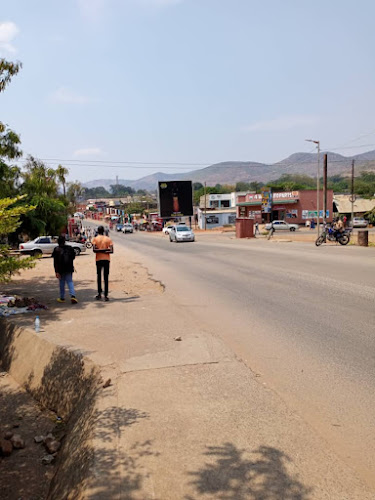
Chipata, the bustling administrative heart of Zambia's Eastern Province, is often overlooked by travelers, but it’s a gem worth your attention. Officially declared the country’s fifth city in 2017, it sits near the border with Malawi, making it a lively crossroads of culture and commerce. Now, I won’t sugarcoat it—Chipata isn’t your typical tourist hotspot with flashy attractions or luxury resorts. Instead, it’s a place where you get to see Zambia’s everyday life unfold, with all its quirks and charm. The city blends a mix of traditional markets, modest eateries, and a genuine warmth from locals that’s hard to find in more polished destinations.
What really stands out is how Chipata balances its role as a provincial capital with a laid-back vibe. You won’t find throngs of tourists here, which means your experience feels authentic, like stepping into a story still being written. The streets buzz with small traders and colorful stalls selling everything from fresh produce to handcrafted goods. And if you’re lucky, you might catch a local festival or market day, where the energy is contagious and the smells of street food fill the air. Sure, it’s not perfect—some infrastructure is still catching up, and things can feel a bit rough around the edges—but that’s part of its charm. It’s real, raw, and unfiltered Zambia.
Key Features
- Strategic location near the Malawi border, perfect for cross-border adventures
- Vibrant local markets offering traditional crafts, fresh food, and unique souvenirs
- Rich cultural mix influenced by various ethnic groups, reflected in food, language, and customs
- Gateway to natural attractions such as the nearby North Luangwa National Park and Lundazi
- Emerging city status with growing infrastructure but still retaining a small-town feel
- Friendly, welcoming locals who are often eager to share stories and traditions
- Affordable accommodation and dining options catering mostly to budget travelers
- Regular local events and festivals that showcase traditional music and dance
Best Time to Visit
If you ask me, timing your visit to Chipata can really make or break the experience. The dry season, which runs from May through October, is hands down the best time to come. The weather is cooler, the skies are clearer, and wildlife viewing in nearby parks is at its peak. Plus, the dusty roads become more manageable, so getting around is less of a chore. I remember visiting in August once, and the crisp mornings paired with lively market scenes made for an unforgettable vibe.
On the flip side, the rainy season (November to April) can be a bit challenging. Roads turn muddy, some attractions become harder to reach, and you might find yourself stuck indoors more often than you'd like. But hey, if you don’t mind the occasional downpour, the landscape bursts into lush green, and the waterfalls and rivers are spectacular. Just pack your boots and an umbrella!
How to Get There
Getting to Chipata is an adventure in itself, and it’s part of what makes the trip memorable. If you’re flying, the city has its own airport with connections mainly from Lusaka. The flights are usually short and affordable, but don’t expect fancy terminals or nonstop service. For the more adventurous souls (and wallet-conscious travelers), the road trip from Lusaka is about 600 kilometers and takes roughly 8 to 10 hours, depending on stops and road conditions. The drive is a mix of paved highways and stretches that can be bumpy, so buckle up and maybe bring some snacks.
Public transport options like minibuses and shared taxis are common, though they can be a bit chaotic if you’re not used to the local style of travel. On the bright side, it’s a fantastic way to mingle with locals and get a genuine feel for the region. If you’re coming from Malawi, Chipata is a popular border crossing point, making it a natural stopover or starting point for exploring Zambia’s eastern side.
Tips for Visiting
Alright, now here’s where I get a bit personal. Having spent a decent chunk of time wandering around Chipata, I’ve picked up a few tips that’ll save you some headaches and maybe even score you some unexpected experiences.
- Carry cash: ATMs are limited and sometimes unreliable. Most places prefer kwacha, so get some before you arrive or in town early on.
- Learn a few local phrases: Even a simple “Muli bwanji?” (How are you?) in Chewa can open doors and smiles.
- Be patient with transport: Schedules are flexible, and things can run late. Embrace the pace—it’s part of the charm.
- Try the local food: Don’t miss nshima (a maize-based staple) served with relishes of fish, vegetables, or meat. It’s humble but hits the spot like nothing else.
- Stay hydrated and pack insect repellent: The climate can be warm, and mosquitoes are around, especially near water bodies.
- Respect local customs: Dress modestly in rural areas, and always ask before photographing people.
- Explore beyond the city: Take day trips to nearby attractions like the Lundazi district or local wildlife sanctuaries for a fuller experience.
- Connect with locals: Don’t be shy to chat. People here are curious and often happy to share stories or invite you to community events.
In the end, Chipata is less about ticking off tourist boxes and more about soaking in a slice of real Zambia. If you’re up for a bit of unpredictability, some friendly faces, and a chance to see a side of Africa that’s often missed, then Chipata should be on your radar. Just remember—it’s not polished, but it’s genuine, and sometimes that’s exactly what travel needs to be.
Key Features
- Strategic location near the Malawi border, perfect for cross-border adventures
- Vibrant local markets offering traditional crafts, fresh food, and unique souvenirs
- Rich cultural mix influenced by various ethnic groups, reflected in food, language, and customs
- Gateway to natural attractions such as the nearby North Luangwa National Park and Lundazi
- Emerging city status with growing infrastructure but still retaining a small-town feel
- Friendly, welcoming locals who are often eager to share stories and traditions
- Affordable accommodation and dining options catering mostly to budget travelers
- Regular local events and festivals that showcase traditional music and dance
More Details
Updated July 17, 2025
Table of Contents
Description
Chipata, the bustling administrative heart of Zambia’s Eastern Province, is often overlooked by travelers, but it’s a gem worth your attention. Officially declared the country’s fifth city in 2017, it sits near the border with Malawi, making it a lively crossroads of culture and commerce. Now, I won’t sugarcoat it—Chipata isn’t your typical tourist hotspot with flashy attractions or luxury resorts. Instead, it’s a place where you get to see Zambia’s everyday life unfold, with all its quirks and charm. The city blends a mix of traditional markets, modest eateries, and a genuine warmth from locals that’s hard to find in more polished destinations.
What really stands out is how Chipata balances its role as a provincial capital with a laid-back vibe. You won’t find throngs of tourists here, which means your experience feels authentic, like stepping into a story still being written. The streets buzz with small traders and colorful stalls selling everything from fresh produce to handcrafted goods. And if you’re lucky, you might catch a local festival or market day, where the energy is contagious and the smells of street food fill the air. Sure, it’s not perfect—some infrastructure is still catching up, and things can feel a bit rough around the edges—but that’s part of its charm. It’s real, raw, and unfiltered Zambia.
Key Features
- Strategic location near the Malawi border, perfect for cross-border adventures
- Vibrant local markets offering traditional crafts, fresh food, and unique souvenirs
- Rich cultural mix influenced by various ethnic groups, reflected in food, language, and customs
- Gateway to natural attractions such as the nearby North Luangwa National Park and Lundazi
- Emerging city status with growing infrastructure but still retaining a small-town feel
- Friendly, welcoming locals who are often eager to share stories and traditions
- Affordable accommodation and dining options catering mostly to budget travelers
- Regular local events and festivals that showcase traditional music and dance
Best Time to Visit
If you ask me, timing your visit to Chipata can really make or break the experience. The dry season, which runs from May through October, is hands down the best time to come. The weather is cooler, the skies are clearer, and wildlife viewing in nearby parks is at its peak. Plus, the dusty roads become more manageable, so getting around is less of a chore. I remember visiting in August once, and the crisp mornings paired with lively market scenes made for an unforgettable vibe.
On the flip side, the rainy season (November to April) can be a bit challenging. Roads turn muddy, some attractions become harder to reach, and you might find yourself stuck indoors more often than you’d like. But hey, if you don’t mind the occasional downpour, the landscape bursts into lush green, and the waterfalls and rivers are spectacular. Just pack your boots and an umbrella!
How to Get There
Getting to Chipata is an adventure in itself, and it’s part of what makes the trip memorable. If you’re flying, the city has its own airport with connections mainly from Lusaka. The flights are usually short and affordable, but don’t expect fancy terminals or nonstop service. For the more adventurous souls (and wallet-conscious travelers), the road trip from Lusaka is about 600 kilometers and takes roughly 8 to 10 hours, depending on stops and road conditions. The drive is a mix of paved highways and stretches that can be bumpy, so buckle up and maybe bring some snacks.
Public transport options like minibuses and shared taxis are common, though they can be a bit chaotic if you’re not used to the local style of travel. On the bright side, it’s a fantastic way to mingle with locals and get a genuine feel for the region. If you’re coming from Malawi, Chipata is a popular border crossing point, making it a natural stopover or starting point for exploring Zambia’s eastern side.
Tips for Visiting
Alright, now here’s where I get a bit personal. Having spent a decent chunk of time wandering around Chipata, I’ve picked up a few tips that’ll save you some headaches and maybe even score you some unexpected experiences.
- Carry cash: ATMs are limited and sometimes unreliable. Most places prefer kwacha, so get some before you arrive or in town early on.
- Learn a few local phrases: Even a simple “Muli bwanji?” (How are you?) in Chewa can open doors and smiles.
- Be patient with transport: Schedules are flexible, and things can run late. Embrace the pace—it’s part of the charm.
- Try the local food: Don’t miss nshima (a maize-based staple) served with relishes of fish, vegetables, or meat. It’s humble but hits the spot like nothing else.
- Stay hydrated and pack insect repellent: The climate can be warm, and mosquitoes are around, especially near water bodies.
- Respect local customs: Dress modestly in rural areas, and always ask before photographing people.
- Explore beyond the city: Take day trips to nearby attractions like the Lundazi district or local wildlife sanctuaries for a fuller experience.
- Connect with locals: Don’t be shy to chat. People here are curious and often happy to share stories or invite you to community events.
In the end, Chipata is less about ticking off tourist boxes and more about soaking in a slice of real Zambia. If you’re up for a bit of unpredictability, some friendly faces, and a chance to see a side of Africa that’s often missed, then Chipata should be on your radar. Just remember—it’s not polished, but it’s genuine, and sometimes that’s exactly what travel needs to be.
Key Highlights
- Strategic location near the Malawi border, perfect for cross-border adventures
- Vibrant local markets offering traditional crafts, fresh food, and unique souvenirs
- Rich cultural mix influenced by various ethnic groups, reflected in food, language, and customs
- Gateway to natural attractions such as the nearby North Luangwa National Park and Lundazi
- Emerging city status with growing infrastructure but still retaining a small-town feel
- Friendly, welcoming locals who are often eager to share stories and traditions
- Affordable accommodation and dining options catering mostly to budget travelers
- Regular local events and festivals that showcase traditional music and dance
Location
Places to Stay Near Chipata
Find and Book a Tour
Explore More Travel Guides
No reviews found! Be the first to review!
Traveler Reviews for Chipata
There are no reviews yet. Be the first one to write one.
Have you visited Chipata? Help other travelers by sharing your review.
You Might Also Like
Chipata Show Grounds
Chipata Forest
Chipata Mall
Find Accommodations Nearby
Recommended Tours & Activities
Visitor Reviews
There are no reviews yet. Be the first one to write one.
Share Your Experience
Have you visited Chipata? Help other travelers by leaving a review.