

Chilakaluripet
About Chilakaluripet
Description
Chilakaluripet stands as a fascinating blend of administrative importance and cultural richness in Andhra Pradesh's Palnadu district. As the mandal headquarters of Chilakaluripet Mandal within the Narasaraopet Revenue Division, this city offers travelers an authentic glimpse into the administrative and social fabric of rural Andhra Pradesh.
What makes Chilakaluripet particularly intriguing for visitors is its role as a regional hub that maintains its traditional character while serving modern administrative functions. The city's name itself carries historical significance - "Chilaka" meaning parrot and "peta" referring to a market town, painting a picture of a place where nature and commerce once intertwined seamlessly.
Unlike the heavily touristy destinations that can feel manufactured, Chilakaluripet presents an unfiltered experience of contemporary Andhra Pradesh life. You'll find yourself immersed in the daily rhythms of a working city where government offices, local markets, educational institutions, and residential areas create a living tapestry of Indian urban life.
The city serves as an excellent base for understanding the broader Palnadu region, which has witnessed significant historical events and cultural developments over centuries. And honestly, there's something refreshing about visiting a place where tourism isn't the primary industry - you get to see how people actually live and work rather than how they present themselves to visitors.
Key Features
Chilakaluripet offers several distinctive features that make it worth exploring:
- Administrative Heritage: The mandal headquarters building and associated government offices showcase the evolution of Indian administrative architecture from colonial times to the present day
- Local Markets: Traditional weekly markets where farmers from surrounding villages bring their produce, offering insights into regional agriculture and commerce
- Educational Institutions: Several schools and colleges that serve as community gathering points and reflect the region's emphasis on education
- Transportation Hub: Strategic location with good connectivity to major cities, making it a natural stopover point for travelers exploring the region
- Cultural Festivals: Local celebrations that blend Hindu traditions with regional customs, particularly during harvest seasons and religious observances
- Agricultural Surroundings: Rice paddies, cotton fields, and other crops that change dramatically with seasons, creating varied landscapes throughout the year
- Local Cuisine: Authentic Andhra Pradesh dishes prepared in family-run establishments, often spicier and more traditional than restaurant versions in larger cities
- Community Temples: Several smaller temples that serve specific neighborhoods, each with unique architectural details and local customs
Best Time to Visit
The ideal time to experience Chilakaluripet is during the cooler months from November through February, when temperatures range from 15°C to 28°C. This period offers comfortable weather for walking around the city and exploring surrounding agricultural areas without the intense heat that characterizes much of the year.
But here's something most travel guides won't tell you - the monsoon season from June to September can actually be quite rewarding if you don't mind occasional downpours. The countryside transforms into a lush green landscape, and the agricultural activity reaches its peak. Rice planting season is particularly fascinating to observe, though you'll need to be prepared for muddy conditions and humid weather.
March through May should generally be avoided unless you're specifically interested in experiencing the intense Andhra Pradesh summer. Temperatures can soar above 40°C, making outdoor exploration quite challenging during midday hours.
For those interested in local festivals and cultural events, timing your visit around major Telugu festivals like Sankranti (January) or during harvest celebrations can provide additional cultural insights. The Karthika month (October-November) often sees increased temple activities and local celebrations.
I'd personally recommend visiting during December or January when the weather is most pleasant and agricultural activity is visible without the intensity of planting or harvesting seasons. The clear skies also make for better photography of the surrounding landscape.
How to Get There
Reaching Chilakaluripet requires some planning, but the journey itself offers scenic views of rural Andhra Pradesh. The most practical approach for most travelers involves flying into Vijayawada Airport, which is approximately 60 kilometers away and serves as the nearest major airport.
From Vijayawada, you have several ground transportation options. Private taxis offer the most convenience and typically take about 1.5 to 2 hours depending on traffic and road conditions. The route passes through smaller towns and agricultural areas, providing a nice introduction to the region.
State-run buses operate regular services between Vijayawada and Chilakaluripet, though comfort levels vary significantly. Express buses are generally more comfortable than local services, but expect frequent stops and varying arrival times. The bus journey can take anywhere from 2 to 3 hours depending on the service type.
For those already in Andhra Pradesh, Chilakaluripet is well-connected to other major cities within the state. Guntur, another significant city in the region, is approximately 40 kilometers away and offers additional transportation connections.
If you're traveling by train, Narasaraopet is the nearest railway station, about 25 kilometers from Chilakaluripet. From there, local buses and shared auto-rickshaws provide connectivity, though this route requires more patience and local navigation skills.
Driving yourself is certainly possible if you're comfortable with Indian road conditions. The roads are generally decent, but expect varying quality and occasional construction delays. GPS navigation works reliably in this area, which wasn't always the case just a few years ago.
Tips for Visiting
Successful exploration of Chilakaluripet requires some practical preparation and cultural awareness. Since English isn't widely spoken outside of government offices and educational institutions, learning a few basic Telugu phrases will significantly enhance your interactions with locals. Even simple greetings and thank-you expressions are appreciated and often lead to warmer encounters.
Accommodation options are limited compared to major tourist destinations, so advance booking is advisable. Local guesthouses and small hotels provide basic amenities, but don't expect luxury facilities. I'd recommend bringing essential toiletries and any specific items you might need, as shopping options for specialty products are limited.
Food safety deserves special attention. Street food can be delicious and authentic, but stick to places with high turnover and visible cooking processes. The local Andhra cuisine is notoriously spicy, so if you're sensitive to heat, always ask about spice levels and consider carrying antacids.
Respect for local customs is particularly important in smaller cities like Chilakaluripet. Dress modestly, especially when visiting temples or government offices. Women should consider carrying a scarf or shawl for covering shoulders when needed.
Banking and ATM facilities exist but may have limited cash availability, especially during weekends or festivals. Carrying sufficient cash is prudent, and inform your bank about travel plans to avoid card blocking issues.
Weather preparation extends beyond just clothing. The sun can be intense even during cooler months, so sunscreen, hats, and sunglasses are essential. During monsoon season, waterproof bags for electronics and quick-dry clothing make travel much more comfortable.
Photography etiquette matters greatly. Always ask permission before photographing people, especially in rural areas surrounding the city. Government buildings may have photography restrictions, so check before taking pictures.
Transportation within the city relies heavily on auto-rickshaws and local buses. Negotiate auto-rickshaw fares in advance, as meters aren't always used. For longer stays, consider establishing relationships with reliable drivers who can also serve as informal guides.
Finally, embrace the slower pace of life that characterizes places like Chilakaluripet. Things may not happen on strict schedules, offices might close unexpectedly, and plans may need adjustment. This flexibility often leads to unexpected discoveries and genuine cultural exchanges that make the journey worthwhile.
Key Features
- Key Features
- Best Time to Visit
- How to Get There
- Tips for Visiting
More Details
Updated September 16, 2025
Table of Contents
Description
Chilakaluripet stands as a fascinating blend of administrative importance and cultural richness in Andhra Pradesh’s Palnadu district. As the mandal headquarters of Chilakaluripet Mandal within the Narasaraopet Revenue Division, this city offers travelers an authentic glimpse into the administrative and social fabric of rural Andhra Pradesh.
What makes Chilakaluripet particularly intriguing for visitors is its role as a regional hub that maintains its traditional character while serving modern administrative functions. The city’s name itself carries historical significance – “Chilaka” meaning parrot and “peta” referring to a market town, painting a picture of a place where nature and commerce once intertwined seamlessly.
Unlike the heavily touristy destinations that can feel manufactured, Chilakaluripet presents an unfiltered experience of contemporary Andhra Pradesh life. You’ll find yourself immersed in the daily rhythms of a working city where government offices, local markets, educational institutions, and residential areas create a living tapestry of Indian urban life.
The city serves as an excellent base for understanding the broader Palnadu region, which has witnessed significant historical events and cultural developments over centuries. And honestly, there’s something refreshing about visiting a place where tourism isn’t the primary industry – you get to see how people actually live and work rather than how they present themselves to visitors.
Key Features
Chilakaluripet offers several distinctive features that make it worth exploring:
- Administrative Heritage: The mandal headquarters building and associated government offices showcase the evolution of Indian administrative architecture from colonial times to the present day
- Local Markets: Traditional weekly markets where farmers from surrounding villages bring their produce, offering insights into regional agriculture and commerce
- Educational Institutions: Several schools and colleges that serve as community gathering points and reflect the region’s emphasis on education
- Transportation Hub: Strategic location with good connectivity to major cities, making it a natural stopover point for travelers exploring the region
- Cultural Festivals: Local celebrations that blend Hindu traditions with regional customs, particularly during harvest seasons and religious observances
- Agricultural Surroundings: Rice paddies, cotton fields, and other crops that change dramatically with seasons, creating varied landscapes throughout the year
- Local Cuisine: Authentic Andhra Pradesh dishes prepared in family-run establishments, often spicier and more traditional than restaurant versions in larger cities
- Community Temples: Several smaller temples that serve specific neighborhoods, each with unique architectural details and local customs
Best Time to Visit
The ideal time to experience Chilakaluripet is during the cooler months from November through February, when temperatures range from 15°C to 28°C. This period offers comfortable weather for walking around the city and exploring surrounding agricultural areas without the intense heat that characterizes much of the year.
But here’s something most travel guides won’t tell you – the monsoon season from June to September can actually be quite rewarding if you don’t mind occasional downpours. The countryside transforms into a lush green landscape, and the agricultural activity reaches its peak. Rice planting season is particularly fascinating to observe, though you’ll need to be prepared for muddy conditions and humid weather.
March through May should generally be avoided unless you’re specifically interested in experiencing the intense Andhra Pradesh summer. Temperatures can soar above 40°C, making outdoor exploration quite challenging during midday hours.
For those interested in local festivals and cultural events, timing your visit around major Telugu festivals like Sankranti (January) or during harvest celebrations can provide additional cultural insights. The Karthika month (October-November) often sees increased temple activities and local celebrations.
I’d personally recommend visiting during December or January when the weather is most pleasant and agricultural activity is visible without the intensity of planting or harvesting seasons. The clear skies also make for better photography of the surrounding landscape.
How to Get There
Reaching Chilakaluripet requires some planning, but the journey itself offers scenic views of rural Andhra Pradesh. The most practical approach for most travelers involves flying into Vijayawada Airport, which is approximately 60 kilometers away and serves as the nearest major airport.
From Vijayawada, you have several ground transportation options. Private taxis offer the most convenience and typically take about 1.5 to 2 hours depending on traffic and road conditions. The route passes through smaller towns and agricultural areas, providing a nice introduction to the region.
State-run buses operate regular services between Vijayawada and Chilakaluripet, though comfort levels vary significantly. Express buses are generally more comfortable than local services, but expect frequent stops and varying arrival times. The bus journey can take anywhere from 2 to 3 hours depending on the service type.
For those already in Andhra Pradesh, Chilakaluripet is well-connected to other major cities within the state. Guntur, another significant city in the region, is approximately 40 kilometers away and offers additional transportation connections.
If you’re traveling by train, Narasaraopet is the nearest railway station, about 25 kilometers from Chilakaluripet. From there, local buses and shared auto-rickshaws provide connectivity, though this route requires more patience and local navigation skills.
Driving yourself is certainly possible if you’re comfortable with Indian road conditions. The roads are generally decent, but expect varying quality and occasional construction delays. GPS navigation works reliably in this area, which wasn’t always the case just a few years ago.
Tips for Visiting
Successful exploration of Chilakaluripet requires some practical preparation and cultural awareness. Since English isn’t widely spoken outside of government offices and educational institutions, learning a few basic Telugu phrases will significantly enhance your interactions with locals. Even simple greetings and thank-you expressions are appreciated and often lead to warmer encounters.
Accommodation options are limited compared to major tourist destinations, so advance booking is advisable. Local guesthouses and small hotels provide basic amenities, but don’t expect luxury facilities. I’d recommend bringing essential toiletries and any specific items you might need, as shopping options for specialty products are limited.
Food safety deserves special attention. Street food can be delicious and authentic, but stick to places with high turnover and visible cooking processes. The local Andhra cuisine is notoriously spicy, so if you’re sensitive to heat, always ask about spice levels and consider carrying antacids.
Respect for local customs is particularly important in smaller cities like Chilakaluripet. Dress modestly, especially when visiting temples or government offices. Women should consider carrying a scarf or shawl for covering shoulders when needed.
Banking and ATM facilities exist but may have limited cash availability, especially during weekends or festivals. Carrying sufficient cash is prudent, and inform your bank about travel plans to avoid card blocking issues.
Weather preparation extends beyond just clothing. The sun can be intense even during cooler months, so sunscreen, hats, and sunglasses are essential. During monsoon season, waterproof bags for electronics and quick-dry clothing make travel much more comfortable.
Photography etiquette matters greatly. Always ask permission before photographing people, especially in rural areas surrounding the city. Government buildings may have photography restrictions, so check before taking pictures.
Transportation within the city relies heavily on auto-rickshaws and local buses. Negotiate auto-rickshaw fares in advance, as meters aren’t always used. For longer stays, consider establishing relationships with reliable drivers who can also serve as informal guides.
Finally, embrace the slower pace of life that characterizes places like Chilakaluripet. Things may not happen on strict schedules, offices might close unexpectedly, and plans may need adjustment. This flexibility often leads to unexpected discoveries and genuine cultural exchanges that make the journey worthwhile.
Key Highlights
- Key Features
- Best Time to Visit
- How to Get There
- Tips for Visiting
Location
Places to Stay Near Chilakaluripet
Find and Book a Tour
Explore More Travel Guides
No reviews found! Be the first to review!
Traveler Reviews for Chilakaluripet
There are no reviews yet. Be the first one to write one.
Have you visited Chilakaluripet? Help other travelers by sharing your review.
You Might Also Like
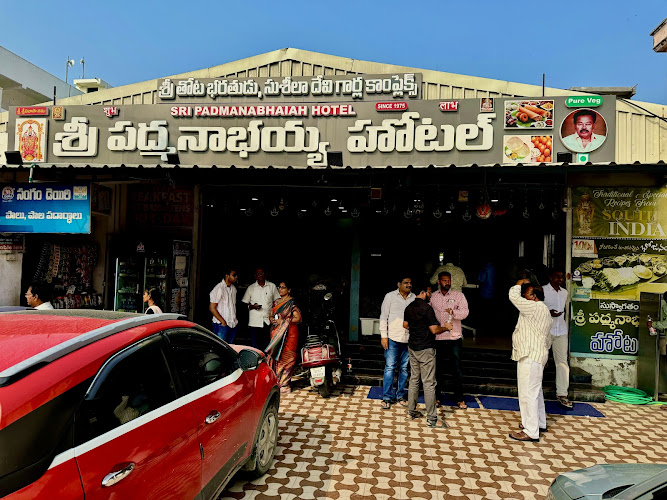
Sri Padmanabhaiah Hotel
Fields areas for walking, peacefulness
Police Station
Find Accommodations Nearby
Recommended Tours & Activities
Visitor Reviews
There are no reviews yet. Be the first one to write one.
Share Your Experience
Have you visited Chilakaluripet? Help other travelers by leaving a review.