
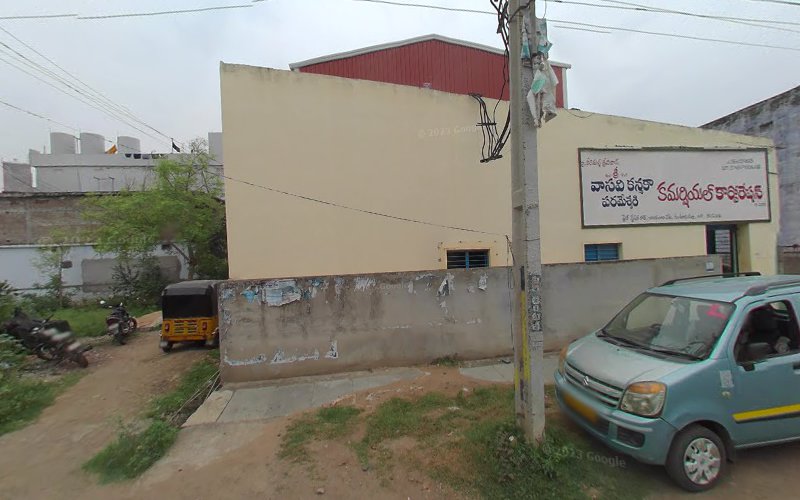
Police Station
About Police Station
Description
When you're traveling to a new destination, understanding the local civil police infrastructure can be surprisingly important for your peace of mind and practical needs. The police station serves as the central hub for law enforcement activities in the community, and honestly, it's one of those places you hope you'll never need but are grateful exists.
This particular police station represents the backbone of local civil law enforcement - the kind of facility that handles everything from routine paperwork to emergency responses. And let me tell you, having spent time in various cities around the world, there's something reassuring about knowing where your nearest police station is located.
The station operates as a full-service civil police facility, which means they handle the bread-and-butter police work that keeps communities safe. We're talking about report filing, citizen services, patrol coordination, and all those administrative functions that might not make the evening news but are absolutely crucial for maintaining order. It's not the flashiest destination on your travel itinerary, but it's definitely one worth knowing about.
What strikes most visitors is how these facilities often reflect the character of their communities. Some are housed in historic buildings that have served the public for decades, while others occupy modern structures designed with contemporary policing needs in mind. The atmosphere tends to be professional yet approachable - after all, these officers serve the community, including visitors like yourself.
Key Features
Understanding what services and features are available at your local police station can make all the difference during your travels. Here's what you can typically expect to find:
- 24/7 Emergency Response Capability - The station maintains round-the-clock staffing to handle urgent situations and dispatch officers when needed
- Public Service Counter - A dedicated area where civilians can file reports, request services, or seek assistance with various police-related matters
- Report Filing Services - Essential for travelers who might need to document theft, accidents, or other incidents for insurance purposes
- Lost and Found Department - You'd be amazed how many travelers' belongings end up here, from forgotten cameras to misplaced wallets
- Community Liaison Services - Many stations have officers specifically trained to assist tourists and provide local safety information
- Evidence Processing Areas - Secure facilities for handling and storing evidence related to ongoing investigations
- Interview and Conference Rooms - Private spaces where sensitive matters can be discussed away from the busy main areas
- Parking and Accessibility Features - Most modern stations include visitor parking and comply with accessibility standards
- Multilingual Resources - Depending on the location, staff or translation services may be available to assist international visitors
- Information and Referral Services - Officers can often direct you to other municipal services or provide local safety advisories
But here's something most people don't realize - many police stations also serve as informal community information centers. I've personally had officers provide directions, recommend safe areas to visit, and even suggest local restaurants. They're incredibly knowledgeable about their jurisdictions.
Best Time to Visit
Now, let's be honest - nobody plans to visit a police station during their vacation. However, if circumstances require it, timing can make your experience much smoother and more efficient.
The optimal window for non-emergency visits falls between 9:00 AM and 3:00 PM on weekdays. During these hours, you'll find full administrative staffing, shorter wait times, and access to specialized services that might not be available during evening or weekend shifts. Plus, if you need to connect with other municipal offices or services, they're more likely to be open and accessible during these peak business hours.
Tuesday through Thursday typically offer the most streamlined service. Mondays can be hectic as officers catch up on weekend incidents and administrative backlogs. Fridays often see increased activity as people handle last-minute business before the weekend.
If you're dealing with something like a stolen passport or need to file a report for insurance purposes, arriving mid-morning gives you the best chance of having your paperwork processed the same day. And trust me, when you're traveling and dealing with bureaucracy, same-day service is golden.
Weekend visits should be reserved for genuine emergencies. While stations maintain 24/7 operations, administrative services are often limited, and you might find yourself waiting longer or needing to return during regular business hours to complete certain processes.
One thing I've learned from experience - if you're visiting during tourist season, expect slightly longer wait times. Popular destinations often see increased foot traffic from visitors needing various services, so patience becomes your friend.
How to Get There
Police stations are strategically positioned for maximum accessibility and response efficiency, which generally works in your favor as a visitor. Most are located along major thoroughfares or in central areas that are well-connected to public transportation networks.
Public transportation often provides the most straightforward route. Buses and transit systems typically have stops near or within walking distance of police facilities - it's actually part of urban planning strategy to ensure these essential services remain accessible to all community members regardless of their transportation situation.
If you're driving, expect clearly marked signage as you approach the area. Most stations provide dedicated visitor parking, though spaces can fill up during busy periods. I always recommend allowing extra time for parking and walking, especially if you're unfamiliar with the neighborhood layout.
Ride-sharing services work well for police station visits, particularly if you're dealing with a situation where your own vehicle isn't available. Most drivers are familiar with these locations, and the pickup/drop-off process is typically smooth since these areas are designed for vehicle access.
Walking might be your best option if you're staying nearby. Police stations are often integrated into pedestrian-friendly areas, and walking gives you a chance to familiarize yourself with the neighborhood - something that can be valuable if you need to return or want to understand the local area better.
For international travelers, don't hesitate to ask your hotel concierge for specific directions. They often have relationships with local authorities and can provide the most current information about access routes, parking availability, and any temporary changes due to construction or special events.
Tips for Visiting
Visiting a police station as a traveler requires a bit of preparation and the right mindset. Here's what I've learned from various encounters with law enforcement facilities around the world.
Bring multiple forms of identification. Your passport is obvious, but having backup documentation like a driver's license, credit cards, or even photos of important documents on your phone can speed up the process significantly. Officers need to verify your identity for most services, and being thorough upfront saves everyone time.
Prepare your story clearly and concisely before you arrive. Whether you're reporting an incident or seeking assistance, having your facts organized makes the interaction more efficient. Jot down key details like dates, times, locations, and names if relevant. Trust me, stress can make you forget important details, and officers appreciate when visitors come prepared.
Dress appropriately and maintain a respectful demeanor. Police stations are professional environments, and your appearance and attitude influence how quickly and effectively you receive assistance. This isn't about being intimidated - it's about recognizing that officers deal with serious situations all day, and approaching them professionally gets better results.
Be patient with wait times and procedures. Government facilities operate on established protocols that can't be rushed or bypassed. I've seen travelers get frustrated with paperwork requirements or processing times, but cooperation and understanding typically lead to much smoother experiences.
Bring cash for any potential fees. Some services require payment for documents, copies, or processing, and not all stations accept credit cards. Having small bills available prevents delays and additional trips to find an ATM.
Consider language barriers proactively. If English isn't the primary local language, having key phrases written down or using translation apps can be incredibly helpful. Many officers appreciate the effort, and clear communication prevents misunderstandings.
Keep copies of any documents or report numbers you receive. These often become crucial for insurance claims, embassy services, or follow-up procedures. Take photos with your phone as backup - digital copies are accessible even if you lose physical paperwork.
Finally, remember that police officers are generally helpful resources for travelers beyond their official duties. They know their communities intimately and can often provide valuable safety advice, directions, or recommendations. A friendly, respectful interaction might yield insights that guidebooks simply can't provide.
Key Features
- Local civil policing and public safety services
- Located near Guntur Road and police quarters in Chilakaluripet
- Assistance with complaints, lost property and local guidance
- Accessible to travelers for non-emergency administrative help
- Operates as a community hub during market and festival days
More Details
Updated September 16, 2025
Table of Contents
Description
When you’re traveling to a new destination, understanding the local civil police infrastructure can be surprisingly important for your peace of mind and practical needs. The police station serves as the central hub for law enforcement activities in the community, and honestly, it’s one of those places you hope you’ll never need but are grateful exists.
This particular police station represents the backbone of local civil law enforcement – the kind of facility that handles everything from routine paperwork to emergency responses. And let me tell you, having spent time in various cities around the world, there’s something reassuring about knowing where your nearest police station is located.
The station operates as a full-service civil police facility, which means they handle the bread-and-butter police work that keeps communities safe. We’re talking about report filing, citizen services, patrol coordination, and all those administrative functions that might not make the evening news but are absolutely crucial for maintaining order. It’s not the flashiest destination on your travel itinerary, but it’s definitely one worth knowing about.
What strikes most visitors is how these facilities often reflect the character of their communities. Some are housed in historic buildings that have served the public for decades, while others occupy modern structures designed with contemporary policing needs in mind. The atmosphere tends to be professional yet approachable – after all, these officers serve the community, including visitors like yourself.
Key Features
Understanding what services and features are available at your local police station can make all the difference during your travels. Here’s what you can typically expect to find:
- 24/7 Emergency Response Capability – The station maintains round-the-clock staffing to handle urgent situations and dispatch officers when needed
- Public Service Counter – A dedicated area where civilians can file reports, request services, or seek assistance with various police-related matters
- Report Filing Services – Essential for travelers who might need to document theft, accidents, or other incidents for insurance purposes
- Lost and Found Department – You’d be amazed how many travelers’ belongings end up here, from forgotten cameras to misplaced wallets
- Community Liaison Services – Many stations have officers specifically trained to assist tourists and provide local safety information
- Evidence Processing Areas – Secure facilities for handling and storing evidence related to ongoing investigations
- Interview and Conference Rooms – Private spaces where sensitive matters can be discussed away from the busy main areas
- Parking and Accessibility Features – Most modern stations include visitor parking and comply with accessibility standards
- Multilingual Resources – Depending on the location, staff or translation services may be available to assist international visitors
- Information and Referral Services – Officers can often direct you to other municipal services or provide local safety advisories
But here’s something most people don’t realize – many police stations also serve as informal community information centers. I’ve personally had officers provide directions, recommend safe areas to visit, and even suggest local restaurants. They’re incredibly knowledgeable about their jurisdictions.
Best Time to Visit
Now, let’s be honest – nobody plans to visit a police station during their vacation. However, if circumstances require it, timing can make your experience much smoother and more efficient.
The optimal window for non-emergency visits falls between 9:00 AM and 3:00 PM on weekdays. During these hours, you’ll find full administrative staffing, shorter wait times, and access to specialized services that might not be available during evening or weekend shifts. Plus, if you need to connect with other municipal offices or services, they’re more likely to be open and accessible during these peak business hours.
Tuesday through Thursday typically offer the most streamlined service. Mondays can be hectic as officers catch up on weekend incidents and administrative backlogs. Fridays often see increased activity as people handle last-minute business before the weekend.
If you’re dealing with something like a stolen passport or need to file a report for insurance purposes, arriving mid-morning gives you the best chance of having your paperwork processed the same day. And trust me, when you’re traveling and dealing with bureaucracy, same-day service is golden.
Weekend visits should be reserved for genuine emergencies. While stations maintain 24/7 operations, administrative services are often limited, and you might find yourself waiting longer or needing to return during regular business hours to complete certain processes.
One thing I’ve learned from experience – if you’re visiting during tourist season, expect slightly longer wait times. Popular destinations often see increased foot traffic from visitors needing various services, so patience becomes your friend.
How to Get There
Police stations are strategically positioned for maximum accessibility and response efficiency, which generally works in your favor as a visitor. Most are located along major thoroughfares or in central areas that are well-connected to public transportation networks.
Public transportation often provides the most straightforward route. Buses and transit systems typically have stops near or within walking distance of police facilities – it’s actually part of urban planning strategy to ensure these essential services remain accessible to all community members regardless of their transportation situation.
If you’re driving, expect clearly marked signage as you approach the area. Most stations provide dedicated visitor parking, though spaces can fill up during busy periods. I always recommend allowing extra time for parking and walking, especially if you’re unfamiliar with the neighborhood layout.
Ride-sharing services work well for police station visits, particularly if you’re dealing with a situation where your own vehicle isn’t available. Most drivers are familiar with these locations, and the pickup/drop-off process is typically smooth since these areas are designed for vehicle access.
Walking might be your best option if you’re staying nearby. Police stations are often integrated into pedestrian-friendly areas, and walking gives you a chance to familiarize yourself with the neighborhood – something that can be valuable if you need to return or want to understand the local area better.
For international travelers, don’t hesitate to ask your hotel concierge for specific directions. They often have relationships with local authorities and can provide the most current information about access routes, parking availability, and any temporary changes due to construction or special events.
Tips for Visiting
Visiting a police station as a traveler requires a bit of preparation and the right mindset. Here’s what I’ve learned from various encounters with law enforcement facilities around the world.
Bring multiple forms of identification. Your passport is obvious, but having backup documentation like a driver’s license, credit cards, or even photos of important documents on your phone can speed up the process significantly. Officers need to verify your identity for most services, and being thorough upfront saves everyone time.
Prepare your story clearly and concisely before you arrive. Whether you’re reporting an incident or seeking assistance, having your facts organized makes the interaction more efficient. Jot down key details like dates, times, locations, and names if relevant. Trust me, stress can make you forget important details, and officers appreciate when visitors come prepared.
Dress appropriately and maintain a respectful demeanor. Police stations are professional environments, and your appearance and attitude influence how quickly and effectively you receive assistance. This isn’t about being intimidated – it’s about recognizing that officers deal with serious situations all day, and approaching them professionally gets better results.
Be patient with wait times and procedures. Government facilities operate on established protocols that can’t be rushed or bypassed. I’ve seen travelers get frustrated with paperwork requirements or processing times, but cooperation and understanding typically lead to much smoother experiences.
Bring cash for any potential fees. Some services require payment for documents, copies, or processing, and not all stations accept credit cards. Having small bills available prevents delays and additional trips to find an ATM.
Consider language barriers proactively. If English isn’t the primary local language, having key phrases written down or using translation apps can be incredibly helpful. Many officers appreciate the effort, and clear communication prevents misunderstandings.
Keep copies of any documents or report numbers you receive. These often become crucial for insurance claims, embassy services, or follow-up procedures. Take photos with your phone as backup – digital copies are accessible even if you lose physical paperwork.
Finally, remember that police officers are generally helpful resources for travelers beyond their official duties. They know their communities intimately and can often provide valuable safety advice, directions, or recommendations. A friendly, respectful interaction might yield insights that guidebooks simply can’t provide.
Key Highlights
- Local civil policing and public safety services
- Located near Guntur Road and police quarters in Chilakaluripet
- Assistance with complaints, lost property and local guidance
- Accessible to travelers for non-emergency administrative help
- Operates as a community hub during market and festival days
Location
Places to Stay Near Police Station
Find and Book a Tour
Explore More Travel Guides
No reviews found! Be the first to review!
Traveler Reviews for Police Station
There are no reviews yet. Be the first one to write one.
Have you visited Police Station? Help other travelers by sharing your review.
Nearby Attractions
You Might Also Like

East Christianpet Ambedkar Park
Sri Padmanabhaiah Hotel

Modern Shopping Mall
Find Accommodations Nearby
Recommended Tours & Activities
Visitor Reviews
There are no reviews yet. Be the first one to write one.
Share Your Experience
Have you visited Police Station? Help other travelers by leaving a review.