Chengdu Museum
About Chengdu Museum
Description
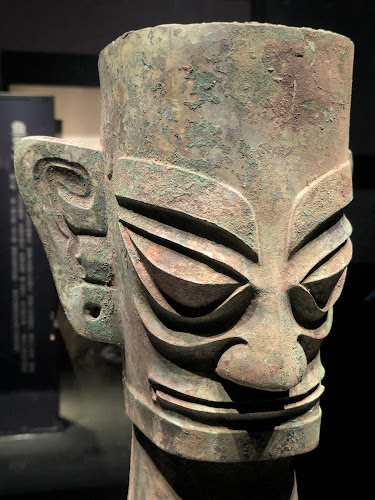
The Chengdu Museum is one of those places that feels more like a journey through time than a standard museum visit. As the largest comprehensive museum in Chengdu, it houses nearly 200,000 artifacts that stretch from the Neolithic period all the way to the Republic of China era. That’s a lot of history packed under one roof, and honestly, it can be a little overwhelming at first—but in the best way possible. Walking through its halls, you get this sense that the city’s entire story is unfolding right in front of you, from ancient pottery and bronzeware to delicate shadow puppets and Sichuan opera costumes. It’s not just about dusty relics either; the way the exhibits are curated makes the past feel alive, almost like you’re stepping into the shoes of the people who lived it.
What’s also worth mentioning is how approachable the museum feels. It’s clean, modern, and thoughtfully designed, with wide open spaces and clear signage that make it easy to navigate. Families often bring their kids here because the exhibits are engaging without being too academic, and there are plenty of interactive displays that keep younger visitors entertained. Accessibility has also been taken seriously, with wheelchair-friendly entrances and restrooms, so no one feels left out. And yes, there’s a café and a restaurant inside, which is a lifesaver if you’ve been wandering for hours and suddenly realize you’re starving. I’ve personally found myself lingering longer than expected, just because it’s such a comfortable place to spend an afternoon.
Now, is it perfect? Not exactly. Some visitors might find certain sections a bit crowded, especially on weekends or public holidays, and there are always those who feel the exhibits could go deeper into specific historical details. But the overall impression is overwhelmingly positive. The museum does a fantastic job of balancing education with entertainment, and it leaves most people walking away with a deeper appreciation of Chengdu’s cultural roots. If you’re the kind of traveler who likes to really understand a city beyond its food and nightlife, this is the place to do it.
Key Features
- Nearly 200,000 artifacts spanning from the Neolithic era to modern history
- Special exhibitions on Sichuan opera, shadow puppetry, and regional folk culture
- Interactive displays and multimedia presentations that engage both adults and children
- Wheelchair-accessible entrances and restrooms for inclusive access
- On-site restaurant and café for convenient dining during your visit
- Kid-friendly exhibits that make history approachable for younger visitors
- Modern architecture with spacious galleries and natural light
Best Time to Visit
If you want to avoid the crowds, weekdays are hands down the best time to go. Mornings are generally calmer, and you’ll have more breathing room to take in the details without feeling rushed. Weekends and public holidays can get hectic, with large groups and families flocking in, so unless you thrive in busy environments, you might want to skip those. Personally, I like visiting in the late afternoon, when the light filters gently through the windows and the pace feels more relaxed. Also, Chengdu summers can be hot and humid, so the museum doubles as a refreshing indoor escape with air conditioning—something you’ll appreciate if you’ve been wandering around Tianfu Square nearby.
How to Get There
The Chengdu Museum is located right in the heart of the city, close to Tianfu Square, which makes it incredibly easy to reach. If you’re using the metro, Tianfu Square Station is the most convenient stop, and from there it’s just a short walk. Taxis and ride-hailing apps are also widely available in Chengdu, and drivers usually know the museum well, so you won’t have to worry about directions. For those who prefer exploring on foot, the museum is within walking distance of several other attractions, so it’s easy to include it as part of a day-long city stroll. Public buses also stop nearby, but honestly, the metro is usually the simplest option for visitors.
Tips for Visiting
First and foremost, plan ahead. Tickets can be reserved online, and it’s smart to do so in advance, especially during peak travel seasons. Entry is free for many exhibitions, but special exhibits may require a small fee. Wear comfortable shoes—you’ll be on your feet for a while, and the galleries cover multiple floors. If you’re traveling with kids, set aside enough time for the puppet and opera sections, which are usually their favorites. Photography is allowed in most areas, but flash is prohibited, so keep that in mind if you’re hoping to capture the details of artifacts.
Another tip: don’t try to see everything in one go. With such a massive collection, it’s easy to get “museum fatigue.” Pick a few sections that interest you most—maybe ancient bronzes, or the folk art displays—and focus on those. You can always come back another day if you’re staying in Chengdu longer. Also, grab a coffee or snack at the café midway through your visit; it gives you a chance to recharge and reflect on what you’ve seen so far. And if you’re like me and enjoy people-watching, the museum’s open spaces are great for observing how locals interact with their own history—it adds another layer to the experience.
Lastly, be patient and take your time. Museums like this aren’t just about checking off a list of artifacts. They’re about connecting with the stories of the past and letting them shape how you see the present. The Chengdu Museum does that beautifully, and if you give it the time it deserves, you’ll walk away with more than just photos—you’ll leave with a deeper understanding of the city itself.
Key Features
- Nearly 200,000 artifacts spanning from the Neolithic era to modern history
- Special exhibitions on Sichuan opera, shadow puppetry, and regional folk culture
- Interactive displays and multimedia presentations that engage both adults and children
- Wheelchair-accessible entrances and restrooms for inclusive access
- On-site restaurant and café for convenient dining during your visit
- Kid-friendly exhibits that make history approachable for younger visitors
- Modern architecture with spacious galleries and natural light
More Details
Updated October 1, 2025
Table of Contents
Description
The Chengdu Museum is one of those places that feels more like a journey through time than a standard museum visit. As the largest comprehensive museum in Chengdu, it houses nearly 200,000 artifacts that stretch from the Neolithic period all the way to the Republic of China era. That’s a lot of history packed under one roof, and honestly, it can be a little overwhelming at first—but in the best way possible. Walking through its halls, you get this sense that the city’s entire story is unfolding right in front of you, from ancient pottery and bronzeware to delicate shadow puppets and Sichuan opera costumes. It’s not just about dusty relics either; the way the exhibits are curated makes the past feel alive, almost like you’re stepping into the shoes of the people who lived it.
What’s also worth mentioning is how approachable the museum feels. It’s clean, modern, and thoughtfully designed, with wide open spaces and clear signage that make it easy to navigate. Families often bring their kids here because the exhibits are engaging without being too academic, and there are plenty of interactive displays that keep younger visitors entertained. Accessibility has also been taken seriously, with wheelchair-friendly entrances and restrooms, so no one feels left out. And yes, there’s a café and a restaurant inside, which is a lifesaver if you’ve been wandering for hours and suddenly realize you’re starving. I’ve personally found myself lingering longer than expected, just because it’s such a comfortable place to spend an afternoon.
Now, is it perfect? Not exactly. Some visitors might find certain sections a bit crowded, especially on weekends or public holidays, and there are always those who feel the exhibits could go deeper into specific historical details. But the overall impression is overwhelmingly positive. The museum does a fantastic job of balancing education with entertainment, and it leaves most people walking away with a deeper appreciation of Chengdu’s cultural roots. If you’re the kind of traveler who likes to really understand a city beyond its food and nightlife, this is the place to do it.
Key Features
- Nearly 200,000 artifacts spanning from the Neolithic era to modern history
- Special exhibitions on Sichuan opera, shadow puppetry, and regional folk culture
- Interactive displays and multimedia presentations that engage both adults and children
- Wheelchair-accessible entrances and restrooms for inclusive access
- On-site restaurant and café for convenient dining during your visit
- Kid-friendly exhibits that make history approachable for younger visitors
- Modern architecture with spacious galleries and natural light
Best Time to Visit
If you want to avoid the crowds, weekdays are hands down the best time to go. Mornings are generally calmer, and you’ll have more breathing room to take in the details without feeling rushed. Weekends and public holidays can get hectic, with large groups and families flocking in, so unless you thrive in busy environments, you might want to skip those. Personally, I like visiting in the late afternoon, when the light filters gently through the windows and the pace feels more relaxed. Also, Chengdu summers can be hot and humid, so the museum doubles as a refreshing indoor escape with air conditioning—something you’ll appreciate if you’ve been wandering around Tianfu Square nearby.
How to Get There
The Chengdu Museum is located right in the heart of the city, close to Tianfu Square, which makes it incredibly easy to reach. If you’re using the metro, Tianfu Square Station is the most convenient stop, and from there it’s just a short walk. Taxis and ride-hailing apps are also widely available in Chengdu, and drivers usually know the museum well, so you won’t have to worry about directions. For those who prefer exploring on foot, the museum is within walking distance of several other attractions, so it’s easy to include it as part of a day-long city stroll. Public buses also stop nearby, but honestly, the metro is usually the simplest option for visitors.
Tips for Visiting
First and foremost, plan ahead. Tickets can be reserved online, and it’s smart to do so in advance, especially during peak travel seasons. Entry is free for many exhibitions, but special exhibits may require a small fee. Wear comfortable shoes—you’ll be on your feet for a while, and the galleries cover multiple floors. If you’re traveling with kids, set aside enough time for the puppet and opera sections, which are usually their favorites. Photography is allowed in most areas, but flash is prohibited, so keep that in mind if you’re hoping to capture the details of artifacts.
Another tip: don’t try to see everything in one go. With such a massive collection, it’s easy to get “museum fatigue.” Pick a few sections that interest you most—maybe ancient bronzes, or the folk art displays—and focus on those. You can always come back another day if you’re staying in Chengdu longer. Also, grab a coffee or snack at the café midway through your visit; it gives you a chance to recharge and reflect on what you’ve seen so far. And if you’re like me and enjoy people-watching, the museum’s open spaces are great for observing how locals interact with their own history—it adds another layer to the experience.
Lastly, be patient and take your time. Museums like this aren’t just about checking off a list of artifacts. They’re about connecting with the stories of the past and letting them shape how you see the present. The Chengdu Museum does that beautifully, and if you give it the time it deserves, you’ll walk away with more than just photos—you’ll leave with a deeper understanding of the city itself.

Key Highlights
- Nearly 200,000 artifacts spanning from the Neolithic era to modern history
- Special exhibitions on Sichuan opera, shadow puppetry, and regional folk culture
- Interactive displays and multimedia presentations that engage both adults and children
- Wheelchair-accessible entrances and restrooms for inclusive access
- On-site restaurant and café for convenient dining during your visit
- Kid-friendly exhibits that make history approachable for younger visitors
- Modern architecture with spacious galleries and natural light
Location
Places to Stay Near Chengdu Museum
Find and Book a Tour
Explore More Travel Guides
No reviews found! Be the first to review!
Traveler Reviews for Chengdu Museum
There are no reviews yet. Be the first one to write one.
Have you visited Chengdu Museum? Help other travelers by sharing your review.
Find Accommodations Nearby
Recommended Tours & Activities
Visitor Reviews
There are no reviews yet. Be the first one to write one.
Share Your Experience
Have you visited Chengdu Museum? Help other travelers by leaving a review.