
Chengdu
About Chengdu
Description
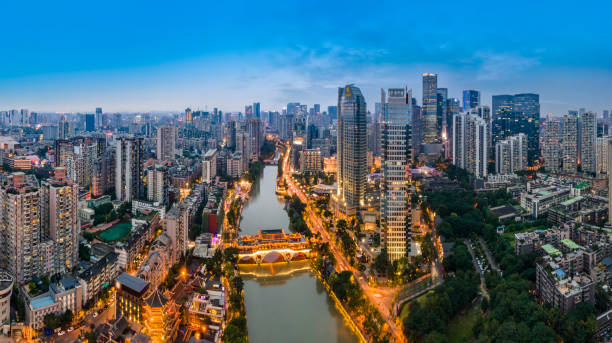
Chengdu, the capital of Sichuan Province, is one of those cities that seems to hum quietly with life. It’s not the frantic kind of energy you find in Beijing or Shanghai, but something slower, more deliberate, and somehow more comforting. Maybe it’s the scent of chili oil and Sichuan peppercorns drifting from every corner, or maybe it’s the way locals always seem to have time for a cup of tea. Either way, Chengdu has this calm pulse that draws travelers in and keeps them lingering longer than they planned.
Historically, Chengdu’s roots stretch back over 2,300 years, to the days when it was the capital of the ancient Shu Kingdom. The Jinsha Site Museum holds the secrets of that era—gold masks, jade ornaments, and relics that whisper of a civilization both advanced and mysterious. I remember wandering through the museum one rainy afternoon, completely lost in thought, trying to imagine what life might have looked like here when the city was still surrounded by walls and moats.
But history isn’t the only thing that defines Chengdu. The city is most famous, of course, for its residents of the black-and-white variety—the giant pandas. The Chengdu Research Base of Giant Panda Breeding is the heart of global panda conservation, and seeing those fluffy creatures munching bamboo in their natural-like environment is a memory that sticks. I still laugh thinking about the time I watched a panda cub tumble down a small hill, only to roll over and go right back to eating. It’s that kind of unbothered charm that seems to mirror the city itself.
Beyond pandas and ancient relics, Chengdu is a city of culture, creativity, and spice. The food scene alone could keep you here for weeks. Sichuan cuisine is famous for its bold flavors—spicy, numbing, and addictive. Hotpot is practically a religion here, and if you haven’t sweated through one surrounded by locals laughing and shouting over bubbling broth, you haven’t really experienced Chengdu. And don’t even get me started on the street snacks—dan dan noodles, rabbit heads (yes, really), and mapo tofu that tingles every nerve in your mouth.
What’s interesting about Chengdu is how it balances modernity and tradition so effortlessly. Sleek skyscrapers rise beside ancient temples. Hip cafes share alleys with old teahouses where retirees play mahjong for hours. It’s a place that embraces its past without being stuck in it. And that’s what makes it so appealing to travelers—it feels lived-in, authentic, and deeply human.
Key Features
- Giant Pandas: Visit the Chengdu Research Base to see pandas in a semi-natural habitat and learn about conservation efforts.
- Ancient Heritage: Explore the Jinsha Site Museum and Wuhou Shrine to uncover Chengdu’s royal and cultural history.
- Culinary Capital: Taste authentic Sichuan dishes, from hotpot to street snacks, known for their signature “mala” (spicy-numbing) flavor.
- Relaxed Lifestyle: Experience the laid-back rhythm of Chengdu life through teahouses, parks, and local markets.
- Gateway to Sichuan: Use Chengdu as a base for exploring nearby attractions like Mount Qingcheng, Leshan Giant Buddha, and Jiuzhaigou Valley.
- Thriving Arts Scene: Discover modern art galleries, indie music venues, and creative spaces that showcase Chengdu’s youthful energy.
Best Time to Visit
Chengdu’s climate is mild year-round, but the best times to visit are spring (March to May) and autumn (September to November). During these months, the weather is comfortable, and the skies are clearer—perfect for exploring temples, parks, and panda sanctuaries. Summer can get humid and rainy, though the lush greenery that follows makes the city quite photogenic. Winter, on the other hand, is chilly but rarely freezing, and it’s a great time to enjoy hotpot without sweating through your clothes.
Personally, I love visiting in early autumn. The air feels crisp, the city smells faintly of roasted chestnuts, and the crowds thin out just enough to give you space to breathe. It’s also when you’ll find locals spending more time outdoors—playing cards in People’s Park or sipping tea by the river. There’s something about Chengdu in those months that feels especially alive, yet calm.
How to Get There
Chengdu is one of China’s major transportation hubs, so getting there is surprisingly easy. The city is served by Chengdu Tianfu International Airport, which connects to most major cities around the world. There’s also the older Shuangliu Airport, still handling many domestic flights. If you’re already in China, high-speed trains link Chengdu with places like Chongqing, Xi’an, and Kunming, making it a convenient stop on any western China itinerary.
Once you arrive, the metro system is efficient and easy to navigate, even if your Mandarin isn’t perfect. Taxis and ride-hailing apps are widely available too, though traffic can get heavy during rush hours. I usually prefer walking when possible—some of Chengdu’s best moments happen when you wander aimlessly and stumble upon an old temple tucked between modern buildings or a noodle shop that smells too good to pass up.
Tips for Visiting
Here’s the thing about Chengdu—it’s not a city you rush through. It rewards those who slow down, observe, and savor. So, a few tips from someone who’s learned through trial, error, and a few too many spicy meals:
- Start your day early if you plan to visit the panda base. Pandas are most active in the morning, usually before 10 a.m., and that’s when you’ll catch them playing and eating.
- Embrace the spice—but pace yourself. Sichuan food can be intense, so maybe don’t go all-in on the hottest hotpot your first night. Your stomach will thank you later.
- Learn a few local phrases. Even a simple “ni hao” (hello) or “xiexie” (thank you) goes a long way. Locals appreciate the effort, and it often leads to friendlier interactions.
- Visit the teahouses. They’re not just for tea—they’re social hubs where you can watch daily life unfold. Try People’s Park for a classic experience or Heming Teahouse for something more traditional.
- Take a day trip. The Leshan Giant Buddha is about two hours away by train or car, and it’s truly awe-inspiring. Mount Qingcheng, one of Taoism’s most important sites, offers peaceful hiking trails and misty temples.
- Don’t skip the parks. Chengdu’s parks are where you’ll see the city’s heart—families dancing, retirees practicing tai chi, and vendors selling spicy snacks. It’s everyday Chengdu at its best.
- Bring an umbrella. The city is known for its drizzle. Locals joke that Chengdu has two seasons: rain and more rain. But honestly, the mist adds to its charm.
And one last thing—don’t expect Chengdu to dazzle you instantly. It’s not flashy or loud, but it grows on you. The more time you spend here, the more you start noticing the small details—the way the air smells after rain, how the city lights reflect off wet stone streets, or how friendly strangers are when you ask for directions. Chengdu isn’t just a destination; it’s a feeling. One that lingers long after you’ve left.
So, if you’re planning your next adventure and want a place that’s rich in history, full of flavor, and genuinely warm in spirit, Chengdu might just surprise you. And maybe, like me, you’ll find yourself promising to come back before you’ve even left.
Key Features
- Key Features
- Best Time to Visit
- How to Get There
- Tips for Visiting
More Details
Updated October 11, 2025
Table of Contents
Description
Chengdu, the capital of Sichuan Province, is one of those cities that seems to hum quietly with life. It’s not the frantic kind of energy you find in Beijing or Shanghai, but something slower, more deliberate, and somehow more comforting. Maybe it’s the scent of chili oil and Sichuan peppercorns drifting from every corner, or maybe it’s the way locals always seem to have time for a cup of tea. Either way, Chengdu has this calm pulse that draws travelers in and keeps them lingering longer than they planned.
Historically, Chengdu’s roots stretch back over 2,300 years, to the days when it was the capital of the ancient Shu Kingdom. The Jinsha Site Museum holds the secrets of that era—gold masks, jade ornaments, and relics that whisper of a civilization both advanced and mysterious. I remember wandering through the museum one rainy afternoon, completely lost in thought, trying to imagine what life might have looked like here when the city was still surrounded by walls and moats.
But history isn’t the only thing that defines Chengdu. The city is most famous, of course, for its residents of the black-and-white variety—the giant pandas. The Chengdu Research Base of Giant Panda Breeding is the heart of global panda conservation, and seeing those fluffy creatures munching bamboo in their natural-like environment is a memory that sticks. I still laugh thinking about the time I watched a panda cub tumble down a small hill, only to roll over and go right back to eating. It’s that kind of unbothered charm that seems to mirror the city itself.
Beyond pandas and ancient relics, Chengdu is a city of culture, creativity, and spice. The food scene alone could keep you here for weeks. Sichuan cuisine is famous for its bold flavors—spicy, numbing, and addictive. Hotpot is practically a religion here, and if you haven’t sweated through one surrounded by locals laughing and shouting over bubbling broth, you haven’t really experienced Chengdu. And don’t even get me started on the street snacks—dan dan noodles, rabbit heads (yes, really), and mapo tofu that tingles every nerve in your mouth.
What’s interesting about Chengdu is how it balances modernity and tradition so effortlessly. Sleek skyscrapers rise beside ancient temples. Hip cafes share alleys with old teahouses where retirees play mahjong for hours. It’s a place that embraces its past without being stuck in it. And that’s what makes it so appealing to travelers—it feels lived-in, authentic, and deeply human.
Key Features
- Giant Pandas: Visit the Chengdu Research Base to see pandas in a semi-natural habitat and learn about conservation efforts.
- Ancient Heritage: Explore the Jinsha Site Museum and Wuhou Shrine to uncover Chengdu’s royal and cultural history.
- Culinary Capital: Taste authentic Sichuan dishes, from hotpot to street snacks, known for their signature “mala” (spicy-numbing) flavor.
- Relaxed Lifestyle: Experience the laid-back rhythm of Chengdu life through teahouses, parks, and local markets.
- Gateway to Sichuan: Use Chengdu as a base for exploring nearby attractions like Mount Qingcheng, Leshan Giant Buddha, and Jiuzhaigou Valley.
- Thriving Arts Scene: Discover modern art galleries, indie music venues, and creative spaces that showcase Chengdu’s youthful energy.
Best Time to Visit
Chengdu’s climate is mild year-round, but the best times to visit are spring (March to May) and autumn (September to November). During these months, the weather is comfortable, and the skies are clearer—perfect for exploring temples, parks, and panda sanctuaries. Summer can get humid and rainy, though the lush greenery that follows makes the city quite photogenic. Winter, on the other hand, is chilly but rarely freezing, and it’s a great time to enjoy hotpot without sweating through your clothes.
Personally, I love visiting in early autumn. The air feels crisp, the city smells faintly of roasted chestnuts, and the crowds thin out just enough to give you space to breathe. It’s also when you’ll find locals spending more time outdoors—playing cards in People’s Park or sipping tea by the river. There’s something about Chengdu in those months that feels especially alive, yet calm.
How to Get There
Chengdu is one of China’s major transportation hubs, so getting there is surprisingly easy. The city is served by Chengdu Tianfu International Airport, which connects to most major cities around the world. There’s also the older Shuangliu Airport, still handling many domestic flights. If you’re already in China, high-speed trains link Chengdu with places like Chongqing, Xi’an, and Kunming, making it a convenient stop on any western China itinerary.
Once you arrive, the metro system is efficient and easy to navigate, even if your Mandarin isn’t perfect. Taxis and ride-hailing apps are widely available too, though traffic can get heavy during rush hours. I usually prefer walking when possible—some of Chengdu’s best moments happen when you wander aimlessly and stumble upon an old temple tucked between modern buildings or a noodle shop that smells too good to pass up.
Tips for Visiting
Here’s the thing about Chengdu—it’s not a city you rush through. It rewards those who slow down, observe, and savor. So, a few tips from someone who’s learned through trial, error, and a few too many spicy meals:
- Start your day early if you plan to visit the panda base. Pandas are most active in the morning, usually before 10 a.m., and that’s when you’ll catch them playing and eating.
- Embrace the spice—but pace yourself. Sichuan food can be intense, so maybe don’t go all-in on the hottest hotpot your first night. Your stomach will thank you later.
- Learn a few local phrases. Even a simple “ni hao” (hello) or “xiexie” (thank you) goes a long way. Locals appreciate the effort, and it often leads to friendlier interactions.
- Visit the teahouses. They’re not just for tea—they’re social hubs where you can watch daily life unfold. Try People’s Park for a classic experience or Heming Teahouse for something more traditional.
- Take a day trip. The Leshan Giant Buddha is about two hours away by train or car, and it’s truly awe-inspiring. Mount Qingcheng, one of Taoism’s most important sites, offers peaceful hiking trails and misty temples.
- Don’t skip the parks. Chengdu’s parks are where you’ll see the city’s heart—families dancing, retirees practicing tai chi, and vendors selling spicy snacks. It’s everyday Chengdu at its best.
- Bring an umbrella. The city is known for its drizzle. Locals joke that Chengdu has two seasons: rain and more rain. But honestly, the mist adds to its charm.
And one last thing—don’t expect Chengdu to dazzle you instantly. It’s not flashy or loud, but it grows on you. The more time you spend here, the more you start noticing the small details—the way the air smells after rain, how the city lights reflect off wet stone streets, or how friendly strangers are when you ask for directions. Chengdu isn’t just a destination; it’s a feeling. One that lingers long after you’ve left.
So, if you’re planning your next adventure and want a place that’s rich in history, full of flavor, and genuinely warm in spirit, Chengdu might just surprise you. And maybe, like me, you’ll find yourself promising to come back before you’ve even left.
Key Highlights
- Key Features
- Best Time to Visit
- How to Get There
- Tips for Visiting
Location
Places to Stay Near Chengdu
Find and Book a Tour
Explore More Travel Guides
No reviews found! Be the first to review!
Traveler Reviews for Chengdu
There are no reviews yet. Be the first one to write one.
Have you visited Chengdu? Help other travelers by sharing your review.
You Might Also Like
Jinhuaguan

Wangjiang Pavilion Park

Jincheng Lake
Find Accommodations Nearby
Recommended Tours & Activities
Visitor Reviews
There are no reviews yet. Be the first one to write one.
Share Your Experience
Have you visited Chengdu? Help other travelers by leaving a review.