
Charikar
About Charikar
Description
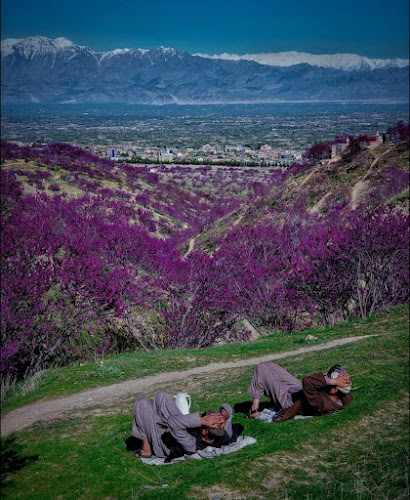
Look, I've explored quite a few Afghan cities, but there's something special about Charikar that always draws me back. This historic capital of Parwan Province perfectly captures Afghanistan's soul - and I mean that in the most genuine way possible. You'll find yourself walking through streets where the local bazaars buzz with energy (trust me, the smell of fresh bread from the local bakeries is absolutely irresistible). The city sits in this gorgeous valley, with the Hindu Kush mountains creating this incredible backdrop that'll make you reach for your camera every single time. What really gets me excited about Charikar is how it brings together pretty much every Afghan ethnic group you can think of. It's like a living, breathing museum of Afghanistan's cultural diversity. The locals here - and I've chatted with quite a few - are known for their remarkable hospitality. And boy, do they know their history! The city has these amazing old neighborhoods where you can still see traces of ancient trade routes that once connected Central Asia's great civilizations.Key Features
• Traditional Afghan bazaars where local artisans still practice centuries-old crafts • The stunning backdrop of the Hindu Kush mountains (seriously, the sunrise views are incredible) • Historic religious sites including several significant mosques • Local markets famous for their dried fruits and nuts (my personal favorite is their mulberries) • Traditional teahouses where you can experience authentic Afghan hospitality • Archaeological sites revealing layers of ancient civilizations • Surrounding grape orchards and agricultural lands • Cultural meeting point where various Afghan ethnic groups coexistBest Time to Visit
From my multiple visits, I've found that spring (March to May) is absolutely perfect for exploring Charikar. The weather's just right - not too hot, not too cold - and the surrounding countryside turns this gorgeous shade of green. The local farmers start working in their orchards, and you might catch the grape vines beginning to bloom. Fall (September to November) is my second-favorite season here. The temperatures are mild, and the harvest season brings this amazing energy to the city. You'll see locals collecting grapes and preparing dried fruits - it's quite a sight! Summer can get pretty warm, but it's still manageable compared to some other Afghan cities. Winter? Well, it gets pretty chilly, and sometimes the roads can be tricky if you're planning day trips to nearby areas.How to Get There
Getting to Charikar is pretty straightforward - it's about 60 kilometers north of Kabul on the main highway. I usually take a shared taxi from Kabul, which takes around 1.5 hours depending on traffic (and trust me, traffic can be unpredictable!). Local buses run regularly too, though they take a bit longer because they make more stops along the way. If you're coming from the northern provinces, you'll find regular transport options heading south toward Kabul that stop in Charikar. The roads are generally well-maintained on the main routes, but always check current conditions before traveling.Tips for Visiting
After spending quite a bit of time here, I've picked up some useful tips that'll make your visit smoother. First off, dress conservatively - this is still a traditional Afghan city. Ladies, bring a headscarf and wear loose-fitting clothes. Guys, long pants and shirts with sleeves are the way to go. Remember to carry cash - most places don't accept cards. The local currency is Afghanis, and while some vendors might accept US dollars, you'll get better deals with local currency. Try to learn a few basic Dari phrases - even just "tashakor" (thank you) goes a long way. The locals really appreciate the effort, and it's helped me make some wonderful connections. Timing is everything here - the bazaars are most active in the morning, and many shops close during prayer times. I'd suggest planning your day around these rhythms. And please, don't miss out on the local tea culture - accepting a cup of tea is basically a mandatory social custom (and honestly, their green tea is amazing). For photography enthusiasts like myself, always ask permission before taking pictures of people or inside shops. Most folks are friendly about it, but it's just good manners to ask first. Oh, and one last thing - try to visit the local dried fruit markets early in the day when they're setting up. That's when you'll find the best selection, and the morning light filtering through the market stalls creates this magical atmosphere that's just perfect for photos.Key Features
- Key Features
- Best Time to Visit
- How to Get There
- Tips for Visiting
More Details
Updated May 13, 2025
Table of Contents
Description
Look, I’ve explored quite a few Afghan cities, but there’s something special about Charikar that always draws me back. This historic capital of Parwan Province perfectly captures Afghanistan’s soul – and I mean that in the most genuine way possible. You’ll find yourself walking through streets where the local bazaars buzz with energy (trust me, the smell of fresh bread from the local bakeries is absolutely irresistible). The city sits in this gorgeous valley, with the Hindu Kush mountains creating this incredible backdrop that’ll make you reach for your camera every single time.
What really gets me excited about Charikar is how it brings together pretty much every Afghan ethnic group you can think of. It’s like a living, breathing museum of Afghanistan’s cultural diversity. The locals here – and I’ve chatted with quite a few – are known for their remarkable hospitality. And boy, do they know their history! The city has these amazing old neighborhoods where you can still see traces of ancient trade routes that once connected Central Asia’s great civilizations.
Key Features
• Traditional Afghan bazaars where local artisans still practice centuries-old crafts
• The stunning backdrop of the Hindu Kush mountains (seriously, the sunrise views are incredible)
• Historic religious sites including several significant mosques
• Local markets famous for their dried fruits and nuts (my personal favorite is their mulberries)
• Traditional teahouses where you can experience authentic Afghan hospitality
• Archaeological sites revealing layers of ancient civilizations
• Surrounding grape orchards and agricultural lands
• Cultural meeting point where various Afghan ethnic groups coexist
Best Time to Visit
From my multiple visits, I’ve found that spring (March to May) is absolutely perfect for exploring Charikar. The weather’s just right – not too hot, not too cold – and the surrounding countryside turns this gorgeous shade of green. The local farmers start working in their orchards, and you might catch the grape vines beginning to bloom.
Fall (September to November) is my second-favorite season here. The temperatures are mild, and the harvest season brings this amazing energy to the city. You’ll see locals collecting grapes and preparing dried fruits – it’s quite a sight!
Summer can get pretty warm, but it’s still manageable compared to some other Afghan cities. Winter? Well, it gets pretty chilly, and sometimes the roads can be tricky if you’re planning day trips to nearby areas.
How to Get There
Getting to Charikar is pretty straightforward – it’s about 60 kilometers north of Kabul on the main highway. I usually take a shared taxi from Kabul, which takes around 1.5 hours depending on traffic (and trust me, traffic can be unpredictable!). Local buses run regularly too, though they take a bit longer because they make more stops along the way.
If you’re coming from the northern provinces, you’ll find regular transport options heading south toward Kabul that stop in Charikar. The roads are generally well-maintained on the main routes, but always check current conditions before traveling.
Tips for Visiting
After spending quite a bit of time here, I’ve picked up some useful tips that’ll make your visit smoother. First off, dress conservatively – this is still a traditional Afghan city. Ladies, bring a headscarf and wear loose-fitting clothes. Guys, long pants and shirts with sleeves are the way to go.
Remember to carry cash – most places don’t accept cards. The local currency is Afghanis, and while some vendors might accept US dollars, you’ll get better deals with local currency.
Try to learn a few basic Dari phrases – even just “tashakor” (thank you) goes a long way. The locals really appreciate the effort, and it’s helped me make some wonderful connections.
Timing is everything here – the bazaars are most active in the morning, and many shops close during prayer times. I’d suggest planning your day around these rhythms. And please, don’t miss out on the local tea culture – accepting a cup of tea is basically a mandatory social custom (and honestly, their green tea is amazing).
For photography enthusiasts like myself, always ask permission before taking pictures of people or inside shops. Most folks are friendly about it, but it’s just good manners to ask first.
Oh, and one last thing – try to visit the local dried fruit markets early in the day when they’re setting up. That’s when you’ll find the best selection, and the morning light filtering through the market stalls creates this magical atmosphere that’s just perfect for photos.
Key Highlights
- Key Features
- Best Time to Visit
- How to Get There
- Tips for Visiting
Location
Places to Stay Near Charikar
Find and Book a Tour
Explore More Travel Guides
No reviews found! Be the first to review!
Traveler Reviews for Charikar
There are no reviews yet. Be the first one to write one.
Have you visited Charikar? Help other travelers by sharing your review.
You Might Also Like

Find Accommodations Nearby
Recommended Tours & Activities
Visitor Reviews
There are no reviews yet. Be the first one to write one.
Share Your Experience
Have you visited Charikar? Help other travelers by leaving a review.