
Chandraketugarh
About Chandraketugarh
Description
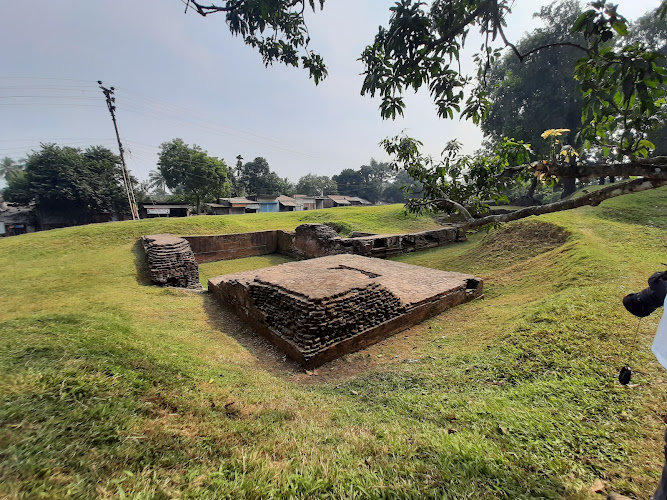
Chandraketugarh is the kind of place that quietly messes with your sense of time. One moment you’re standing on an unassuming patch of land in West Bengal, and the next you’re imagining merchants, monks, and craftspeople from over two thousand years ago walking past you. The archaeological site is believed to date back to around 200 BCE, tied to an ancient kingdom that thrived long before many of India’s better-known historical centers took shape. And yes, it shows. Not in a polished, museum-perfect way, but in fragments, layers, and whispers.
What hits most travelers first is the earthiness of the place. Terracotta plaques, pottery shards, structural remains—these aren’t tucked away behind glass. They feel close. Sometimes too close, honestly. On my first visit, I remember thinking how raw it all felt. No fancy boards screaming for attention. Just history sitting there, asking you to slow down and look properly. And if you do, Chandraketugarh rewards you.
This site has built its reputation largely on terracotta art. The level of detail on some surviving pieces is frankly astonishing. Facial expressions, jewelry, scenes of daily life—they feel intimate, almost personal. You start realizing that ancient people weren’t all that different from us. They liked decoration. They liked stories. They cared about aesthetics. And they left those clues behind in baked clay.
Now, let’s be fair. Chandraketugarh isn’t a manicured tourist attraction with cafes and shiny walkways. Some visitors walk away underwhelmed, expecting dramatic ruins or towering monuments. But that’s missing the point. This is an archaeological site in the truest sense. It demands curiosity. It asks you to imagine rather than consume. And for travelers who enjoy peeling back layers of history, that’s precisely the charm.
The atmosphere varies depending on when you go. On quieter days, it’s almost meditative. You might hear birds, distant village sounds, and the crunch of soil under your shoes. On busier days, especially weekends, there’s a bit of chaos—families, students, selfie-takers. But even then, the place holds its own. History doesn’t get intimidated easily.
Key Features
- Extensive remains of terracotta art, including plaques depicting mythology, daily life, and ornamental designs
- Archaeological layers spanning several centuries, offering insight into early urban settlement patterns
- Remnants of ancient fortifications and structural foundations that hint at a once-organized kingdom
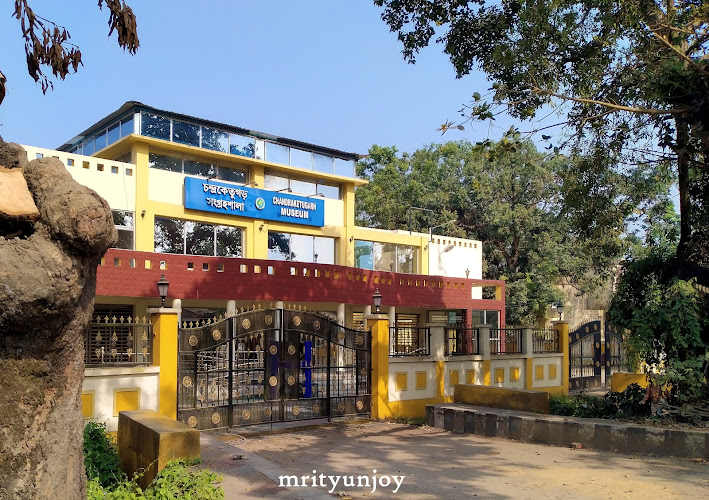
- Onsite services that help orient first-time visitors, though modest in scale
- Surrounding rural landscape that adds context to how ancient communities may have lived
- Artifacts that suggest trade connections with other regions, including beads and pottery styles
- A less-commercialized environment compared to major heritage sites, which some travelers genuinely prefer
Best Time to Visit
The best time to visit Chandraketugarh is between October and March. The weather during these months stays relatively mild, making long walks around the site far more pleasant. Summers can be brutal. I once visited in late April and regretted not carrying extra water. The sun was unforgiving, and shade is limited. Lesson learned.
Winter mornings have a softness to them. Light fog, cool air, and fewer people if you arrive early. That’s when the site feels most contemplative. And photography? Much better. The textures of terracotta pop under softer light, and you don’t have to rush.
Monsoon season brings mixed feelings. On one hand, the greenery around Chandraketugarh looks beautiful. On the other, muddy paths and slippery ground can make exploration tricky. If you’re adventurous and don’t mind a bit of mess on your shoes, it’s doable. But for most travelers, dry months are the safer bet.
How to Get There
Getting to Chandraketugarh requires a little patience, but that’s part of the journey. The site is accessible from Kolkata, which serves as the main gateway for most travelers. From the city, you can take a combination of local transport and short road travel to reach the area.
Public transport options are available and fairly reliable, though they can get crowded. If you’re not used to navigating local buses or shared vehicles, hiring a private car or taxi makes things easier. It also gives you flexibility, which I always recommend. There’s nothing worse than rushing through an archaeological site because you’re worried about missing the last ride back.
Road conditions are generally manageable, though expect occasional rough patches. Nothing dramatic, just enough to remind you that you’re heading somewhere old and a bit off the usual tourist trail. Signage isn’t always perfect, so asking locals for directions helps. In my experience, people are happy to point you the right way, sometimes with more enthusiasm than accuracy. Double-check when you can.
Tips for Visiting
First tip: manage expectations. Chandraketugarh isn’t flashy, and that’s okay. Go in with a mindset of exploration rather than entertainment. You’ll enjoy it far more.
Wear comfortable shoes. This sounds obvious, but uneven ground is part of the deal here. I’ve seen visitors struggle in fancy sandals, and it’s not pretty. Closed shoes with a decent grip are your friend.
Carry water and maybe a small snack. Facilities exist, but they’re basic. And once you get absorbed in wandering around, time slips by faster than you expect.
If you’re even mildly interested in history, do a bit of reading beforehand. Knowing the broader timeline of eastern India around 200 BCE adds depth to what you’re seeing. Suddenly, a broken plaque becomes a storyteller instead of just debris.
Photography is allowed, but be respectful. This isn’t a theme park. Avoid climbing on structures or handling artifacts, even if others are doing it. Preservation here depends heavily on visitor behavior, and frankly, the site has seen enough rough treatment over the years.
And here’s a personal one: talk to the locals. On one visit, an elderly man from a nearby village casually told me stories passed down about the site. Some were probably folklore, sure, but they added an emotional layer no guidebook ever could. Those conversations stick with you.
Finally, give yourself time. Chandraketugarh isn’t about ticking a box. Sit. Walk. Think. Let the place unfold slowly. If you do, you’ll leave with more than just photos. You’ll leave with questions, impressions, and a quiet appreciation for how deep history really runs under our feet.
Key Features
- Extensive remains of terracotta art, including plaques depicting mythology, daily life, and ornamental designs
- Archaeological layers spanning several centuries, offering insight into early urban settlement patterns
- Remnants of ancient fortifications and structural foundations that hint at a once-organized kingdom
- Onsite services that help orient first-time visitors, though modest in scale
- Surrounding rural landscape that adds context to how ancient communities may have lived
- Artifacts that suggest trade connections with other regions, including beads and pottery styles
- A less-commercialized environment compared to major heritage sites, which some travelers genuinely prefer
More Details
Updated December 31, 2025
Table of Contents
Description
Chandraketugarh is the kind of place that quietly messes with your sense of time. One moment you’re standing on an unassuming patch of land in West Bengal, and the next you’re imagining merchants, monks, and craftspeople from over two thousand years ago walking past you. The archaeological site is believed to date back to around 200 BCE, tied to an ancient kingdom that thrived long before many of India’s better-known historical centers took shape. And yes, it shows. Not in a polished, museum-perfect way, but in fragments, layers, and whispers.
What hits most travelers first is the earthiness of the place. Terracotta plaques, pottery shards, structural remains—these aren’t tucked away behind glass. They feel close. Sometimes too close, honestly. On my first visit, I remember thinking how raw it all felt. No fancy boards screaming for attention. Just history sitting there, asking you to slow down and look properly. And if you do, Chandraketugarh rewards you.
This site has built its reputation largely on terracotta art. The level of detail on some surviving pieces is frankly astonishing. Facial expressions, jewelry, scenes of daily life—they feel intimate, almost personal. You start realizing that ancient people weren’t all that different from us. They liked decoration. They liked stories. They cared about aesthetics. And they left those clues behind in baked clay.
Now, let’s be fair. Chandraketugarh isn’t a manicured tourist attraction with cafes and shiny walkways. Some visitors walk away underwhelmed, expecting dramatic ruins or towering monuments. But that’s missing the point. This is an archaeological site in the truest sense. It demands curiosity. It asks you to imagine rather than consume. And for travelers who enjoy peeling back layers of history, that’s precisely the charm.
The atmosphere varies depending on when you go. On quieter days, it’s almost meditative. You might hear birds, distant village sounds, and the crunch of soil under your shoes. On busier days, especially weekends, there’s a bit of chaos—families, students, selfie-takers. But even then, the place holds its own. History doesn’t get intimidated easily.
Key Features
- Extensive remains of terracotta art, including plaques depicting mythology, daily life, and ornamental designs
- Archaeological layers spanning several centuries, offering insight into early urban settlement patterns
- Remnants of ancient fortifications and structural foundations that hint at a once-organized kingdom
- Onsite services that help orient first-time visitors, though modest in scale
- Surrounding rural landscape that adds context to how ancient communities may have lived
- Artifacts that suggest trade connections with other regions, including beads and pottery styles
- A less-commercialized environment compared to major heritage sites, which some travelers genuinely prefer
Best Time to Visit
The best time to visit Chandraketugarh is between October and March. The weather during these months stays relatively mild, making long walks around the site far more pleasant. Summers can be brutal. I once visited in late April and regretted not carrying extra water. The sun was unforgiving, and shade is limited. Lesson learned.
Winter mornings have a softness to them. Light fog, cool air, and fewer people if you arrive early. That’s when the site feels most contemplative. And photography? Much better. The textures of terracotta pop under softer light, and you don’t have to rush.
Monsoon season brings mixed feelings. On one hand, the greenery around Chandraketugarh looks beautiful. On the other, muddy paths and slippery ground can make exploration tricky. If you’re adventurous and don’t mind a bit of mess on your shoes, it’s doable. But for most travelers, dry months are the safer bet.
How to Get There
Getting to Chandraketugarh requires a little patience, but that’s part of the journey. The site is accessible from Kolkata, which serves as the main gateway for most travelers. From the city, you can take a combination of local transport and short road travel to reach the area.
Public transport options are available and fairly reliable, though they can get crowded. If you’re not used to navigating local buses or shared vehicles, hiring a private car or taxi makes things easier. It also gives you flexibility, which I always recommend. There’s nothing worse than rushing through an archaeological site because you’re worried about missing the last ride back.
Road conditions are generally manageable, though expect occasional rough patches. Nothing dramatic, just enough to remind you that you’re heading somewhere old and a bit off the usual tourist trail. Signage isn’t always perfect, so asking locals for directions helps. In my experience, people are happy to point you the right way, sometimes with more enthusiasm than accuracy. Double-check when you can.
Tips for Visiting
First tip: manage expectations. Chandraketugarh isn’t flashy, and that’s okay. Go in with a mindset of exploration rather than entertainment. You’ll enjoy it far more.
Wear comfortable shoes. This sounds obvious, but uneven ground is part of the deal here. I’ve seen visitors struggle in fancy sandals, and it’s not pretty. Closed shoes with a decent grip are your friend.
Carry water and maybe a small snack. Facilities exist, but they’re basic. And once you get absorbed in wandering around, time slips by faster than you expect.
If you’re even mildly interested in history, do a bit of reading beforehand. Knowing the broader timeline of eastern India around 200 BCE adds depth to what you’re seeing. Suddenly, a broken plaque becomes a storyteller instead of just debris.
Photography is allowed, but be respectful. This isn’t a theme park. Avoid climbing on structures or handling artifacts, even if others are doing it. Preservation here depends heavily on visitor behavior, and frankly, the site has seen enough rough treatment over the years.
And here’s a personal one: talk to the locals. On one visit, an elderly man from a nearby village casually told me stories passed down about the site. Some were probably folklore, sure, but they added an emotional layer no guidebook ever could. Those conversations stick with you.
Finally, give yourself time. Chandraketugarh isn’t about ticking a box. Sit. Walk. Think. Let the place unfold slowly. If you do, you’ll leave with more than just photos. You’ll leave with questions, impressions, and a quiet appreciation for how deep history really runs under our feet.
Key Highlights
- Extensive remains of terracotta art, including plaques depicting mythology, daily life, and ornamental designs
- Archaeological layers spanning several centuries, offering insight into early urban settlement patterns
- Remnants of ancient fortifications and structural foundations that hint at a once-organized kingdom
- Onsite services that help orient first-time visitors, though modest in scale
- Surrounding rural landscape that adds context to how ancient communities may have lived
- Artifacts that suggest trade connections with other regions, including beads and pottery styles
- A less-commercialized environment compared to major heritage sites, which some travelers genuinely prefer
Location
Places to Stay Near Chandraketugarh
Find and Book a Tour
Explore More Travel Guides
No reviews found! Be the first to review!
Traveler Reviews for Chandraketugarh
There are no reviews yet. Be the first one to write one.
Have you visited Chandraketugarh? Help other travelers by sharing your review.
You Might Also Like
Find Accommodations Nearby
Recommended Tours & Activities
Visitor Reviews
There are no reviews yet. Be the first one to write one.
Share Your Experience
Have you visited Chandraketugarh? Help other travelers by leaving a review.