
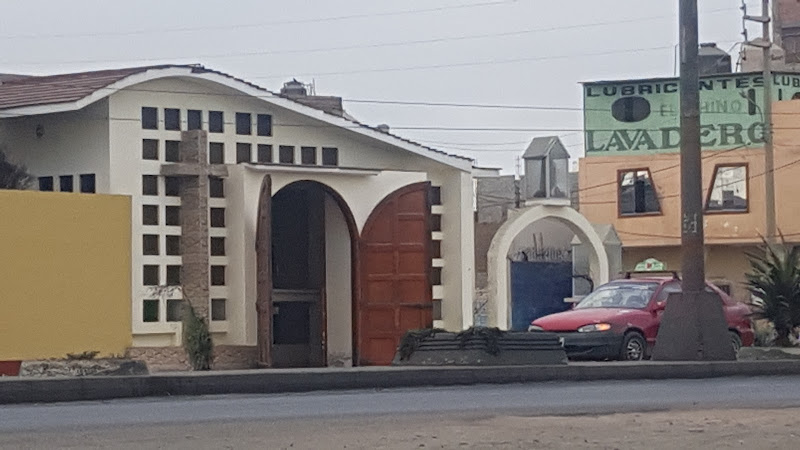
Chancay&Meiggs
About Chancay&Meiggs
Description
The Chancay&Meiggs stands as a fascinating testament to Peru's railway heritage and the ambitious engineering projects that shaped the country's coastal development during the late 19th century. This tourist attraction draws its name from Henry Meiggs, the American railroad entrepreneur who transformed Peru's transportation infrastructure during a period of rapid modernization. Located in the coastal region, this site offers travelers a unique glimpse into the industrial history that connected remote Peruvian communities to major commercial centers. What makes this place particularly interesting is how it captures a specific moment in time when foreign investment and local ambition collided to create something genuinely remarkable. Meiggs, often called "Don Enrique" by locals, became a legendary figure in South American railroad construction, and his legacy lives on through sites like this one. The attraction provides educational value for visitors who want to understand how modern Peru came to be, beyond just the ancient civilizations that typically dominate tourist itineraries. Families will appreciate that this destination works well for kids, making it an excellent option when you're traveling with younger ones who might be getting tired of the usual museum circuit. There's something about old railways and the stories of engineering triumph that tends to capture children's imaginations. I've always found that industrial heritage sites have this unexpected ability to engage multiple generations at once – the adults get their history fix while kids get to explore something tangibly different from their everyday experience. The site represents more than just railroad tracks and historical markers. It embodies the cultural exchange between North American enterprise and Peruvian development, a chapter of history that doesn't always get the attention it deserves. When Meiggs arrived in Peru in the 1860s, he brought not only engineering expertise but also introduced new construction techniques and organizational methods that would influence the country for decades to come.Key Features
Visitors to Chancay&Meiggs can expect to encounter several noteworthy elements that make this attraction worth including in their travel plans: • Historical railway infrastructure that showcases 19th-century engineering techniques and construction methods used in challenging coastal terrain • Educational displays explaining the role of Henry Meiggs in Peruvian railroad development and his broader impact on South American infrastructure • Family-friendly environment suitable for children of various ages, making it practical for multi-generational travel groups • Photographic opportunities featuring industrial architecture and coastal landscapes that blend natural beauty with human innovation • Interpretive materials that connect local history with broader themes of globalization and international commerce during Peru's guano boom era • Accessible viewing areas where visitors can appreciate the scale and ambition of historical railroad projects • Connection points to the town of Chancay itself, allowing for a fuller exploration of coastal Peruvian culture and daily life • Relatively uncrowded conditions compared to Peru's more famous tourist destinations, offering a more contemplative experienceBest Time to Visit
The coastal climate of this region presents particular considerations for planning your visit. Peru's coast experiences two distinct seasons, though the variation is less dramatic than you might expect. The summer months from December through March bring warmer temperatures and clearer skies, making this period ideal for visitors who want to combine their historical exploration with beach activities in nearby Chancay. But here's something locals know that many guidebooks don't emphasize enough – the winter months from June through September can actually be quite pleasant for this type of attraction. Sure, you'll encounter the famous garúa, that persistent coastal mist that blankets the area, but it creates an atmospheric quality that some travelers find incredibly appealing. There's something about exploring industrial heritage under grey skies that feels appropriately moody and contemplative. I'd personally recommend visiting during the shoulder seasons of April-May or October-November. You'll avoid both the summer crowds and the thickest winter fog, getting weather that's comfortable for walking around and taking photographs. The temperatures during these months typically hover in the mid-60s to low-70s Fahrenheit, which is perfect for outdoor exploration without getting overheated. Weekdays generally offer a quieter experience than weekends, when Peruvian families from Lima might make day trips to the area. If you're someone who enjoys having space to really absorb a place without constant distraction, aim for a Tuesday or Wednesday visit. Early mornings provide the best light for photography and the coolest temperatures if you're visiting during summer.How to Get There
Getting to Chancay&Meiggs requires some planning, but the journey itself becomes part of the adventure. Most travelers will be starting from Lima, which lies roughly 80 kilometers to the south. The most common approach involves taking the Panamericana Norte highway, a major route that connects Lima with destinations along Peru's northern coast. If you're driving yourself or hiring a private car, the journey typically takes between 90 minutes to two hours depending on Lima traffic conditions. And let me tell you, Lima traffic can be absolutely bonkers during rush hours, so factor that into your timing. Leaving Lima before 7 AM or after 10 AM will save you considerable frustration. Public transportation offers a more economical option. Buses departing from Lima's northern terminals provide regular service to Chancay town. Once you arrive in Chancay proper, local taxis or mototaxis can take you to the specific site. Don't be shy about negotiating the fare beforehand – it's expected, and you'll avoid any confusion later. Some travelers prefer booking organized tours that include Chancay&Meiggs as part of a broader coastal excursion. This approach works particularly well if you're interested in visiting multiple sites in a single day or if you're uncomfortable navigating independently. Tour operators familiar with the area can provide context and historical information that enhances the experience beyond what you might discover on your own. The road conditions are generally good, though you should expect some typical Peruvian driving habits that might feel aggressive to visitors from more sedate traffic cultures. Stay alert, buckle up, and try to enjoy the coastal scenery along the way rather than stressing about your driver's passing decisions.Tips for Visiting
A successful visit to Chancay&Meiggs benefits from some practical preparation and realistic expectations. First off, bring layers of clothing regardless of when you're visiting. Coastal weather can shift quickly, and what starts as a warm morning might turn misty and cool by afternoon. A light jacket or sweater proves invaluable. Sun protection matters more than many visitors realize. Even on overcast days, UV radiation remains strong along Peru's coast. Sunscreen, a hat, and sunglasses should be standard equipment. I learned this lesson the hard way during a supposedly cloudy beach day years ago, and trust me, you don't want to spend your evening slathered in aloe vera feeling sorry for yourself. Comfortable walking shoes are essential. You'll be on your feet more than you might anticipate, and some surfaces may be uneven or unpaved. Save the cute sandals for your beach afternoon and wear proper closed-toe shoes with decent support. Photography enthusiasts should bring whatever equipment makes them happy, but honestly, a smartphone camera handles the job perfectly well for most people. The key is capturing the atmosphere and details that interest you personally rather than obsessing over technical perfection. Sometimes the imperfect shot tells a better story anyway. Budget a few hours for your visit rather than rushing through. This isn't the kind of place you can meaningfully experience in 30 minutes. Allow time to read interpretive materials, wander around, and just sit with the history you're encountering. The whole point of visiting lesser-known attractions like this is escaping the hurried pace that dominates major tourist sites. Bring snacks and water, especially if you're visiting with children. While Chancay town offers restaurants and shops, having provisions on hand prevents the dreaded hunger meltdown that can derail any family outing. Local stores near the site may have limited options, so come prepared. Spanish language skills certainly help but aren't absolutely necessary. Many Peruvians appreciate visitors who attempt even basic Spanish phrases. A simple "buenos días" and "gracias" goes surprisingly far in establishing friendly connections. Download a translation app on your phone before you arrive, ensuring it works offline in case mobile data proves unreliable. Consider combining your visit to Chancay&Meiggs with other attractions in the Chancay area. The town itself has a pleasant beach, and the broader region includes interesting archaeological sites and local markets. Making a full day of it maximizes your travel time and provides a more rounded experience of this coastal area. Cash remains important in this region. While credit cards work in Lima, smaller communities still operate primarily on cash transactions. Bring enough soles for entrance fees, transportation, meals, and any souvenirs you might purchase. ATMs exist in Chancay town, but don't assume they'll always be functional or well-stocked. Finally, approach this attraction with curiosity rather than predetermined expectations. Chancay&Meiggs rewards visitors who come ready to learn something new rather than those seeking Instagram-perfect moments or blockbuster experiences. It offers something more subtle and ultimately more satisfying – a genuine connection with Peru's layered history and the people who shaped its modern identity.Key Features
- Key Features
- Best Time to Visit
- How to Get There
- Tips for Visiting
More Details
Updated March 30, 2026
Table of Contents
Description
The Chancay&Meiggs stands as a fascinating testament to Peru’s railway heritage and the ambitious engineering projects that shaped the country’s coastal development during the late 19th century. This tourist attraction draws its name from Henry Meiggs, the American railroad entrepreneur who transformed Peru’s transportation infrastructure during a period of rapid modernization. Located in the coastal region, this site offers travelers a unique glimpse into the industrial history that connected remote Peruvian communities to major commercial centers.
What makes this place particularly interesting is how it captures a specific moment in time when foreign investment and local ambition collided to create something genuinely remarkable. Meiggs, often called “Don Enrique” by locals, became a legendary figure in South American railroad construction, and his legacy lives on through sites like this one. The attraction provides educational value for visitors who want to understand how modern Peru came to be, beyond just the ancient civilizations that typically dominate tourist itineraries.
Families will appreciate that this destination works well for kids, making it an excellent option when you’re traveling with younger ones who might be getting tired of the usual museum circuit. There’s something about old railways and the stories of engineering triumph that tends to capture children’s imaginations. I’ve always found that industrial heritage sites have this unexpected ability to engage multiple generations at once – the adults get their history fix while kids get to explore something tangibly different from their everyday experience.
The site represents more than just railroad tracks and historical markers. It embodies the cultural exchange between North American enterprise and Peruvian development, a chapter of history that doesn’t always get the attention it deserves. When Meiggs arrived in Peru in the 1860s, he brought not only engineering expertise but also introduced new construction techniques and organizational methods that would influence the country for decades to come.
Key Features
Visitors to Chancay&Meiggs can expect to encounter several noteworthy elements that make this attraction worth including in their travel plans:
• Historical railway infrastructure that showcases 19th-century engineering techniques and construction methods used in challenging coastal terrain
• Educational displays explaining the role of Henry Meiggs in Peruvian railroad development and his broader impact on South American infrastructure
• Family-friendly environment suitable for children of various ages, making it practical for multi-generational travel groups
• Photographic opportunities featuring industrial architecture and coastal landscapes that blend natural beauty with human innovation
• Interpretive materials that connect local history with broader themes of globalization and international commerce during Peru’s guano boom era
• Accessible viewing areas where visitors can appreciate the scale and ambition of historical railroad projects
• Connection points to the town of Chancay itself, allowing for a fuller exploration of coastal Peruvian culture and daily life
• Relatively uncrowded conditions compared to Peru’s more famous tourist destinations, offering a more contemplative experience
Best Time to Visit
The coastal climate of this region presents particular considerations for planning your visit. Peru’s coast experiences two distinct seasons, though the variation is less dramatic than you might expect. The summer months from December through March bring warmer temperatures and clearer skies, making this period ideal for visitors who want to combine their historical exploration with beach activities in nearby Chancay.
But here’s something locals know that many guidebooks don’t emphasize enough – the winter months from June through September can actually be quite pleasant for this type of attraction. Sure, you’ll encounter the famous garúa, that persistent coastal mist that blankets the area, but it creates an atmospheric quality that some travelers find incredibly appealing. There’s something about exploring industrial heritage under grey skies that feels appropriately moody and contemplative.
I’d personally recommend visiting during the shoulder seasons of April-May or October-November. You’ll avoid both the summer crowds and the thickest winter fog, getting weather that’s comfortable for walking around and taking photographs. The temperatures during these months typically hover in the mid-60s to low-70s Fahrenheit, which is perfect for outdoor exploration without getting overheated.
Weekdays generally offer a quieter experience than weekends, when Peruvian families from Lima might make day trips to the area. If you’re someone who enjoys having space to really absorb a place without constant distraction, aim for a Tuesday or Wednesday visit. Early mornings provide the best light for photography and the coolest temperatures if you’re visiting during summer.
How to Get There
Getting to Chancay&Meiggs requires some planning, but the journey itself becomes part of the adventure. Most travelers will be starting from Lima, which lies roughly 80 kilometers to the south. The most common approach involves taking the Panamericana Norte highway, a major route that connects Lima with destinations along Peru’s northern coast.
If you’re driving yourself or hiring a private car, the journey typically takes between 90 minutes to two hours depending on Lima traffic conditions. And let me tell you, Lima traffic can be absolutely bonkers during rush hours, so factor that into your timing. Leaving Lima before 7 AM or after 10 AM will save you considerable frustration.
Public transportation offers a more economical option. Buses departing from Lima’s northern terminals provide regular service to Chancay town. Once you arrive in Chancay proper, local taxis or mototaxis can take you to the specific site. Don’t be shy about negotiating the fare beforehand – it’s expected, and you’ll avoid any confusion later.
Some travelers prefer booking organized tours that include Chancay&Meiggs as part of a broader coastal excursion. This approach works particularly well if you’re interested in visiting multiple sites in a single day or if you’re uncomfortable navigating independently. Tour operators familiar with the area can provide context and historical information that enhances the experience beyond what you might discover on your own.
The road conditions are generally good, though you should expect some typical Peruvian driving habits that might feel aggressive to visitors from more sedate traffic cultures. Stay alert, buckle up, and try to enjoy the coastal scenery along the way rather than stressing about your driver’s passing decisions.
Tips for Visiting
A successful visit to Chancay&Meiggs benefits from some practical preparation and realistic expectations. First off, bring layers of clothing regardless of when you’re visiting. Coastal weather can shift quickly, and what starts as a warm morning might turn misty and cool by afternoon. A light jacket or sweater proves invaluable.
Sun protection matters more than many visitors realize. Even on overcast days, UV radiation remains strong along Peru’s coast. Sunscreen, a hat, and sunglasses should be standard equipment. I learned this lesson the hard way during a supposedly cloudy beach day years ago, and trust me, you don’t want to spend your evening slathered in aloe vera feeling sorry for yourself.
Comfortable walking shoes are essential. You’ll be on your feet more than you might anticipate, and some surfaces may be uneven or unpaved. Save the cute sandals for your beach afternoon and wear proper closed-toe shoes with decent support.
Photography enthusiasts should bring whatever equipment makes them happy, but honestly, a smartphone camera handles the job perfectly well for most people. The key is capturing the atmosphere and details that interest you personally rather than obsessing over technical perfection. Sometimes the imperfect shot tells a better story anyway.
Budget a few hours for your visit rather than rushing through. This isn’t the kind of place you can meaningfully experience in 30 minutes. Allow time to read interpretive materials, wander around, and just sit with the history you’re encountering. The whole point of visiting lesser-known attractions like this is escaping the hurried pace that dominates major tourist sites.
Bring snacks and water, especially if you’re visiting with children. While Chancay town offers restaurants and shops, having provisions on hand prevents the dreaded hunger meltdown that can derail any family outing. Local stores near the site may have limited options, so come prepared.
Spanish language skills certainly help but aren’t absolutely necessary. Many Peruvians appreciate visitors who attempt even basic Spanish phrases. A simple “buenos días” and “gracias” goes surprisingly far in establishing friendly connections. Download a translation app on your phone before you arrive, ensuring it works offline in case mobile data proves unreliable.
Consider combining your visit to Chancay&Meiggs with other attractions in the Chancay area. The town itself has a pleasant beach, and the broader region includes interesting archaeological sites and local markets. Making a full day of it maximizes your travel time and provides a more rounded experience of this coastal area.
Cash remains important in this region. While credit cards work in Lima, smaller communities still operate primarily on cash transactions. Bring enough soles for entrance fees, transportation, meals, and any souvenirs you might purchase. ATMs exist in Chancay town, but don’t assume they’ll always be functional or well-stocked.
Finally, approach this attraction with curiosity rather than predetermined expectations. Chancay&Meiggs rewards visitors who come ready to learn something new rather than those seeking Instagram-perfect moments or blockbuster experiences. It offers something more subtle and ultimately more satisfying – a genuine connection with Peru’s layered history and the people who shaped its modern identity.
Key Highlights
- Key Features
- Best Time to Visit
- How to Get There
- Tips for Visiting
Location
Places to Stay Near Chancay&Meiggs
Find and Book a Tour
Explore More Travel Guides
No reviews found! Be the first to review!
Chancay&Meiggs is a prominent attractions located in Chimbote.
Visit us at: 1N 2198, Chimbote 02804, Peru.
Traveler Reviews for Chancay&Meiggs
There are no reviews yet. Be the first one to write one.
Have you visited Chancay&Meiggs? Help other travelers by sharing your review.
You Might Also Like
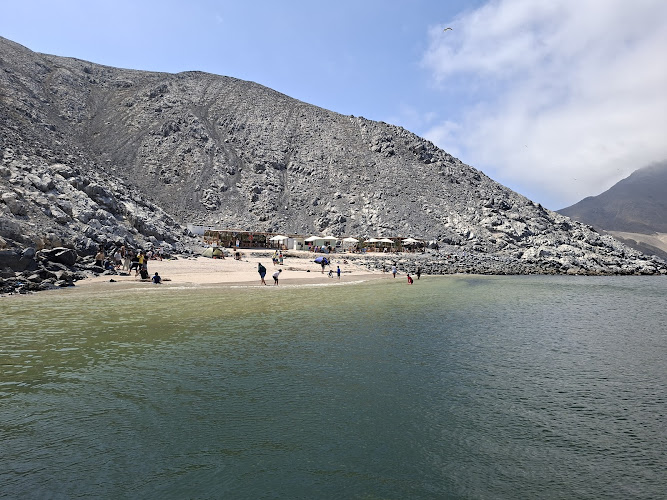
Playa conchuelas
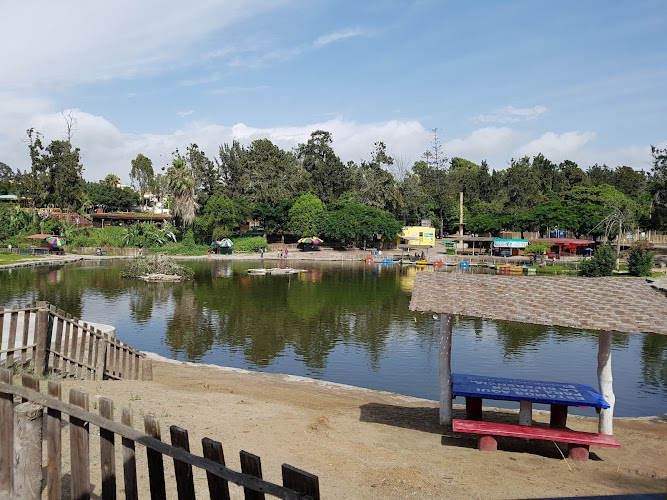
Tree Nursery
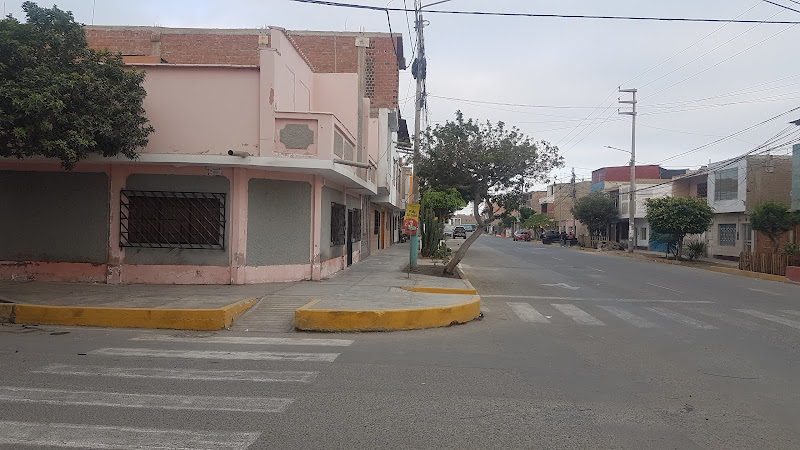
Chancay&Lima
Find Accommodations Nearby
Recommended Tours & Activities
Visitor Reviews
There are no reviews yet. Be the first one to write one.
Share Your Experience
Have you visited Chancay&Meiggs? Help other travelers by leaving a review.