
Champaner-Pavagadh Archaeological Park
About Champaner-Pavagadh Archaeological Park
Description
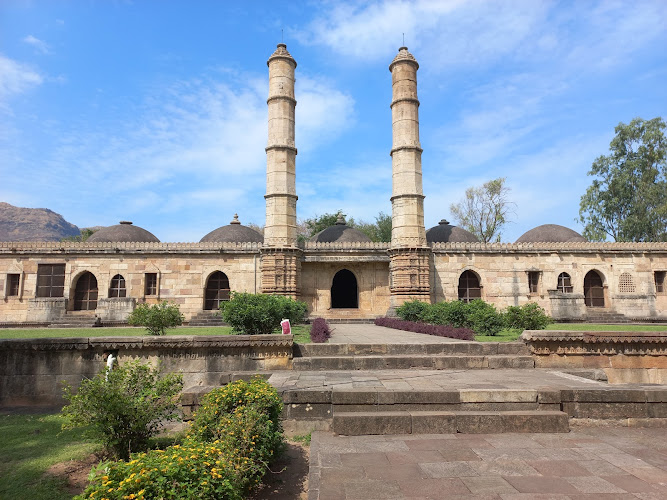
Champaner-Pavagadh Archaeological Park is the kind of place that makes you pause. It’s not just about the ruins – though those are spectacular – but about the way time feels different here. This UNESCO World Heritage Site sits quietly in Gujarat, holding the remains of a 16th-century city that once bustled with life. You’ll find fortresses that still look like they could withstand a siege, mosques with intricate stone carvings, temples perched on the hill, and the skeletal outlines of palaces that hint at a royal past. Some parts are beautifully preserved, others are crumbling, and that’s part of the charm – it’s raw history, not a polished museum exhibit.
Walking through the site, you can almost hear the echoes of traders bargaining in the market streets or the call to prayer from the Jami Masjid. And yes, not every corner is spotless or perfectly maintained, but that’s what makes it feel real. It’s a place for those who like their history with a bit of dust on it. You’ll need good shoes, a curious mind, and maybe a bottle of water or two because exploring here isn’t just sightseeing – it’s a small adventure.
Key Features
- UNESCO World Heritage designation, recognized for its unique blend of Hindu and Islamic architecture
- Jami Masjid – one of the most stunning mosques in Gujarat, with intricate minarets and symmetrical courtyards
- Fortified city walls and gateways that still stand tall after centuries
- Hilltop temples on Pavagadh Hill, including the revered Kalika Mata Temple
- Underground stepwells and water systems, a testament to the engineering skills of the time
- Scenic hiking trails leading up the hill with panoramic views of the plains below
- Blend of archaeological ruins and living pilgrimage traditions
Best Time to Visit
If you ask me, avoid the peak summer unless you enjoy feeling like bread in a toaster. The best months are from October to February, when the air is cooler and the climb up Pavagadh Hill won’t turn into an endurance test. Monsoon season (July to September) paints the hills green and adds misty drama to the ruins, but it also makes the paths slippery – so tread carefully. Early mornings are golden here – not just for the light but for the peace before the tour buses arrive.
How to Get There
The park is easily reached from Vadodara, which is the closest major city with a railway station and airport. From there, it’s about an hour’s drive. You can hire a taxi, hop on a local bus, or even join a guided tour if you prefer someone else to handle the logistics. If you’re driving yourself, there’s a free parking lot and it’s wheelchair accessible, which is a big plus for travelers who need it. The base of Pavagadh Hill is where most people start, and from there you can either trek up or take the ropeway to save time and energy.
Tips for Visiting
First off – wear comfortable shoes. This is not the place for fancy sandals; you’ll be walking on uneven stone paths and sometimes climbing stairs that seem designed for giants. Carry water, especially if you’re visiting in the warmer months. A hat and sunscreen are your friends here. If you’re planning to visit the temples, dress modestly and be prepared to remove your shoes at certain points.
Start early in the day to make the most of the cooler hours and to see the ruins before the crowds arrive. I’d also suggest reading a bit about the history before you go – it makes the experience richer when you can connect the stones you’re seeing to the stories behind them. And don’t rush. There’s a lot to take in, from the grand architecture to the tiny details carved into the walls. Sometimes the best moments are when you just sit for a while and let the place speak to you.
Oh, and one last thing – keep an eye on the weather. If you’re visiting during the monsoon, bring a raincoat or umbrella, but also be ready for sudden bursts of sunshine. It’s that kind of place – unpredictable, a little wild, and all the more magical for it.
Key Features
- UNESCO World Heritage designation, recognized for its unique blend of Hindu and Islamic architecture
- Jami Masjid – one of the most stunning mosques in Gujarat, with intricate minarets and symmetrical courtyards
- Fortified city walls and gateways that still stand tall after centuries
- Hilltop temples on Pavagadh Hill, including the revered Kalika Mata Temple
- Underground stepwells and water systems, a testament to the engineering skills of the time
- Scenic hiking trails leading up the hill with panoramic views of the plains below
- Blend of archaeological ruins and living pilgrimage traditions
More Details
Updated August 10, 2025
Table of Contents
- Description
- Key Features
- Best Time to Visit
- How to Get There
- Tips for Visiting
- Key Highlights
- Location
- Places to Stay Near Champaner-Pavagadh Archaeological Park
- Find and Book a Tour
- Explore More Travel Guides
- Nearby Places You Might Like
- Traveler Reviews for Champaner-Pavagadh Archaeological Park
- Share Your Experience
Description
Champaner-Pavagadh Archaeological Park is the kind of place that makes you pause. It’s not just about the ruins – though those are spectacular – but about the way time feels different here. This UNESCO World Heritage Site sits quietly in Gujarat, holding the remains of a 16th-century city that once bustled with life. You’ll find fortresses that still look like they could withstand a siege, mosques with intricate stone carvings, temples perched on the hill, and the skeletal outlines of palaces that hint at a royal past. Some parts are beautifully preserved, others are crumbling, and that’s part of the charm – it’s raw history, not a polished museum exhibit.
Walking through the site, you can almost hear the echoes of traders bargaining in the market streets or the call to prayer from the Jami Masjid. And yes, not every corner is spotless or perfectly maintained, but that’s what makes it feel real. It’s a place for those who like their history with a bit of dust on it. You’ll need good shoes, a curious mind, and maybe a bottle of water or two because exploring here isn’t just sightseeing – it’s a small adventure.
Key Features
- UNESCO World Heritage designation, recognized for its unique blend of Hindu and Islamic architecture
- Jami Masjid – one of the most stunning mosques in Gujarat, with intricate minarets and symmetrical courtyards
- Fortified city walls and gateways that still stand tall after centuries
- Hilltop temples on Pavagadh Hill, including the revered Kalika Mata Temple
- Underground stepwells and water systems, a testament to the engineering skills of the time
- Scenic hiking trails leading up the hill with panoramic views of the plains below
- Blend of archaeological ruins and living pilgrimage traditions
Best Time to Visit
If you ask me, avoid the peak summer unless you enjoy feeling like bread in a toaster. The best months are from October to February, when the air is cooler and the climb up Pavagadh Hill won’t turn into an endurance test. Monsoon season (July to September) paints the hills green and adds misty drama to the ruins, but it also makes the paths slippery – so tread carefully. Early mornings are golden here – not just for the light but for the peace before the tour buses arrive.
How to Get There
The park is easily reached from Vadodara, which is the closest major city with a railway station and airport. From there, it’s about an hour’s drive. You can hire a taxi, hop on a local bus, or even join a guided tour if you prefer someone else to handle the logistics. If you’re driving yourself, there’s a free parking lot and it’s wheelchair accessible, which is a big plus for travelers who need it. The base of Pavagadh Hill is where most people start, and from there you can either trek up or take the ropeway to save time and energy.
Tips for Visiting
First off – wear comfortable shoes. This is not the place for fancy sandals; you’ll be walking on uneven stone paths and sometimes climbing stairs that seem designed for giants. Carry water, especially if you’re visiting in the warmer months. A hat and sunscreen are your friends here. If you’re planning to visit the temples, dress modestly and be prepared to remove your shoes at certain points.
Start early in the day to make the most of the cooler hours and to see the ruins before the crowds arrive. I’d also suggest reading a bit about the history before you go – it makes the experience richer when you can connect the stones you’re seeing to the stories behind them. And don’t rush. There’s a lot to take in, from the grand architecture to the tiny details carved into the walls. Sometimes the best moments are when you just sit for a while and let the place speak to you.
Oh, and one last thing – keep an eye on the weather. If you’re visiting during the monsoon, bring a raincoat or umbrella, but also be ready for sudden bursts of sunshine. It’s that kind of place – unpredictable, a little wild, and all the more magical for it.
Key Highlights
- UNESCO World Heritage designation, recognized for its unique blend of Hindu and Islamic architecture
- Jami Masjid – one of the most stunning mosques in Gujarat, with intricate minarets and symmetrical courtyards
- Fortified city walls and gateways that still stand tall after centuries
- Hilltop temples on Pavagadh Hill, including the revered Kalika Mata Temple
- Underground stepwells and water systems, a testament to the engineering skills of the time
- Scenic hiking trails leading up the hill with panoramic views of the plains below
- Blend of archaeological ruins and living pilgrimage traditions
Location
Places to Stay Near Champaner-Pavagadh Archaeological Park
Find and Book a Tour
Explore More Travel Guides
No reviews found! Be the first to review!
Traveler Reviews for Champaner-Pavagadh Archaeological Park
There are no reviews yet. Be the first one to write one.
Have you visited Champaner-Pavagadh Archaeological Park? Help other travelers by sharing your review.
You Might Also Like
Chota park Gyan Lok

Karuvilparai children's park
Philately Park
Find Accommodations Nearby
Recommended Tours & Activities
Visitor Reviews
There are no reviews yet. Be the first one to write one.
Share Your Experience
Have you visited Champaner-Pavagadh Archaeological Park? Help other travelers by leaving a review.