
CENTRE DE RESSOURCES POUR L’ARTISANAT DE KLOTO
About CENTRE DE RESSOURCES POUR L’ARTISANAT DE KLOTO
Description
The Centre de Ressources pour l'Artisanat de Kloto stands as one of Togo's most authentic cultural destinations, where travelers can witness the remarkable preservation of traditional West African craftsmanship. This art center operates as both a working studio and educational facility, showcasing the intricate skills that have been passed down through generations in the Kloto region. What makes this place truly special is its commitment to keeping ancient techniques alive while providing economic opportunities for local artisans. You'll find yourself watching master craftspeople work with their hands, creating everything from traditional textiles to carved wooden sculptures that tell stories of Togolese heritage. And honestly, there's something mesmerizing about seeing these skills in action - it's completely different from just viewing finished pieces in a museum. The center serves multiple purposes that benefit both visitors and the local community. It functions as a training ground where young people learn traditional crafts, ensuring these valuable skills don't disappear with modernization. But it's also a place where travelers can gain genuine insight into Togolese culture through hands-on experiences and direct interaction with artisans.Key Features
The Centre de Ressources pour l'Artisanat de Kloto offers several distinctive experiences that set it apart from typical tourist attractions: • **Live Craft Demonstrations**: Watch skilled artisans create traditional items using techniques unchanged for centuries, including weaving, wood carving, and pottery making • **Interactive Workshops**: Participate in guided sessions where you can try your hand at various crafts under expert supervision - perfect for those who want more than just observation • **Authentic Cultural Exchange**: Engage directly with local craftspeople who are often eager to share stories about their work and cultural significance • **Educational Programs**: Learn about the historical and cultural context behind different craft traditions through informal discussions and demonstrations • **Community Integration**: Experience how traditional crafts continue to play vital roles in contemporary Togolese society • **Artisan Support Initiative**: Purchase directly from creators, ensuring your travel spending supports local families and craft preservation • **Small Group Experiences**: Enjoy intimate encounters with artisans, avoiding the crowded atmosphere common at more commercialized attractions • **Seasonal Craft Variations**: Different times of year showcase various crafts depending on material availability and cultural calendarBest Time to Visit
Planning your visit to the Centre de Ressources pour l'Artisanat de Kloto requires considering both weather patterns and local cultural rhythms. The optimal period falls between November and March, when Togo experiences its dry season. During these months, temperatures remain comfortable for extended periods of observation and participation in craft activities. However, I've learned through talking with other travelers that timing your visit around local festivals can dramatically enhance the experience. The center often increases activity levels during cultural celebrations, with additional artisans present and special demonstrations arranged. But you'll need to research specific dates as these vary annually according to traditional calendars. Weekday visits typically offer more personal interaction opportunities compared to weekends when local visitors might be more numerous. Early morning hours, particularly between 8 AM and 11 AM, tend to be when artisans are freshest and most engaged with their work. The afternoon heat can make some activities less comfortable, though the center does provide shaded areas. Rainy season visits between April and October aren't impossible, but they do present challenges. Some outdoor activities might be limited, and transportation to the center could become more difficult during heavy rainfall periods. Yet there's something authentic about experiencing the center during quieter periods when you might be the only visitor present.How to Get There
Getting to the Centre de Ressources pour l'Artisanat de Kloto requires some planning, but the journey itself becomes part of the cultural experience. Most travelers begin their journey from Lomé, Togo's capital city, which serves as the primary entry point for international visitors. From Lomé, you'll want to head towards the Kloto region, which lies in the country's plateau area. The most reliable transportation method involves hiring a taxi or arranging private transport through your accommodation. Public transportation exists, but it requires multiple connections and local knowledge that most international visitors lack. The journey from Lomé takes approximately 2-3 hours depending on road conditions and your specific departure point. I'd recommend starting early in the day to maximize your time at the center and account for any unexpected delays along the route. For those staying in Kpalimé, the center becomes much more accessible, with the journey reduced to under an hour. Many travelers use Kpalimé as their base for exploring the broader Kloto region, which makes practical sense given the area's concentration of cultural attractions. Local motorcycle taxis, known as "zemidjans," can provide the final connection to the center if your main transport drops you at a nearby village. But negotiate prices beforehand and ensure your driver knows the exact location - communication can become challenging without basic French language skills. GPS coordinates work inconsistently in this region, so having written directions in French or enlisting local help proves invaluable. The center isn't always clearly marked from main roads, making local guidance essential for first-time visitors.Tips for Visiting
Preparing for your visit to the Centre de Ressources pour l'Artisanat de Kloto involves understanding both practical necessities and cultural expectations. Cash remains the preferred payment method throughout the region, so bring sufficient West African CFA francs for purchases and any fees. Dress modestly and comfortably, considering you might participate in hands-on activities that could involve sitting on the ground or working with materials that might stain clothing. Closed-toe shoes are advisable, both for cultural respect and practical protection during workshop activities. Photography etiquette plays a crucial role in your visit's success. Always ask permission before photographing artisans or their work. Many craftspeople appreciate the interest, but some prefer privacy during certain stages of their creative process. And remember, these are working professionals, not performers - respect their craft and workspace. Language considerations shouldn't discourage your visit, but basic French phrases will significantly enhance your experience. Many artisans speak local languages primarily, with French as a second language. However, the universal language of craft appreciation transcends verbal communication barriers. Bring a small notebook if you're genuinely interested in learning techniques or cultural information. Artisans often share valuable insights that you'll want to remember later. Plus, showing genuine interest through note-taking demonstrates respect for their knowledge. Plan to spend at least 2-3 hours at the center to fully appreciate the various crafts and interact meaningfully with artisans. Rushed visits don't allow sufficient time for the personal connections that make this experience memorable. Consider bringing small gifts from your home country to share with artisans - postcards, small souvenirs, or photographs often spark interesting cultural exchanges. But avoid anything too expensive that might create awkward social dynamics. Water and snacks might not be readily available, so come prepared for your planned duration. The center focuses on crafts rather than visitor amenities, which is part of its authentic appeal but requires some self-sufficiency. Finally, approach your visit with genuine curiosity rather than a shopping mentality. While purchasing crafts supports the artisans, the real value lies in understanding these traditional skills and their cultural significance. The pieces you might take home become much more meaningful when you understand their creation process and cultural context.Key Features
- Key Features
- Best Time to Visit
- How to Get There
- Tips for Visiting
More Details
Updated September 14, 2025
Table of Contents
- Description
- Key Features
- Best Time to Visit
- How to Get There
- Tips for Visiting
- Key Highlights
- Location
- Places to Stay Near Centre Artisanal de Kpalimé"Pictures and mainly wood works small to large items"
- Find and Book a Tour
- Explore More Travel Guides
- Nearby Places You Might Like
- Traveler Reviews for CENTRE DE RESSOURCES POUR L’ARTISANAT DE KLOTO
- Share Your Experience
Description
The Centre de Ressources pour l’Artisanat de Kloto stands as one of Togo’s most authentic cultural destinations, where travelers can witness the remarkable preservation of traditional West African craftsmanship. This art center operates as both a working studio and educational facility, showcasing the intricate skills that have been passed down through generations in the Kloto region.
What makes this place truly special is its commitment to keeping ancient techniques alive while providing economic opportunities for local artisans. You’ll find yourself watching master craftspeople work with their hands, creating everything from traditional textiles to carved wooden sculptures that tell stories of Togolese heritage. And honestly, there’s something mesmerizing about seeing these skills in action – it’s completely different from just viewing finished pieces in a museum.
The center serves multiple purposes that benefit both visitors and the local community. It functions as a training ground where young people learn traditional crafts, ensuring these valuable skills don’t disappear with modernization. But it’s also a place where travelers can gain genuine insight into Togolese culture through hands-on experiences and direct interaction with artisans.
Key Features
The Centre de Ressources pour l’Artisanat de Kloto offers several distinctive experiences that set it apart from typical tourist attractions:
• **Live Craft Demonstrations**: Watch skilled artisans create traditional items using techniques unchanged for centuries, including weaving, wood carving, and pottery making
• **Interactive Workshops**: Participate in guided sessions where you can try your hand at various crafts under expert supervision – perfect for those who want more than just observation
• **Authentic Cultural Exchange**: Engage directly with local craftspeople who are often eager to share stories about their work and cultural significance
• **Educational Programs**: Learn about the historical and cultural context behind different craft traditions through informal discussions and demonstrations
• **Community Integration**: Experience how traditional crafts continue to play vital roles in contemporary Togolese society
• **Artisan Support Initiative**: Purchase directly from creators, ensuring your travel spending supports local families and craft preservation
• **Small Group Experiences**: Enjoy intimate encounters with artisans, avoiding the crowded atmosphere common at more commercialized attractions
• **Seasonal Craft Variations**: Different times of year showcase various crafts depending on material availability and cultural calendar
Best Time to Visit
Planning your visit to the Centre de Ressources pour l’Artisanat de Kloto requires considering both weather patterns and local cultural rhythms. The optimal period falls between November and March, when Togo experiences its dry season. During these months, temperatures remain comfortable for extended periods of observation and participation in craft activities.
However, I’ve learned through talking with other travelers that timing your visit around local festivals can dramatically enhance the experience. The center often increases activity levels during cultural celebrations, with additional artisans present and special demonstrations arranged. But you’ll need to research specific dates as these vary annually according to traditional calendars.
Weekday visits typically offer more personal interaction opportunities compared to weekends when local visitors might be more numerous. Early morning hours, particularly between 8 AM and 11 AM, tend to be when artisans are freshest and most engaged with their work. The afternoon heat can make some activities less comfortable, though the center does provide shaded areas.
Rainy season visits between April and October aren’t impossible, but they do present challenges. Some outdoor activities might be limited, and transportation to the center could become more difficult during heavy rainfall periods. Yet there’s something authentic about experiencing the center during quieter periods when you might be the only visitor present.
How to Get There
Getting to the Centre de Ressources pour l’Artisanat de Kloto requires some planning, but the journey itself becomes part of the cultural experience. Most travelers begin their journey from Lomé, Togo’s capital city, which serves as the primary entry point for international visitors.
From Lomé, you’ll want to head towards the Kloto region, which lies in the country’s plateau area. The most reliable transportation method involves hiring a taxi or arranging private transport through your accommodation. Public transportation exists, but it requires multiple connections and local knowledge that most international visitors lack.
The journey from Lomé takes approximately 2-3 hours depending on road conditions and your specific departure point. I’d recommend starting early in the day to maximize your time at the center and account for any unexpected delays along the route.
For those staying in Kpalimé, the center becomes much more accessible, with the journey reduced to under an hour. Many travelers use Kpalimé as their base for exploring the broader Kloto region, which makes practical sense given the area’s concentration of cultural attractions.
Local motorcycle taxis, known as “zemidjans,” can provide the final connection to the center if your main transport drops you at a nearby village. But negotiate prices beforehand and ensure your driver knows the exact location – communication can become challenging without basic French language skills.
GPS coordinates work inconsistently in this region, so having written directions in French or enlisting local help proves invaluable. The center isn’t always clearly marked from main roads, making local guidance essential for first-time visitors.
Tips for Visiting
Preparing for your visit to the Centre de Ressources pour l’Artisanat de Kloto involves understanding both practical necessities and cultural expectations. Cash remains the preferred payment method throughout the region, so bring sufficient West African CFA francs for purchases and any fees.
Dress modestly and comfortably, considering you might participate in hands-on activities that could involve sitting on the ground or working with materials that might stain clothing. Closed-toe shoes are advisable, both for cultural respect and practical protection during workshop activities.
Photography etiquette plays a crucial role in your visit’s success. Always ask permission before photographing artisans or their work. Many craftspeople appreciate the interest, but some prefer privacy during certain stages of their creative process. And remember, these are working professionals, not performers – respect their craft and workspace.
Language considerations shouldn’t discourage your visit, but basic French phrases will significantly enhance your experience. Many artisans speak local languages primarily, with French as a second language. However, the universal language of craft appreciation transcends verbal communication barriers.
Bring a small notebook if you’re genuinely interested in learning techniques or cultural information. Artisans often share valuable insights that you’ll want to remember later. Plus, showing genuine interest through note-taking demonstrates respect for their knowledge.
Plan to spend at least 2-3 hours at the center to fully appreciate the various crafts and interact meaningfully with artisans. Rushed visits don’t allow sufficient time for the personal connections that make this experience memorable.
Consider bringing small gifts from your home country to share with artisans – postcards, small souvenirs, or photographs often spark interesting cultural exchanges. But avoid anything too expensive that might create awkward social dynamics.
Water and snacks might not be readily available, so come prepared for your planned duration. The center focuses on crafts rather than visitor amenities, which is part of its authentic appeal but requires some self-sufficiency.
Finally, approach your visit with genuine curiosity rather than a shopping mentality. While purchasing crafts supports the artisans, the real value lies in understanding these traditional skills and their cultural significance. The pieces you might take home become much more meaningful when you understand their creation process and cultural context.
Key Highlights
- Key Features
- Best Time to Visit
- How to Get There
- Tips for Visiting
Location
Places to Stay Near Centre Artisanal de Kpalimé"Pictures and mainly wood works small to large items"
Find and Book a Tour
Explore More Travel Guides
No reviews found! Be the first to review!
Traveler Reviews for CENTRE DE RESSOURCES POUR L’ARTISANAT DE KLOTO
There are no reviews yet. Be the first one to write one.
Have you visited CENTRE DE RESSOURCES POUR L’ARTISANAT DE KLOTO? Help other travelers by sharing your review.
You Might Also Like

Auberge Les Rochers
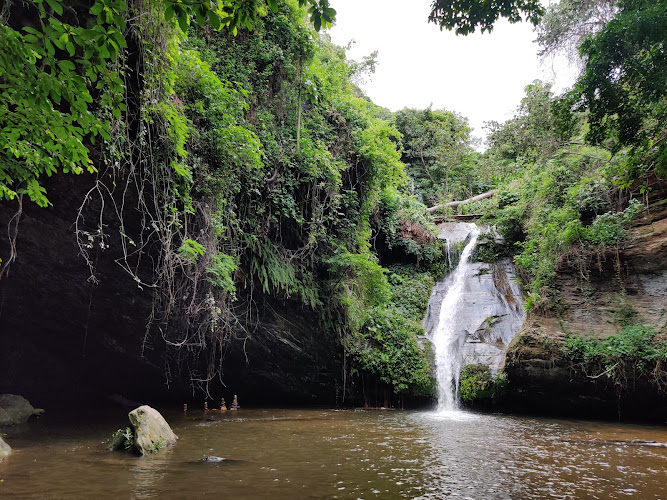
Cascade de Womé

AKAKPO
Find Accommodations Nearby
Recommended Tours & Activities
Visitor Reviews
There are no reviews yet. Be the first one to write one.
Share Your Experience
Have you visited CENTRE DE RESSOURCES POUR L’ARTISANAT DE KLOTO? Help other travelers by leaving a review.