
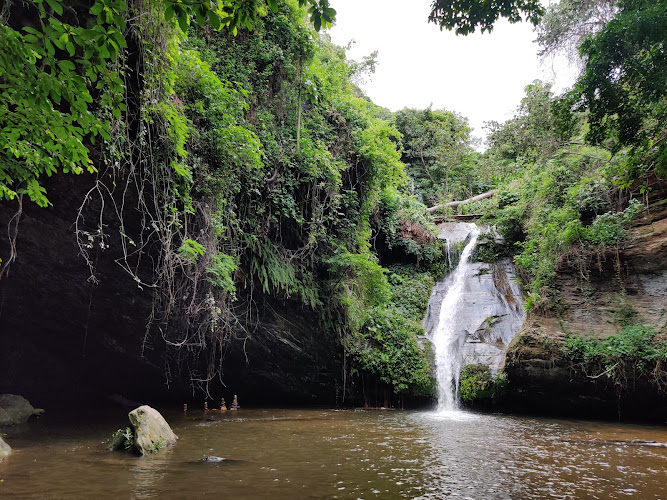
Cascade de Womé
About Cascade de Womé
Description
Cascade de Womé stands as one of Togo's most spectacular natural wonders, drawing adventurers and nature enthusiasts from across West Africa and beyond. This magnificent waterfall plunges dramatically through lush tropical vegetation, creating a scene that feels almost otherworldly. The cascade drops approximately 35 meters down moss-covered rock faces, sending mist dancing through the surrounding forest canopy.
What really strikes you about this place is how it manages to feel both powerful and peaceful at the same time. The thunderous roar of water meeting rock below creates this constant soundtrack that somehow becomes meditative after a few minutes. And honestly? It's the kind of spot that makes you forget about your phone for a while – though you'll definitely want those photos later.
The waterfall sits within a protected area that showcases the incredible biodiversity of Togo's mountainous regions. Dense tropical rainforest surrounds the cascade, home to over 200 bird species and countless varieties of butterflies that seem to dance in the perpetual mist. The area's microclimate, created by the constant spray and forest cover, supports unique plant species that thrive nowhere else in the region.
Local communities have long considered Cascade de Womé a sacred site, and visitors often notice the small offerings left by those seeking blessings or good fortune. This spiritual significance adds another layer to the experience – you're not just visiting a pretty waterfall, but stepping into a place that holds deep cultural meaning for the people who call this region home.
Key Features
Travelers will discover numerous distinctive elements that set Cascade de Womé apart from other waterfalls in the region:
- Multi-tiered cascade system - The waterfall actually consists of three main drops, with the largest being the most photographed and accessible
- Natural swimming pools - Several crystal-clear pools have formed at the base, perfect for a refreshing dip after the hike in
- Unique rock formations - Ancient granite outcroppings create fascinating patterns and textures that change color throughout the day
- Endemic butterfly species - The Womé Blue, a butterfly found only in this specific microhabitat, can often be spotted near the mist zones
- Sacred groves - Traditional ceremonial areas maintained by local communities offer insight into indigenous spiritual practices
- Medicinal plant gardens - Local guides often point out traditional healing plants that grow in the waterfall's unique ecosystem
- Seasonal flow variations - The waterfall's character changes dramatically between wet and dry seasons, offering completely different experiences
- Ancient cave systems - Several small caves behind and beside the falls can be explored with proper guidance
- Photography blinds - Natural rock shelters provide excellent vantage points for wildlife photography
- Traditional fishing spots - Local fishermen still use ancestral techniques in the pools below the main cascade
Best Time to Visit
Planning your visit to Cascade de Womé requires understanding the dramatic seasonal changes that transform this natural wonder throughout the year. The timing of your trip will fundamentally shape your experience, and frankly, there's no single "perfect" time – it just depends on what you're after.
The wet season, running from April through October, brings the waterfall to its most dramatic state. During peak rains in June and July, the cascade becomes an absolute powerhouse, with water volumes increasing by up to 400% compared to dry season flows. The sound becomes deafening, the mist creates rainbow displays almost constantly, and the surrounding forest explodes with life. But here's the thing – the hiking trails become significantly more challenging, sometimes downright treacherous.
I've talked to travelers who visited during heavy rains and described it as both terrifying and exhilarating. The path can become slippery and require serious caution, but the payoff is witnessing nature at its most raw and powerful. Swimming becomes less appealing due to the strong currents, but the photographic opportunities are unmatched.
The dry season, from November through March, offers a completely different character. Water levels drop considerably, revealing rock formations usually hidden beneath the torrent. The pools become perfect for swimming – crystal clear and refreshingly cool. Wildlife viewing improves dramatically as animals come to drink, and the hiking becomes much more manageable for families with children.
February and March represent the sweet spot for many visitors. The weather remains dry enough for comfortable hiking, but occasional late-season rains keep the waterfall flowing at respectable levels. Temperatures hover around 28°C during the day, dropping to a comfortable 20°C at night.
Early mornings throughout any season offer the best lighting conditions and wildlife activity. The golden hour, starting about 6:30 AM, creates magical photography conditions as sunlight filters through the mist and forest canopy.
How to Get There
Reaching Cascade de Womé requires some planning and a sense of adventure, but the journey becomes part of the overall experience. Most travelers begin their journey from Lomé, Togo's capital city, though the waterfall is also accessible from several other regional starting points.
From Lomé, the most common route involves driving approximately 140 kilometers north toward the Plateau Region. The first 100 kilometers follow well-maintained paved roads, but the final stretch requires a sturdy vehicle – preferably 4WD during rainy season. Public transportation runs regularly between Lomé and Kpalimé, the nearest major town, with shared taxis and buses departing throughout the day.
Once you reach Kpalimé, local motorcycle taxis (known locally as "zémidjans") can transport you closer to the trailhead, though this option isn't for everyone. The motorcycle ride takes about 45 minutes along dirt roads that wind through coffee plantations and small villages. It's bumpy, dusty, and absolutely authentic.
Many travelers opt for organized tours that handle all transportation logistics. These typically include pickup from major hotels in Lomé, transportation in proper 4WD vehicles, and local guides who know the area intimately. While more expensive than independent travel, tour packages often provide better access to restricted areas and deeper cultural insights.
The final approach involves a hiking trail that begins at the village of Womé. This 2.5-kilometer trek through forest paths takes most people between 45 minutes to 1.5 hours, depending on fitness level and stops for photography. The trail crosses two small streams and includes some moderately steep sections, but remains manageable for most fitness levels.
Local guides can be arranged in Womé village and are highly recommended, not just for navigation but for their knowledge of local flora, fauna, and cultural significance. Guide fees typically range from 15-25 CFA francs per group, and these payments directly benefit local communities.
Tips for Visiting
Successful visits to Cascade de Womé require preparation and respect for both the natural environment and local customs. The waterfall's remote location and cultural significance demand a thoughtful approach that many first-time visitors overlook.
Footwear makes or breaks this experience. Proper hiking boots with good tread are essential – those smooth-soled sneakers that seem fine in the city become death traps on wet rocks. I've seen too many people struggling because they underestimated the terrain. Waterproof boots during rainy season aren't just recommended, they're mandatory if you want to enjoy yourself rather than constantly worry about slipping.
Pack your gear in waterproof bags or containers. The mist from the waterfall extends much further than most people expect, and sudden rain showers can soak everything in minutes. Camera equipment particularly needs protection – silica gel packets can be lifesavers for keeping moisture out of sensitive electronics.
Bring more water than you think you need. The humidity and physical exertion of hiking combine to create serious dehydration risks, especially for visitors not accustomed to tropical climates. Local guides recommend at least 2 liters per person for day trips, plus electrolyte supplements if you plan on swimming or extensive hiking.
Swimming safety requires constant attention. The pools may look calm, but underwater currents can be deceptively strong, particularly during higher water seasons. Never swim alone, and always check with local guides about current conditions. The water temperature stays around 22°C year-round, which feels refreshing but can lead to hypothermia during extended swimming sessions.
Cultural sensitivity goes beyond simple politeness here. The waterfall holds spiritual significance for local communities, so avoid loud behavior, respect any ceremonial areas or offerings you encounter, and ask permission before photographing local people. Small gifts or purchases from village vendors help support the communities that maintain trail access.
Start early to avoid afternoon crowds and heat. The best light for photography occurs between 7-9 AM and 4-6 PM, but morning visits also provide better wildlife viewing opportunities and more comfortable temperatures for hiking.
Insect protection becomes crucial, especially during wet season. Long-sleeved shirts and pants protect against mosquitoes and other biting insects that thrive in the humid forest environment. Natural repellents work well, but bring backup chemical repellents for serious protection during peak insect activity periods.
Cash payments are expected for guide services, village fees, and any local purchases. Credit cards and mobile payments aren't accepted in remote areas, so bring sufficient CFA francs for all anticipated expenses plus emergency reserves.
Finally, leave no trace principles apply completely here. Pack out all trash, avoid disturbing wildlife or plant life, and stick to established trails. This incredible natural wonder depends on responsible tourism to remain accessible for future generations of travelers seeking authentic experiences in one of West Africa's most beautiful natural settings.
Key Features
- Multi-tiered waterfall with a clear plunge pool suitable for swimming
- Lush tropical forest setting with abundant butterflies and birdlife
- Short scenic hike through plantations and natural trails
- Accessible from Kpalimé (about 12–35 km depending on route)
- Photogenic rock ledges and natural picnic spots
More Details
Updated September 12, 2025
Table of Contents
Description
Cascade de Womé stands as one of Togo’s most spectacular natural wonders, drawing adventurers and nature enthusiasts from across West Africa and beyond. This magnificent waterfall plunges dramatically through lush tropical vegetation, creating a scene that feels almost otherworldly. The cascade drops approximately 35 meters down moss-covered rock faces, sending mist dancing through the surrounding forest canopy.
What really strikes you about this place is how it manages to feel both powerful and peaceful at the same time. The thunderous roar of water meeting rock below creates this constant soundtrack that somehow becomes meditative after a few minutes. And honestly? It’s the kind of spot that makes you forget about your phone for a while – though you’ll definitely want those photos later.
The waterfall sits within a protected area that showcases the incredible biodiversity of Togo’s mountainous regions. Dense tropical rainforest surrounds the cascade, home to over 200 bird species and countless varieties of butterflies that seem to dance in the perpetual mist. The area’s microclimate, created by the constant spray and forest cover, supports unique plant species that thrive nowhere else in the region.
Local communities have long considered Cascade de Womé a sacred site, and visitors often notice the small offerings left by those seeking blessings or good fortune. This spiritual significance adds another layer to the experience – you’re not just visiting a pretty waterfall, but stepping into a place that holds deep cultural meaning for the people who call this region home.
Key Features
Travelers will discover numerous distinctive elements that set Cascade de Womé apart from other waterfalls in the region:
- Multi-tiered cascade system – The waterfall actually consists of three main drops, with the largest being the most photographed and accessible
- Natural swimming pools – Several crystal-clear pools have formed at the base, perfect for a refreshing dip after the hike in
- Unique rock formations – Ancient granite outcroppings create fascinating patterns and textures that change color throughout the day
- Endemic butterfly species – The Womé Blue, a butterfly found only in this specific microhabitat, can often be spotted near the mist zones
- Sacred groves – Traditional ceremonial areas maintained by local communities offer insight into indigenous spiritual practices
- Medicinal plant gardens – Local guides often point out traditional healing plants that grow in the waterfall’s unique ecosystem
- Seasonal flow variations – The waterfall’s character changes dramatically between wet and dry seasons, offering completely different experiences
- Ancient cave systems – Several small caves behind and beside the falls can be explored with proper guidance
- Photography blinds – Natural rock shelters provide excellent vantage points for wildlife photography
- Traditional fishing spots – Local fishermen still use ancestral techniques in the pools below the main cascade
Best Time to Visit
Planning your visit to Cascade de Womé requires understanding the dramatic seasonal changes that transform this natural wonder throughout the year. The timing of your trip will fundamentally shape your experience, and frankly, there’s no single “perfect” time – it just depends on what you’re after.
The wet season, running from April through October, brings the waterfall to its most dramatic state. During peak rains in June and July, the cascade becomes an absolute powerhouse, with water volumes increasing by up to 400% compared to dry season flows. The sound becomes deafening, the mist creates rainbow displays almost constantly, and the surrounding forest explodes with life. But here’s the thing – the hiking trails become significantly more challenging, sometimes downright treacherous.
I’ve talked to travelers who visited during heavy rains and described it as both terrifying and exhilarating. The path can become slippery and require serious caution, but the payoff is witnessing nature at its most raw and powerful. Swimming becomes less appealing due to the strong currents, but the photographic opportunities are unmatched.
The dry season, from November through March, offers a completely different character. Water levels drop considerably, revealing rock formations usually hidden beneath the torrent. The pools become perfect for swimming – crystal clear and refreshingly cool. Wildlife viewing improves dramatically as animals come to drink, and the hiking becomes much more manageable for families with children.
February and March represent the sweet spot for many visitors. The weather remains dry enough for comfortable hiking, but occasional late-season rains keep the waterfall flowing at respectable levels. Temperatures hover around 28°C during the day, dropping to a comfortable 20°C at night.
Early mornings throughout any season offer the best lighting conditions and wildlife activity. The golden hour, starting about 6:30 AM, creates magical photography conditions as sunlight filters through the mist and forest canopy.
How to Get There
Reaching Cascade de Womé requires some planning and a sense of adventure, but the journey becomes part of the overall experience. Most travelers begin their journey from Lomé, Togo’s capital city, though the waterfall is also accessible from several other regional starting points.
From Lomé, the most common route involves driving approximately 140 kilometers north toward the Plateau Region. The first 100 kilometers follow well-maintained paved roads, but the final stretch requires a sturdy vehicle – preferably 4WD during rainy season. Public transportation runs regularly between Lomé and Kpalimé, the nearest major town, with shared taxis and buses departing throughout the day.
Once you reach Kpalimé, local motorcycle taxis (known locally as “zémidjans”) can transport you closer to the trailhead, though this option isn’t for everyone. The motorcycle ride takes about 45 minutes along dirt roads that wind through coffee plantations and small villages. It’s bumpy, dusty, and absolutely authentic.
Many travelers opt for organized tours that handle all transportation logistics. These typically include pickup from major hotels in Lomé, transportation in proper 4WD vehicles, and local guides who know the area intimately. While more expensive than independent travel, tour packages often provide better access to restricted areas and deeper cultural insights.
The final approach involves a hiking trail that begins at the village of Womé. This 2.5-kilometer trek through forest paths takes most people between 45 minutes to 1.5 hours, depending on fitness level and stops for photography. The trail crosses two small streams and includes some moderately steep sections, but remains manageable for most fitness levels.
Local guides can be arranged in Womé village and are highly recommended, not just for navigation but for their knowledge of local flora, fauna, and cultural significance. Guide fees typically range from 15-25 CFA francs per group, and these payments directly benefit local communities.
Tips for Visiting
Successful visits to Cascade de Womé require preparation and respect for both the natural environment and local customs. The waterfall’s remote location and cultural significance demand a thoughtful approach that many first-time visitors overlook.
Footwear makes or breaks this experience. Proper hiking boots with good tread are essential – those smooth-soled sneakers that seem fine in the city become death traps on wet rocks. I’ve seen too many people struggling because they underestimated the terrain. Waterproof boots during rainy season aren’t just recommended, they’re mandatory if you want to enjoy yourself rather than constantly worry about slipping.
Pack your gear in waterproof bags or containers. The mist from the waterfall extends much further than most people expect, and sudden rain showers can soak everything in minutes. Camera equipment particularly needs protection – silica gel packets can be lifesavers for keeping moisture out of sensitive electronics.
Bring more water than you think you need. The humidity and physical exertion of hiking combine to create serious dehydration risks, especially for visitors not accustomed to tropical climates. Local guides recommend at least 2 liters per person for day trips, plus electrolyte supplements if you plan on swimming or extensive hiking.
Swimming safety requires constant attention. The pools may look calm, but underwater currents can be deceptively strong, particularly during higher water seasons. Never swim alone, and always check with local guides about current conditions. The water temperature stays around 22°C year-round, which feels refreshing but can lead to hypothermia during extended swimming sessions.
Cultural sensitivity goes beyond simple politeness here. The waterfall holds spiritual significance for local communities, so avoid loud behavior, respect any ceremonial areas or offerings you encounter, and ask permission before photographing local people. Small gifts or purchases from village vendors help support the communities that maintain trail access.
Start early to avoid afternoon crowds and heat. The best light for photography occurs between 7-9 AM and 4-6 PM, but morning visits also provide better wildlife viewing opportunities and more comfortable temperatures for hiking.
Insect protection becomes crucial, especially during wet season. Long-sleeved shirts and pants protect against mosquitoes and other biting insects that thrive in the humid forest environment. Natural repellents work well, but bring backup chemical repellents for serious protection during peak insect activity periods.
Cash payments are expected for guide services, village fees, and any local purchases. Credit cards and mobile payments aren’t accepted in remote areas, so bring sufficient CFA francs for all anticipated expenses plus emergency reserves.
Finally, leave no trace principles apply completely here. Pack out all trash, avoid disturbing wildlife or plant life, and stick to established trails. This incredible natural wonder depends on responsible tourism to remain accessible for future generations of travelers seeking authentic experiences in one of West Africa’s most beautiful natural settings.
Key Highlights
- Multi-tiered waterfall with a clear plunge pool suitable for swimming
- Lush tropical forest setting with abundant butterflies and birdlife
- Short scenic hike through plantations and natural trails
- Accessible from Kpalimé (about 12–35 km depending on route)
- Photogenic rock ledges and natural picnic spots
Location
Places to Stay Near Cascade de Womé
Find and Book a Tour
Explore More Travel Guides
No reviews found! Be the first to review!
Traveler Reviews for Cascade de Womé
There are no reviews yet. Be the first one to write one.
Have you visited Cascade de Womé? Help other travelers by sharing your review.
Nearby Attractions
You Might Also Like
Kpekuime

Auberge Les Rochers
Hôtel Le Geyser
Find Accommodations Nearby
Recommended Tours & Activities
Visitor Reviews
There are no reviews yet. Be the first one to write one.
Share Your Experience
Have you visited Cascade de Womé? Help other travelers by leaving a review.