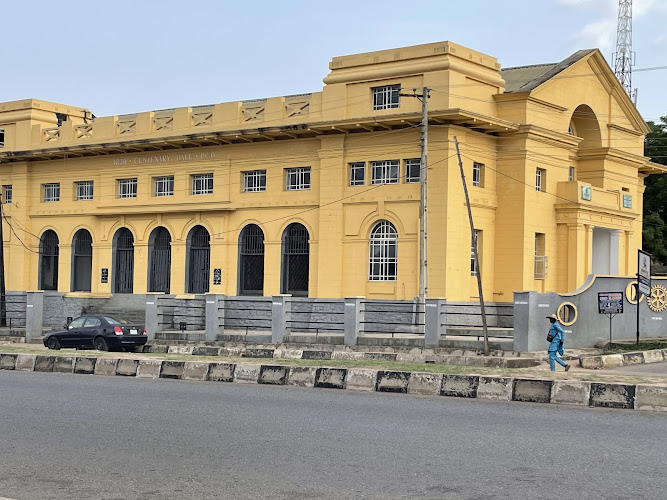
About Centenary Hall- Abeokuta

Description

Centenary Hall in Abeokuta is one of those places that quietly pulls you in with its history, its architecture, and honestly, its atmosphere. Built in 1930 to mark the hundred-year anniversary of the Egba people’s settlement in Abeokuta, the hall isn’t just a building—it’s a reminder of resilience, unity, and cultural pride. You can almost feel the weight of the conversations, ceremonies, and community gatherings that have taken place here over nearly a century. And while the structure shows its age in some corners, that’s part of the charm. It’s not a shiny, modern attraction; it’s a living piece of history that still has stories to tell.

Travelers who step inside will notice the mix of colonial-era design with local touches. It’s big, imposing, yet welcoming in its own way. Some visitors are impressed by the grandeur, others by the sense of nostalgia it carries. Sure, not everyone finds it perfect—there are those who might see it as a little worn or in need of sprucing up—but for many, that’s exactly what makes it authentic. If you’re the kind of traveler who loves peeling back the layers of a city’s past, this hall is a must-see. And yes, it’s also a family-friendly spot, so bringing kids along isn’t just fine—it’s encouraged. They’ll get to see history in a way that feels tangible and real.

Key Features

  • A historic hall built in 1930 to celebrate Abeokuta’s centenary.
  • Colonial-style architecture blended with Egba cultural identity.
  • Spacious interior often used for cultural events, performances, and gatherings.
  • Located right in the heart of Abeokuta, close to other landmarks like Ake Palace.
  • A symbolic reminder of the unity and resilience of the Egba people.
  • Welcoming to families and children, offering an educational experience.

Best Time to Visit

If you’re planning a trip, the best time to visit Centenary Hall is during the dry season, roughly from November to March. You’ll have clearer skies, easier transportation, and more comfortable weather for exploring Abeokuta on foot. That said, if you happen to be around during cultural festivals or local celebrations, that’s when the hall really comes alive. You’ll see it used the way it was meant to be—full of people, music, and energy. Personally, I enjoy visiting in the late afternoon when the sun is softer, and the building casts long shadows that make for great photos. And if you’re not a fan of large crowds, weekdays are usually quieter.

How to Get There

Abeokuta is well-connected from Lagos, Ibadan, and other parts of southwestern Nigeria, so getting to Centenary Hall isn’t too much of a hassle. If you’re coming from Lagos, the drive is about two hours, depending on traffic (and if you know Lagos, you know that’s a big “depending”). Once you’re in Abeokuta, local taxis or okadas (motorcycles) can take you straight to the hall. For those who prefer a bit more comfort, ride-hailing apps are also available in the city. The hall is centrally located, so you can easily pair your visit with nearby attractions like Olumo Rock or the Ake Palace. Honestly, if you’re staying in Abeokuta for even a day, you won’t miss it—it’s that central.

Tips for Visiting

Here’s the thing: visiting Centenary Hall is more than just snapping a few photos. To really appreciate it, give yourself time to wander, to imagine what it must have been like back in 1930 when it first opened its doors. A few tips to make your visit smoother:

  • Bring cash. While entry might be free or minimal, small purchases or tips often require cash, and ATMs aren’t always nearby.
  • Pair your trip. Combine the hall with a visit to Olumo Rock or the palace to get a fuller picture of Abeokuta’s history.
  • Go with a guide. A local guide can share stories you won’t find on plaques or in guidebooks.
  • Dress light. It can get hot, so breathable clothing and comfortable shoes are a must.
  • Be open-minded. Some parts of the hall may look worn, but that’s part of its character. Focus on the history and atmosphere rather than expecting a polished museum.

And one last thing: don’t rush. I made that mistake the first time I visited, thinking I’d just pop in and out. But the longer I stayed, the more I noticed—the carvings, the echoes in the hall, even the way locals interacted with the space. It’s the kind of place that rewards patience. So slow down, take it in, and let the hall tell you its story.

Key Features

  • A historic hall built in 1930 to celebrate Abeokuta’s centenary.
  • Colonial-style architecture blended with Egba cultural identity.
  • Spacious interior often used for cultural events, performances, and gatherings.
  • Located right in the heart of Abeokuta, close to other landmarks like Ake Palace.
  • A symbolic reminder of the unity and resilience of the Egba people.
  • Welcoming to families and children, offering an educational experience.

More Details

Updated September 24, 2025


Description

Centenary Hall in Abeokuta is one of those places that quietly pulls you in with its history, its architecture, and honestly, its atmosphere. Built in 1930 to mark the hundred-year anniversary of the Egba people’s settlement in Abeokuta, the hall isn’t just a building—it’s a reminder of resilience, unity, and cultural pride. You can almost feel the weight of the conversations, ceremonies, and community gatherings that have taken place here over nearly a century. And while the structure shows its age in some corners, that’s part of the charm. It’s not a shiny, modern attraction; it’s a living piece of history that still has stories to tell.

Travelers who step inside will notice the mix of colonial-era design with local touches. It’s big, imposing, yet welcoming in its own way. Some visitors are impressed by the grandeur, others by the sense of nostalgia it carries. Sure, not everyone finds it perfect—there are those who might see it as a little worn or in need of sprucing up—but for many, that’s exactly what makes it authentic. If you’re the kind of traveler who loves peeling back the layers of a city’s past, this hall is a must-see. And yes, it’s also a family-friendly spot, so bringing kids along isn’t just fine—it’s encouraged. They’ll get to see history in a way that feels tangible and real.

Key Features

  • A historic hall built in 1930 to celebrate Abeokuta’s centenary.
  • Colonial-style architecture blended with Egba cultural identity.
  • Spacious interior often used for cultural events, performances, and gatherings.
  • Located right in the heart of Abeokuta, close to other landmarks like Ake Palace.
  • A symbolic reminder of the unity and resilience of the Egba people.
  • Welcoming to families and children, offering an educational experience.

Best Time to Visit

If you’re planning a trip, the best time to visit Centenary Hall is during the dry season, roughly from November to March. You’ll have clearer skies, easier transportation, and more comfortable weather for exploring Abeokuta on foot. That said, if you happen to be around during cultural festivals or local celebrations, that’s when the hall really comes alive. You’ll see it used the way it was meant to be—full of people, music, and energy. Personally, I enjoy visiting in the late afternoon when the sun is softer, and the building casts long shadows that make for great photos. And if you’re not a fan of large crowds, weekdays are usually quieter.

How to Get There

Abeokuta is well-connected from Lagos, Ibadan, and other parts of southwestern Nigeria, so getting to Centenary Hall isn’t too much of a hassle. If you’re coming from Lagos, the drive is about two hours, depending on traffic (and if you know Lagos, you know that’s a big “depending”). Once you’re in Abeokuta, local taxis or okadas (motorcycles) can take you straight to the hall. For those who prefer a bit more comfort, ride-hailing apps are also available in the city. The hall is centrally located, so you can easily pair your visit with nearby attractions like Olumo Rock or the Ake Palace. Honestly, if you’re staying in Abeokuta for even a day, you won’t miss it—it’s that central.

Tips for Visiting

Here’s the thing: visiting Centenary Hall is more than just snapping a few photos. To really appreciate it, give yourself time to wander, to imagine what it must have been like back in 1930 when it first opened its doors. A few tips to make your visit smoother:

  • Bring cash. While entry might be free or minimal, small purchases or tips often require cash, and ATMs aren’t always nearby.
  • Pair your trip. Combine the hall with a visit to Olumo Rock or the palace to get a fuller picture of Abeokuta’s history.
  • Go with a guide. A local guide can share stories you won’t find on plaques or in guidebooks.
  • Dress light. It can get hot, so breathable clothing and comfortable shoes are a must.
  • Be open-minded. Some parts of the hall may look worn, but that’s part of its character. Focus on the history and atmosphere rather than expecting a polished museum.

And one last thing: don’t rush. I made that mistake the first time I visited, thinking I’d just pop in and out. But the longer I stayed, the more I noticed—the carvings, the echoes in the hall, even the way locals interacted with the space. It’s the kind of place that rewards patience. So slow down, take it in, and let the hall tell you its story.

Key Highlights

  • A historic hall built in 1930 to celebrate Abeokuta’s centenary.
  • Colonial-style architecture blended with Egba cultural identity.
  • Spacious interior often used for cultural events, performances, and gatherings.
  • Located right in the heart of Abeokuta, close to other landmarks like Ake Palace.
  • A symbolic reminder of the unity and resilience of the Egba people.
  • Welcoming to families and children, offering an educational experience.

Location

Places to Stay Near Centenary Hall- Abeokuta

Find and Book a Tour

Explore More Travel Guides

No reviews found! Be the first to review!

Traveler Reviews for Centenary Hall- Abeokuta

There are no reviews yet. Be the first one to write one.

Share Your Experience

Have you visited Centenary Hall- Abeokuta? Help other travelers by sharing your review.

Find Accommodations Nearby

Recommended Tours & Activities

Visitor Reviews

There are no reviews yet. Be the first one to write one.

Share Your Experience

Have you visited Centenary Hall- Abeokuta? Help other travelers by leaving a review.