About Casarão do Carmo

Description

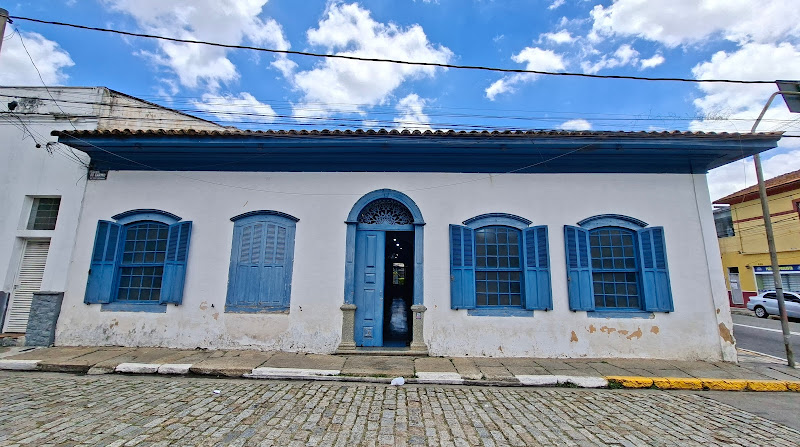
Stepping into Casarão do Carmo feels a bit like wandering into someone's carefully preserved memories. This museum stands as one of those places that doesn't scream for attention but quietly rewards those who take the time to visit. The building itself tells stories through its architecture—a grand colonial structure that's survived decades of change while maintaining its character and dignity. What makes this place special isn't just the historical pieces displayed within its walls, though those certainly deserve attention. It's the atmosphere, really. You know how some museums feel sterile and distant? Casarão do Carmo isn't like that. There's warmth here, a sense that the past isn't something locked behind glass but rather something you're invited to understand and appreciate. The collection focuses on preserving local heritage through artifacts, photographs, and displays that paint a picture of life in different eras. And honestly, even if you're not typically a museum person, there's something compelling about seeing everyday objects from centuries past. A wooden chair, a faded photograph, old documents—these things connect us to people who lived completely different lives yet shared the same basic human experiences we do today. I've always thought that the best museums are the ones where you lose track of time, where you find yourself genuinely curious about the next room. Casarão do Carmo manages this quite well. It's not massive, which actually works in its favor. You won't spend an exhausting six hours trudging through endless corridors. Instead, you get a focused, manageable experience that respects both the history and your time. The building's restoration deserves mention too. Someone clearly cared about maintaining authenticity while making necessary updates. The wheelchair accessible entrance and restrooms show thoughtful consideration for all visitors, something not every historical building manages to achieve without compromising its character.

Key Features

  • Colonial architecture that's been carefully preserved, giving visitors an authentic sense of historical design and craftsmanship
  • Collection of historical artifacts spanning multiple periods, offering insights into local culture and daily life through the ages
  • Wheelchair accessible facilities including entrance and restroom areas, making the museum welcoming to visitors with mobility needs
  • Family-friendly environment suitable for children, with displays that can engage younger visitors without being overly simplified
  • Intimate size that allows for a thorough but not overwhelming visit, perfect for those who want quality over quantity
  • Well-maintained grounds and interior spaces that reflect careful stewardship of the property
  • Restroom facilities available on-site for visitor convenience during their exploration
  • Educational displays that provide context without being dry or academic, striking a good balance for general audiences
  • Photographic documentation showcasing the region's transformation over time
  • Period furnishings and household items that bring historical periods to life in tangible ways

Best Time to Visit

Timing your visit to Casarão do Carmo can make a real difference in your experience. Weekday mornings tend to be quieter, which means you'll have more space to absorb the exhibits without crowds jostling around you. There's something particularly peaceful about exploring a historical space when it's not packed with tour groups. If you're traveling with kids, weekend afternoons work surprisingly well despite being busier. The energy from other families can actually make children more engaged and excited about the visit. But if you're someone who prefers solitude and contemplation—and I totally get that—aim for Tuesday or Wednesday mornings. Weather doesn't impact the indoor exhibits obviously, but the building and surrounding area are more enjoyable when it's not pouring rain or unbearably hot. The moderate seasons offer the most comfortable conditions for your overall visit, including the walk to and from the museum. Consider avoiding major holidays when the museum might be closed or operating on reduced hours. And here's a tip that applies to most museums: the first hour after opening and the last hour before closing are usually the quietest times. Early risers and strategic planners will find themselves practically alone with the exhibits. Local school groups often visit during term time, particularly in the morning. If the sound of excited children echoes through historical halls bothers you, you might want to call ahead and check if any group bookings are scheduled for your intended visit day.

How to Get There

Getting to Casarão do Carmo requires a bit of planning but nothing too complicated. The museum sits in an area that's accessible by various means of transportation, so you've got options depending on your preferences and budget. Driving offers the most flexibility, and parking in the vicinity is generally manageable though not always immediately adjacent to the entrance. If you're staying nearby, walking can be a pleasant option that lets you soak up the neighborhood atmosphere along the way. There's something nice about approaching a historical building on foot—it somehow feels more appropriate than rushing up in a car. Public transportation serves the area reasonably well. Local buses run routes that pass within walking distance, and taxi services or ride-sharing apps work perfectly fine if you prefer door-to-door convenience. For visitors unfamiliar with the area, ride-sharing might be your easiest bet since you won't need to decipher bus schedules or worry about missing your stop. The wheelchair accessible entrance means visitors with mobility challenges can enter without difficulty, which isn't always a given with older buildings. This accessibility extends to the main exhibit areas, showing genuine commitment to inclusive access. If you're coming from out of town, plan your route in advance and maybe check current traffic patterns. GPS gets you close, but having a general sense of the area helps. And honestly, arriving about fifteen minutes before you actually want to start exploring gives you time to sort out any unexpected parking situations or just catch your breath before diving in.

Tips for Visiting

Budget at least an hour and a half for your visit, maybe two hours if you're someone who reads every placard and really absorbs the details. Rushing through defeats the purpose of visiting a place like this. Comfortable shoes matter more than you'd think. Even though it's not a huge space, you'll be on your feet, and historical buildings sometimes have uneven floors or stairs. Nobody wants their museum experience ruined by aching feet. Photography policies vary at different museums, so if capturing images is important to you, check the rules beforehand. Some areas might restrict flash photography to protect delicate artifacts, which makes sense when you think about preservation needs. The museum doesn't have a restaurant on site, so eat before you come or plan to grab food afterwards. There are usually dining options in the surrounding area, but don't expect to purchase lunch within the museum itself. Bringing a water bottle isn't a bad idea either, though you'll obviously need to be careful not to bring it near any sensitive displays. For families with children, consider talking to your kids beforehand about museum etiquette—not touching exhibits, using indoor voices, that sort of thing. The space is good for kids, but it's still a museum with items that need protection. Making it into a treasure hunt or game can help younger visitors stay engaged. Ask staff questions if you're curious about specific pieces or the building's history. Museum workers are usually passionate about their institution and happy to share insights that might not be included in the written materials. Some of the best information I've ever gotten at museums came from casual conversations with knowledgeable staff members. Check opening hours before you go because museums sometimes have irregular schedules, particularly on holidays or during special events. Nothing's more frustrating than showing up to closed doors because you assumed it would be open. Give yourself permission to skip sections that don't interest you. Not every exhibit will resonate with every person, and that's perfectly fine. Focus on what captures your attention rather than feeling obligated to see absolutely everything. And finally, take a moment to just sit quietly somewhere in the building if possible. Historical spaces hold a certain energy, and sometimes you need to stop moving and analyzing to actually feel it. That's when places like Casarão do Carmo work their subtle magic, connecting past and present in ways that guidebooks can't quite capture.

Key Features

  • Colonial architecture that's been carefully preserved, giving visitors an authentic sense of historical design and craftsmanship
  • Collection of historical artifacts spanning multiple periods, offering insights into local culture and daily life through the ages
  • Wheelchair accessible facilities including entrance and restroom areas, making the museum welcoming to visitors with mobility needs
  • Family-friendly environment suitable for children, with displays that can engage younger visitors without being overly simplified
  • Intimate size that allows for a thorough but not overwhelming visit, perfect for those who want quality over quantity
  • Well-maintained grounds and interior spaces that reflect careful stewardship of the property
  • Restroom facilities available on-site for visitor convenience during their exploration
  • Educational displays that provide context without being dry or academic, striking a good balance for general audiences

More Details

Updated January 5, 2026

Description

Stepping into Casarão do Carmo feels a bit like wandering into someone’s carefully preserved memories. This museum stands as one of those places that doesn’t scream for attention but quietly rewards those who take the time to visit. The building itself tells stories through its architecture—a grand colonial structure that’s survived decades of change while maintaining its character and dignity.

What makes this place special isn’t just the historical pieces displayed within its walls, though those certainly deserve attention. It’s the atmosphere, really. You know how some museums feel sterile and distant? Casarão do Carmo isn’t like that. There’s warmth here, a sense that the past isn’t something locked behind glass but rather something you’re invited to understand and appreciate.

The collection focuses on preserving local heritage through artifacts, photographs, and displays that paint a picture of life in different eras. And honestly, even if you’re not typically a museum person, there’s something compelling about seeing everyday objects from centuries past. A wooden chair, a faded photograph, old documents—these things connect us to people who lived completely different lives yet shared the same basic human experiences we do today.

I’ve always thought that the best museums are the ones where you lose track of time, where you find yourself genuinely curious about the next room. Casarão do Carmo manages this quite well. It’s not massive, which actually works in its favor. You won’t spend an exhausting six hours trudging through endless corridors. Instead, you get a focused, manageable experience that respects both the history and your time.

The building’s restoration deserves mention too. Someone clearly cared about maintaining authenticity while making necessary updates. The wheelchair accessible entrance and restrooms show thoughtful consideration for all visitors, something not every historical building manages to achieve without compromising its character.

Key Features

  • Colonial architecture that’s been carefully preserved, giving visitors an authentic sense of historical design and craftsmanship
  • Collection of historical artifacts spanning multiple periods, offering insights into local culture and daily life through the ages
  • Wheelchair accessible facilities including entrance and restroom areas, making the museum welcoming to visitors with mobility needs
  • Family-friendly environment suitable for children, with displays that can engage younger visitors without being overly simplified
  • Intimate size that allows for a thorough but not overwhelming visit, perfect for those who want quality over quantity
  • Well-maintained grounds and interior spaces that reflect careful stewardship of the property
  • Restroom facilities available on-site for visitor convenience during their exploration
  • Educational displays that provide context without being dry or academic, striking a good balance for general audiences
  • Photographic documentation showcasing the region’s transformation over time
  • Period furnishings and household items that bring historical periods to life in tangible ways

Best Time to Visit

Timing your visit to Casarão do Carmo can make a real difference in your experience. Weekday mornings tend to be quieter, which means you’ll have more space to absorb the exhibits without crowds jostling around you. There’s something particularly peaceful about exploring a historical space when it’s not packed with tour groups.

If you’re traveling with kids, weekend afternoons work surprisingly well despite being busier. The energy from other families can actually make children more engaged and excited about the visit. But if you’re someone who prefers solitude and contemplation—and I totally get that—aim for Tuesday or Wednesday mornings.

Weather doesn’t impact the indoor exhibits obviously, but the building and surrounding area are more enjoyable when it’s not pouring rain or unbearably hot. The moderate seasons offer the most comfortable conditions for your overall visit, including the walk to and from the museum.

Consider avoiding major holidays when the museum might be closed or operating on reduced hours. And here’s a tip that applies to most museums: the first hour after opening and the last hour before closing are usually the quietest times. Early risers and strategic planners will find themselves practically alone with the exhibits.

Local school groups often visit during term time, particularly in the morning. If the sound of excited children echoes through historical halls bothers you, you might want to call ahead and check if any group bookings are scheduled for your intended visit day.

How to Get There

Getting to Casarão do Carmo requires a bit of planning but nothing too complicated. The museum sits in an area that’s accessible by various means of transportation, so you’ve got options depending on your preferences and budget.

Driving offers the most flexibility, and parking in the vicinity is generally manageable though not always immediately adjacent to the entrance. If you’re staying nearby, walking can be a pleasant option that lets you soak up the neighborhood atmosphere along the way. There’s something nice about approaching a historical building on foot—it somehow feels more appropriate than rushing up in a car.

Public transportation serves the area reasonably well. Local buses run routes that pass within walking distance, and taxi services or ride-sharing apps work perfectly fine if you prefer door-to-door convenience. For visitors unfamiliar with the area, ride-sharing might be your easiest bet since you won’t need to decipher bus schedules or worry about missing your stop.

The wheelchair accessible entrance means visitors with mobility challenges can enter without difficulty, which isn’t always a given with older buildings. This accessibility extends to the main exhibit areas, showing genuine commitment to inclusive access.

If you’re coming from out of town, plan your route in advance and maybe check current traffic patterns. GPS gets you close, but having a general sense of the area helps. And honestly, arriving about fifteen minutes before you actually want to start exploring gives you time to sort out any unexpected parking situations or just catch your breath before diving in.

Tips for Visiting

Budget at least an hour and a half for your visit, maybe two hours if you’re someone who reads every placard and really absorbs the details. Rushing through defeats the purpose of visiting a place like this.

Comfortable shoes matter more than you’d think. Even though it’s not a huge space, you’ll be on your feet, and historical buildings sometimes have uneven floors or stairs. Nobody wants their museum experience ruined by aching feet.

Photography policies vary at different museums, so if capturing images is important to you, check the rules beforehand. Some areas might restrict flash photography to protect delicate artifacts, which makes sense when you think about preservation needs.

The museum doesn’t have a restaurant on site, so eat before you come or plan to grab food afterwards. There are usually dining options in the surrounding area, but don’t expect to purchase lunch within the museum itself. Bringing a water bottle isn’t a bad idea either, though you’ll obviously need to be careful not to bring it near any sensitive displays.

For families with children, consider talking to your kids beforehand about museum etiquette—not touching exhibits, using indoor voices, that sort of thing. The space is good for kids, but it’s still a museum with items that need protection. Making it into a treasure hunt or game can help younger visitors stay engaged.

Ask staff questions if you’re curious about specific pieces or the building’s history. Museum workers are usually passionate about their institution and happy to share insights that might not be included in the written materials. Some of the best information I’ve ever gotten at museums came from casual conversations with knowledgeable staff members.

Check opening hours before you go because museums sometimes have irregular schedules, particularly on holidays or during special events. Nothing’s more frustrating than showing up to closed doors because you assumed it would be open.

Give yourself permission to skip sections that don’t interest you. Not every exhibit will resonate with every person, and that’s perfectly fine. Focus on what captures your attention rather than feeling obligated to see absolutely everything.

And finally, take a moment to just sit quietly somewhere in the building if possible. Historical spaces hold a certain energy, and sometimes you need to stop moving and analyzing to actually feel it. That’s when places like Casarão do Carmo work their subtle magic, connecting past and present in ways that guidebooks can’t quite capture.

Key Highlights

  • Colonial architecture that's been carefully preserved, giving visitors an authentic sense of historical design and craftsmanship
  • Collection of historical artifacts spanning multiple periods, offering insights into local culture and daily life through the ages
  • Wheelchair accessible facilities including entrance and restroom areas, making the museum welcoming to visitors with mobility needs
  • Family-friendly environment suitable for children, with displays that can engage younger visitors without being overly simplified
  • Intimate size that allows for a thorough but not overwhelming visit, perfect for those who want quality over quantity
  • Well-maintained grounds and interior spaces that reflect careful stewardship of the property
  • Restroom facilities available on-site for visitor convenience during their exploration
  • Educational displays that provide context without being dry or academic, striking a good balance for general audiences

Location

Places to Stay Near Casarão do Carmo

Find and Book a Tour

Explore More Travel Guides

No reviews found! Be the first to review!

Traveler Reviews for Casarão do Carmo

There are no reviews yet. Be the first one to write one.

Share Your Experience

Have you visited Casarão do Carmo? Help other travelers by sharing your review.

Find Accommodations Nearby

Recommended Tours & Activities

Visitor Reviews

There are no reviews yet. Be the first one to write one.

Share Your Experience

Have you visited Casarão do Carmo? Help other travelers by leaving a review.