
Casa Primera
About Casa Primera
Key Features
- Original 1837 adobe structure — oldest house in the Pomona Valley
- Traditional viga-and-latilla roofing and period construction details
- Interpreted historic rooms with domestic artifacts and period furnishings
- Connection to the Palomares family and Rancho San José land grant history
- Located within Pomona’s historic district and tied to local events like Fiesta del Rancho
More Details
Updated April 15, 2024
The Homestead at the Fiesta del Rancho San José, La Casa Primera …
## Casa Primera, Pomona: Visiting the Oldest Home in Pomona Valley
Casa Primera (officially La Casa Primera de Rancho San José) is a small adobe house with a big story behind it. Built in 1837 and sitting at 1569 N Park Ave, Pomona, CA 91768, this modest structure is recognized as the oldest surviving home in the Pomona Valley and a listed property on the National Register of Historic Places.
Today, Casa Primera operates as a historic house museum under the Historical Society of Pomona Valley, offering a close-up look at early Californio life, the Rancho era, and the transition from Mexican to American California.
—
## Why Casa Primera Matters
### A Snapshot of the Rancho Era
Casa Primera was built soon after Governor Juan Bautista Alvarado granted roughly 15,000–22,000 acres of former Mission San Gabriel lands to Ygnacio Palomares and Ricardo Vejar in 1837, forming Rancho San José.
Key points:
– First house in the Pomona Valley: Casa Primera was the initial adobe homestead of Ygnacio Palomares, making it the earliest permanent residence in the valley.
– Californio ranching history: The rancho supported sheep and cattle ranching, with beef sales surging during the Gold Rush years before drought and economic shifts undermined that prosperity.
– Secularization context: The land itself came from the secularization of Mission San Gabriel holdings, a pivotal policy shift that reshaped land ownership across Southern California.
If you’re building out a deeper Southern California history itinerary, Casa Primera pairs naturally with other adobe landmarks from the same era, such as the Ygnacio Palomares Adobe and La Casa Alvarado, both connected to the Palomares and Alvarado families.
—
## Architecture: A Classic Adobe Brought Back to Life
### Spanish Colonial Adobe Design
Casa Primera is a textbook example of Spanish Colonial / Mexican adobe architecture:
– Thick adobe walls made from sun-dried bricks, designed to keep interiors cooler in summer and warmer in winter.
– A low, wide profile with a deep front porch (portal) that runs along the façade.
– Originally a simple multi-room adobe that later saw additional rooms added at the rear as the household grew. Homestead Blog
Inside, the Historical Society has restored the house with period furniture and décor, giving each room a lived-in feel rather than a sterile museum atmosphere. Visitors can typically see:
– A parlor/dining space with 19th-century furnishings
– Bedrooms laid out as a Californio family might have used them
– A small but informative collection of objects, textiles, and household items evocative of mid-1800s rancho life
> Note on accuracy: The exact room count and interior layout have evolved as the house was expanded and restored. Interpretive details inside the museum may change over time as new research emerges.
—
## The Palomares Family and Everyday Life Here
### From First Homestead to Family Base
Casa Primera served as the home of Ygnacio Palomares and his family for about 17 years, from its construction in 1837 until they moved into a larger adobe (the Palomares Adobe) between 1850 and 1855.
Later, the house took on a second life when Francisco Palomares, Ygnacio’s son, moved in with his wife Lujardo Alvarado in 1867.
A few details that bring the story to life:
– Artesian well discovery: Francisco discovered an artesian well on the property—the first documented in the Pomona Valley—making year-round water available for agriculture.
– Early citrus cultivation: That water allowed him to plant orange groves around the adobe, an early example of the citrus agriculture that would later define much of inland Southern California. Some of these trees were still noted on the grounds into the late 20th century.
– Local water infrastructure: Francisco helped found the Old Settlement Water Company in 1874, and remnants of a stone-lined canal tied to this system can still be seen in the surrounding area.
For travelers interested in water history, early infrastructure, and the origins of Southern California’s citrus economy, Casa Primera offers more context than you’d expect from a small site.
—
## From Private Home to Protected Landmark
### Changing Hands and Preservation
Casa Primera’s later history reflects broader changes in Pomona and the region:
– After the Palomares family era, the adobe was purchased by Dr. Benjamin S. Nichols, president of the Pomona Land and Water Company, linking it to early town development.
– In the mid-20th century, owner Roscoe (or Clyde) Hart held the property for decades before selling it at public auction in the early 1970s.
– The Historical Society of Pomona Valley raised funds and bought Casa Primera for about $85,000 in 1973, beating a private bidder who stopped once she realized she was competing with the Society.
– The Society restored the house with period furnishings and opened it to the public as a museum.
Casa Primera had already been recognized locally as a historic landmark, and in 1975 it was added to the National Register of Historic Places, further cementing its status as one of Pomona’s key heritage sites.
—
## Visiting Casa Primera Today
> Important: Opening hours, tour formats, and ticket prices can change. Always confirm directly with the Historical Society of Pomona Valley before planning a visit.
### Location and Basics
– Address: 1569 N Park Ave, Pomona, CA 91768, at Park Avenue & McKinley.
– Structure type: Historic adobe house museum; small site that can comfortably be seen in under an hour.
### Opening Hours and Tours
Available information indicates:
– Casa Primera is often open on selected Sundays, typically in the afternoon, with reservation-based tours organized by the Historical Society.
– A standard guided tour fee of around US$5 per person has been advertised by the Historical Society.
Because schedules can vary due to staffing, events, or maintenance, check:
– The Pomona Historical Society website
– Or contact them via the phone/email currently listed for Casa Primera tours
I’m deliberately not quoting specific phone numbers or email addresses here, as those details can change without notice.
—
## What to Expect During Your Visit
### Atmosphere and Setting
Visitors typically describe Casa Primera as:
– Quiet and intimate, with a residential feel rather than a large institutional museum
– Surrounded by mature trees and modest gardens, hinting at its former agricultural setting within Rancho San José
– Often used for cultural events, such as folklórico dance performances, music, and Rancho-themed celebrations (for example, the Fiesta del Rancho San José).
The relatively small scale also makes it an approachable stop for travelers who are new to California’s rancho history and might otherwise be intimidated by larger historical complexes.
### Accessibility and Inclusivity
Public sources do not provide a detailed, authoritative breakdown of accessibility features (such as ramps, restrooms, or interpretive options for visitors with disabilities).
Because of that:
– Assume that accessibility could be limited due to the adobe’s age and historic fabric.
– If accessibility is essential to your visit (wheelchair access, accessible restrooms, sensory-friendly options, etc.), contact the Historical Society directly ahead of time and ask specifically about accommodations and any barriers on site.
This approach ensures you’re working with the most up-to-date, accurate information rather than relying on assumptions.
—
## How to Fit Casa Primera into a Southern California Trip
Casa Primera is best experienced as part of a broader historic and cultural circuit through Pomona and the eastern Los Angeles County area.
Logical pairings include:
– Palomares Adobe (Ygnacio Palomares Adobe): The larger later home of the same family, offering a contrast in scale and lifestyle as fortunes changed.
– Nearby historic houses such as the Phillips Mansion or La Casa Alvarado (note that La Casa Alvarado is privately owned and not typically open to the public). Homestead Blog
– Other Pomona museums, like the American Museum of Ceramic Art or the NHRA Motorsports Museum, if you’re mixing history with art or motorsports.
When planning a Southern California heritage road trip, Casa Primera works well as:
– A half-day stop paired with Claremont or La Verne
– A history break before or after a day at the LA County Fairgrounds, which are also in Pomona
In your own RealJourneyTravels.com content architecture, this is an ideal place to internally link out to:
– A broader guide to historic sites in Los Angeles County
– A Southern California road trip itinerary focusing on early California and Rancho-era sites
(You can anchor those internal links on phrases like “historic sites in Los Angeles County” and “Southern California road trip itinerary” within this article.)
—
## Practical Tips for Visitors
Because the site is small and community-run, a few realistic tips help set expectations:
– Confirm the schedule: The house is not open daily; check the latest tour calendar and whether reservations are required.
– Allow time for conversation: Staff and volunteers are often long-time local historians. Building in time to ask questions can be as rewarding as the tour itself.
– Combine with a nearby meal or coffee stop: Pomona and neighboring Claremont both have walkable downtowns with independent cafés and restaurants, making Casa Primera an easy cultural add-on to a day out.
—
## Is Casa Primera Worth Visiting?
If you’re interested in:
– Early California / Californio history
– The legacy of Rancho San José and Mission-era land redistribution
– Adobe architecture and small-scale historic house museums
– Understanding how water, agriculture, and land speculation shaped the greater Los Angeles region
Table of Contents
Key Highlights
- Original 1837 adobe structure — oldest house in the Pomona Valley
- Traditional viga-and-latilla roofing and period construction details
- Interpreted historic rooms with domestic artifacts and period furnishings
- Connection to the Palomares family and Rancho San José land grant history
- Located within Pomona’s historic district and tied to local events like Fiesta del Rancho
Location
Places to Stay Near Casa Primera
Find and Book a Tour
Explore More Travel Guides
No reviews found! Be the first to review!
Traveler Reviews for Casa Primera
There are no reviews yet. Be the first one to write one.
Have you visited Casa Primera? Help other travelers by sharing your review.
Nearby Attractions
You Might Also Like
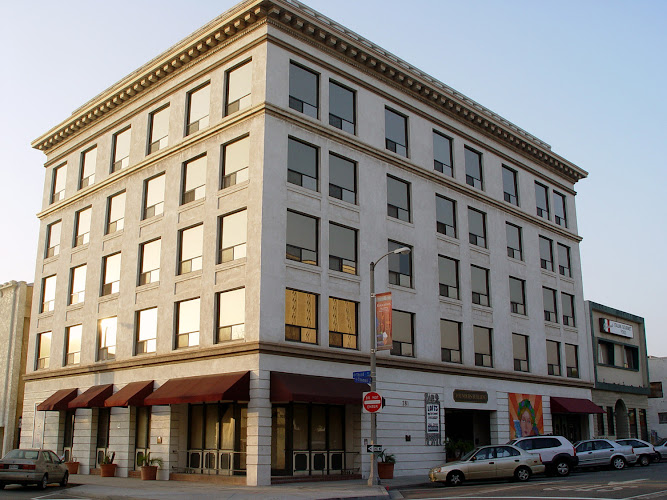
Latino Art Museum
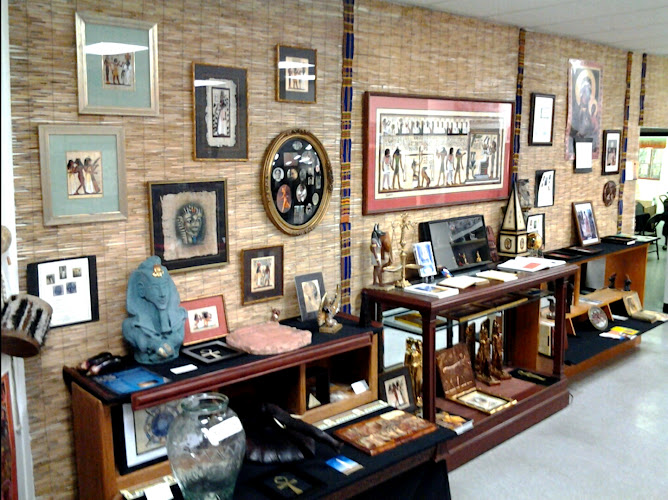
The African-American Museum of Beginnings
Chronos Escape Room
Find Accommodations Nearby
Recommended Tours & Activities
Visitor Reviews
There are no reviews yet. Be the first one to write one.
Share Your Experience
Have you visited Casa Primera? Help other travelers by leaving a review.