
Casa Museo Villa Albina
About Casa Museo Villa Albina
Key Features
More Details
Updated June 26, 2025
Casa Museo Villa Albina – Villa Albina, el día a día de los Patiño
## Casa Museo Villa Albina in Cochabamba: Inside Bolivia’s “Valley Dream” Mansion
About 16 kilometers outside Cochabamba, at the foot of the Tunari range, Casa Museo Villa Albina gives you a close-up look at how one of the world’s richest industrialists lived in the early 20th century. Once the countryside residence of tin magnate Simón I. Patiño and his wife Albina Rodríguez, today it’s a carefully curated house museum set within the historic Hacienda Pairumani estate. Patino
This is not a quick “snap a photo and leave” stop. It’s a full, immersive visit: architecture, gardens, social history, mining wealth, and the uncomfortable story of how that wealth was made.
—
## Quick Overview
– Location: Pairumani estate, around 16 km from Cochabamba city, Bolivia Patino
– Coordinates: Approx. -17.3668, -66.3207
– Type: Historic house museum and cultural center within a working agricultural estate Patino
– Owner/Operator: Fundación Universitaria Simón I. Patiño (Patiño Foundation)
– Atmosphere: Formal interiors, landscaped gardens, and a surrounding “model farm” that once showcased cutting-edge agricultural tech for Bolivia.
—
## A Love Story – and a Power Statement
Villa Albina was commissioned in 1917 by Simón I. Patiño as a promise to his wife, Albina. According to the foundation’s history, she fell in love with the Pairumani valley during a simple outing in the area; Patiño then promised her a house there. Patino
Construction took about a decade, finishing around 1927, by which time Patiño was known internationally as the “Tin King” and counted among the richest men in the world.
Key historical notes:
– Architects: The design is credited to French architect José Turigas, with later modifications by Max Franz.
– Builder: The mansion was constructed by French builder Francisco Nardin.
– Use: It served as a family residence for Albina and the Patiño children until around 1953, when the family left Bolivia.
– Afterlife: In 1964 the heirs donated the property to the Simón I. Patiño University Foundation; in 2019 it was formally opened to the public as Casa Museo Villa Albina.
Today, you’re walking through a house that still reflects both a personal love story and the global flows of capital, labor, and colonial-era trade that made it possible.
—
## Architecture: Art Nouveau Meets Art Deco in the Andes
Villa Albina stands out in the Cochabamba valley for its European-influenced architecture:
– Style mix: The building blends Art Nouveau and early Art Deco aesthetics — curving lines and ornamental flourishes alongside cleaner, geometric details.
– Layout:
– Two stories organized around a central interior courtyard with a stone fountain.
– Ground floor: reception rooms, game rooms, the couple’s studies, a large dining room, and a ballroom.
– Upper floor: around 15 rooms, including bedrooms, bathrooms, and sitting areas.
Inside, guided visits typically highlight:
– Original furniture imported from Europe and Asia, including pieces from Indonesia. el Pueblo
– Decorative arts: chandeliers, carved wood, period wallpapers, and textiles that mirror upper-class European tastes of the 1920s more than typical Andean domestic design. Patino
– Everyday objects: clothing, shoes, magazines, and even extinguishers preserved in situ, giving a sense of rooms frozen right after the family’s departure. Things Bolivia
For architecture-minded travelers, this is one of the clearest examples of early-20th-century elite domestic design in Bolivia that’s still largely intact.
—
## The Gardens and the “Model Estate” of Pairumani
Casa Museo Villa Albina is only one part of a much larger story: Hacienda Modelo Pairumani, Patiño’s experimental agricultural estate.
### Designed Landscape
The gardens around the house were planned as carefully as the mansion:
– Involved experts from the Santiago de Chile Botanical Garden and a Japanese garden specialist.
– Mix of native and introduced trees, including oaks (robles), araucarias, and magnolias.
– Statuary includes marble works from the Parisian workshop of Victor Félix Cavaroc and a replica of Artemis from the Louvre.
Travel tip: if you’re into photography, the long approach, manicured hedges, and statues give strong contrasts with the surrounding Andean hills. Allow time to walk the garden paths; they’re not just filler between the gate and the front door.
### The “Model Farm” Concept
Beyond the ornamental grounds, Pairumani was designed as a technologically advanced estate for its time:
– Around 15.8 hectares of walled land in the original project.
– Stables with imported livestock, including roughly 600 Holstein Friesian dairy cows brought from abroad.
– On-site dairy, ice factory, and industrial mill, along with staff housing, workshops, a small school, and a health post.
– Early electric power plant fed by a stone dam and the artificial Laguna San Francisco, built in the 1920s to supply energy to the estate and house.
Today, the area that once hosted the central electric works is linked to the Parque Ecoturístico Pairumani, a popular green escape for Cochabamba residents.
—
## What You’ll See on a Visit
Casa Museo Villa Albina is set up as a “living museum”, with guided tours that lean heavily on storytelling. Patino
### Guided Tour Format
According to the museum and foundation:
– Visits are guided (typically in Spanish) and last around one hour, taking you through the main rooms, courtyard, and some sections of the upper floor.
– Tours focus on:
– The daily routines of Albina and the Patiño family.
– Social codes of elite life in early-20th-century Bolivia.
– The transformation of Pairumani into a reference point for agricultural innovation. Patino
Current operating days and visiting hours are periodically updated by the museum and on social media; schedules can and do change, so always verify directly with Casa Museo Villa Albina or the Patiño Foundation before planning a same-day trip.
### Exhibits and Highlights
Sections you’re likely to encounter:
– Reception salons & ballroom – set with original furnishings, showcasing how the family entertained political and business figures.
– Private quarters – bedrooms with wardrobes, shoes, vanity items, and period magazines; this is where the “time capsule” feeling is strongest. Things Bolivia
– Mausoleum connection – the estate includes the family mausoleum with the remains of Simón, Albina, and their children René, Graziella, and Antenor; it’s part of the broader heritage site, though physical access for visitors may be restricted or controlled.
– Context panels – signage and interpretive material that set the Patiño story in wider Bolivian economic and social history, including mining, urban growth, and philanthropy. Patino
—
## The Patiño Family: Philanthropy and Controversy
One of the reasons Villa Albina is so compelling is that it forces you to confront the contradictions of the Patiño legacy.
### Wealth and Philanthropy
Simón I. Patiño built a vast fortune in tin, and by the 1940s he ranked among the richest men in the world.
His heirs created and expanded the Patiño Foundation, which today supports:
– Education and scholarships
– Scientific and agricultural research
– Healthcare and cultural projects across Bolivia
The foundation manages not only Casa Museo Villa Albina, but also other cultural landmarks like Palacio Portales in Cochabamba.
### Labor Struggles and Historical Violence
At the same time, the Patiño mining empire is entangled with episodes of labor repression, including the Catavi massacre in 1942, when striking miners demanding better pay and conditions were violently suppressed by the Bolivian military; estimates of the death toll vary widely, from official figures of a few dozen up to several hundred.
This context matters. Standing inside Villa Albina’s ballroom while learning how the family lived, it’s worth remembering that the comfort and luxury on display were built atop highly unequal and often brutal extractive systems. The museum’s best guides don’t shy away from this, framing the house as a lens onto both privilege and conflict.
—
## Practical Tips for Visiting Casa Museo Villa Albina
Because schedules, ticketing, and rules can change, always confirm details with the official museum website or social media before you go.
### Getting There from Cochabamba
– The museum stands in Pairumani, roughly 16 km from central Cochabamba, in the broader municipality of Vinto. Patino
– Typical ways visitors reach it include:
– Taxi or rideshare from Cochabamba (commonly arranged round-trip, with waiting time).
– Private tour that pairs Villa Albina with nearby attractions such as Parque Ecoturístico Pairumani or Palacio Portales in the city. Patino
If you’re building an extended Cochabamba itinerary, pairing Villa Albina with Palacio Portales gives you two very different views of the same family’s legacy: one urban and one rural.
### Tickets and Languages
– Entry is ticketed, usually including a guided tour; exact prices are published by the museum and may be adjusted over time.
– Language: tours are normally in Spanish. Check in advance if any English-language options are available, or bring a bilingual friend/guide if you’re not comfortable in Spanish.
### What to Wear and Bring
– You’re at moderate altitude and close to the mountains; weather can shift quickly. Layers and a light jacket are practical, even if Cochabamba city feels warm.
– Comfortable shoes are helpful: you’ll be standing or walking for the full hour inside and will likely want time in the gardens afterward.
– Photography policies can vary by room (especially regarding flash and interior shots). Always follow the rules explained by your guide.
—
## Is Casa Museo Villa Albina Worth It?
Table of Contents
Key Highlights
Casa Museo Villa Albina
Location
Places to Stay Near Casa Museo Villa Albina"The Patinios did have a vision for doing things."
Find and Book a Tour
Explore More Travel Guides
No reviews found! Be the first to review!
Traveler Reviews for Casa Museo Villa Albina
There are no reviews yet. Be the first one to write one.
Have you visited Casa Museo Villa Albina? Help other travelers by sharing your review.
You Might Also Like
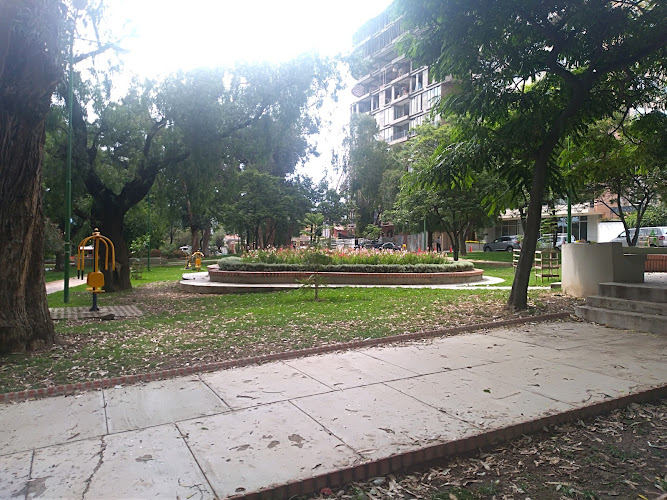
Fidel Anze Park

Arocagua Park

Familia Park
Find Accommodations Nearby
Recommended Tours & Activities
Visitor Reviews
There are no reviews yet. Be the first one to write one.
Share Your Experience
Have you visited Casa Museo Villa Albina? Help other travelers by leaving a review.