
Casa De Segunda
About Casa De Segunda
Description
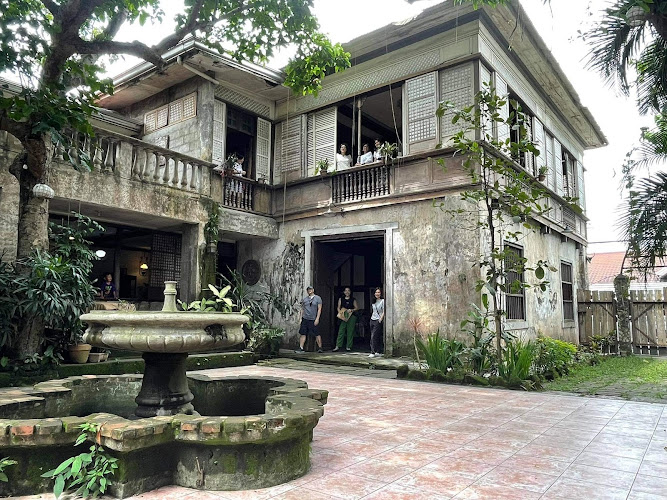
Casa De Segunda is the kind of place that doesn’t shout for attention. It just waits for you to slow down enough to notice it. Built in the 1860s, this historic house museum carries the weight of Philippine history without feeling stiff or untouchable. It’s closely tied to José Rizal, the national hero, and more specifically to his family life, which is a side of history that often gets glossed over in textbooks. Walking through the house feels less like touring a museum and more like being invited into someone’s ancestral home. And honestly, that’s part of the charm.
The architecture leans heavily Spanish-era, with thick walls, capiz shell windows, and wooden staircases that creak just enough to remind you they’ve been around longer than your great-grandparents. What makes Casa De Segunda stand out, though, is that the tours are often hosted by family members or caretakers who clearly feel personal ownership of the stories they tell. You can sense it in how they talk about the rooms, the furniture, and the daily routines of the people who once lived there. They don’t rush you. They don’t recite scripts like robots. They talk like real humans, which, frankly, is refreshing.
I remember visiting a few years back and expecting a quick walkthrough. You know, 20 minutes, snap some photos, move on. Instead, I stayed for almost an hour because the guide started sharing small, almost gossip-like details about the household. Things like who liked to sit by which window in the afternoon, or how certain rooms were used differently depending on the season. Those details stick with you way more than dates and names.
This is not a flashy attraction. Some travelers come in expecting grand displays or interactive tech and leave a bit underwhelmed. But if you’re the type who enjoys atmosphere, quiet reflection, and history told through lived-in spaces, Casa De Segunda delivers. It’s especially meaningful if you already have some interest in José Rizal and want to understand the environment that shaped him beyond the usual heroic narrative.
Another thing worth noting: it’s surprisingly family-friendly. Kids might not grasp the deeper historical significance, sure, but the house itself sparks curiosity. Wide-eyed looks at old furniture, questions about how people lived without modern gadgets, and that classic “how old is this really?” moment. It opens the door to conversations, and that’s a win in my book.
Key Features
- Authentic 1860s Spanish-era architecture with original structural elements
- Strong historical connection to José Rizal and his family life
- Guided tours often led by family members or long-time caretakers
- Preserved furniture, household items, and personal artifacts
- Quiet, intimate atmosphere unlike large commercial museums
- Educational yet approachable for children and first-time history buffs
- Opportunities to ask questions and hear unscripted stories
Best Time to Visit
The best time to visit Casa De Segunda is during the cooler months, roughly from November to February. The house was designed for ventilation, yes, but let’s be real, Philippine heat can still be unforgiving. Cooler weather makes it easier to linger in each room without feeling rushed or distracted by sweat. And lingering is kind of the whole point here.
Mornings tend to be quieter, especially on weekdays. If you want a more personal tour, aim to arrive early. I once showed up just after opening time and ended up being the only visitor for a while. That turned into a one-on-one conversation rather than a formal tour, and I learned way more than I expected. The guide even adjusted the storytelling based on my questions, which you rarely get in busier attractions.
Weekends can be busier, particularly around national holidays connected to José Rizal or Philippine history in general. That’s not necessarily a bad thing, but the experience becomes a bit more structured and less conversational. If you enjoy hearing different perspectives from other visitors, weekends might actually add to the atmosphere. But if you’re craving quiet, stick to weekdays.
Rainy season visits have their own mood. The sound of rain hitting the old roof and windows adds a layer of drama that feels almost cinematic. Just bring patience and maybe an umbrella that actually works. I learned that lesson the hard way.
How to Get There
Getting to Casa De Segunda requires a bit of intention, which I think filters out the casual passersby. Most travelers reach the area via private vehicle, taxi, or ride-hailing services. Public transportation can get you close, but expect a short walk afterward. That walk, by the way, helps set the tone. You’re transitioning from modern life into a slower, older world.
If you’re coming from a major city center, plan your route ahead of time and allow extra travel time. Traffic has a mind of its own, and it’s not something you want to be stressing about before stepping into a historic space meant for reflection. Some visitors pair Casa De Segunda with other nearby historical landmarks, making it part of a half-day cultural itinerary. That’s smart planning, especially if you’re traveling with limited time.
Parking is limited, so arriving early helps. And if mobility is a concern, it’s important to know that accessibility features are minimal. The structure is old, and while that’s part of its authenticity, it does mean navigating stairs and uneven surfaces. Not ideal for everyone, but worth considering before you go.
Tips for Visiting
First tip: go in with the right expectations. Casa De Segunda is about stories, not spectacle. If you approach it like a conversation rather than a checklist, you’ll enjoy it more. Ask questions. Seriously. The guides light up when you show genuine curiosity. I once asked a random question about daily meals, and it turned into a whole discussion about food habits in the 19th century. Unexpected and fascinating.
Second, take your time. Don’t rush through the rooms just to say you’ve seen them. Sit for a moment if allowed. Look out the windows. Imagine life without phones, without constant noise. It’s oddly calming. And yeah, maybe a little unsettling too.
Third, bring kids if you have them, but prep them a bit beforehand. Let them know this isn’t an amusement park. Framing it as a real house where real people lived long ago helps set their mindset. Most kids respond better when they feel like explorers rather than students.
Photography policies can vary, so always ask before snapping photos. And even when photos are allowed, I’d argue that some moments are better left undocumented. Not everything needs to live on your feed. Some experiences are meant to stay with you quietly.
Lastly, respect the space. This isn’t just a tourist attraction; it’s a preserved piece of someone’s family history. Speak softly, follow guidelines, and treat the house like you would your own grandparents’ home. With care.
Casa De Segunda may not top every travel influencer’s list, but that’s part of why it matters. It offers a grounded, human look at history, anchored in walls that have seen generations come and go. For travelers seeking depth over dazzle, it’s a stop worth making. And if you leave feeling a little more connected to the past, well, that’s kind of the point.
Key Features
- Authentic 1860s Spanish-era architecture with original structural elements
- Strong historical connection to José Rizal and his family life
- Guided tours often led by family members or long-time caretakers
- Preserved furniture, household items, and personal artifacts
- Quiet, intimate atmosphere unlike large commercial museums
- Educational yet approachable for children and first-time history buffs
- Opportunities to ask questions and hear unscripted stories
More Details
Updated December 31, 2025
Table of Contents
Description
Casa De Segunda is the kind of place that doesn’t shout for attention. It just waits for you to slow down enough to notice it. Built in the 1860s, this historic house museum carries the weight of Philippine history without feeling stiff or untouchable. It’s closely tied to José Rizal, the national hero, and more specifically to his family life, which is a side of history that often gets glossed over in textbooks. Walking through the house feels less like touring a museum and more like being invited into someone’s ancestral home. And honestly, that’s part of the charm.
The architecture leans heavily Spanish-era, with thick walls, capiz shell windows, and wooden staircases that creak just enough to remind you they’ve been around longer than your great-grandparents. What makes Casa De Segunda stand out, though, is that the tours are often hosted by family members or caretakers who clearly feel personal ownership of the stories they tell. You can sense it in how they talk about the rooms, the furniture, and the daily routines of the people who once lived there. They don’t rush you. They don’t recite scripts like robots. They talk like real humans, which, frankly, is refreshing.
I remember visiting a few years back and expecting a quick walkthrough. You know, 20 minutes, snap some photos, move on. Instead, I stayed for almost an hour because the guide started sharing small, almost gossip-like details about the household. Things like who liked to sit by which window in the afternoon, or how certain rooms were used differently depending on the season. Those details stick with you way more than dates and names.
This is not a flashy attraction. Some travelers come in expecting grand displays or interactive tech and leave a bit underwhelmed. But if you’re the type who enjoys atmosphere, quiet reflection, and history told through lived-in spaces, Casa De Segunda delivers. It’s especially meaningful if you already have some interest in José Rizal and want to understand the environment that shaped him beyond the usual heroic narrative.
Another thing worth noting: it’s surprisingly family-friendly. Kids might not grasp the deeper historical significance, sure, but the house itself sparks curiosity. Wide-eyed looks at old furniture, questions about how people lived without modern gadgets, and that classic “how old is this really?” moment. It opens the door to conversations, and that’s a win in my book.
Key Features
- Authentic 1860s Spanish-era architecture with original structural elements
- Strong historical connection to José Rizal and his family life
- Guided tours often led by family members or long-time caretakers
- Preserved furniture, household items, and personal artifacts
- Quiet, intimate atmosphere unlike large commercial museums
- Educational yet approachable for children and first-time history buffs
- Opportunities to ask questions and hear unscripted stories
Best Time to Visit
The best time to visit Casa De Segunda is during the cooler months, roughly from November to February. The house was designed for ventilation, yes, but let’s be real, Philippine heat can still be unforgiving. Cooler weather makes it easier to linger in each room without feeling rushed or distracted by sweat. And lingering is kind of the whole point here.
Mornings tend to be quieter, especially on weekdays. If you want a more personal tour, aim to arrive early. I once showed up just after opening time and ended up being the only visitor for a while. That turned into a one-on-one conversation rather than a formal tour, and I learned way more than I expected. The guide even adjusted the storytelling based on my questions, which you rarely get in busier attractions.
Weekends can be busier, particularly around national holidays connected to José Rizal or Philippine history in general. That’s not necessarily a bad thing, but the experience becomes a bit more structured and less conversational. If you enjoy hearing different perspectives from other visitors, weekends might actually add to the atmosphere. But if you’re craving quiet, stick to weekdays.
Rainy season visits have their own mood. The sound of rain hitting the old roof and windows adds a layer of drama that feels almost cinematic. Just bring patience and maybe an umbrella that actually works. I learned that lesson the hard way.
How to Get There
Getting to Casa De Segunda requires a bit of intention, which I think filters out the casual passersby. Most travelers reach the area via private vehicle, taxi, or ride-hailing services. Public transportation can get you close, but expect a short walk afterward. That walk, by the way, helps set the tone. You’re transitioning from modern life into a slower, older world.
If you’re coming from a major city center, plan your route ahead of time and allow extra travel time. Traffic has a mind of its own, and it’s not something you want to be stressing about before stepping into a historic space meant for reflection. Some visitors pair Casa De Segunda with other nearby historical landmarks, making it part of a half-day cultural itinerary. That’s smart planning, especially if you’re traveling with limited time.
Parking is limited, so arriving early helps. And if mobility is a concern, it’s important to know that accessibility features are minimal. The structure is old, and while that’s part of its authenticity, it does mean navigating stairs and uneven surfaces. Not ideal for everyone, but worth considering before you go.
Tips for Visiting
First tip: go in with the right expectations. Casa De Segunda is about stories, not spectacle. If you approach it like a conversation rather than a checklist, you’ll enjoy it more. Ask questions. Seriously. The guides light up when you show genuine curiosity. I once asked a random question about daily meals, and it turned into a whole discussion about food habits in the 19th century. Unexpected and fascinating.
Second, take your time. Don’t rush through the rooms just to say you’ve seen them. Sit for a moment if allowed. Look out the windows. Imagine life without phones, without constant noise. It’s oddly calming. And yeah, maybe a little unsettling too.
Third, bring kids if you have them, but prep them a bit beforehand. Let them know this isn’t an amusement park. Framing it as a real house where real people lived long ago helps set their mindset. Most kids respond better when they feel like explorers rather than students.
Photography policies can vary, so always ask before snapping photos. And even when photos are allowed, I’d argue that some moments are better left undocumented. Not everything needs to live on your feed. Some experiences are meant to stay with you quietly.
Lastly, respect the space. This isn’t just a tourist attraction; it’s a preserved piece of someone’s family history. Speak softly, follow guidelines, and treat the house like you would your own grandparents’ home. With care.
Casa De Segunda may not top every travel influencer’s list, but that’s part of why it matters. It offers a grounded, human look at history, anchored in walls that have seen generations come and go. For travelers seeking depth over dazzle, it’s a stop worth making. And if you leave feeling a little more connected to the past, well, that’s kind of the point.
Key Highlights
- Authentic 1860s Spanish-era architecture with original structural elements
- Strong historical connection to José Rizal and his family life
- Guided tours often led by family members or long-time caretakers
- Preserved furniture, household items, and personal artifacts
- Quiet, intimate atmosphere unlike large commercial museums
- Educational yet approachable for children and first-time history buffs
- Opportunities to ask questions and hear unscripted stories
Location
Places to Stay Near Casa De Segunda
Find and Book a Tour
Explore More Travel Guides
No reviews found! Be the first to review!
Traveler Reviews for Casa De Segunda
There are no reviews yet. Be the first one to write one.
Have you visited Casa De Segunda? Help other travelers by sharing your review.
You Might Also Like
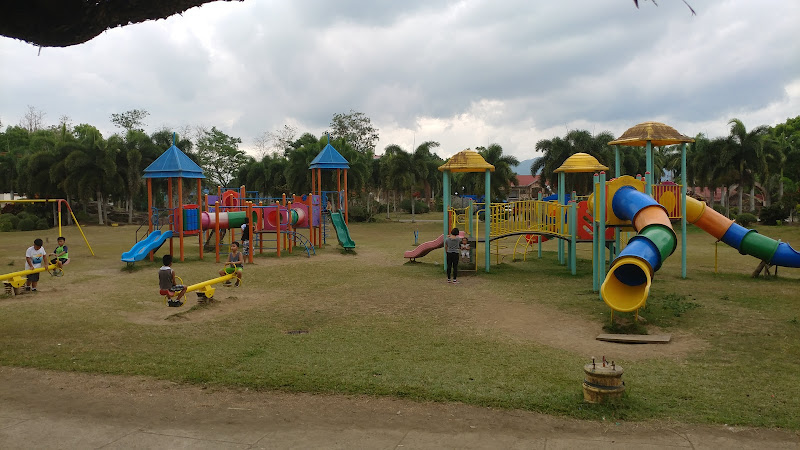
Lipa City Community Park
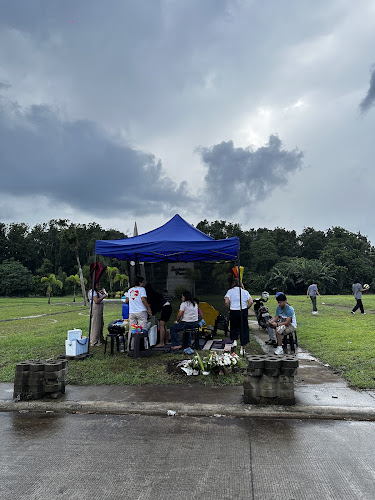
Santuario De La Paz Memorial Park
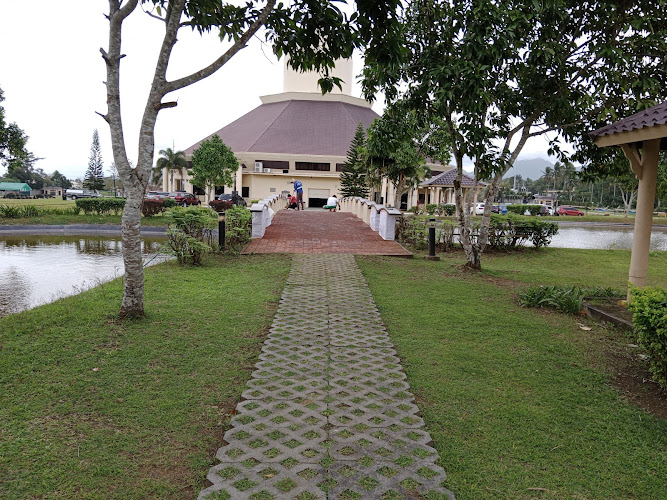
La Travesia Park
Find Accommodations Nearby
Recommended Tours & Activities
Visitor Reviews
There are no reviews yet. Be the first one to write one.
Share Your Experience
Have you visited Casa De Segunda? Help other travelers by leaving a review.