Guided Sightseeing Tours & Activities in Villavicencio
- Browse sightseeing excursions and activities in Villavicencio
- Check live availability, rates & traveler reviews on Viator
- Secure online booking with flexible options
Carrera 32 No. 39-62 Centro, Villavicencio, Meta, Colombia

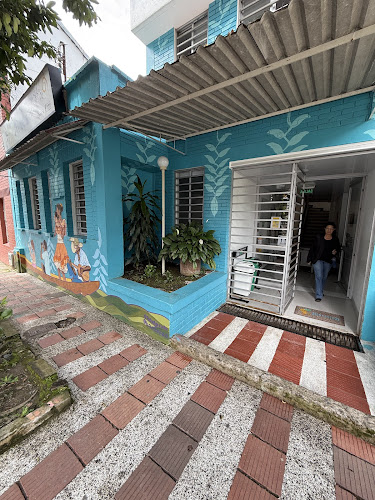
Housed in the historic heart of Villavicencio, Casa De La Cultura Del Meta is the region’s living room for arts, memory and community life. Since its founding in the 1970s as a municipal cultural center, the venue has nurtured llanero traditions while opening its doors to contemporary visual arts, theater and music. Visitors encounter rotating exhibitions, small-scale performances and workshops that spotlight Meta’s folklore, indigenous and afro-Colombian influences. What makes it special is the intimate, participatory atmosphere: programs are community-rooted and often led by local artists and cultural organizations, so you get a genuine sense of place rather than a packaged tourist show. Strolling through its halls or catching an evening concert provides an engaging way to connect with the people and stories behind Llanos culture. Whether you’re a cultural traveler, photographer, or family looking for an educational outing, Casa De La Cultura offers accessible, authentic experiences that complement the natural attractions of the Meta department.
Casa De La Cultura Del Meta stands as a cornerstone of artistic expression and cultural preservation in Colombia’s Meta department. This cultural association serves as more than just a building – it’s where the region’s heritage comes alive through various programs, exhibitions, and community gatherings that celebrate local traditions and contemporary creativity.
The center occupies a space that welcomes both residents and travelers interested in understanding the soul of the Meta region. Unlike the typical museum experience where you’re just observing from a distance, this place actively invites participation. You’ll find workshops, art displays, musical performances, and educational programs that showcase everything from indigenous traditions to modern artistic movements shaping the area today.
What really makes this cultural hub special is its commitment to accessibility and community engagement. The building features wheelchair accessible entrances, ensuring that cultural experiences remain available to everyone regardless of mobility challenges. And honestly, that’s something I wish more cultural institutions would prioritize from the get-go rather than retrofitting later.
The atmosphere here feels genuine and unpretentious. You won’t encounter stuffy halls or intimidating docents making you feel like you need an art history degree to appreciate what’s on display. Instead, the space encourages exploration and learning at your own pace. The staff members typically consist of passionate locals who genuinely care about sharing their cultural heritage with visitors from around the world.
Visitors consistently praise the institution for its role in preserving regional identity while simultaneously fostering new creative expressions. The programming often highlights llanos culture – that distinctive cowboy heritage of Colombia’s eastern plains – alongside contemporary art forms that young Colombian artists are developing. It’s this balance between honoring the past and embracing the future that gives Casa De La Cultura Del Meta its unique character.
The Casa De La Cultura Del Meta offers several distinctive features that make it worth adding to your travel itinerary:
• Regular rotating exhibitions featuring works by regional artists and artisans who draw inspiration from llanos landscapes and traditions
• Educational workshops where travelers can learn traditional crafts, musical instruments like the cuatro and harp, or folk dancing techniques specific to the Meta region
• Performance spaces that host joropo music events – the traditional music of the plains that combines European, African, and indigenous influences in ways you won’t hear anywhere else
• Library and research facilities containing documentation about Meta’s history, indigenous communities, and cultural evolution over the decades
• Community gathering spaces where locals and visitors can interact informally, creating opportunities for cultural exchange that goes beyond typical tourist experiences
• Wheelchair accessible facilities throughout the building, making cultural participation genuinely inclusive
• Programs specifically designed to preserve endangered cultural practices and indigenous knowledge systems
• Collaborations with local schools and community organizations that keep the center connected to everyday life rather than existing as an isolated tourist attraction
• Exhibition spaces that showcase traditional tools, clothing, and artifacts from the region’s ranching heritage
• Opportunities to meet working artists and cultural practitioners who maintain living traditions rather than just displaying historical artifacts
Timing your visit to Casa De La Cultura Del Meta can significantly enhance your experience, though the center maintains regular programming throughout the year.
The dry season from December through March generally offers the most comfortable weather conditions for exploring Villavicencio and its cultural institutions. Temperatures stay warm but manageable, and you won’t be dealing with the intense rainfall that characterizes other months. But here’s the thing – the rainy season has its own advantages if you don’t mind occasional downpours.
Festival periods bring extra energy to the cultural center. The Torneo Internacional del Joropo typically happens in June or July, transforming the entire region into a celebration of llanos music and dance. During this time, Casa De La Cultura Del Meta becomes a hub of activity with special performances, competitions, and workshops. The atmosphere becomes electric, and you’ll experience the culture in its most dynamic form.
I’d also suggest considering weekday visits if your schedule allows flexibility. Weekend crowds can sometimes make it harder to fully appreciate exhibitions or participate in certain activities. Tuesday through Thursday often provides the sweet spot where you’ll find active programming without overwhelming numbers of visitors.
The center occasionally hosts special temporary exhibitions that only run for specific periods. Checking their schedule before finalizing your travel dates might reveal unique opportunities – perhaps a visiting artist’s showcase or a special historical retrospective that won’t be available later.
Morning visits between 9 AM and 11 AM tend to offer the most peaceful experience for those who prefer contemplative cultural exploration. Afternoons sometimes bring school groups or workshop participants, which can be either delightful or distracting depending on what you’re hoping to get from your visit.
Reaching Casa De La Cultura Del Meta requires first getting yourself to Villavicencio, the capital city of Meta department. Most international travelers fly into Bogotá’s El Dorado International Airport, then make the journey southeastward into the llanos region.
From Bogotá, you’ve got a couple options. The most straightforward approach involves taking a bus from Terminal de Transporte in Bogotá. Multiple companies run this route throughout the day, and the journey takes roughly three to four hours depending on traffic and weather conditions. The road winds through the Eastern Cordillera mountains before descending into the plains, offering spectacular scenery that makes the bus ride an experience itself rather than just transportation.
Some travelers prefer hiring a private car or taxi for the Bogotá-Villavicencio route, which costs more but provides flexibility and comfort. This option makes sense if you’re traveling with a group or have mobility considerations.
Once you’ve arrived in Villavicencio, getting to Casa De La Cultura Del Meta becomes much simpler. The center sits within the city’s cultural district, accessible by local taxi services or rideshare apps that operate in the area. Most taxi drivers know the location well since it’s an established landmark.
Walking from central hotels is feasible if you’re staying in downtown Villavicencio and enjoy exploring cities on foot. The city’s layout makes navigation relatively straightforward, though Colombian cities can feel confusing at first if you’re not accustomed to their street naming conventions.
For those with rental cars, parking availability varies depending on the day and time. The accessible entrance features convenient drop-off zones, which is particularly helpful if you’re traveling with anyone who has mobility challenges.
Making the most of your Casa De La Cultura Del Meta experience requires some practical preparation and cultural awareness.
Bring cash in Colombian pesos for any workshops or special events that might require registration fees. While Colombia’s urban centers increasingly accept cards, cultural institutions sometimes still operate primarily with cash transactions. And honestly, having small bills makes everything smoother when you’re participating in community activities.
Don’t rush your visit. I’ve noticed many travelers treat cultural centers as checkbox destinations – pop in, look around for thirty minutes, then move on to the next thing. Casa De La Cultura Del Meta rewards those who linger. Spend time actually engaging with exhibitions, strike up conversations with staff members, attend a workshop even if you think you’re not artistic. These unplanned moments often become the most memorable parts of cultural travel.
Learn a few basic Spanish phrases before arriving. While you might encounter some English speakers, this isn’t a major international tourist hub where everyone switches languages for visitors. Making the effort to communicate in Spanish demonstrates respect and typically opens doors to richer interactions. Even fumbling through broken Spanish usually generates warm responses from locals who appreciate the attempt.
Photography policies can vary depending on current exhibitions, so ask before snapping pictures. Some displays welcome photography while others restrict it to protect artists’ rights or preserve sensitive cultural materials.
Dress comfortably but respectfully. This isn’t a beach resort or hiking trail – it’s a cultural institution where locals come to engage with their heritage. You don’t need formal attire, but extremely casual beachwear or revealing clothing might feel out of place. Comfortable walking shoes make sense since you’ll likely be on your feet exploring different sections of the center.
Check if any special events or workshops coincide with your visit. The programming schedule changes regularly, and participating in an active class or performance adds depth to the experience that static exhibitions alone can’t provide. Sometimes you can register for workshops on short notice, other times they fill up quickly.
Consider visiting during multiple days if your itinerary permits. A single visit provides a good overview, but returning allows you to dive deeper into specific aspects that caught your interest initially. Maybe you’ll catch a different exhibition, or perhaps you’ll have time to really engage with that joropo music workshop you only observed briefly on your first visit.
Engage with other visitors and community members you encounter. Cultural centers function as meeting points where diverse people converge around shared interests. Some of my most valuable travel insights have come from casual conversations with strangers at places exactly like this – locals who shared restaurant recommendations, travelers who suggested unexpected day trips, artists who explained nuances I would’ve completely missed otherwise.
Finally, manage your expectations appropriately. Casa De La Cultura Del Meta won’t rival the scale or resources of major metropolitan museums. What it lacks in size, it compensates through authenticity and community connection. You’re experiencing regional culture in a setting where that culture remains living and evolving rather than just preserved behind glass.

Last modified March 30, 2026
Casa De La Cultura Del Meta stands as a cornerstone of artistic expression and cultural preservation in Colombia’s Meta department. This cultural association serves as more than just a building – it’s where the region’s heritage comes alive through various programs, exhibitions, and community gatherings that celebrate local traditions and contemporary creativity.
The center occupies a space that welcomes both residents and travelers interested in understanding the soul of the Meta region. Unlike the typical museum experience where you’re just observing from a distance, this place actively invites participation. You’ll find workshops, art displays, musical performances, and educational programs that showcase everything from indigenous traditions to modern artistic movements shaping the area today.
What really makes this cultural hub special is its commitment to accessibility and community engagement. The building features wheelchair accessible entrances, ensuring that cultural experiences remain available to everyone regardless of mobility challenges. And honestly, that’s something I wish more cultural institutions would prioritize from the get-go rather than retrofitting later.
The atmosphere here feels genuine and unpretentious. You won’t encounter stuffy halls or intimidating docents making you feel like you need an art history degree to appreciate what’s on display. Instead, the space encourages exploration and learning at your own pace. The staff members typically consist of passionate locals who genuinely care about sharing their cultural heritage with visitors from around the world.
Visitors consistently praise the institution for its role in preserving regional identity while simultaneously fostering new creative expressions. The programming often highlights llanos culture – that distinctive cowboy heritage of Colombia’s eastern plains – alongside contemporary art forms that young Colombian artists are developing. It’s this balance between honoring the past and embracing the future that gives Casa De La Cultura Del Meta its unique character.
The Casa De La Cultura Del Meta offers several distinctive features that make it worth adding to your travel itinerary:
• Regular rotating exhibitions featuring works by regional artists and artisans who draw inspiration from llanos landscapes and traditions
• Educational workshops where travelers can learn traditional crafts, musical instruments like the cuatro and harp, or folk dancing techniques specific to the Meta region
• Performance spaces that host joropo music events – the traditional music of the plains that combines European, African, and indigenous influences in ways you won’t hear anywhere else
• Library and research facilities containing documentation about Meta’s history, indigenous communities, and cultural evolution over the decades
• Community gathering spaces where locals and visitors can interact informally, creating opportunities for cultural exchange that goes beyond typical tourist experiences
• Wheelchair accessible facilities throughout the building, making cultural participation genuinely inclusive
• Programs specifically designed to preserve endangered cultural practices and indigenous knowledge systems
• Collaborations with local schools and community organizations that keep the center connected to everyday life rather than existing as an isolated tourist attraction
• Exhibition spaces that showcase traditional tools, clothing, and artifacts from the region’s ranching heritage
• Opportunities to meet working artists and cultural practitioners who maintain living traditions rather than just displaying historical artifacts
Timing your visit to Casa De La Cultura Del Meta can significantly enhance your experience, though the center maintains regular programming throughout the year.
The dry season from December through March generally offers the most comfortable weather conditions for exploring Villavicencio and its cultural institutions. Temperatures stay warm but manageable, and you won’t be dealing with the intense rainfall that characterizes other months. But here’s the thing – the rainy season has its own advantages if you don’t mind occasional downpours.
Festival periods bring extra energy to the cultural center. The Torneo Internacional del Joropo typically happens in June or July, transforming the entire region into a celebration of llanos music and dance. During this time, Casa De La Cultura Del Meta becomes a hub of activity with special performances, competitions, and workshops. The atmosphere becomes electric, and you’ll experience the culture in its most dynamic form.
I’d also suggest considering weekday visits if your schedule allows flexibility. Weekend crowds can sometimes make it harder to fully appreciate exhibitions or participate in certain activities. Tuesday through Thursday often provides the sweet spot where you’ll find active programming without overwhelming numbers of visitors.
The center occasionally hosts special temporary exhibitions that only run for specific periods. Checking their schedule before finalizing your travel dates might reveal unique opportunities – perhaps a visiting artist’s showcase or a special historical retrospective that won’t be available later.
Morning visits between 9 AM and 11 AM tend to offer the most peaceful experience for those who prefer contemplative cultural exploration. Afternoons sometimes bring school groups or workshop participants, which can be either delightful or distracting depending on what you’re hoping to get from your visit.
Reaching Casa De La Cultura Del Meta requires first getting yourself to Villavicencio, the capital city of Meta department. Most international travelers fly into Bogotá’s El Dorado International Airport, then make the journey southeastward into the llanos region.
From Bogotá, you’ve got a couple options. The most straightforward approach involves taking a bus from Terminal de Transporte in Bogotá. Multiple companies run this route throughout the day, and the journey takes roughly three to four hours depending on traffic and weather conditions. The road winds through the Eastern Cordillera mountains before descending into the plains, offering spectacular scenery that makes the bus ride an experience itself rather than just transportation.
Some travelers prefer hiring a private car or taxi for the Bogotá-Villavicencio route, which costs more but provides flexibility and comfort. This option makes sense if you’re traveling with a group or have mobility considerations.
Once you’ve arrived in Villavicencio, getting to Casa De La Cultura Del Meta becomes much simpler. The center sits within the city’s cultural district, accessible by local taxi services or rideshare apps that operate in the area. Most taxi drivers know the location well since it’s an established landmark.
Walking from central hotels is feasible if you’re staying in downtown Villavicencio and enjoy exploring cities on foot. The city’s layout makes navigation relatively straightforward, though Colombian cities can feel confusing at first if you’re not accustomed to their street naming conventions.
For those with rental cars, parking availability varies depending on the day and time. The accessible entrance features convenient drop-off zones, which is particularly helpful if you’re traveling with anyone who has mobility challenges.
Making the most of your Casa De La Cultura Del Meta experience requires some practical preparation and cultural awareness.
Bring cash in Colombian pesos for any workshops or special events that might require registration fees. While Colombia’s urban centers increasingly accept cards, cultural institutions sometimes still operate primarily with cash transactions. And honestly, having small bills makes everything smoother when you’re participating in community activities.
Don’t rush your visit. I’ve noticed many travelers treat cultural centers as checkbox destinations – pop in, look around for thirty minutes, then move on to the next thing. Casa De La Cultura Del Meta rewards those who linger. Spend time actually engaging with exhibitions, strike up conversations with staff members, attend a workshop even if you think you’re not artistic. These unplanned moments often become the most memorable parts of cultural travel.
Learn a few basic Spanish phrases before arriving. While you might encounter some English speakers, this isn’t a major international tourist hub where everyone switches languages for visitors. Making the effort to communicate in Spanish demonstrates respect and typically opens doors to richer interactions. Even fumbling through broken Spanish usually generates warm responses from locals who appreciate the attempt.
Photography policies can vary depending on current exhibitions, so ask before snapping pictures. Some displays welcome photography while others restrict it to protect artists’ rights or preserve sensitive cultural materials.
Dress comfortably but respectfully. This isn’t a beach resort or hiking trail – it’s a cultural institution where locals come to engage with their heritage. You don’t need formal attire, but extremely casual beachwear or revealing clothing might feel out of place. Comfortable walking shoes make sense since you’ll likely be on your feet exploring different sections of the center.
Check if any special events or workshops coincide with your visit. The programming schedule changes regularly, and participating in an active class or performance adds depth to the experience that static exhibitions alone can’t provide. Sometimes you can register for workshops on short notice, other times they fill up quickly.
Consider visiting during multiple days if your itinerary permits. A single visit provides a good overview, but returning allows you to dive deeper into specific aspects that caught your interest initially. Maybe you’ll catch a different exhibition, or perhaps you’ll have time to really engage with that joropo music workshop you only observed briefly on your first visit.
Engage with other visitors and community members you encounter. Cultural centers function as meeting points where diverse people converge around shared interests. Some of my most valuable travel insights have come from casual conversations with strangers at places exactly like this – locals who shared restaurant recommendations, travelers who suggested unexpected day trips, artists who explained nuances I would’ve completely missed otherwise.
Finally, manage your expectations appropriately. Casa De La Cultura Del Meta won’t rival the scale or resources of major metropolitan museums. What it lacks in size, it compensates through authenticity and community connection. You’re experiencing regional culture in a setting where that culture remains living and evolving rather than just preserved behind glass.
No reviews found! Be the first to review!
Casa De La Cultura Del Meta is a prominent Asociación sociocultural located in Villavicencio.
Visit us at: Carrera 32 No. 39-62 Centro, Villavicencio, Meta, Colombia.
Explore verified points of interest within walking or short transit distance.
No neighboring places mapped within 5 km yet.
Stay22 provides this accommodation search. We may earn a commission if you book through it; verify current prices and terms with the provider.
GetYourGuide provides this tour inventory. We may earn a commission if you book through it; verify current availability, prices, and terms with the provider.
We may earn a commission if you book through links on this page at no extra cost to you. All tours feature verified customer reviews and flexible cancellation options.
No traveler reviews yet. Share your experience below!
No traveler questions yet. Be the first to ask a local!