Casa de Ferro
About Casa de Ferro
Description
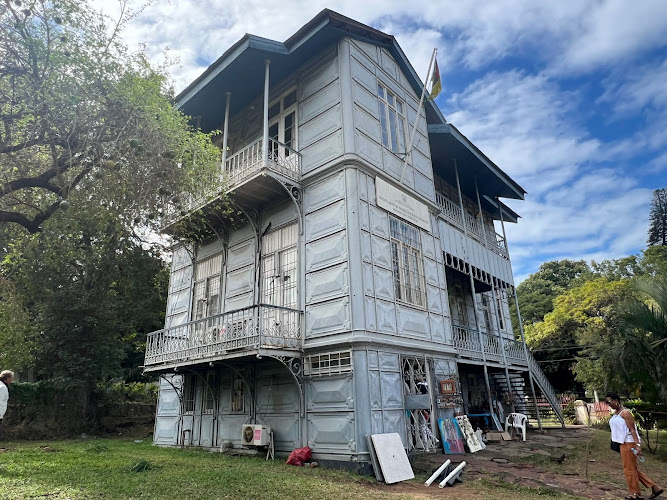
Casa de Ferro, or the Iron House, stands as one of Maputo’s most curious and conversation-starting landmarks. Built entirely of prefabricated iron panels imported from Belgium in 1892, it was originally meant to serve as the residence for the Portuguese governor-general. But here’s the twist—someone clearly didn’t think through the tropical climate of Mozambique before shipping over a metal house. Imagine stepping inside a giant oven during the hot season. Needless to say, the governor never moved in.
Over the years, Casa de Ferro has become a symbol of colonial ambition meeting the reality of African weather. It’s quirky, a little impractical, but utterly fascinating. The building was designed by none other than Gustave Eiffel—the same genius behind the Eiffel Tower in Paris. And when you stand in front of it, you can almost see the resemblance in its industrial grace and riveted panels. It’s a structure that feels both out of place and perfectly at home in Maputo’s eclectic cityscape.
I remember the first time I saw it—I was wandering through the city, sweating under the midday sun, and there it was gleaming like a misplaced relic from another world. The iron walls shimmered in the heat, and I couldn’t help but think, “Who in their right mind thought this was a good idea here?” But that’s exactly what makes Casa de Ferro so intriguing. It’s not just a building; it’s a story about vision, miscalculation, and resilience. Locals see it as a piece of history that refuses to fade away, and travelers often leave with more photos than they planned because, honestly, it photographs beautifully.
While some visitors find it modest compared to Maputo’s larger attractions, others are captivated by its uniqueness. You won’t spend hours here, but what you’ll get is a glimpse into a fascinating chapter of Mozambique’s past—and a great conversation starter for later that evening over a cold Laurentina beer.
Key Features
- Completely made of prefabricated iron panels imported from Belgium in 1892
- Designed by Gustave Eiffel, the famed engineer behind the Eiffel Tower
- Originally intended to be the governor-general’s residence but never inhabited due to extreme heat
- Showcases 19th-century European colonial architecture adapted (somewhat unsuccessfully) to African conditions
- Currently serves as a museum and cultural landmark preserving Mozambique’s colonial-era architectural heritage
- Located in the heart of Maputo, easily accessible from major city attractions
- Popular photo spot for architecture enthusiasts and history buffs
Best Time to Visit
If you’re planning to visit Casa de Ferro, timing matters more than you might think. Maputo’s weather can be a bit intense—especially if you’re not used to tropical heat. The best time to go is during the cooler months, from May to September. The air feels lighter, and you can actually enjoy exploring without melting into a puddle. During this time, the light also hits the iron panels just right, giving them a soft, golden glow that makes for stunning photos.
Avoid midday visits if you can, especially in the summer months. The building’s metallic surface absorbs heat like crazy, and you’ll find yourself longing for shade within minutes. Early mornings or late afternoons are ideal—plus, the surrounding area feels calmer then. I once went around 8 a.m., and it was perfect. The city was just waking up, the streets were quiet, and the Iron House looked almost serene against the pastel sky.
How to Get There
Getting to Casa de Ferro is pretty straightforward if you’re staying in central Maputo. Most hotels and guesthouses are within a short drive or even walking distance. You can hop in a local taxi or take a ride-hailing app—just make sure to agree on the fare beforehand if you’re using a regular cab. The roads leading there are paved and easy to navigate, though traffic can get a bit chaotic during rush hours.
For those who enjoy a bit of adventure, walking is a great option. The route takes you through some of Maputo’s most interesting streets, filled with colonial-era buildings, street vendors, and the occasional burst of live music. It’s a sensory experience that gives you a real feel for the city. If you’re coming from the Maputo Railway Station or the central market, it’s a short and pleasant stroll.
Public minibuses—called chapas—are also an option if you’re feeling brave. They’re cheap, lively, and a great way to mingle with locals, though they can be crowded and unpredictable. Either way, getting there is part of the fun.
Tips for Visiting
Here’s a little advice from someone who’s been there, done that, and almost melted in the process. First off, bring water. It sounds obvious, but trust me, you’ll thank yourself later. The iron walls radiate heat, and even a quick visit can leave you parched. Wear light clothing, a hat, and sunscreen—especially if you’re visiting during the warmer months.
Photography lovers, you’re in for a treat. The contrast between the metallic structure and the lush greenery around it makes for some seriously good shots. Try capturing it from different angles—the reflections and shadows change throughout the day. And if you’re lucky, you might catch a local guide who can share stories about the building’s history and quirks. They often know details that you won’t find in any guidebook.
If you’re traveling with kids, they’ll probably find it fascinating too. There’s something about a shiny iron house that sparks curiosity, and the open area around it gives them space to explore safely. Just keep an eye on them, as the surfaces can get hot under the sun.
Lastly, don’t rush your visit. Even though the site itself is small, take a few moments to just stand there and think about what it represents—a piece of European engineering shipped halfway across the world, still standing proud more than a century later. It’s a reminder that history isn’t always about grand palaces or massive monuments. Sometimes, it’s about the odd, slightly flawed creations that tell a bigger story about human ambition and adaptation.
So, if you find yourself wandering through Maputo and craving a dose of history wrapped in a touch of irony (pun intended), Casa de Ferro is absolutely worth a stop. It’s one of those places that stays with you—not because it’s perfect, but because it’s perfectly imperfect. And honestly, that’s what makes travel so magical.
Key Features
- Completely made of prefabricated iron panels imported from Belgium in 1892
- Designed by Gustave Eiffel, the famed engineer behind the Eiffel Tower
- Originally intended to be the governor-general’s residence but never inhabited due to extreme heat
- Showcases 19th-century European colonial architecture adapted (somewhat unsuccessfully) to African conditions
- Currently serves as a museum and cultural landmark preserving Mozambique’s colonial-era architectural heritage
- Located in the heart of Maputo, easily accessible from major city attractions
- Popular photo spot for architecture enthusiasts and history buffs
More Details
Updated October 11, 2025
Table of Contents
Description
Casa de Ferro, or the Iron House, stands as one of Maputo’s most curious and conversation-starting landmarks. Built entirely of prefabricated iron panels imported from Belgium in 1892, it was originally meant to serve as the residence for the Portuguese governor-general. But here’s the twist—someone clearly didn’t think through the tropical climate of Mozambique before shipping over a metal house. Imagine stepping inside a giant oven during the hot season. Needless to say, the governor never moved in.
Over the years, Casa de Ferro has become a symbol of colonial ambition meeting the reality of African weather. It’s quirky, a little impractical, but utterly fascinating. The building was designed by none other than Gustave Eiffel—the same genius behind the Eiffel Tower in Paris. And when you stand in front of it, you can almost see the resemblance in its industrial grace and riveted panels. It’s a structure that feels both out of place and perfectly at home in Maputo’s eclectic cityscape.
I remember the first time I saw it—I was wandering through the city, sweating under the midday sun, and there it was gleaming like a misplaced relic from another world. The iron walls shimmered in the heat, and I couldn’t help but think, “Who in their right mind thought this was a good idea here?” But that’s exactly what makes Casa de Ferro so intriguing. It’s not just a building; it’s a story about vision, miscalculation, and resilience. Locals see it as a piece of history that refuses to fade away, and travelers often leave with more photos than they planned because, honestly, it photographs beautifully.
While some visitors find it modest compared to Maputo’s larger attractions, others are captivated by its uniqueness. You won’t spend hours here, but what you’ll get is a glimpse into a fascinating chapter of Mozambique’s past—and a great conversation starter for later that evening over a cold Laurentina beer.
Key Features
- Completely made of prefabricated iron panels imported from Belgium in 1892
- Designed by Gustave Eiffel, the famed engineer behind the Eiffel Tower
- Originally intended to be the governor-general’s residence but never inhabited due to extreme heat
- Showcases 19th-century European colonial architecture adapted (somewhat unsuccessfully) to African conditions
- Currently serves as a museum and cultural landmark preserving Mozambique’s colonial-era architectural heritage
- Located in the heart of Maputo, easily accessible from major city attractions
- Popular photo spot for architecture enthusiasts and history buffs
Best Time to Visit
If you’re planning to visit Casa de Ferro, timing matters more than you might think. Maputo’s weather can be a bit intense—especially if you’re not used to tropical heat. The best time to go is during the cooler months, from May to September. The air feels lighter, and you can actually enjoy exploring without melting into a puddle. During this time, the light also hits the iron panels just right, giving them a soft, golden glow that makes for stunning photos.
Avoid midday visits if you can, especially in the summer months. The building’s metallic surface absorbs heat like crazy, and you’ll find yourself longing for shade within minutes. Early mornings or late afternoons are ideal—plus, the surrounding area feels calmer then. I once went around 8 a.m., and it was perfect. The city was just waking up, the streets were quiet, and the Iron House looked almost serene against the pastel sky.
How to Get There
Getting to Casa de Ferro is pretty straightforward if you’re staying in central Maputo. Most hotels and guesthouses are within a short drive or even walking distance. You can hop in a local taxi or take a ride-hailing app—just make sure to agree on the fare beforehand if you’re using a regular cab. The roads leading there are paved and easy to navigate, though traffic can get a bit chaotic during rush hours.
For those who enjoy a bit of adventure, walking is a great option. The route takes you through some of Maputo’s most interesting streets, filled with colonial-era buildings, street vendors, and the occasional burst of live music. It’s a sensory experience that gives you a real feel for the city. If you’re coming from the Maputo Railway Station or the central market, it’s a short and pleasant stroll.
Public minibuses—called chapas—are also an option if you’re feeling brave. They’re cheap, lively, and a great way to mingle with locals, though they can be crowded and unpredictable. Either way, getting there is part of the fun.
Tips for Visiting
Here’s a little advice from someone who’s been there, done that, and almost melted in the process. First off, bring water. It sounds obvious, but trust me, you’ll thank yourself later. The iron walls radiate heat, and even a quick visit can leave you parched. Wear light clothing, a hat, and sunscreen—especially if you’re visiting during the warmer months.
Photography lovers, you’re in for a treat. The contrast between the metallic structure and the lush greenery around it makes for some seriously good shots. Try capturing it from different angles—the reflections and shadows change throughout the day. And if you’re lucky, you might catch a local guide who can share stories about the building’s history and quirks. They often know details that you won’t find in any guidebook.
If you’re traveling with kids, they’ll probably find it fascinating too. There’s something about a shiny iron house that sparks curiosity, and the open area around it gives them space to explore safely. Just keep an eye on them, as the surfaces can get hot under the sun.
Lastly, don’t rush your visit. Even though the site itself is small, take a few moments to just stand there and think about what it represents—a piece of European engineering shipped halfway across the world, still standing proud more than a century later. It’s a reminder that history isn’t always about grand palaces or massive monuments. Sometimes, it’s about the odd, slightly flawed creations that tell a bigger story about human ambition and adaptation.
So, if you find yourself wandering through Maputo and craving a dose of history wrapped in a touch of irony (pun intended), Casa de Ferro is absolutely worth a stop. It’s one of those places that stays with you—not because it’s perfect, but because it’s perfectly imperfect. And honestly, that’s what makes travel so magical.

Key Highlights
- Completely made of prefabricated iron panels imported from Belgium in 1892
- Designed by Gustave Eiffel, the famed engineer behind the Eiffel Tower
- Originally intended to be the governor-general’s residence but never inhabited due to extreme heat
- Showcases 19th-century European colonial architecture adapted (somewhat unsuccessfully) to African conditions
- Currently serves as a museum and cultural landmark preserving Mozambique’s colonial-era architectural heritage
- Located in the heart of Maputo, easily accessible from major city attractions
- Popular photo spot for architecture enthusiasts and history buffs
Location
Places to Stay Near Casa de Ferro
Find and Book a Tour
Explore More Travel Guides
No reviews found! Be the first to review!
Traveler Reviews for Casa de Ferro
There are no reviews yet. Be the first one to write one.
Have you visited Casa de Ferro? Help other travelers by sharing your review.
Find Accommodations Nearby
Recommended Tours & Activities
Visitor Reviews
There are no reviews yet. Be the first one to write one.
Share Your Experience
Have you visited Casa de Ferro? Help other travelers by leaving a review.