

Casa Batlló
About Casa Batlló
Description
Casa Batlló stands as one of Barcelona's most extraordinary architectural treasures, and honestly, calling it just a building feels like an understatement. This isn't your typical museum visit – it's more like stepping into the mind of Antoni Gaudí, one of history's most imaginative architects. The structure itself looks like something pulled straight from a fairytale, with a roof that resembles dragon scales and a facade that seems to ripple like water. Walking past this place on Passeig de Gràcia, travelers can't help but stop and stare. The building was originally a conventional apartment block until Gaudí got his hands on it in 1904, transforming it into what many consider his most creative residential work. The architect didn't just design a pretty exterior – he reimagined every single element, from the organic shapes of the windows to the fantastical chimney pots on the roof. What makes Casa Batlló particularly special is how it breaks every conventional rule of architecture. There are barely any straight lines here. Instead, you'll find curves, waves, and flowing forms that mimic nature in ways that still feel revolutionary more than a century later. The building's nickname, Casa dels Ossos (House of Bones), comes from the skeletal quality of its stone columns and the bone-shaped balconies that protrude from the facade. The color scheme shifts throughout the day as natural light plays across the building's surface. Gaudí used fragments of broken ceramic tiles and glass – a technique called trencadís – to create this shimmering effect. And the result? Well, it's mesmerizing. The building seems almost alive, changing its appearance depending on where you stand and what time you visit. Inside, the former apartment has been converted into an immersive museum experience that lets visitors explore Gaudí's genius up close. The central lightwell was designed with varying shades of blue tiles that get progressively lighter as they ascend, ensuring even light distribution throughout the building. This kind of thoughtful design permeates every corner of Casa Batlló.Key Features
Casa Batlló offers visitors a chance to experience architectural innovation that still feels ahead of its time. Here's what makes this landmark truly unmissable: • The Dragon Roof – Perhaps the most iconic element, the rooftop features scales made from ceramic tiles that gleam in rainbow colors. Legend says it represents Saint George slaying the dragon, with the cross-topped tower symbolizing the knight's lance. • Noble Floor (Piano Nobile) – This main floor showcases how Gaudí designed living spaces with flowing, organic forms. The mushroom-shaped fireplace and the ceiling that looks like a whirlpool demonstrate his nature-inspired approach. • Light Well Innovation – Gaudí's gradient blue tiling system created functional art that solved the practical problem of light distribution while creating something beautiful. • Bone Balconies – The skeletal-looking balconies aren't just decorative – they're functional elements that Gaudí shaped to look like masks or bones, depending on your perspective. • Marine-Inspired Interior – The building's interior feels like being underwater, with wave-like ceilings and sea-creature motifs throughout. • Augmented Reality Experience – Modern additions include AR guides that show how the building functioned as a residence and reveal hidden details in Gaudí's design. • The Loft – Originally used for storage and laundry, this space features catenary arches that resemble a ribcage, creating a cathedral-like atmosphere. • Rooftop Terrace – Beyond the famous dragon back, the terrace offers fantastic views of Barcelona while showcasing Gaudí's whimsical chimneys that look like armored warriors. • Facade Details – Every balcony, window, and decorative element tells part of the building's story, with no two features exactly alike. • Accessibility Features – The building includes wheelchair-accessible entrances and facilities, making Gaudí's masterpiece available to all visitors.Best Time to Visit
Timing your visit to Casa Batlló can really make or break your experience, I'm not gonna lie. The building attracts massive crowds – we're talking thousands of visitors daily during peak season – so planning ahead matters more than you might think. Early morning slots, particularly when doors open, offer the most peaceful experience. You'll actually be able to take photos without dozens of people in the background, and you can linger in rooms without feeling rushed by the crowd behind you. I've found that the quality of light in the morning also does something magical to those blue tiles in the lightwell. Winter months from November through February see fewer tourists overall, though Barcelona never really gets "empty." But you'll notice the difference. Lines are shorter, tickets are sometimes easier to snag, and you won't be shoulder-to-shoulder with other visitors in the smaller rooms. The trade-off? Barcelona weather can be less predictable, though honestly, it's still pretty mild compared to much of Europe. Summer brings the biggest crowds but also extended opening hours and special events. If you're visiting between June and August, book your tickets weeks in advance and opt for late afternoon or evening slots. Casa Batlló offers special nighttime visits that are absolutely worth considering – the building takes on a completely different character after dark, with lighting effects that highlight details you might miss during the day. Spring and fall hit that sweet spot where weather cooperates and crowds are manageable. April, May, September, and October offer comfortable temperatures for exploring Barcelona, and you'll have better luck getting your preferred time slot without booking months ahead. Weekdays beat weekends every time. Tuesday through Thursday tend to be quietest, while Saturday and Sunday can feel overwhelming. And here's something most guides won't tell you – rainy days actually work in your favor since much of the experience is indoors and fewer people venture out.How to Get There
Getting to Casa Batlló is refreshingly straightforward since it sits right on one of Barcelona's main boulevards. The building's location in the Eixample district puts it at the heart of the city's public transportation network. The metro offers probably the easiest route. Passeig de Gràcia station serves both the L2 (purple line) and L3 (green line) and deposits you practically at the building's doorstep. Just follow the signs pointing toward the Passeig de Gràcia exit, and you'll emerge right on the boulevard. The building is impossible to miss once you're on street level. Several bus routes stop nearby, including the 7, 16, 17, 22, and 24. The V15 bus also passes directly in front of Casa Batlló. Barcelona's buses are reliable and comfortable, though they can get crowded during rush hours. If you're staying in the city center or Gothic Quarter, walking is totally doable. It's about a 20-minute stroll from Plaça Catalunya, and you'll pass other Gaudí buildings and modernist architecture along the way. Passeig de Gràcia itself is worth exploring, lined with designer shops and cafes. Taxis and ride-sharing services like Uber and Cabify operate throughout Barcelona. Just tell the driver "Casa Batlló" or show them the address – every local knows this landmark. The ride from most central locations shouldn't cost more than 10-15 euros. For those driving, well, I'd actually recommend against it. Parking in central Barcelona is expensive and frustrating. If you must drive, there are paid parking garages nearby, but you'll pay premium rates and probably spend time circling for a spot. The tourist bus routes (both red and blue lines) include stops at Casa Batlló, making it convenient for visitors doing the hop-on-hop-off circuit. This works well if you're hitting multiple attractions in one day.Tips for Visiting
After hearing countless traveler stories and experiences, some practical advice can save you time, money, and frustration when visiting Casa Batlló. Book tickets online in advance – seriously, don't skip this step. The building has limited capacity, and tickets frequently sell out, especially during peak season. Buying ahead also saves you money since online prices are typically lower than door prices. Plus, you'll skip the ticket purchase line entirely. Consider the different ticket options carefully. The basic admission includes an excellent audio guide with augmented reality features that are actually cool, not gimmicky. Premium options offer additional experiences like breakfast on the terrace or private tours, but the standard ticket provides a thorough experience for most visitors. Budget at least 90 minutes for your visit, though you could easily spend two hours if you're really into architecture or photography. The self-guided nature means you control the pace, but rushing through defeats the purpose. Wear comfortable shoes because there are stairs. Lots of them. While elevators are available for those who need them, the full experience involves climbing to the rooftop and descending through multiple floors. Photography is allowed and encouraged, but think about experiencing moments without your phone too. Some visitors spend the entire time filming for social media and miss the actual experience. Take your photos, but then put the device away and really look at the details. The augmented reality features on the audio guide are fantastic but drain battery life. Make sure your phone is charged before arriving, or bring a portable charger. You'll want to use these features – they show how rooms were furnished and add context that brings the space to life. Visit the gift shop after your tour, not before. The shop is actually well-curated with quality items designed exclusively for Casa Batlló, and you'll appreciate the merchandise more after seeing the building. Combination tickets with other Gaudí sites can offer savings if you're planning to visit multiple landmarks. Casa Batlló often pairs with Casa Milà (La Pedrera) or Park Güell. The building is climate-controlled, but bring a light jacket if you're visiting in cooler months since the rooftop can be breezy. In summer, wear sunscreen for the terrace portion of your visit. If you're traveling with kids, the audio guide includes a family-friendly version that presents information in an engaging way for younger visitors. The building's fantastical elements usually captivate children more than you'd expect from a historical landmark. The onsite services include coat check and bag storage, which is helpful if you're visiting between other activities. Don't haul your daypack through the narrow spaces unnecessarily. Finally, remember that Casa Batlló represents just one piece of Gaudí's legacy in Barcelona. Use this visit as context for understanding the architect's broader work throughout the city. The building makes more sense when you understand it as part of Barcelona's modernist movement, and your appreciation will deepen with each additional Gaudí site you explore.Key Features
- Mosaic-covered, undulating façade with bone-like balconies
- Dragon-inspired tiled roof with iridescent ceramic scales
- Light-filled central atrium that optimizes natural ventilation
- Surreal rooftop terrace with sculptural chimneys
- Restored period interiors showcasing custom woodwork and stained glass
More Details
Updated January 17, 2026
Table of Contents
Description
Casa Batlló stands as one of Barcelona’s most extraordinary architectural treasures, and honestly, calling it just a building feels like an understatement. This isn’t your typical museum visit – it’s more like stepping into the mind of Antoni Gaudí, one of history’s most imaginative architects. The structure itself looks like something pulled straight from a fairytale, with a roof that resembles dragon scales and a facade that seems to ripple like water.
Walking past this place on Passeig de Gràcia, travelers can’t help but stop and stare. The building was originally a conventional apartment block until Gaudí got his hands on it in 1904, transforming it into what many consider his most creative residential work. The architect didn’t just design a pretty exterior – he reimagined every single element, from the organic shapes of the windows to the fantastical chimney pots on the roof.
What makes Casa Batlló particularly special is how it breaks every conventional rule of architecture. There are barely any straight lines here. Instead, you’ll find curves, waves, and flowing forms that mimic nature in ways that still feel revolutionary more than a century later. The building’s nickname, Casa dels Ossos (House of Bones), comes from the skeletal quality of its stone columns and the bone-shaped balconies that protrude from the facade.
The color scheme shifts throughout the day as natural light plays across the building’s surface. Gaudí used fragments of broken ceramic tiles and glass – a technique called trencadís – to create this shimmering effect. And the result? Well, it’s mesmerizing. The building seems almost alive, changing its appearance depending on where you stand and what time you visit.
Inside, the former apartment has been converted into an immersive museum experience that lets visitors explore Gaudí’s genius up close. The central lightwell was designed with varying shades of blue tiles that get progressively lighter as they ascend, ensuring even light distribution throughout the building. This kind of thoughtful design permeates every corner of Casa Batlló.
Key Features
Casa Batlló offers visitors a chance to experience architectural innovation that still feels ahead of its time. Here’s what makes this landmark truly unmissable:
• The Dragon Roof – Perhaps the most iconic element, the rooftop features scales made from ceramic tiles that gleam in rainbow colors. Legend says it represents Saint George slaying the dragon, with the cross-topped tower symbolizing the knight’s lance.
• Noble Floor (Piano Nobile) – This main floor showcases how Gaudí designed living spaces with flowing, organic forms. The mushroom-shaped fireplace and the ceiling that looks like a whirlpool demonstrate his nature-inspired approach.
• Light Well Innovation – Gaudí’s gradient blue tiling system created functional art that solved the practical problem of light distribution while creating something beautiful.
• Bone Balconies – The skeletal-looking balconies aren’t just decorative – they’re functional elements that Gaudí shaped to look like masks or bones, depending on your perspective.
• Marine-Inspired Interior – The building’s interior feels like being underwater, with wave-like ceilings and sea-creature motifs throughout.
• Augmented Reality Experience – Modern additions include AR guides that show how the building functioned as a residence and reveal hidden details in Gaudí’s design.
• The Loft – Originally used for storage and laundry, this space features catenary arches that resemble a ribcage, creating a cathedral-like atmosphere.
• Rooftop Terrace – Beyond the famous dragon back, the terrace offers fantastic views of Barcelona while showcasing Gaudí’s whimsical chimneys that look like armored warriors.
• Facade Details – Every balcony, window, and decorative element tells part of the building’s story, with no two features exactly alike.
• Accessibility Features – The building includes wheelchair-accessible entrances and facilities, making Gaudí’s masterpiece available to all visitors.
Best Time to Visit
Timing your visit to Casa Batlló can really make or break your experience, I’m not gonna lie. The building attracts massive crowds – we’re talking thousands of visitors daily during peak season – so planning ahead matters more than you might think.
Early morning slots, particularly when doors open, offer the most peaceful experience. You’ll actually be able to take photos without dozens of people in the background, and you can linger in rooms without feeling rushed by the crowd behind you. I’ve found that the quality of light in the morning also does something magical to those blue tiles in the lightwell.
Winter months from November through February see fewer tourists overall, though Barcelona never really gets “empty.” But you’ll notice the difference. Lines are shorter, tickets are sometimes easier to snag, and you won’t be shoulder-to-shoulder with other visitors in the smaller rooms. The trade-off? Barcelona weather can be less predictable, though honestly, it’s still pretty mild compared to much of Europe.
Summer brings the biggest crowds but also extended opening hours and special events. If you’re visiting between June and August, book your tickets weeks in advance and opt for late afternoon or evening slots. Casa Batlló offers special nighttime visits that are absolutely worth considering – the building takes on a completely different character after dark, with lighting effects that highlight details you might miss during the day.
Spring and fall hit that sweet spot where weather cooperates and crowds are manageable. April, May, September, and October offer comfortable temperatures for exploring Barcelona, and you’ll have better luck getting your preferred time slot without booking months ahead.
Weekdays beat weekends every time. Tuesday through Thursday tend to be quietest, while Saturday and Sunday can feel overwhelming. And here’s something most guides won’t tell you – rainy days actually work in your favor since much of the experience is indoors and fewer people venture out.
How to Get There
Getting to Casa Batlló is refreshingly straightforward since it sits right on one of Barcelona’s main boulevards. The building’s location in the Eixample district puts it at the heart of the city’s public transportation network.
The metro offers probably the easiest route. Passeig de Gràcia station serves both the L2 (purple line) and L3 (green line) and deposits you practically at the building’s doorstep. Just follow the signs pointing toward the Passeig de Gràcia exit, and you’ll emerge right on the boulevard. The building is impossible to miss once you’re on street level.
Several bus routes stop nearby, including the 7, 16, 17, 22, and 24. The V15 bus also passes directly in front of Casa Batlló. Barcelona’s buses are reliable and comfortable, though they can get crowded during rush hours.
If you’re staying in the city center or Gothic Quarter, walking is totally doable. It’s about a 20-minute stroll from Plaça Catalunya, and you’ll pass other Gaudí buildings and modernist architecture along the way. Passeig de Gràcia itself is worth exploring, lined with designer shops and cafes.
Taxis and ride-sharing services like Uber and Cabify operate throughout Barcelona. Just tell the driver “Casa Batlló” or show them the address – every local knows this landmark. The ride from most central locations shouldn’t cost more than 10-15 euros.
For those driving, well, I’d actually recommend against it. Parking in central Barcelona is expensive and frustrating. If you must drive, there are paid parking garages nearby, but you’ll pay premium rates and probably spend time circling for a spot.
The tourist bus routes (both red and blue lines) include stops at Casa Batlló, making it convenient for visitors doing the hop-on-hop-off circuit. This works well if you’re hitting multiple attractions in one day.
Tips for Visiting
After hearing countless traveler stories and experiences, some practical advice can save you time, money, and frustration when visiting Casa Batlló.
Book tickets online in advance – seriously, don’t skip this step. The building has limited capacity, and tickets frequently sell out, especially during peak season. Buying ahead also saves you money since online prices are typically lower than door prices. Plus, you’ll skip the ticket purchase line entirely.
Consider the different ticket options carefully. The basic admission includes an excellent audio guide with augmented reality features that are actually cool, not gimmicky. Premium options offer additional experiences like breakfast on the terrace or private tours, but the standard ticket provides a thorough experience for most visitors.
Budget at least 90 minutes for your visit, though you could easily spend two hours if you’re really into architecture or photography. The self-guided nature means you control the pace, but rushing through defeats the purpose.
Wear comfortable shoes because there are stairs. Lots of them. While elevators are available for those who need them, the full experience involves climbing to the rooftop and descending through multiple floors.
Photography is allowed and encouraged, but think about experiencing moments without your phone too. Some visitors spend the entire time filming for social media and miss the actual experience. Take your photos, but then put the device away and really look at the details.
The augmented reality features on the audio guide are fantastic but drain battery life. Make sure your phone is charged before arriving, or bring a portable charger. You’ll want to use these features – they show how rooms were furnished and add context that brings the space to life.
Visit the gift shop after your tour, not before. The shop is actually well-curated with quality items designed exclusively for Casa Batlló, and you’ll appreciate the merchandise more after seeing the building.
Combination tickets with other Gaudí sites can offer savings if you’re planning to visit multiple landmarks. Casa Batlló often pairs with Casa Milà (La Pedrera) or Park Güell.
The building is climate-controlled, but bring a light jacket if you’re visiting in cooler months since the rooftop can be breezy. In summer, wear sunscreen for the terrace portion of your visit.
If you’re traveling with kids, the audio guide includes a family-friendly version that presents information in an engaging way for younger visitors. The building’s fantastical elements usually captivate children more than you’d expect from a historical landmark.
The onsite services include coat check and bag storage, which is helpful if you’re visiting between other activities. Don’t haul your daypack through the narrow spaces unnecessarily.
Finally, remember that Casa Batlló represents just one piece of Gaudí’s legacy in Barcelona. Use this visit as context for understanding the architect’s broader work throughout the city. The building makes more sense when you understand it as part of Barcelona’s modernist movement, and your appreciation will deepen with each additional Gaudí site you explore.
Key Highlights
- Mosaic-covered, undulating façade with bone-like balconies
- Dragon-inspired tiled roof with iridescent ceramic scales
- Light-filled central atrium that optimizes natural ventilation
- Surreal rooftop terrace with sculptural chimneys
- Restored period interiors showcasing custom woodwork and stained glass
Location
Places to Stay Near Casa Batlló
Find and Book a Tour
Explore More Travel Guides
No reviews found! Be the first to review!
Traveler Reviews for Casa Batlló
There are no reviews yet. Be the first one to write one.
Have you visited Casa Batlló? Help other travelers by sharing your review.
Nearby Attractions
You Might Also Like

Parc del Guinardó
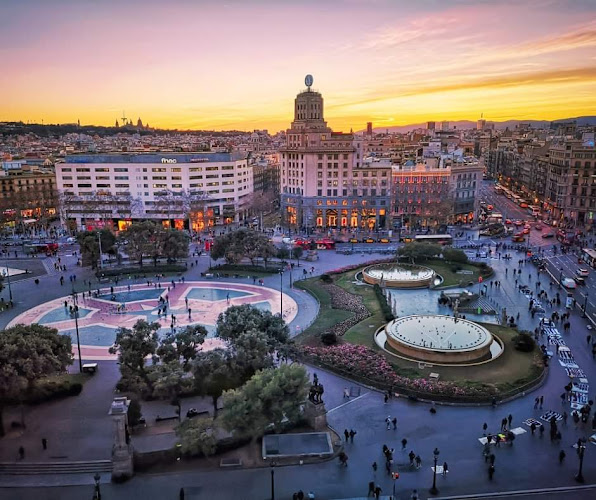
Plaça de Catalunya
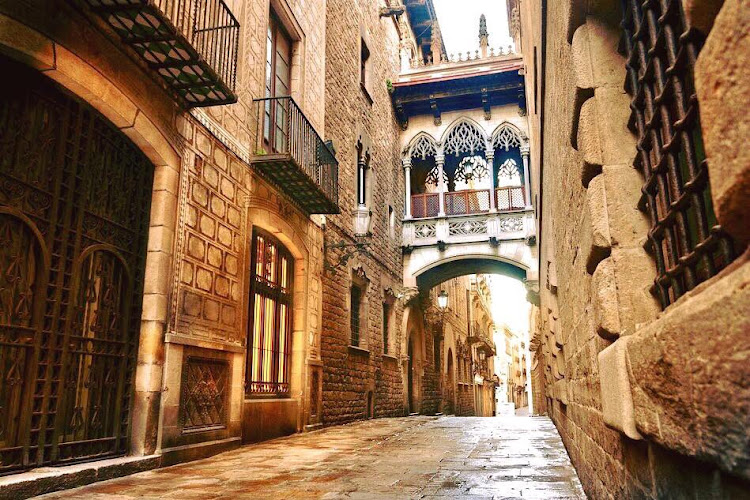
Pont del Bisbe
Find Accommodations Nearby
Recommended Tours & Activities
Visitor Reviews
There are no reviews yet. Be the first one to write one.
Share Your Experience
Have you visited Casa Batlló? Help other travelers by leaving a review.