
Carrillo Adobe
About Carrillo Adobe
Description
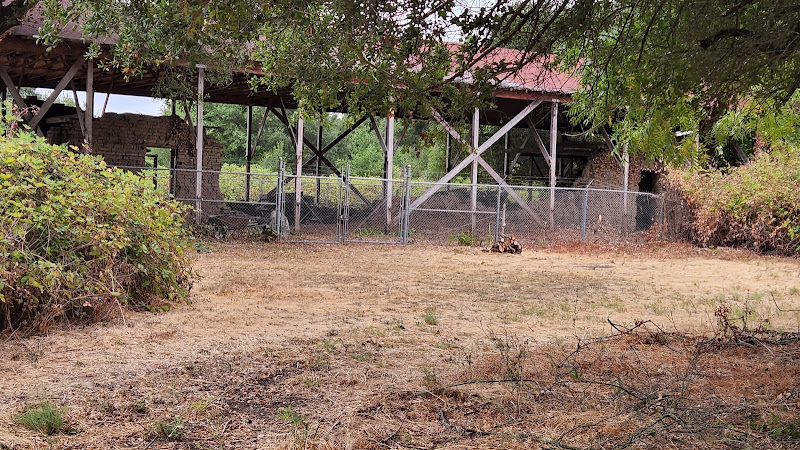
The Carrillo Adobe stands quietly among the trees and trails of Santa Rosa, a weathered reminder of California’s early frontier days. It’s the kind of place you might stumble upon while out for a walk along the Santa Rosa Creek Trail and suddenly feel that strange tug of history—like the past is whispering through the cracked adobe walls. Built in the early 1830s, this old structure was once the home of María Ygnacia López de Carrillo, the matriarch of one of California’s most influential early families. The building itself, though now in ruins, carries an aura of resilience that’s hard to miss. You can almost imagine the creak of wooden doors, the hum of conversation, and the scent of earth and smoke that would have filled the air nearly two centuries ago.
Even with time and weather taking their toll, the Carrillo Adobe still holds its own as one of Santa Rosa’s most significant historical landmarks. And honestly, there’s something beautiful about its imperfections—the crumbling walls, the exposed layers of adobe brick, the way nature has slowly reclaimed parts of it. It’s not polished or overly restored, which I think adds to its authenticity. You’re not looking at a museum exhibit; you’re looking at the real thing, scars and all. That’s rare these days.
Travelers who appreciate heritage tourism, photography, or just a quiet moment of reflection will find the site worth the stop. It’s not flashy or commercialized, and that’s part of its charm. The surrounding area is peaceful, with the creek nearby and birds chattering overhead. It’s easy to forget you’re still in the middle of a growing city. The Carrillo Adobe offers a kind of stillness that’s hard to find in modern life—a small pocket of the past preserved in the heart of Sonoma County.
That being said, it’s not a place that everyone will “get.” Some visitors expect more signage or a formal visitor center, but this site is more about imagination than presentation. If you’re the type who enjoys connecting dots between history, landscape, and legacy, you’ll likely find it fascinating. If you’re expecting an interactive exhibit, you might be underwhelmed. But for those who love authentic, unfiltered history, this is a gem hiding in plain sight.
Key Features
- Historic adobe ruins dating back to the early 1830s, among the oldest structures in Sonoma County
- Peaceful location along the Santa Rosa Creek Trail, ideal for walking or cycling
- Interpretive signs offering brief historical context about the Carrillo family and early California life
- Wheelchair-accessible parking lot nearby, making it easy for visitors of all mobility levels to explore
- Surrounded by native trees and wildlife, providing a scenic backdrop for photography
- Free access year-round, making it a great spontaneous stop for travelers
- Close proximity to other Santa Rosa attractions, including local wineries and parks
What stands out most, in my opinion, is how the site feels both fragile and enduring at the same time. The adobe walls, though partially collapsed, have this quiet dignity about them. You can see the craftsmanship of early California builders—the thick earthen bricks, the handmade texture, the way sunlight hits the surface and turns it a warm, golden brown. It’s a photographer’s dream, especially in late afternoon light when the shadows stretch long and soft.
Best Time to Visit
If you ask me, the best time to visit the Carrillo Adobe is during spring or fall. In spring, the surrounding area bursts with wildflowers and fresh greenery, and the air carries that crisp, earthy scent that always reminds me of new beginnings. Fall, on the other hand, has this mellow, golden glow that makes the adobe look almost ethereal. The weather is mild in both seasons—perfect for walking the trail or sitting nearby with a thermos of coffee, just soaking it all in.
Summer can get a bit warm, especially in the afternoons, but mornings are lovely if you don’t mind starting early. Winter is quieter, and while the rain might make the trail a little muddy, it also deepens the adobe’s color and gives the whole place a moody, cinematic vibe. Honestly, there’s no bad time to visit—it just depends on the kind of experience you’re after. If you want solitude, go on a weekday morning. If you like a bit of company—other walkers, joggers, or curious locals—weekends are more lively.
How to Get There
Reaching the Carrillo Adobe is straightforward if you’re already in Santa Rosa or passing through Sonoma County. The site sits along the Santa Rosa Creek Trail, which is easily accessible by car, bike, or even on foot if you’re exploring nearby parks. Most visitors drive and park at one of the nearby trail access points, where there’s a small but convenient parking lot. The lot includes designated spaces for wheelchair users, which makes it accessible for everyone.
From the parking area, it’s just a short, pleasant walk along the trail to the adobe ruins. There’s no grand entrance or ticket booth—just a simple path leading you toward history. I’ve found that the lack of commercial trappings actually enhances the experience. It feels more personal, more like discovering a secret than attending a scheduled tour. If you’re using a GPS, it’s best to search for the Santa Rosa Creek Trail rather than the adobe itself, since the site is tucked within the trail system.
Public transportation options are available in Santa Rosa, though you’ll likely need to walk a bit from the nearest bus stop. If you’re cycling, the trail connects nicely with other routes, making it a pleasant detour for anyone exploring the city by bike. For those planning a day trip, it’s easy to combine a visit to the Carrillo Adobe with stops at local wineries, regional parks, or downtown Santa Rosa’s restaurants and shops.
Tips for Visiting
Before heading out, it’s good to know a few things that can make your visit smoother and more enjoyable. First off, wear comfortable walking shoes—the trail is well-maintained but can be uneven in spots. Bring water, especially in warmer months, since there aren’t any facilities right at the site. If you’re into photography, try visiting in the late afternoon when the light softens and the colors of the adobe really pop. I once stopped by around sunset, and the way the golden light hit those old walls was just magical—one of those moments you don’t forget.
Here are a few more tips to keep in mind:
- Bring a hat or sunscreen if you’re visiting midday—shade is limited.
- Take your time walking around; the site may be small, but every angle tells a story.
- Be respectful—this is a historic site, not a playground. Avoid climbing on the ruins.
- Check the weather before you go. After heavy rain, the trail can get muddy.
- If you’re traveling with family, use the opportunity to talk about California’s early history—it’s a great educational stop for kids.
- Consider pairing your visit with a picnic along the creek. There are a few quiet spots nearby that are perfect for it.
One thing I always tell people: don’t rush it. The Carrillo Adobe isn’t about flashy attractions or guided tours—it’s about slowing down and letting the place speak for itself. If you take a few minutes to really look at the textures, the play of light and shadow, you start to feel that connection to the people who once lived there. It’s humbling, really, to stand in the same spot where history unfolded almost two hundred years ago.
And if you’re lucky, you might run into a local who knows a bit more about the site’s history. Santa Rosa folks are proud of their heritage, and many are happy to share stories or tidbits you won’t find on any sign. I once chatted with an older gentleman who told me his grandparents used to picnic near the adobe decades ago, long before it became a recognized landmark. He said it hasn’t changed much, and I think that’s what makes it special—it’s one of the few places left that still feels untouched by time.
In short, visiting the Carrillo Adobe isn’t just about seeing an old building—it’s about experiencing a piece of California’s early story firsthand. Whether you’re a history buff, a casual traveler, or just someone who enjoys quiet places with a soul, this humble adobe has a way of leaving an impression that lingers long after you’ve left.
Key Features
- Historic adobe ruins dating back to the early 1830s, among the oldest structures in Sonoma County
- Peaceful location along the Santa Rosa Creek Trail, ideal for walking or cycling
- Interpretive signs offering brief historical context about the Carrillo family and early California life
- Wheelchair-accessible parking lot nearby, making it easy for visitors of all mobility levels to explore
- Surrounded by native trees and wildlife, providing a scenic backdrop for photography
- Free access year-round, making it a great spontaneous stop for travelers
- Close proximity to other Santa Rosa attractions, including local wineries and parks
- Bring a hat or sunscreen if you’re visiting midday—shade is limited.
More Details
Updated December 1, 2025
Table of Contents
Description
The Carrillo Adobe stands quietly among the trees and trails of Santa Rosa, a weathered reminder of California’s early frontier days. It’s the kind of place you might stumble upon while out for a walk along the Santa Rosa Creek Trail and suddenly feel that strange tug of history—like the past is whispering through the cracked adobe walls. Built in the early 1830s, this old structure was once the home of María Ygnacia López de Carrillo, the matriarch of one of California’s most influential early families. The building itself, though now in ruins, carries an aura of resilience that’s hard to miss. You can almost imagine the creak of wooden doors, the hum of conversation, and the scent of earth and smoke that would have filled the air nearly two centuries ago.
Even with time and weather taking their toll, the Carrillo Adobe still holds its own as one of Santa Rosa’s most significant historical landmarks. And honestly, there’s something beautiful about its imperfections—the crumbling walls, the exposed layers of adobe brick, the way nature has slowly reclaimed parts of it. It’s not polished or overly restored, which I think adds to its authenticity. You’re not looking at a museum exhibit; you’re looking at the real thing, scars and all. That’s rare these days.
Travelers who appreciate heritage tourism, photography, or just a quiet moment of reflection will find the site worth the stop. It’s not flashy or commercialized, and that’s part of its charm. The surrounding area is peaceful, with the creek nearby and birds chattering overhead. It’s easy to forget you’re still in the middle of a growing city. The Carrillo Adobe offers a kind of stillness that’s hard to find in modern life—a small pocket of the past preserved in the heart of Sonoma County.
That being said, it’s not a place that everyone will “get.” Some visitors expect more signage or a formal visitor center, but this site is more about imagination than presentation. If you’re the type who enjoys connecting dots between history, landscape, and legacy, you’ll likely find it fascinating. If you’re expecting an interactive exhibit, you might be underwhelmed. But for those who love authentic, unfiltered history, this is a gem hiding in plain sight.
Key Features
- Historic adobe ruins dating back to the early 1830s, among the oldest structures in Sonoma County
- Peaceful location along the Santa Rosa Creek Trail, ideal for walking or cycling
- Interpretive signs offering brief historical context about the Carrillo family and early California life
- Wheelchair-accessible parking lot nearby, making it easy for visitors of all mobility levels to explore
- Surrounded by native trees and wildlife, providing a scenic backdrop for photography
- Free access year-round, making it a great spontaneous stop for travelers
- Close proximity to other Santa Rosa attractions, including local wineries and parks
What stands out most, in my opinion, is how the site feels both fragile and enduring at the same time. The adobe walls, though partially collapsed, have this quiet dignity about them. You can see the craftsmanship of early California builders—the thick earthen bricks, the handmade texture, the way sunlight hits the surface and turns it a warm, golden brown. It’s a photographer’s dream, especially in late afternoon light when the shadows stretch long and soft.
Best Time to Visit
If you ask me, the best time to visit the Carrillo Adobe is during spring or fall. In spring, the surrounding area bursts with wildflowers and fresh greenery, and the air carries that crisp, earthy scent that always reminds me of new beginnings. Fall, on the other hand, has this mellow, golden glow that makes the adobe look almost ethereal. The weather is mild in both seasons—perfect for walking the trail or sitting nearby with a thermos of coffee, just soaking it all in.
Summer can get a bit warm, especially in the afternoons, but mornings are lovely if you don’t mind starting early. Winter is quieter, and while the rain might make the trail a little muddy, it also deepens the adobe’s color and gives the whole place a moody, cinematic vibe. Honestly, there’s no bad time to visit—it just depends on the kind of experience you’re after. If you want solitude, go on a weekday morning. If you like a bit of company—other walkers, joggers, or curious locals—weekends are more lively.
How to Get There
Reaching the Carrillo Adobe is straightforward if you’re already in Santa Rosa or passing through Sonoma County. The site sits along the Santa Rosa Creek Trail, which is easily accessible by car, bike, or even on foot if you’re exploring nearby parks. Most visitors drive and park at one of the nearby trail access points, where there’s a small but convenient parking lot. The lot includes designated spaces for wheelchair users, which makes it accessible for everyone.
From the parking area, it’s just a short, pleasant walk along the trail to the adobe ruins. There’s no grand entrance or ticket booth—just a simple path leading you toward history. I’ve found that the lack of commercial trappings actually enhances the experience. It feels more personal, more like discovering a secret than attending a scheduled tour. If you’re using a GPS, it’s best to search for the Santa Rosa Creek Trail rather than the adobe itself, since the site is tucked within the trail system.
Public transportation options are available in Santa Rosa, though you’ll likely need to walk a bit from the nearest bus stop. If you’re cycling, the trail connects nicely with other routes, making it a pleasant detour for anyone exploring the city by bike. For those planning a day trip, it’s easy to combine a visit to the Carrillo Adobe with stops at local wineries, regional parks, or downtown Santa Rosa’s restaurants and shops.
Tips for Visiting
Before heading out, it’s good to know a few things that can make your visit smoother and more enjoyable. First off, wear comfortable walking shoes—the trail is well-maintained but can be uneven in spots. Bring water, especially in warmer months, since there aren’t any facilities right at the site. If you’re into photography, try visiting in the late afternoon when the light softens and the colors of the adobe really pop. I once stopped by around sunset, and the way the golden light hit those old walls was just magical—one of those moments you don’t forget.
Here are a few more tips to keep in mind:
- Bring a hat or sunscreen if you’re visiting midday—shade is limited.
- Take your time walking around; the site may be small, but every angle tells a story.
- Be respectful—this is a historic site, not a playground. Avoid climbing on the ruins.
- Check the weather before you go. After heavy rain, the trail can get muddy.
- If you’re traveling with family, use the opportunity to talk about California’s early history—it’s a great educational stop for kids.
- Consider pairing your visit with a picnic along the creek. There are a few quiet spots nearby that are perfect for it.
One thing I always tell people: don’t rush it. The Carrillo Adobe isn’t about flashy attractions or guided tours—it’s about slowing down and letting the place speak for itself. If you take a few minutes to really look at the textures, the play of light and shadow, you start to feel that connection to the people who once lived there. It’s humbling, really, to stand in the same spot where history unfolded almost two hundred years ago.
And if you’re lucky, you might run into a local who knows a bit more about the site’s history. Santa Rosa folks are proud of their heritage, and many are happy to share stories or tidbits you won’t find on any sign. I once chatted with an older gentleman who told me his grandparents used to picnic near the adobe decades ago, long before it became a recognized landmark. He said it hasn’t changed much, and I think that’s what makes it special—it’s one of the few places left that still feels untouched by time.
In short, visiting the Carrillo Adobe isn’t just about seeing an old building—it’s about experiencing a piece of California’s early story firsthand. Whether you’re a history buff, a casual traveler, or just someone who enjoys quiet places with a soul, this humble adobe has a way of leaving an impression that lingers long after you’ve left.
Key Highlights
- Historic adobe ruins dating back to the early 1830s, among the oldest structures in Sonoma County
- Peaceful location along the Santa Rosa Creek Trail, ideal for walking or cycling
- Interpretive signs offering brief historical context about the Carrillo family and early California life
- Wheelchair-accessible parking lot nearby, making it easy for visitors of all mobility levels to explore
- Surrounded by native trees and wildlife, providing a scenic backdrop for photography
- Free access year-round, making it a great spontaneous stop for travelers
- Close proximity to other Santa Rosa attractions, including local wineries and parks
- Bring a hat or sunscreen if you’re visiting midday—shade is limited.
Location
Places to Stay Near Carrillo Adobe
Find and Book a Tour
Explore More Travel Guides
No reviews found! Be the first to review!
Traveler Reviews for Carrillo Adobe
There are no reviews yet. Be the first one to write one.
Have you visited Carrillo Adobe? Help other travelers by sharing your review.
You Might Also Like

Luther Burbank Home & Gardens

Spring Lake Park
Laguna de Santa Rosa Foundation
Find Accommodations Nearby
Recommended Tours & Activities
Visitor Reviews
There are no reviews yet. Be the first one to write one.
Share Your Experience
Have you visited Carrillo Adobe? Help other travelers by leaving a review.