
CarCar City
About CarCar City
Key Features
More Details
Updated April 15, 2024
## Carcar City, Cebu: Heritage Gateway to Southern Cebu
Carcar City often comes up in passing when people plan a Cebu trip, usually as “that place with the chicharon on the highway.” In reality, it’s one of the most interesting heritage towns in the Visayas, with a compact old quarter, strong food culture, and an easy location along the main southern corridor of Cebu.
Officially a component city in Cebu province, Carcar sits roughly 40 km south of Cebu City on the island’s southeastern coast. It’s a realistic day trip from Cebu City, but also a solid base if you want a slower, more small-city experience while exploring the south.
—
## Quick Facts About Carcar City
– Location: Southern part of Metro Cebu, bordered by San Fernando (north), Sibonga (south), Barili and Aloguinsan (west), and the Cebu Strait (east).
– Status: 5th-class component city of Cebu, with final cityhood affirmed in 2011 after several legal challenges.
– Land area: About 116.78 km².
– Population:
– 136,453 residents in the 2020 Philippine census.
– Wikipedia now cites a 2024 census figure of 140,308, which may still be undergoing official consolidation—check the latest Philippine Statistics Authority release if you need current demographic data.
– Nickname: “Heritage City of the South,” due to its concentration of Spanish- and American-period architecture around the plaza and old town.
—
## Why Carcar City Is Worth a Stop
### 1. Heritage Core You Can Actually Walk
Carcar’s old town is compact enough that you can walk between its main heritage structures without needing a car. Around the central plaza and rotunda you’ll find:
– Carcar Rotunda – A white, sculpted kiosk in the central junction, often described as the “famous landmark of Carcar.”
– St. Catherine of Alexandria Church – A 19th-century church whose façade and interior are regularly highlighted in photo essays about the city.
– Adjacent convent – Frequently cited as one of the oldest convent complexes in Cebu, still standing alongside the church.
– Ancestral houses – Including properties like Balay na Tisa (House of Tiles) and other Spanish- to American-period homes along streets near the plaza.
Compared to Cebu City’s more dispersed historical sites, Carcar’s heritage cluster feels like a single walkable set piece – church, convent, plaza structures, and period houses all orbiting the rotunda.
### 2. Food Hub of Southern Cebu
Carcar is a serious food stop, both for road-trippers and those staying in town. Several local products are strongly associated with the city:
– Chicharon (deep-fried pork skin) – Widely known across Cebu; Carcar’s version is often singled out in travel blogs and photo essays about the city.
– Lechon – Roast pork that many travelers deliberately plan a stop for on the way further south.
– Ampao (puffed rice squares)
– Bucarillo and gogorias (local sweets)
– Puso (hanging rice in woven coconut leaves)
Around the rotunda and public market area you’ll find stalls selling these specialties; this pattern is repeatedly documented in travelogues and image captions about Carcar’s food scene.
Carcar has also been described as a local shoe manufacturing center, with a “Carcar Shoe Expo” and even an oversized “big shoe” display mentioned in some photo essays—an echo of its regional footwear reputation.
If you’re weighing which platform to use when booking stays around Cebu and the rest of Asia, Real Journey Travels has a detailed comparison in Trip.com vs Booking.com: How to Snag the Best Hotel Deals for 2024 that can help you choose where to search first. Journey Tours & Travels
### 3. Festivals and Living Culture
Carcar’s main festival is the Kabkaban Festival, staged in honor of St. Catherine of Alexandria, the city’s patron saint. The festival name comes from the town’s older name “Kabkab,” referring to an oakleaf fern common in the area. It typically runs around November 23–25, aligning with the patron’s feast day.
Key elements, based on local descriptions and festival coverage, include:
– Ritual dances meant to symbolically drive away bad spirits from the surroundings. CARCAR CITY
– Street-dancing contingents from different clusters of the city, which continue to be documented in 2025 coverage.
– Presentations of Carcar’s history, arts, and local products, from food items to craft traditions. CARCAR CITY
Because the festival dates are tied to the liturgical calendar and local decisions, always double-check the year’s schedule with official Carcar City channels or recent festival announcements before booking flights.
—
## What to See & Do in and Around Carcar
### Walk the Plaza and Old Town
Plan a few hours just for the core:
– Start at the Carcar Rotunda, exploring its sculptures and the surrounding open space.
– Walk towards St. Catherine of Alexandria Church, noting the details in the façade, bell towers, and the long colonnade of statues.
– Visit the convent complex next door, which has been described as more than a century old in local histories.
– Wander nearby streets to view heritage houses, many with capiz-shell windows, wooden balconies, and other period features highlighted in both Flickr notes and blog posts.
### Taste Carcar’s Signature Food
Most visitors naturally combine sightseeing with food stops:
– Head to the public market and stalls near the rotunda for chicharon, lechon, ampao, and sweets.
– If you’re driving, treat Carcar as a strategic food break en route to towns further south like Sibonga or Barili; many bus-trip narratives highlight Carcar as a natural stop between Cebu City and the rest of southern Cebu.
### Explore Nearby Nature and Viewpoints
According to tourism summaries, Carcar’s wider territory includes:
– Guadalupe Mabugnao Mainit Hot Spring National Park – A designated hot spring area in the uplands.
– Hillside viewpoints and camping areas such as Camari Hills and Tophills Camping Site.
– Coastal spots like Tuyom Beach and Bolinawan Islet, as well as mangrove areas such as the Tabyug Mangrove Forest.
Access conditions and facilities at these sites can change as local tourism projects evolve, so verify opening times, road conditions, and any environmental regulations with current local sources or recent trip reports.
—
## Getting to Carcar City
Travelers consistently describe Carcar as roughly an hour by bus from Cebu City, boarding at the Cebu South Bus Terminal and passing Talisay, Minglanilla, Naga, and San Fernando en route.
A few practical notes to keep expectations realistic and inclusive:
– Travel time fluctuates. Older blogs mention about one hour in light traffic; peak-hour congestion around Cebu and Talisay can extend that.
– Fares change. Past accounts cite very low fares that are no longer realistic—always check updated pricing at the terminal or via official bus company pages rather than relying on archived blog numbers.
– Accessibility: Provincial buses in the Philippines are improving but still vary widely in step height, aisles, and comfort. If you have mobility needs, consider messaging bus operators or local tour providers in advance.
Within Carcar itself, travelers mention using tricycles to move between the bus stop, church, and other central sites.
—
## Trip Planning and Budgeting
Carcar is usually part of a broader Cebu or Philippines itinerary. A few planning angles, keeping everything anchored in verifiable information:
– Combine with southern Cebu highlights. Because it sits on the main southern route, Carcar pairs naturally with destinations like Sibonga or other towns in south Cebu that you might visit for beaches or upland views.
– Use it as a base for heritage-focused travel. Official and semi-official profiles stress Carcar’s concentration of Spanish and American-period architecture plus its city-recognised heritage status.
– Benchmark your budget with other detailed trip-cost breakdowns. If you find cost-focused guides helpful when planning trips, the Real Journey Travels article Netherlands Trip Cost: 7 Days Under €1000 – Budget Guide is a good reference for how we structure daily spending, transport, and accommodation estimates; you can adapt the same methodology to Cebu and Carcar. Journey Tours & Travels
Because inflation and currency shifts affect everything from bus fares to market snacks, treat any older price lists you find for Carcar as historical snapshots rather than current quotes.
—
## Is Carcar City Right for You?
Based strictly on what’s documented in reliable sources, Carcar City is a strong choice if you:
– Enjoy walkable heritage districts anchored by a central plaza, church, and ancestral houses.
– Want a food-driven stop for chicharon, lechon, and other regional specialties on a Cebu road trip.
– Like timing trips around local festivals such as the Kabkaban Festival in late November, with street dancing and ritual performances that spotlight local culture. CARCAR CITY
If you’re planning a visit soon, the safest approach is to:
1. Confirm festival dates and local events through current city or tourism channels.
2. Double-check bus schedules and fares close to your travel dates.
3. Cross-reference any population or development statistics with the latest Philippine government data if you need them for research or reporting.
Within those guardrails, Carcar City stands out as one of Cebu’s most historically layered and food-forward small cities—well-documented as such in both official summaries and long-running traveler accounts.
Table of Contents
Key Highlights
CarCar City
Location
Places to Stay Near CarCar City
Find and Book a Tour
Explore More Travel Guides
No reviews found! Be the first to review!
Traveler Reviews for CarCar City
There are no reviews yet. Be the first one to write one.
Have you visited CarCar City? Help other travelers by sharing your review.
You Might Also Like
Carcar City Rotunda
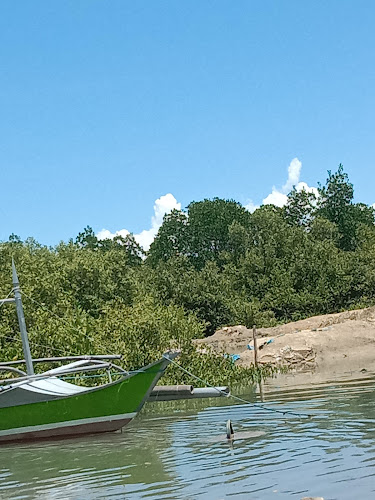
Tabyog Mangrove Park
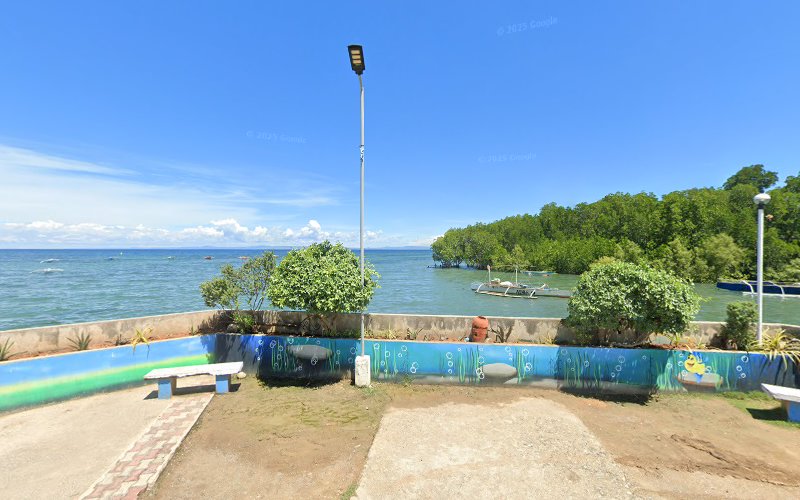
Bacsije Beach
Find Accommodations Nearby
Recommended Tours & Activities
Visitor Reviews
There are no reviews yet. Be the first one to write one.
Share Your Experience
Have you visited CarCar City? Help other travelers by leaving a review.