
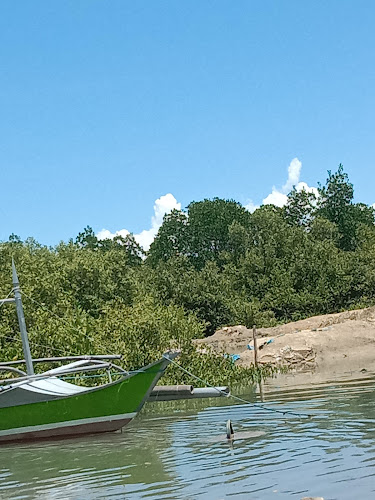
Tabyog Mangrove Park
About Tabyog Mangrove Park
Description
Tabyog Mangrove Park in Carcar City, Cebu, is one of those places that quietly surprises you. It’s not flashy or overdeveloped, and that’s exactly what makes it special. The park is essentially a living, breathing mangrove forest where the air smells faintly of salt and earth, and the only soundtrack you’ll hear is the rustle of leaves and the occasional splash from some unseen fish. Families often come here to slow down, and it’s particularly good for kids—there’s space to wander, safe boardwalks to explore, and plenty of curious little crabs and birds to spot. While it’s not a luxury resort or a tourist trap with endless stalls, it’s got a raw, authentic charm that’s hard to fake. You might find a few rough edges—like a bench that’s seen better days or a path that needs a bit of sweeping—but honestly, that’s part of the appeal. It feels real, like nature hasn’t been dressed up for the camera.
What makes Tabyog stand out is the way it invites you to slow down. You’re not rushing from one attraction to another here; you’re just… there. Watching the tide creep in, feeling the sun on your skin, maybe chatting with a local fisherman who has a story or two about the mangroves. It’s the kind of place you visit when you want to breathe a little deeper and remember that not every trip needs to be a checklist of Instagram shots. And yet, ironically, it’s still ridiculously photogenic if you’ve got an eye for natural beauty.
Key Features
- Expansive mangrove forest with elevated boardwalks for easy exploration
- Peaceful atmosphere away from the city noise
- Opportunities for birdwatching and spotting small marine life
- Family-friendly environment with safe walking paths
- Local fishing culture visible along the nearby shores
- Natural tidal changes that dramatically alter the scenery throughout the day
- Rustic charm with minimal commercial development
Best Time to Visit
If you ask me, mornings are pure magic here. The air is cooler, the light is softer, and the mangroves cast these long, dreamy shadows over the water. Plus, you’re more likely to catch sight of birds flitting about before the day heats up. Late afternoons are also lovely, especially if you want to catch that golden hour glow—just keep in mind that mosquitoes can get a bit too friendly around sunset, so bring repellent. Weather-wise, the dry season from December to May is your safest bet for clear skies and calmer tides, but a slightly overcast day can give the place a moody, almost cinematic feel. I’ve been here during a light drizzle, and honestly, it was one of my favorite visits—the rain tapping on the leaves, the smell of wet earth, and not another soul in sight.
How to Get There
Reaching Tabyog Mangrove Park is part of the adventure. If you’re coming from Cebu City, you can take a bus or van heading south toward Carcar City, which usually takes about 1.5 to 2 hours depending on traffic (and traffic can be unpredictable, so plan ahead). Once you’re in Carcar, you can grab a tricycle or habal-habal (motorbike taxi) to the park entrance. The last leg of the trip is short but gives you a glimpse of local life—kids playing by the roadside, small sari-sari stores, and fishermen tending to their nets. If you’re driving yourself, the roads are fairly straightforward, though parking near the park can be limited during weekends.
Public transport here isn’t fancy, but it’s part of the local experience. And if you’re the type who enjoys chatting with strangers, you might end up getting tips from your driver about the best time to see the tide or where to grab the freshest bibingka nearby.
Tips for Visiting
First off, wear comfortable shoes. The boardwalks are easy to walk on, but you might want to wander off to the sandy edges or explore nearby tidal flats, and flip-flops aren’t always the best for that. Bring a hat and sunscreen—there’s shade from the mangroves, but not everywhere—and definitely pack insect repellent, especially if you’re staying until dusk.
Bring water and maybe a small snack, because there aren’t many vendors inside. If you’re into photography, check the tide schedule before you go; low tide reveals the intricate root systems of the mangroves, while high tide creates mirror-like reflections that are stunning in photos. And don’t rush. This isn’t the kind of place you “do” in 20 minutes. Give yourself at least an hour or two to just be there. Sit on a bench, listen to the wind, maybe even close your eyes for a bit. You’ll thank yourself later.
Oh, and one more thing—respect the place. It’s a living ecosystem, not a theme park. Don’t litter, don’t disturb the wildlife, and if you’re bringing kids, teach them to appreciate the little things, like the way a crab scuttles sideways or how the roots twist and tangle into the water. Those are the moments that stick with you long after you’ve left.
Key Features
- Expansive mangrove forest with elevated boardwalks for easy exploration
- Peaceful atmosphere away from the city noise
- Opportunities for birdwatching and spotting small marine life
- Family-friendly environment with safe walking paths
- Local fishing culture visible along the nearby shores
- Natural tidal changes that dramatically alter the scenery throughout the day
- Rustic charm with minimal commercial development
You Might Also Like
100 Baloy Long Beach Rd
11th World Scout Jamboree Memorial Rotonda
3 Springs Mountain Park
Tours & Activities
GetYourGuide provides this tour inventory. We may earn a commission if you book through it; verify current availability, prices, and terms with the provider.
Visitor Reviews
There are no reviews yet. Be the first one to write one.
Share Your Experience
Have you visited Tabyog Mangrove Park? Help other travelers by leaving a review.