
Capuchos Convent
About Capuchos Convent
Description
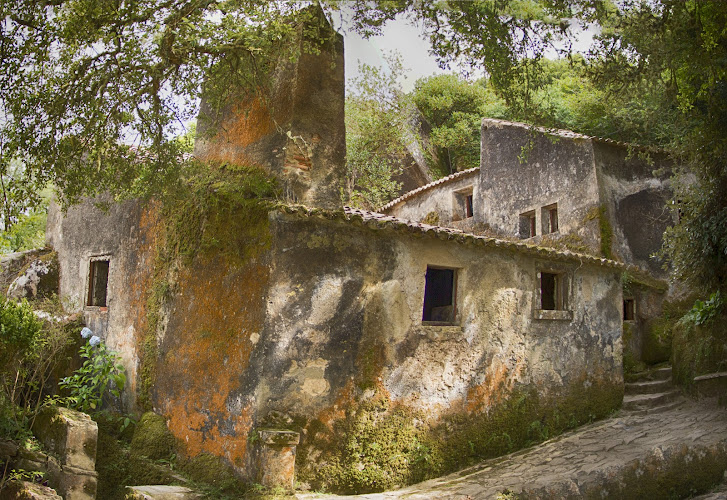
Capuchos Convent isn’t the kind of place that tries to impress you at first glance. And that’s exactly the point. Tucked deep inside the Sintra hills, this former Franciscan convent feels almost shy, like it’s hoping you’ll slow down enough to notice it. The monks who lived here in the 16th century clearly believed comfort was overrated, and walking through the convent today makes that philosophy very, very clear.
The building blends directly into the rocky forest landscape, sometimes so seamlessly that you might miss where nature ends and architecture begins. Massive boulders form parts of the walls. Tree roots snake around stone corridors. Cork lines doors and cells, not as decoration, but as insulation and humility wrapped into one. It’s small, rough, and intentionally stripped of luxury. And honestly, after visiting a dozen grand palaces in Portugal, this place feels like a breath of fresh (and slightly damp) air.
Capuchos Convent was designed for contemplation, silence, and isolation. The friars lived with almost nothing, and that lifestyle is still visible in the cramped sleeping cells, low doorways, and narrow passages that force you to bow your head as you walk. It’s impossible not to feel a little introspective here, even if you’re normally the chatty, photo-snapping type. I remember visiting on a foggy afternoon and barely speaking for a solid hour. The forest kind of hushes you.
That said, it’s not all solemn. There’s a strange warmth to the place. The moss-covered stones, the smell of wet earth, and the filtered light through the trees give the convent a calm, grounded feeling. Travelers tend to either adore it or feel underwhelmed, and that split makes sense. If you come expecting drama and gold altars, you’ll miss the point. But if you’re curious about how humans once tried to live with less, way less, Capuchos Convent hits hard in the best way.
Key Features
- Compact medieval convent integrated directly into natural rock formations
- Cork-lined doors and walls used for insulation and simplicity
- Tiny monks’ cells that reflect an extreme lifestyle of austerity
- Forest surroundings that create a quiet, almost meditative atmosphere
- Stone corridors and low entrances that encourage slow, mindful movement
- Onsite services that help visitors understand the history and layout
- Less crowded than Sintra’s palaces, even during busy seasons
Best Time to Visit
The convent can technically be visited year-round, but your experience will change a lot depending on when you go. Spring and early autumn are the sweet spots. The forest is green, the air is cool, and the walking paths aren’t muddy or overly dry. Summer can be warmer than expected, especially once you’re hiking through the trees, though the shade helps. Winter, on the other hand, turns the convent into something out of a medieval fairytale, foggy, damp, and wonderfully eerie.
If you ask me, cloudy days are better than sunny ones here. Bright sunlight kind of breaks the spell, while mist and soft light make the convent feel more authentic. Early mornings are ideal if you want quiet. Midday tends to bring tour groups, though it never gets as chaotic as other Sintra attractions. I once arrived late afternoon and practically had the place to myself, which felt like cheating, but in a good way.
Weekdays are calmer than weekends, especially if you’re visiting during peak travel months. And give yourself time. This isn’t a rush-through kind of place. Even though it’s small, you’ll want to linger, sit, and maybe just stare at a wall for a minute. It happens.
How to Get There
Getting to Capuchos Convent is part of the adventure, and also part of the reason some travelers skip it. It’s located deeper in the Sintra-Cascais Natural Park, away from the main tourist loop. If you’re driving, the roads are narrow and winding, with more than a few moments where you’ll wonder if you’ve gone the wrong way. You probably haven’t. Just keep going.
Parking is available nearby, including options suitable for visitors with mobility needs, though the convent itself has limitations once inside. If you’re relying on public transport, it’s doable but requires patience. Expect a combination of buses and a bit of walking through forested paths. Ride-hailing services can get you close, but cell signal can be spotty, so plan your return ahead of time.
For hikers, the convent is reachable via trails that connect other Sintra landmarks. This is my favorite approach, sweaty legs and all. There’s something satisfying about arriving on foot to a place built for people who intentionally removed themselves from the world.
Tips for Visiting
First things first, wear proper shoes. The ground is uneven, sometimes slippery, and not forgiving if you’re in flimsy sandals. I learned that lesson the hard way and spent half my visit watching my footing instead of the scenery. Also, bring a light jacket. Even on warm days, the forest keeps things cool and a little damp.
Accessibility is partial here. While there is wheelchair-accessible parking, the convent’s historic structure means entrances and restrooms aren’t fully adapted. It’s important to know this ahead of time so expectations match reality. Inside, the low ceilings and narrow passages can be challenging for some visitors, even those without mobility concerns.
Photography is allowed, but this isn’t an Instagram hotspot. And that’s refreshing. Take photos, sure, but also put the camera down. Sit on a stone bench. Listen to the wind in the trees. The convent rewards patience and presence more than any wide-angle lens ever could.
Don’t skip the small details. Look at how the doors are worn down from centuries of use. Notice how the rocks feel cool to the touch even in summer. These tiny observations are where the place really comes alive. I once spent five minutes staring at a cork-lined doorway, wondering how many hands had touched it before mine. That kind of quiet curiosity is what Capuchos Convent does best.
Lastly, pair your visit with something lighter afterward. The convent can feel heavy, emotionally and physically. A café stop or a walk in a more open part of Sintra helps balance things out. But you’ll probably keep thinking about it long after you leave. I still do, especially when modern life starts feeling too loud. Capuchos Convent reminds you that there are other ways to exist, even if just for an afternoon.
Key Features
- Compact medieval convent integrated directly into natural rock formations
- Cork-lined doors and walls used for insulation and simplicity
- Tiny monks’ cells that reflect an extreme lifestyle of austerity
- Forest surroundings that create a quiet, almost meditative atmosphere
- Stone corridors and low entrances that encourage slow, mindful movement
- Onsite services that help visitors understand the history and layout
- Less crowded than Sintra’s palaces, even during busy seasons
More Details
Updated December 31, 2025
Table of Contents
Description
Capuchos Convent isn’t the kind of place that tries to impress you at first glance. And that’s exactly the point. Tucked deep inside the Sintra hills, this former Franciscan convent feels almost shy, like it’s hoping you’ll slow down enough to notice it. The monks who lived here in the 16th century clearly believed comfort was overrated, and walking through the convent today makes that philosophy very, very clear.
The building blends directly into the rocky forest landscape, sometimes so seamlessly that you might miss where nature ends and architecture begins. Massive boulders form parts of the walls. Tree roots snake around stone corridors. Cork lines doors and cells, not as decoration, but as insulation and humility wrapped into one. It’s small, rough, and intentionally stripped of luxury. And honestly, after visiting a dozen grand palaces in Portugal, this place feels like a breath of fresh (and slightly damp) air.
Capuchos Convent was designed for contemplation, silence, and isolation. The friars lived with almost nothing, and that lifestyle is still visible in the cramped sleeping cells, low doorways, and narrow passages that force you to bow your head as you walk. It’s impossible not to feel a little introspective here, even if you’re normally the chatty, photo-snapping type. I remember visiting on a foggy afternoon and barely speaking for a solid hour. The forest kind of hushes you.
That said, it’s not all solemn. There’s a strange warmth to the place. The moss-covered stones, the smell of wet earth, and the filtered light through the trees give the convent a calm, grounded feeling. Travelers tend to either adore it or feel underwhelmed, and that split makes sense. If you come expecting drama and gold altars, you’ll miss the point. But if you’re curious about how humans once tried to live with less, way less, Capuchos Convent hits hard in the best way.
Key Features
- Compact medieval convent integrated directly into natural rock formations
- Cork-lined doors and walls used for insulation and simplicity
- Tiny monks’ cells that reflect an extreme lifestyle of austerity
- Forest surroundings that create a quiet, almost meditative atmosphere
- Stone corridors and low entrances that encourage slow, mindful movement
- Onsite services that help visitors understand the history and layout
- Less crowded than Sintra’s palaces, even during busy seasons
Best Time to Visit
The convent can technically be visited year-round, but your experience will change a lot depending on when you go. Spring and early autumn are the sweet spots. The forest is green, the air is cool, and the walking paths aren’t muddy or overly dry. Summer can be warmer than expected, especially once you’re hiking through the trees, though the shade helps. Winter, on the other hand, turns the convent into something out of a medieval fairytale, foggy, damp, and wonderfully eerie.
If you ask me, cloudy days are better than sunny ones here. Bright sunlight kind of breaks the spell, while mist and soft light make the convent feel more authentic. Early mornings are ideal if you want quiet. Midday tends to bring tour groups, though it never gets as chaotic as other Sintra attractions. I once arrived late afternoon and practically had the place to myself, which felt like cheating, but in a good way.
Weekdays are calmer than weekends, especially if you’re visiting during peak travel months. And give yourself time. This isn’t a rush-through kind of place. Even though it’s small, you’ll want to linger, sit, and maybe just stare at a wall for a minute. It happens.
How to Get There
Getting to Capuchos Convent is part of the adventure, and also part of the reason some travelers skip it. It’s located deeper in the Sintra-Cascais Natural Park, away from the main tourist loop. If you’re driving, the roads are narrow and winding, with more than a few moments where you’ll wonder if you’ve gone the wrong way. You probably haven’t. Just keep going.
Parking is available nearby, including options suitable for visitors with mobility needs, though the convent itself has limitations once inside. If you’re relying on public transport, it’s doable but requires patience. Expect a combination of buses and a bit of walking through forested paths. Ride-hailing services can get you close, but cell signal can be spotty, so plan your return ahead of time.
For hikers, the convent is reachable via trails that connect other Sintra landmarks. This is my favorite approach, sweaty legs and all. There’s something satisfying about arriving on foot to a place built for people who intentionally removed themselves from the world.
Tips for Visiting
First things first, wear proper shoes. The ground is uneven, sometimes slippery, and not forgiving if you’re in flimsy sandals. I learned that lesson the hard way and spent half my visit watching my footing instead of the scenery. Also, bring a light jacket. Even on warm days, the forest keeps things cool and a little damp.
Accessibility is partial here. While there is wheelchair-accessible parking, the convent’s historic structure means entrances and restrooms aren’t fully adapted. It’s important to know this ahead of time so expectations match reality. Inside, the low ceilings and narrow passages can be challenging for some visitors, even those without mobility concerns.
Photography is allowed, but this isn’t an Instagram hotspot. And that’s refreshing. Take photos, sure, but also put the camera down. Sit on a stone bench. Listen to the wind in the trees. The convent rewards patience and presence more than any wide-angle lens ever could.
Don’t skip the small details. Look at how the doors are worn down from centuries of use. Notice how the rocks feel cool to the touch even in summer. These tiny observations are where the place really comes alive. I once spent five minutes staring at a cork-lined doorway, wondering how many hands had touched it before mine. That kind of quiet curiosity is what Capuchos Convent does best.
Lastly, pair your visit with something lighter afterward. The convent can feel heavy, emotionally and physically. A café stop or a walk in a more open part of Sintra helps balance things out. But you’ll probably keep thinking about it long after you leave. I still do, especially when modern life starts feeling too loud. Capuchos Convent reminds you that there are other ways to exist, even if just for an afternoon.
Key Highlights
- Compact medieval convent integrated directly into natural rock formations
- Cork-lined doors and walls used for insulation and simplicity
- Tiny monks’ cells that reflect an extreme lifestyle of austerity
- Forest surroundings that create a quiet, almost meditative atmosphere
- Stone corridors and low entrances that encourage slow, mindful movement
- Onsite services that help visitors understand the history and layout
- Less crowded than Sintra’s palaces, even during busy seasons
Location
Places to Stay Near Capuchos Convent
Find and Book a Tour
Explore More Travel Guides
No reviews found! Be the first to review!
Traveler Reviews for Capuchos Convent
There are no reviews yet. Be the first one to write one.
Have you visited Capuchos Convent? Help other travelers by sharing your review.
You Might Also Like

Cape Roca
Casal Santa Maria
Fojo da Adraga / Fojo dos Morcegos
Find Accommodations Nearby
Recommended Tours & Activities
Visitor Reviews
There are no reviews yet. Be the first one to write one.
Share Your Experience
Have you visited Capuchos Convent? Help other travelers by leaving a review.