

Cape Roca
About Cape Roca
Description
Cape Roca, or Cabo da Roca as locals call it, sits out there on the edge of mainland Europe like it knows it’s special. This is the westernmost point of continental Europe, and yes, that little fact alone pulls people in from all over the world. But standing there, with the Atlantic roaring below and the wind tugging at your jacket, it stops being trivia and starts feeling real. Very real.
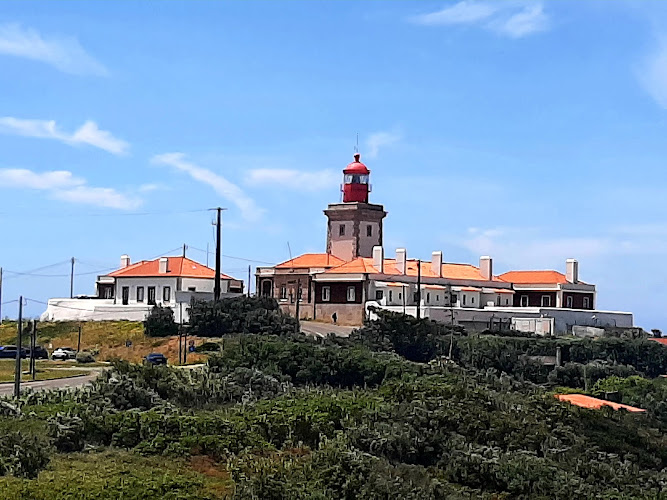
The viewpoint is part of a protected national park, which explains why the cliffs feel wild and slightly untamed. The land just drops away into the sea, no polite slopes or guardrails trying too hard to make things comfy. There is a lighthouse perched above the cliffs, still functioning, and it houses a small tourism office where travelers can grab information or, if they want, a certificate proving they stood at the edge of Europe. I thought the certificate thing was a bit cheesy until I saw how proud people looked clutching them. And yes, I got one too.
The views change depending on the day. Some days the ocean is moody and dark, with waves smashing the rocks below like they’ve got a grudge. Other days it’s oddly calm, all silvery and endless. I once visited on a foggy afternoon and could barely see beyond a few meters. Was it disappointing? Maybe for five minutes. Then the mist rolled around the cliffs and it felt like being inside a fantasy novel. Not bad at all.
Cape Roca is popular, no denying that. You will almost certainly share the space with other travelers, selfie sticks and all. But the area is large enough that you can usually wander off a bit, find your own angle, and have a quiet moment with the wind and the sea. And honestly, the mix of awe, excitement, and slight fear you feel standing there is hard to fake. It’s one of those places that sticks with you longer than you expect.
Key Features
- Westernmost point of mainland Europe, marked by a stone monument
- Dramatic cliffs overlooking the Atlantic Ocean
- Historic lighthouse that still operates today
- Located within a protected natural park
- Well-marked walking paths and nearby hiking trails
- Onsite tourism office for maps, info, and certificates
- Free parking available close to the viewpoint
- Wheelchair accessible parking and main viewing area
Best Time to Visit
The short answer? Go when the weather behaves. The longer, more honest answer is that Cape Roca has moods, and each season brings a different one. Spring and early autumn are usually the sweet spots. The temperatures are comfortable, the skies often clear, and the wind, while still present (it always is), doesn’t feel like it’s trying to knock you into next week.
Summer brings long days and brighter light, which photographers love. But it also brings crowds. If you visit in July or August, aim for early morning or late afternoon. Sunset is beautiful, no doubt, but it can get busy. I once arrived just before sunset in August and spent a good chunk of time dodging elbows and tripods. Still worth it, but patience helps.
Winter is a different beast. Fewer visitors, dramatic skies, and waves that look like they mean business. It can be cold and very windy, and sometimes downright stormy. But if you’re into that raw, powerful feeling of nature doing its thing, winter visits can be unforgettable. Just dress properly. I didn’t once, and I regretted every optimistic clothing choice.
How to Get There
Getting to Cape Roca is pretty straightforward, even if you don’t have a car. From nearby towns, public transport options usually involve a combination of train and bus. The bus ride itself is part of the experience, winding through green hills and small villages before dropping you close to the site. From there, it’s a short walk to the viewpoint.
If you do have a car, driving offers more flexibility. The roads leading up to Cape Roca are scenic, though narrow in parts, so take it slow. Free parking is available, which is always a relief when visiting popular attractions. During peak season, parking can fill up, but spots tend to open as people come and go.
Some travelers choose guided tours, especially if they’re short on time or want context without doing the planning. That can be handy, though personally I like wandering at my own pace here. Cape Roca feels like a place you should experience on your own terms, even if that just means standing quietly and staring at the horizon longer than feels socially acceptable.
Tips for Visiting
First tip, and I can’t stress this enough: bring a jacket. Even on warm days, the wind at Cape Roca has a way of sneaking under your clothes. Layers are your friend. And wear proper shoes. The paths are generally safe, but uneven ground and strong gusts don’t mix well with flimsy footwear.
Second, give yourself time. A lot of people rush in, snap a photo, and rush out. That’s fine, but if you can, slow down. Walk a bit further along the trails. Sit on a rock. Watch the waves for a while. This isn’t just a checkbox destination, or at least it shouldn’t be.
Third, mind the cliffs. This seems obvious, but you’d be surprised how close people get for the perfect shot. The views are incredible from safe distances, trust me. No photo is worth a bad accident.
If you’re interested in history, take a moment to read the information near the monument and lighthouse. Cape Roca has long been a symbolic place, especially during the Age of Discoveries, when it represented the edge of the known world. Standing there, it’s easy to imagine sailors looking west and wondering what waited beyond that endless blue.
And finally, don’t stress if the weather isn’t perfect. Clouds, fog, wind, even a bit of rain can add drama to the experience. One of my favorite visits was on a gloomy day when the ocean looked almost black. It felt intense, humbling, and oddly peaceful. Cape Roca has a way of giving you what you need, not always what you expect.
For travelers who enjoy scenic spots, hiking areas, historical places, and viewpoints that actually live up to the hype, Cape Roca delivers. It’s not polished or overly curated, and that’s part of the charm. You come for the views, sure, but you leave with that quiet feeling of having stood somewhere that genuinely matters. And that, at least for me, is what makes it unforgettable.
Key Features
- Westernmost point of mainland Europe, marked by a stone monument
- Dramatic cliffs overlooking the Atlantic Ocean
- Historic lighthouse that still operates today
- Located within a protected natural park
- Well-marked walking paths and nearby hiking trails
- Onsite tourism office for maps, info, and certificates
- Free parking available close to the viewpoint
- Wheelchair accessible parking and main viewing area
More Details
Updated December 31, 2025
Table of Contents
Description
Cape Roca, or Cabo da Roca as locals call it, sits out there on the edge of mainland Europe like it knows it’s special. This is the westernmost point of continental Europe, and yes, that little fact alone pulls people in from all over the world. But standing there, with the Atlantic roaring below and the wind tugging at your jacket, it stops being trivia and starts feeling real. Very real.
The viewpoint is part of a protected national park, which explains why the cliffs feel wild and slightly untamed. The land just drops away into the sea, no polite slopes or guardrails trying too hard to make things comfy. There is a lighthouse perched above the cliffs, still functioning, and it houses a small tourism office where travelers can grab information or, if they want, a certificate proving they stood at the edge of Europe. I thought the certificate thing was a bit cheesy until I saw how proud people looked clutching them. And yes, I got one too.
The views change depending on the day. Some days the ocean is moody and dark, with waves smashing the rocks below like they’ve got a grudge. Other days it’s oddly calm, all silvery and endless. I once visited on a foggy afternoon and could barely see beyond a few meters. Was it disappointing? Maybe for five minutes. Then the mist rolled around the cliffs and it felt like being inside a fantasy novel. Not bad at all.
Cape Roca is popular, no denying that. You will almost certainly share the space with other travelers, selfie sticks and all. But the area is large enough that you can usually wander off a bit, find your own angle, and have a quiet moment with the wind and the sea. And honestly, the mix of awe, excitement, and slight fear you feel standing there is hard to fake. It’s one of those places that sticks with you longer than you expect.
Key Features
- Westernmost point of mainland Europe, marked by a stone monument
- Dramatic cliffs overlooking the Atlantic Ocean
- Historic lighthouse that still operates today
- Located within a protected natural park
- Well-marked walking paths and nearby hiking trails
- Onsite tourism office for maps, info, and certificates
- Free parking available close to the viewpoint
- Wheelchair accessible parking and main viewing area
Best Time to Visit
The short answer? Go when the weather behaves. The longer, more honest answer is that Cape Roca has moods, and each season brings a different one. Spring and early autumn are usually the sweet spots. The temperatures are comfortable, the skies often clear, and the wind, while still present (it always is), doesn’t feel like it’s trying to knock you into next week.
Summer brings long days and brighter light, which photographers love. But it also brings crowds. If you visit in July or August, aim for early morning or late afternoon. Sunset is beautiful, no doubt, but it can get busy. I once arrived just before sunset in August and spent a good chunk of time dodging elbows and tripods. Still worth it, but patience helps.
Winter is a different beast. Fewer visitors, dramatic skies, and waves that look like they mean business. It can be cold and very windy, and sometimes downright stormy. But if you’re into that raw, powerful feeling of nature doing its thing, winter visits can be unforgettable. Just dress properly. I didn’t once, and I regretted every optimistic clothing choice.
How to Get There
Getting to Cape Roca is pretty straightforward, even if you don’t have a car. From nearby towns, public transport options usually involve a combination of train and bus. The bus ride itself is part of the experience, winding through green hills and small villages before dropping you close to the site. From there, it’s a short walk to the viewpoint.
If you do have a car, driving offers more flexibility. The roads leading up to Cape Roca are scenic, though narrow in parts, so take it slow. Free parking is available, which is always a relief when visiting popular attractions. During peak season, parking can fill up, but spots tend to open as people come and go.
Some travelers choose guided tours, especially if they’re short on time or want context without doing the planning. That can be handy, though personally I like wandering at my own pace here. Cape Roca feels like a place you should experience on your own terms, even if that just means standing quietly and staring at the horizon longer than feels socially acceptable.
Tips for Visiting
First tip, and I can’t stress this enough: bring a jacket. Even on warm days, the wind at Cape Roca has a way of sneaking under your clothes. Layers are your friend. And wear proper shoes. The paths are generally safe, but uneven ground and strong gusts don’t mix well with flimsy footwear.
Second, give yourself time. A lot of people rush in, snap a photo, and rush out. That’s fine, but if you can, slow down. Walk a bit further along the trails. Sit on a rock. Watch the waves for a while. This isn’t just a checkbox destination, or at least it shouldn’t be.
Third, mind the cliffs. This seems obvious, but you’d be surprised how close people get for the perfect shot. The views are incredible from safe distances, trust me. No photo is worth a bad accident.
If you’re interested in history, take a moment to read the information near the monument and lighthouse. Cape Roca has long been a symbolic place, especially during the Age of Discoveries, when it represented the edge of the known world. Standing there, it’s easy to imagine sailors looking west and wondering what waited beyond that endless blue.
And finally, don’t stress if the weather isn’t perfect. Clouds, fog, wind, even a bit of rain can add drama to the experience. One of my favorite visits was on a gloomy day when the ocean looked almost black. It felt intense, humbling, and oddly peaceful. Cape Roca has a way of giving you what you need, not always what you expect.
For travelers who enjoy scenic spots, hiking areas, historical places, and viewpoints that actually live up to the hype, Cape Roca delivers. It’s not polished or overly curated, and that’s part of the charm. You come for the views, sure, but you leave with that quiet feeling of having stood somewhere that genuinely matters. And that, at least for me, is what makes it unforgettable.
Key Highlights
- Westernmost point of mainland Europe, marked by a stone monument
- Dramatic cliffs overlooking the Atlantic Ocean
- Historic lighthouse that still operates today
- Located within a protected natural park
- Well-marked walking paths and nearby hiking trails
- Onsite tourism office for maps, info, and certificates
- Free parking available close to the viewpoint
- Wheelchair accessible parking and main viewing area
Location
Places to Stay Near Cape Roca
Find and Book a Tour
Explore More Travel Guides
No reviews found! Be the first to review!
Traveler Reviews for Cape Roca
There are no reviews yet. Be the first one to write one.
Have you visited Cape Roca? Help other travelers by sharing your review.
You Might Also Like
Fojo da Adraga / Fojo dos Morcegos
Farol do Cabo da Roca
Capuchos Convent
Find Accommodations Nearby
Recommended Tours & Activities
Visitor Reviews
There are no reviews yet. Be the first one to write one.
Share Your Experience
Have you visited Cape Roca? Help other travelers by leaving a review.