About Cañón del Río Blanco

Description

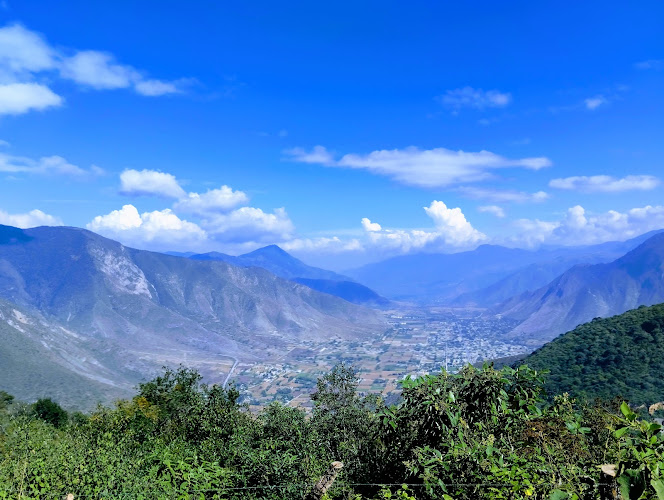
The Cañón del Río Blanco is the kind of place that doesn’t shout for attention. It just sits there, massive and quiet, letting the mountains and the river do the talking. Located in a rugged, forested zone of central Mexico, this protected area stretches across deep gorges, pine-covered slopes, and rocky viewpoints where the land drops away so suddenly it almost feels theatrical. And yes, on clear days, Pico de Orizaba shows up on the horizon like it owns the skyline. Hard to argue with that.

This canyon is shaped by the Río Blanco, a river that has been carving its way through volcanic rock for thousands of years. The result is a dramatic landscape: steep walls, cascades that appear after rainy afternoons, and shaded paths that smell like wet earth and resin. It’s classified as a national park, but it doesn’t feel manicured or precious. It feels real. Some parts are polished enough for family picnics, others feel raw and a little wild. That mix is what keeps travelers interested.

Travelers often come expecting a quick stop and end up staying half a day. The terrain invites wandering. One minute you’re under tall trees listening to birds, the next you’re standing at a lookout staring into a gorge that makes your stomach flip just a bit. And if you’re anything like this writer, you’ll try to photograph Pico de Orizaba about ten times, never quite satisfied, because the light keeps changing.

It’s also a place with personality. Some visitors adore it instantly. Others notice the rough edges: uneven paths, limited signage in spots, facilities that feel more functional than fancy. But that’s part of the deal. Cañón del Río Blanco isn’t trying to be a theme park. It’s a landscape first, an attraction second.

Key Features

  • Deep canyon carved by the Río Blanco, with steep rock walls and changing perspectives as you move through the park
  • Forested mountain terrain offering shade, fresh air, and that pine-and-soil smell hikers love
  • Scenic viewpoints with clear-day views toward Pico de Orizaba, the highest volcano in Mexico
  • Hiking trails ranging from short, kid-friendly walks to longer, more demanding paths
  • Designated picnic areas with tables, making it easy to spend several relaxed hours
  • Cycling lanes in certain sections, popular with local riders looking for elevation and quiet roads
  • Natural cascades that become more impressive during and after the rainy season
  • Family-focused amenities including playgrounds and swings, which feel refreshingly old-school
  • Dog-friendly atmosphere, with plenty of space for pets that handle outdoor terrain well
  • Public restrooms available, basic but useful when you’re traveling with kids or planning a long stay

Best Time to Visit

The best time to visit Cañón del Río Blanco depends on what you want out of the day. Most travelers prefer the dry season, roughly from November to April. During these months, trails are easier to navigate, views are clearer, and Pico de Orizaba is more likely to show its snowy peak. Mornings are especially good. The light hits the canyon walls at an angle that brings out all the texture in the rock. Plus, fewer people are around early, which matters if you like quiet.

The rainy season, typically May through October, changes the mood completely. The canyon turns greener, the river runs stronger, and small waterfalls pop up where there were none before. It’s beautiful, no question. But it can be slippery. And yes, mud happens. If you’re okay with that, and you bring proper shoes, this can be the most rewarding time to visit. This writer once visited after a heavy afternoon rain and ended up soaked, slightly annoyed, and completely impressed by how alive the place felt.

Weekends are busier, especially with local families. That’s not a bad thing, just something to know. If you want space to yourself, weekdays are calmer. Holidays can be crowded, noisy, and energetic, with music and kids running around picnic tables. Some travelers love that community feel. Others don’t. Know thyself, as they say.

How to Get There

Getting to Cañón del Río Blanco usually involves a mix of highway driving and smaller regional roads. Most travelers arrive by car, which offers the flexibility to explore different access points and viewpoints. The roads leading toward the canyon are generally paved, though conditions can vary depending on recent weather. It’s smart to drive carefully and not rush, especially on curves where fog sometimes rolls in without warning.

Public transportation can get you close, but not always directly to the most scenic areas. Buses and colectivos serve nearby towns, and from there it’s often a short taxi ride or a longer walk. If you enjoy figuring things out on the fly, this can be part of the adventure. If not, renting a car removes a lot of guesswork.

Once inside the area, moving around is straightforward. Paths are well-used, even if not perfectly marked. Asking locals or park staff for directions is normal and encouraged. People are generally helpful, and sometimes you’ll get bonus advice like which viewpoint is best before noon or where the shade lasts longest in the afternoon.

Tips for Visiting

First tip: wear good shoes. This sounds obvious, but it matters here. The ground can be uneven, rocky, or muddy depending on the season. Sneakers might survive, but hiking shoes will make your day easier. And happier feet mean a happier you.

Bring water and snacks, even if you plan to picnic. There are tables, yes, but services are limited. This isn’t a place where you stumble upon a café. That’s part of the charm, but it requires a little planning. Sunscreen is also a must, especially at viewpoints where there’s no shade and the altitude makes the sun feel stronger than expected.

If you’re visiting with kids, stick to the shorter trails and make use of the playground areas. The park is genuinely family-friendly, but supervision is important near steep drops. Dogs are allowed, which is great, but they should be leashed in busier sections. Not everyone loves an enthusiastic dog greeting them mid-hike.

Photography lovers should pack patience along with their cameras. Light changes fast in the canyon, and clouds around Pico de Orizaba have a mind of their own. Some of the best shots come after waiting, not rushing. This writer once sat on a rock for twenty minutes just to catch the volcano emerging from clouds. Worth it.

Lastly, manage expectations. Cañón del Río Blanco isn’t pristine in every corner. You might see worn infrastructure or hear distant traffic in some areas. But if you focus on the scale of the landscape, the sound of the river, and the feeling of standing somewhere shaped by time and water, it delivers. Travelers who come with curiosity instead of a checklist usually leave more satisfied.

For those planning a trip through central Mexico and craving a break from cities, this canyon offers a grounded, outdoorsy experience that feels honest. It rewards attention, patience, and a willingness to explore at your own pace. And that, frankly, is why many people keep coming back.

Key Features

  • Deep canyon carved by the Río Blanco, with steep rock walls and changing perspectives as you move through the park
  • Forested mountain terrain offering shade, fresh air, and that pine-and-soil smell hikers love
  • Scenic viewpoints with clear-day views toward Pico de Orizaba, the highest volcano in Mexico
  • Hiking trails ranging from short, kid-friendly walks to longer, more demanding paths
  • Designated picnic areas with tables, making it easy to spend several relaxed hours
  • Cycling lanes in certain sections, popular with local riders looking for elevation and quiet roads
  • Natural cascades that become more impressive during and after the rainy season
  • Family-focused amenities including playgrounds and swings, which feel refreshingly old-school

More Details

Updated December 31, 2025

Description

The Cañón del Río Blanco is the kind of place that doesn’t shout for attention. It just sits there, massive and quiet, letting the mountains and the river do the talking. Located in a rugged, forested zone of central Mexico, this protected area stretches across deep gorges, pine-covered slopes, and rocky viewpoints where the land drops away so suddenly it almost feels theatrical. And yes, on clear days, Pico de Orizaba shows up on the horizon like it owns the skyline. Hard to argue with that.

This canyon is shaped by the Río Blanco, a river that has been carving its way through volcanic rock for thousands of years. The result is a dramatic landscape: steep walls, cascades that appear after rainy afternoons, and shaded paths that smell like wet earth and resin. It’s classified as a national park, but it doesn’t feel manicured or precious. It feels real. Some parts are polished enough for family picnics, others feel raw and a little wild. That mix is what keeps travelers interested.

Travelers often come expecting a quick stop and end up staying half a day. The terrain invites wandering. One minute you’re under tall trees listening to birds, the next you’re standing at a lookout staring into a gorge that makes your stomach flip just a bit. And if you’re anything like this writer, you’ll try to photograph Pico de Orizaba about ten times, never quite satisfied, because the light keeps changing.

It’s also a place with personality. Some visitors adore it instantly. Others notice the rough edges: uneven paths, limited signage in spots, facilities that feel more functional than fancy. But that’s part of the deal. Cañón del Río Blanco isn’t trying to be a theme park. It’s a landscape first, an attraction second.

Key Features

  • Deep canyon carved by the Río Blanco, with steep rock walls and changing perspectives as you move through the park
  • Forested mountain terrain offering shade, fresh air, and that pine-and-soil smell hikers love
  • Scenic viewpoints with clear-day views toward Pico de Orizaba, the highest volcano in Mexico
  • Hiking trails ranging from short, kid-friendly walks to longer, more demanding paths
  • Designated picnic areas with tables, making it easy to spend several relaxed hours
  • Cycling lanes in certain sections, popular with local riders looking for elevation and quiet roads
  • Natural cascades that become more impressive during and after the rainy season
  • Family-focused amenities including playgrounds and swings, which feel refreshingly old-school
  • Dog-friendly atmosphere, with plenty of space for pets that handle outdoor terrain well
  • Public restrooms available, basic but useful when you’re traveling with kids or planning a long stay

Best Time to Visit

The best time to visit Cañón del Río Blanco depends on what you want out of the day. Most travelers prefer the dry season, roughly from November to April. During these months, trails are easier to navigate, views are clearer, and Pico de Orizaba is more likely to show its snowy peak. Mornings are especially good. The light hits the canyon walls at an angle that brings out all the texture in the rock. Plus, fewer people are around early, which matters if you like quiet.

The rainy season, typically May through October, changes the mood completely. The canyon turns greener, the river runs stronger, and small waterfalls pop up where there were none before. It’s beautiful, no question. But it can be slippery. And yes, mud happens. If you’re okay with that, and you bring proper shoes, this can be the most rewarding time to visit. This writer once visited after a heavy afternoon rain and ended up soaked, slightly annoyed, and completely impressed by how alive the place felt.

Weekends are busier, especially with local families. That’s not a bad thing, just something to know. If you want space to yourself, weekdays are calmer. Holidays can be crowded, noisy, and energetic, with music and kids running around picnic tables. Some travelers love that community feel. Others don’t. Know thyself, as they say.

How to Get There

Getting to Cañón del Río Blanco usually involves a mix of highway driving and smaller regional roads. Most travelers arrive by car, which offers the flexibility to explore different access points and viewpoints. The roads leading toward the canyon are generally paved, though conditions can vary depending on recent weather. It’s smart to drive carefully and not rush, especially on curves where fog sometimes rolls in without warning.

Public transportation can get you close, but not always directly to the most scenic areas. Buses and colectivos serve nearby towns, and from there it’s often a short taxi ride or a longer walk. If you enjoy figuring things out on the fly, this can be part of the adventure. If not, renting a car removes a lot of guesswork.

Once inside the area, moving around is straightforward. Paths are well-used, even if not perfectly marked. Asking locals or park staff for directions is normal and encouraged. People are generally helpful, and sometimes you’ll get bonus advice like which viewpoint is best before noon or where the shade lasts longest in the afternoon.

Tips for Visiting

First tip: wear good shoes. This sounds obvious, but it matters here. The ground can be uneven, rocky, or muddy depending on the season. Sneakers might survive, but hiking shoes will make your day easier. And happier feet mean a happier you.

Bring water and snacks, even if you plan to picnic. There are tables, yes, but services are limited. This isn’t a place where you stumble upon a café. That’s part of the charm, but it requires a little planning. Sunscreen is also a must, especially at viewpoints where there’s no shade and the altitude makes the sun feel stronger than expected.

If you’re visiting with kids, stick to the shorter trails and make use of the playground areas. The park is genuinely family-friendly, but supervision is important near steep drops. Dogs are allowed, which is great, but they should be leashed in busier sections. Not everyone loves an enthusiastic dog greeting them mid-hike.

Photography lovers should pack patience along with their cameras. Light changes fast in the canyon, and clouds around Pico de Orizaba have a mind of their own. Some of the best shots come after waiting, not rushing. This writer once sat on a rock for twenty minutes just to catch the volcano emerging from clouds. Worth it.

Lastly, manage expectations. Cañón del Río Blanco isn’t pristine in every corner. You might see worn infrastructure or hear distant traffic in some areas. But if you focus on the scale of the landscape, the sound of the river, and the feeling of standing somewhere shaped by time and water, it delivers. Travelers who come with curiosity instead of a checklist usually leave more satisfied.

For those planning a trip through central Mexico and craving a break from cities, this canyon offers a grounded, outdoorsy experience that feels honest. It rewards attention, patience, and a willingness to explore at your own pace. And that, frankly, is why many people keep coming back.

Key Highlights

  • Deep canyon carved by the Río Blanco, with steep rock walls and changing perspectives as you move through the park
  • Forested mountain terrain offering shade, fresh air, and that pine-and-soil smell hikers love
  • Scenic viewpoints with clear-day views toward Pico de Orizaba, the highest volcano in Mexico
  • Hiking trails ranging from short, kid-friendly walks to longer, more demanding paths
  • Designated picnic areas with tables, making it easy to spend several relaxed hours
  • Cycling lanes in certain sections, popular with local riders looking for elevation and quiet roads
  • Natural cascades that become more impressive during and after the rainy season
  • Family-focused amenities including playgrounds and swings, which feel refreshingly old-school

Location

Places to Stay Near Cañón del Río Blanco

Find and Book a Tour

Explore More Travel Guides

No reviews found! Be the first to review!

Traveler Reviews for Cañón del Río Blanco

There are no reviews yet. Be the first one to write one.

Share Your Experience

Have you visited Cañón del Río Blanco? Help other travelers by sharing your review.

Find Accommodations Nearby

Recommended Tours & Activities

Visitor Reviews

There are no reviews yet. Be the first one to write one.

Share Your Experience

Have you visited Cañón del Río Blanco? Help other travelers by leaving a review.