About Callejon de Rojas

Description

Callejon de Rojas stands as one of those historical gems that travelers stumble upon and end up remembering long after they've returned home. This narrow alleyway carries centuries of stories within its walls, offering visitors a genuine glimpse into the architectural and cultural heritage that shaped the region. Walking through this passage feels like stepping through a portal where time moves differently—where modern life hasn't quite managed to erase the character of what came before. The alley itself presents an intimate experience that larger landmarks simply can't replicate. You'll find yourself surrounded by weathered stone and aged facades that have witnessed generations of daily life unfold. There's something deeply personal about exploring spaces like this, where you can almost hear the echoes of conversations from decades past bouncing off the walls. I've always believed that the best travel experiences come from these smaller, less commercialized spots rather than the overcrowded tourist magnets everyone flocks to. What makes Callejon de Rojas particularly special is its authenticity. This isn't a reconstructed tourist attraction designed to look old—it's the real deal. The passage has maintained its original character through the years, and that rawness is exactly what draws people who appreciate genuine historical sites. Sure, it might not have all the fancy amenities or polished presentations you'd find at more developed attractions, but that's precisely the point. The lack of excessive tourism infrastructure actually enhances the experience rather than detracting from it. The alleyway serves as a quiet testament to architectural styles from another era. As you wander through, you'll notice details that modern construction simply doesn't bother with anymore—the way light filters through at certain angles, the subtle variations in stonework, the worn paths created by countless footsteps over time. These aren't things you can fake or recreate. They're earned through decades and centuries of existence.

Key Features

The distinct characteristics of Callejon de Rojas make it worth adding to any traveler's itinerary when exploring the area. Here's what stands out about this historical passageway:
  • Authentic historical architecture that hasn't been overly restored or modernized, maintaining its original charm and character
  • Narrow passage design typical of colonial-era urban planning, offering photographers excellent opportunities for dramatic shots with natural light and shadow play
  • Weathered stone walls and aged facades that tell visual stories of the past without needing explanatory plaques
  • Quieter atmosphere compared to major tourist attractions, allowing for more contemplative exploration and personal reflection
  • Accessible location that doesn't require extensive hiking or special transportation to reach
  • Compact size that makes it perfect for including in a larger walking tour of the surrounding historical district
  • Photogenic qualities that appeal to both amateur smartphone photographers and serious camera enthusiasts
  • Year-round accessibility without seasonal closures or restricted visiting hours
  • Free admission that makes it an economical addition to any travel budget
  • Opportunity to experience local ambiance away from crowds and commercial tourism operations

Best Time to Visit

Timing your visit to Callejon de Rojas can significantly impact your experience, though honestly, this spot doesn't get overwhelmed with tourists the way major attractions do. That's actually one of its strengths—you're unlikely to encounter those frustrating situations where you're fighting crowds for a decent photo or waiting in line just to walk through. Early morning visits offer something special. The light hits the alleyway differently in those first hours after sunrise, creating dramatic shadows and highlighting architectural details you might miss during midday's harsh overhead sun. And there's a peacefulness to exploring historical sites before the world fully wakes up. You'll likely have the space mostly to yourself, which lets you take your time and really absorb the atmosphere without feeling rushed. Late afternoon, particularly in the golden hour before sunset, provides another excellent window for visiting. The warm light does wonderful things for photography, and the temperature usually becomes more comfortable after the day's peak heat. I've found that these quieter times of day also tend to attract more locals going about their daily routines, which adds an authentic layer to the experience. Weekdays generally prove better than weekends if you're hoping to avoid whatever crowds do show up. Not that Callejon de Rojas gets mobbed on Saturdays and Sundays, but the difference is noticeable enough to mention. Tour groups, when they do come through, typically operate on weekday schedules anyway, so this isn't a hard rule. Weather considerations matter more for your comfort than for accessing the site. The alleyway remains accessible during rain, though wet stone can get slippery and photo opportunities diminish in overcast conditions. Summer months bring heat that gets trapped in narrow passages like this, making early morning or evening visits particularly advisable during those seasons. If you're visiting during local festivals or holidays, you might catch the alley decorated or being used for community celebrations. This can either enhance or detract from the historical atmosphere depending on what you're looking for. Some travelers love seeing how modern life still incorporates these old spaces, while others prefer the pure historical experience.

How to Get There

Reaching Callejon de Rojas doesn't require elaborate planning or special transportation arrangements, which honestly makes it a relief compared to some attractions that take half a day just to access. The alley's location within the historical district means it's walkable from many central accommodations and other nearby points of interest. Most visitors find walking to be the most practical approach. If you're staying anywhere in the historic center, you can likely reach the alley on foot within 15-20 minutes. This also lets you explore the surrounding neighborhoods and stumble upon other interesting spots along the way—some of the best travel discoveries happen during these wanderings rather than at planned destinations. For those staying further out, taxis or ride-sharing services offer convenient options. Just be aware that narrow streets in historical districts sometimes mean drivers can only get you to the general vicinity rather than directly to the entrance. That's fine though—the short walk from wherever they drop you off becomes part of the exploration. Public transportation works well if you're comfortable navigating local bus systems. Several routes service the historical district, and locals are usually happy to point you in the right direction if you're uncertain about which stop to use. Learning a few basic phrases in the local language goes a long way in these situations. Parking presents challenges if you're driving yourself, which is typical for old city centers that were designed centuries before automobiles existed. Street parking in the area is limited and often restricted. Your best bet involves finding a parking facility on the outskirts of the historical district and walking in. Some hotels offer parking arrangements that might be worth investigating if you're determined to have a car. One important note: the accessibility information indicates no wheelchair-accessible parking lot at this location. The historical nature of the site means it wasn't designed with modern accessibility standards in mind, and the narrow alley itself would present challenges for wheelchairs or mobility devices. This is unfortunate but honest information that travelers need when planning.

Tips for Visiting

Making the most of your time at Callejon de Rojas comes down to setting appropriate expectations and preparing for what this type of historical site offers. It's not Disneyland—there aren't gift shops or guided tours with audio equipment. And that's exactly what makes it worth visiting. Bring a decent camera or make sure your phone is charged. The alley provides excellent photographic opportunities, but lighting can be tricky with the narrow space and tall walls creating strong contrasts between light and shadow. If you're into photography, you might want to visit at different times of day to capture how dramatically the light changes the mood. Comfortable walking shoes are essential, though that should go without saying for any historical district exploration. The ground may be uneven, and you'll likely be doing more walking than you initially planned once you start discovering the surrounding area. Skip the fancy footwear and dress practically. Take your time. One mistake travelers make with smaller attractions is rushing through because they don't seem as "important" as major landmarks. But Callejon de Rojas deserves more than a quick glance and a hurried photo. Spend some time just standing there, looking at details, imagining the lives of people who walked this same path decades or centuries ago. That's where the real value lies. Research a bit about the historical context before visiting. Understanding what you're looking at enhances the experience significantly. Even basic knowledge about the period when the alley was built and the architectural style helps you appreciate what you're seeing rather than just thinking "old building." Combine your visit with exploration of the surrounding historical district. Callejon de Rojas works best as part of a larger walking tour rather than an isolated destination. The neighborhood contains other historical sites, local cafes, and shops that give you a fuller picture of the area's character. Respect the site and surrounding community. This is an actual historical landmark, not a theme park recreation. Don't touch or damage old walls, don't leave trash, and be mindful that locals may live and work in the immediate area. Photography is great, but be considerate about shooting if you notice residents going about their daily lives. Weather preparation matters since you'll be outside with limited shelter. Bring sun protection during warmer months—hat, sunscreen, water. In cooler or rainy seasons, appropriate layers and rain gear will make your visit more comfortable. The alley itself provides some shelter, but getting there and exploring the surroundings means exposure to the elements. Go without massive expectations. Some travelers visit based on photos or descriptions and feel disappointed when they find a relatively simple historical alley rather than something more elaborate. If you approach Callejon de Rojas appreciating it for what it actually is—an authentic piece of architectural history—you'll enjoy it much more than if you're expecting something it's not meant to be. Consider visiting with a local guide or knowledgeable friend if possible. While the site is perfectly enjoyable on your own, having someone who knows the history and can point out details you'd otherwise miss adds significant value. Just avoid those large commercial tour groups that rush through—look for smaller, more personalized guide services instead.
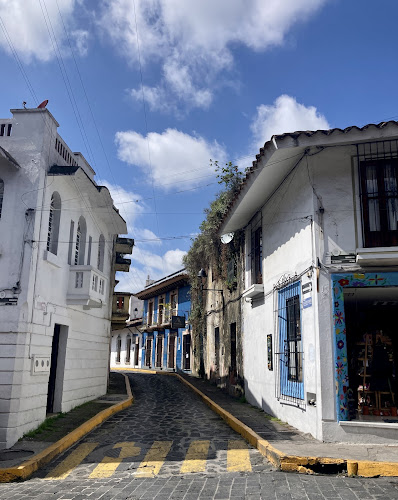

Key Features

  • Historic cobblestone paving restored in the 20th century
  • Narrow colonial-era alley layout with traditional façades
  • Located in Xalapa’s central historic district near municipal buildings
  • Photogenic intimate streetscape ideal for walking and photography
  • Strong sense of local, lived-in authenticity rather than tourist commercialization

More Details

Updated January 5, 2026

Description

Callejon de Rojas stands as one of those historical gems that travelers stumble upon and end up remembering long after they’ve returned home. This narrow alleyway carries centuries of stories within its walls, offering visitors a genuine glimpse into the architectural and cultural heritage that shaped the region. Walking through this passage feels like stepping through a portal where time moves differently—where modern life hasn’t quite managed to erase the character of what came before.

The alley itself presents an intimate experience that larger landmarks simply can’t replicate. You’ll find yourself surrounded by weathered stone and aged facades that have witnessed generations of daily life unfold. There’s something deeply personal about exploring spaces like this, where you can almost hear the echoes of conversations from decades past bouncing off the walls. I’ve always believed that the best travel experiences come from these smaller, less commercialized spots rather than the overcrowded tourist magnets everyone flocks to.

What makes Callejon de Rojas particularly special is its authenticity. This isn’t a reconstructed tourist attraction designed to look old—it’s the real deal. The passage has maintained its original character through the years, and that rawness is exactly what draws people who appreciate genuine historical sites. Sure, it might not have all the fancy amenities or polished presentations you’d find at more developed attractions, but that’s precisely the point. The lack of excessive tourism infrastructure actually enhances the experience rather than detracting from it.

The alleyway serves as a quiet testament to architectural styles from another era. As you wander through, you’ll notice details that modern construction simply doesn’t bother with anymore—the way light filters through at certain angles, the subtle variations in stonework, the worn paths created by countless footsteps over time. These aren’t things you can fake or recreate. They’re earned through decades and centuries of existence.

Key Features

The distinct characteristics of Callejon de Rojas make it worth adding to any traveler’s itinerary when exploring the area. Here’s what stands out about this historical passageway:

  • Authentic historical architecture that hasn’t been overly restored or modernized, maintaining its original charm and character
  • Narrow passage design typical of colonial-era urban planning, offering photographers excellent opportunities for dramatic shots with natural light and shadow play
  • Weathered stone walls and aged facades that tell visual stories of the past without needing explanatory plaques
  • Quieter atmosphere compared to major tourist attractions, allowing for more contemplative exploration and personal reflection
  • Accessible location that doesn’t require extensive hiking or special transportation to reach
  • Compact size that makes it perfect for including in a larger walking tour of the surrounding historical district
  • Photogenic qualities that appeal to both amateur smartphone photographers and serious camera enthusiasts
  • Year-round accessibility without seasonal closures or restricted visiting hours
  • Free admission that makes it an economical addition to any travel budget
  • Opportunity to experience local ambiance away from crowds and commercial tourism operations

Best Time to Visit

Timing your visit to Callejon de Rojas can significantly impact your experience, though honestly, this spot doesn’t get overwhelmed with tourists the way major attractions do. That’s actually one of its strengths—you’re unlikely to encounter those frustrating situations where you’re fighting crowds for a decent photo or waiting in line just to walk through.

Early morning visits offer something special. The light hits the alleyway differently in those first hours after sunrise, creating dramatic shadows and highlighting architectural details you might miss during midday’s harsh overhead sun. And there’s a peacefulness to exploring historical sites before the world fully wakes up. You’ll likely have the space mostly to yourself, which lets you take your time and really absorb the atmosphere without feeling rushed.

Late afternoon, particularly in the golden hour before sunset, provides another excellent window for visiting. The warm light does wonderful things for photography, and the temperature usually becomes more comfortable after the day’s peak heat. I’ve found that these quieter times of day also tend to attract more locals going about their daily routines, which adds an authentic layer to the experience.

Weekdays generally prove better than weekends if you’re hoping to avoid whatever crowds do show up. Not that Callejon de Rojas gets mobbed on Saturdays and Sundays, but the difference is noticeable enough to mention. Tour groups, when they do come through, typically operate on weekday schedules anyway, so this isn’t a hard rule.

Weather considerations matter more for your comfort than for accessing the site. The alleyway remains accessible during rain, though wet stone can get slippery and photo opportunities diminish in overcast conditions. Summer months bring heat that gets trapped in narrow passages like this, making early morning or evening visits particularly advisable during those seasons.

If you’re visiting during local festivals or holidays, you might catch the alley decorated or being used for community celebrations. This can either enhance or detract from the historical atmosphere depending on what you’re looking for. Some travelers love seeing how modern life still incorporates these old spaces, while others prefer the pure historical experience.

How to Get There

Reaching Callejon de Rojas doesn’t require elaborate planning or special transportation arrangements, which honestly makes it a relief compared to some attractions that take half a day just to access. The alley’s location within the historical district means it’s walkable from many central accommodations and other nearby points of interest.

Most visitors find walking to be the most practical approach. If you’re staying anywhere in the historic center, you can likely reach the alley on foot within 15-20 minutes. This also lets you explore the surrounding neighborhoods and stumble upon other interesting spots along the way—some of the best travel discoveries happen during these wanderings rather than at planned destinations.

For those staying further out, taxis or ride-sharing services offer convenient options. Just be aware that narrow streets in historical districts sometimes mean drivers can only get you to the general vicinity rather than directly to the entrance. That’s fine though—the short walk from wherever they drop you off becomes part of the exploration.

Public transportation works well if you’re comfortable navigating local bus systems. Several routes service the historical district, and locals are usually happy to point you in the right direction if you’re uncertain about which stop to use. Learning a few basic phrases in the local language goes a long way in these situations.

Parking presents challenges if you’re driving yourself, which is typical for old city centers that were designed centuries before automobiles existed. Street parking in the area is limited and often restricted. Your best bet involves finding a parking facility on the outskirts of the historical district and walking in. Some hotels offer parking arrangements that might be worth investigating if you’re determined to have a car.

One important note: the accessibility information indicates no wheelchair-accessible parking lot at this location. The historical nature of the site means it wasn’t designed with modern accessibility standards in mind, and the narrow alley itself would present challenges for wheelchairs or mobility devices. This is unfortunate but honest information that travelers need when planning.

Tips for Visiting

Making the most of your time at Callejon de Rojas comes down to setting appropriate expectations and preparing for what this type of historical site offers. It’s not Disneyland—there aren’t gift shops or guided tours with audio equipment. And that’s exactly what makes it worth visiting.

Bring a decent camera or make sure your phone is charged. The alley provides excellent photographic opportunities, but lighting can be tricky with the narrow space and tall walls creating strong contrasts between light and shadow. If you’re into photography, you might want to visit at different times of day to capture how dramatically the light changes the mood.

Comfortable walking shoes are essential, though that should go without saying for any historical district exploration. The ground may be uneven, and you’ll likely be doing more walking than you initially planned once you start discovering the surrounding area. Skip the fancy footwear and dress practically.

Take your time. One mistake travelers make with smaller attractions is rushing through because they don’t seem as “important” as major landmarks. But Callejon de Rojas deserves more than a quick glance and a hurried photo. Spend some time just standing there, looking at details, imagining the lives of people who walked this same path decades or centuries ago. That’s where the real value lies.

Research a bit about the historical context before visiting. Understanding what you’re looking at enhances the experience significantly. Even basic knowledge about the period when the alley was built and the architectural style helps you appreciate what you’re seeing rather than just thinking “old building.”

Combine your visit with exploration of the surrounding historical district. Callejon de Rojas works best as part of a larger walking tour rather than an isolated destination. The neighborhood contains other historical sites, local cafes, and shops that give you a fuller picture of the area’s character.

Respect the site and surrounding community. This is an actual historical landmark, not a theme park recreation. Don’t touch or damage old walls, don’t leave trash, and be mindful that locals may live and work in the immediate area. Photography is great, but be considerate about shooting if you notice residents going about their daily lives.

Weather preparation matters since you’ll be outside with limited shelter. Bring sun protection during warmer months—hat, sunscreen, water. In cooler or rainy seasons, appropriate layers and rain gear will make your visit more comfortable. The alley itself provides some shelter, but getting there and exploring the surroundings means exposure to the elements.

Go without massive expectations. Some travelers visit based on photos or descriptions and feel disappointed when they find a relatively simple historical alley rather than something more elaborate. If you approach Callejon de Rojas appreciating it for what it actually is—an authentic piece of architectural history—you’ll enjoy it much more than if you’re expecting something it’s not meant to be.

Consider visiting with a local guide or knowledgeable friend if possible. While the site is perfectly enjoyable on your own, having someone who knows the history and can point out details you’d otherwise miss adds significant value. Just avoid those large commercial tour groups that rush through—look for smaller, more personalized guide services instead.

Key Highlights

  • Historic cobblestone paving restored in the 20th century
  • Narrow colonial-era alley layout with traditional façades
  • Located in Xalapa’s central historic district near municipal buildings
  • Photogenic intimate streetscape ideal for walking and photography
  • Strong sense of local, lived-in authenticity rather than tourist commercialization

Location

Places to Stay Near Callejon de Rojas

Find and Book a Tour

Explore More Travel Guides

No reviews found! Be the first to review!

Traveler Reviews for Callejon de Rojas

There are no reviews yet. Be the first one to write one.

Share Your Experience

Have you visited Callejon de Rojas? Help other travelers by sharing your review.

Nearby Attractions

Palacio Municipal (Xalapa city hall) / Plaza Sebastián Lerdo de Tejada Museo de Antropología de Xalapa (short walk or short taxi away) Café and cultural spots along Calle Enríquez and surrounding streets

Find Accommodations Nearby

Recommended Tours & Activities

Visitor Reviews

There are no reviews yet. Be the first one to write one.

Share Your Experience

Have you visited Callejon de Rojas? Help other travelers by leaving a review.