
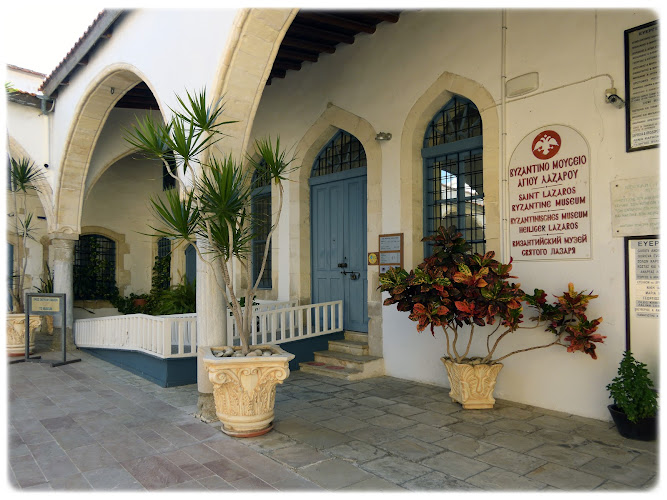
Byzantine Museum of Saint Lazarus
About Byzantine Museum of Saint Lazarus
If you’re the type who appreciates diving into history with a touch of mystery, the Byzantine Museum of Saint Lazarus is definitely one to bookmark. Situated in Larnaca, this museum is a bit of a hidden gem that gives you a genuine peek into Cyprus’s Byzantine past without drowning you in a sea of artifacts that can sometimes feel overwhelming. The place honors Saint Lazarus, the biblical figure who, according to tradition, was resurrected by Jesus and who later became the first bishop of Kition, the ancient name for Larnaca. So yeah, it’s got some real spiritual weight and historical depth tied into it.
The museum occupies a charming old building, thoughtfully designed to showcase a stunning collection of religious icons, manuscripts, and artefacts dating from the 9th century onward. What really got me was how peacefully you can wander through the exhibits — it’s not all flashy and hi-tech, but that honestly adds to the vibe, making the experience feel intimate and contemplative. While it’s primarily religious art, the craftsmanship and the stories hanging in every corner tell you more about the intricate cultural mashup Cyprus has lived through over the centuries.
One thing I appreciated (and you might too) is that it’s pretty accessible for everyone, including wheelchair users — a considerate detail you don’t always find in historic museums. If you’re traveling with kids, it’s surprisingly family-friendly, which might throw off some people expecting it to be a bore for the little ones. But the visual allure and the dramatic history can actually spark curiosity even among younger visitors.
Now, the museum doesn’t have a restaurant or café inside — so plan accordingly if you think you’ll want a snack break or a place to chill after soaking up history. But the surrounding neighborhood offers plenty of cafes and eateries, so this isn’t a huge downside, just something to keep in mind.
Alright, here’s a fair heads up: a few visitors felt the museum could use a bit more interactive elements or detailed explanations in multiple languages, so if you’re a history buff hungry for in-depth info, you might wish for some extra layers. Still, the sheer authenticity and atmosphere more than make up for that, in my books.
Bottom line? If you’re passionate about Byzantine art, religious history, or just enjoy museums that take a calm, unpretentious approach to storytelling, the Byzantine Museum of Saint Lazarus should be on your radar when exploring Larnaca. It’s the kind of place that rewards patience and genuine interest rather than loud crowds or flashy gimmicks.
Key Features
- Extensive collection of Byzantine icons and religious artefacts, some dating back to the 9th century
- Thematic exhibits that explore the life and legacy of Saint Lazarus and his importance to Larnaca
- Wheelchair accessible entrance, making it easy for visitors with mobility challenges
- Family-friendly environment, suitable for kids who are curious about cultural history
- Located within a historic building that itself feels like stepping back in time
- Quiet and contemplative atmosphere that allows for a personal and immersive visit
- Surrounded by local cafés and spots where you can relax after your visit
- Expertly maintained artifacts that show the delicate artistry of Byzantine craftsmen
- No on-site restaurant or café, encouraging visitors to explore the wider neighborhood for food and drinks
Best Time to Visit
Here’s a bit of insider advice — if you want to avoid the sweaty crowds that can sometimes ruin a museum visit, steer clear of peak summer months in Cyprus. The museum is charming year-round, but I found late autumn through early spring to be especially pleasant. The temperatures are milder, and the light in Larnaca during these months somehow makes the exhibits even more absorbing — maybe it’s just me, but there’s something about cooler weather and soft sunshine that pairs perfectly with the old-world art here.
Weekdays, especially in the morning, tend to be quieter. That’s when you’ll really get the space to yourself and avoid the handful of tourist groups who might breeze through faster than you’d like. If you’re the type who enjoys taking notes, snapping photos (where allowed), or just soaking it all in at your own pace, those less busy times are golden.
Big holidays or local festivals can bump the numbers up, which is fun if you want to feel the city buzz but less so if you’re here for a focused museum experience. Also, since there’s no café inside, planning your visit when you’re not starving is just smart.
How to Get There
Getting to the Byzantine Museum of Saint Lazarus is pretty straightforward once you’re in Larnaca. Depending on where you’re coming from, I’d suggest hopping into a local taxi or catching a bus if you’re budget-conscious — Cyprus isn’t huge, but the bus routes can be a bit patchy if you’re on a tight schedule.
If you’re staying near Larnaca’s city center or the famous Finikoudes promenade, it’s an easy stroll that also lets you soak up the city’s atmosphere before hitting the museum. Trust me, walking through the streets lined with palm trees and old Neoclassical buildings feels like a mini-tour in itself.
For drivers, public parking can get limited, especially in peak tourist season, so arriving early or considering valet options in nearby hotels might save you some headache.
And if you’re staying further out, using a rideshare app or arranging hotel transfers can be your best bet — they’re generally affordable and save loads of time.
Tips for Visiting
Alright, here’s where I get a bit more personal with you. When I visited, I wish someone had told me a few little nuggets to make the experience smoother.
First off — don’t underestimate the power of taking your time. This museum isn’t a place to rush. Grab a map or brochure when you enter (they usually have them), and don’t be shy about reading the plaques slowly — there’s some unexpected lore that you’ll miss out on if you jet through.
If you’re not fluent in Greek, and you want a bit more context, consider hiring a local guide or joining a small tour. It adds layers to the story that you just won’t get from the basic descriptions. Plus, the guides tend to spill some of those ‘off the record’ tales that make the museum stick with you longer after you leave.
Bring a camera or your phone, but check rules about photography first. I found that some areas welcome photos without flash, which is perfect because Byzantine art deserves to be captured, if only to remind yourself of the detail and color when staring at the next Instagram scroll.
Kids can get restless, obviously, but the museum’s peaceful courtyard outside is a lifesaver for a quick breath of fresh air when little legs get tired.
Oh! And since there’s no café inside, pack a water bottle if you visit during warmer months. Staying hydrated while your brain soaks up a few centuries’ worth of culture is no joke!
Last but not least, wear comfortable shoes. The museum isn’t a huge place, but wandering through ancient buildings demands a bit of foot-friendly gear. Trust me, those cobbled streets and tiled floors can surprise you.
So yeah, the Byzantine Museum of Saint Lazarus isn’t just a stop on your trip — it can actually turn into a small adventure if you go in with curiosity and patience. You’ll come away with a richer appreciation for Cyprus’s tangled but fascinating history, and maybe a story or two to tell over dinner.
Happy exploring!
Key Features
- Extensive collection of Byzantine icons and religious artefacts, some dating back to the 9th century
- Thematic exhibits that explore the life and legacy of Saint Lazarus and his importance to Larnaca
- Wheelchair accessible entrance, making it easy for visitors with mobility challenges
- Family-friendly environment, suitable for kids who are curious about cultural history
- Located within a historic building that itself feels like stepping back in time
- Quiet and contemplative atmosphere that allows for a personal and immersive visit
- Surrounded by local cafés and spots where you can relax after your visit
- Expertly maintained artifacts that show the delicate artistry of Byzantine craftsmen
You Might Also Like

A. G. Leventis Gallery

Acropolis Park
Ağa Cafer Pasha Mosque
Tours & Activities
GetYourGuide provides this tour inventory. We may earn a commission if you book through it; verify current availability, prices, and terms with the provider.
Visitor Reviews
There are no reviews yet. Be the first one to write one.
Share Your Experience
Have you visited Byzantine Museum of Saint Lazarus? Help other travelers by leaving a review.