
Buenos Aires Province
About Buenos Aires Province
Description
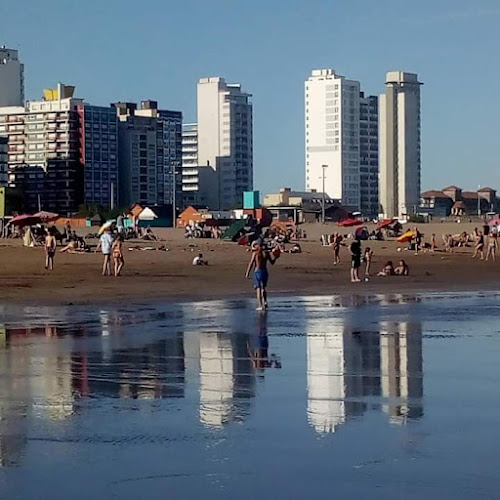
Buenos Aires Province is one of those places that kind of sneaks up on you. It’s not just the largest and most populated province in Argentina—it’s the heartbeat that keeps the country’s rhythm alive. Stretching from the Atlantic coast to the rolling pampas, it’s a region that feels both timeless and modern, where gaucho traditions meet seaside towns and sprawling farmland. And honestly, it’s hard not to fall a little bit in love with its contrasts.
I still remember my first road trip through the province—long, straight highways lined with golden fields, the smell of asado drifting from roadside parrillas, and that endless sky that seems to go on forever. You get a sense that life here moves differently, slower maybe, but with a kind of quiet confidence. The locals are proud of their roots, and they’ll tell you stories about the land that make you see it through their eyes. It’s not flashy, but it’s deeply authentic.
Buenos Aires Province surrounds the autonomous city of Buenos Aires, yet it’s a world apart. While the capital buzzes with energy, the province offers space, openness, and a raw beauty that feels deeply Argentine. From the beaches of Mar del Plata to the colonial charm of San Antonio de Areco, every corner has its own personality. The province is also an agricultural powerhouse, producing much of the nation’s wheat, beef, and dairy. But beyond that, it’s a cultural mosaic—where tango, folklore, and football coexist naturally.
Key Features
- Diverse Landscapes: From sandy Atlantic beaches to fertile pampas and tranquil lagoons, the province offers an incredible variety of scenery.
- Rich Cultural Heritage: Deeply tied to the gaucho culture, visitors can explore estancias (ranches) and experience traditional Argentine hospitality.
- Historic Towns: Places like Luján, Chascomús, and San Antonio de Areco preserve colonial architecture and local crafts.
- Coastal Escapes: Mar del Plata, Pinamar, and Villa Gesell are popular seaside destinations offering sun, surf, and seafood.
- Wine and Gastronomy: Local wineries and countryside restaurants serve up some of the best malbecs and grass-fed beef you’ll ever taste.
- Festivals and Traditions: Annual celebrations like the Fiesta de la Tradición in San Antonio de Areco bring folklore, music, and dance to life.
- Easy Access to Nature: Birdwatching in Laguna de Lobos, horseback riding across the pampas, or fishing in the Río de la Plata—there’s plenty for outdoor lovers.
Best Time to Visit
Honestly, there’s no bad time to visit Buenos Aires Province—it just depends on what kind of traveler you are. Summer (December to February) brings warm temperatures and lively beach towns, though it can get crowded along the coast. If you prefer mild weather, spring (September to November) and autumn (March to May) are ideal. The fields turn green, the flowers bloom, and the air feels fresh and full of possibility. Winter (June to August) is quieter, perfect for exploring inland towns without the tourist rush.
I personally love visiting in late spring. The jacaranda trees burst into purple bloom, and there’s this subtle buzz in the air as locals prepare for summer. You can enjoy outdoor festivals, long lunches under the sun, and that unmistakable Argentine sense of joy that seems to come alive with the warmer weather.
How to Get There
Getting to Buenos Aires Province is pretty straightforward. Most travelers start from Buenos Aires city, which connects to the province by highways and regional trains. From the city, you can rent a car and head out on the open road—trust me, it’s worth it. The drive itself is part of the adventure. Routes like RN2 take you straight to the coast, while RN5 and RN7 lead inland toward the heart of the pampas.
If you’re not into driving, there are comfortable long-distance buses that connect major towns like Mar del Plata, Tandil, Bahía Blanca, and San Nicolás. Domestic flights also operate to larger cities within the province, though honestly, the distances aren’t too bad by car. It’s one of those places where the journey feels as meaningful as the destination.
Tips for Visiting
First off, give yourself time. Buenos Aires Province isn’t a place to rush through—it rewards slow travel. Spend a few days in a coastal town, then head inland to experience the countryside. If you can, stay at an estancia for a night or two. Waking up to the sound of horses and the smell of mate brewing nearby is something you won’t forget.
Here are a few practical tips I’ve picked up along the way:
- Learn a few Spanish phrases. Most locals speak some English, but they’ll appreciate your effort—and you’ll get a warmer welcome.
- Try the local food. Don’t just stick to steak (though it’s incredible). Sample empanadas, milanesas, and dulce de leche desserts. And if someone offers you mate, say yes—it’s a social ritual here.
- Bring cash. Smaller towns sometimes prefer cash over cards, especially at local markets or roadside shops.
- Pack for variety. Weather can shift quickly depending on where you are. Bring layers, sunscreen, and a light jacket, even in summer.
- Engage with locals. People here are friendly and love to share stories about their towns. You’ll learn more from a conversation at a café than from any guidebook.
- Respect local customs. Especially in rural areas, traditions run deep—so take time to observe and appreciate them.
And one last thing—don’t underestimate how big the province is. You might think you can see it all in a few days, but distances can be deceiving. Plan your route with care, and allow room for detours. Some of my best memories came from unplanned stops—a small bakery in Dolores, a roadside antique shop near Chascomús, or a quiet sunset over the pampas. Those are the moments that stick with you.
Buenos Aires Province isn’t just a destination—it’s a feeling. It’s the warmth of a shared meal, the rhythm of folk music drifting from a plaza, the endless horizon that makes you feel both small and free. For travelers looking to experience the real Argentina, beyond the city lights, this province offers a genuine connection to the land and its people. And if you let it, it just might change the way you see travel altogether.
Key Features
- Key Features
- Best Time to Visit
- How to Get There
- Tips for Visiting
More Details
Updated November 9, 2025
Table of Contents Buenos Aires Province is one of those places that kind of sneaks up on you. It’s not just the largest and most populated province in Argentina—it’s the heartbeat that keeps the country’s rhythm alive. Stretching from the Atlantic coast to the rolling pampas, it’s a region that feels both timeless and modern, where gaucho traditions meet seaside towns and sprawling farmland. And honestly, it’s hard not to fall a little bit in love with its contrasts. I still remember my first road trip through the province—long, straight highways lined with golden fields, the smell of asado drifting from roadside parrillas, and that endless sky that seems to go on forever. You get a sense that life here moves differently, slower maybe, but with a kind of quiet confidence. The locals are proud of their roots, and they’ll tell you stories about the land that make you see it through their eyes. It’s not flashy, but it’s deeply authentic. Buenos Aires Province surrounds the autonomous city of Buenos Aires, yet it’s a world apart. While the capital buzzes with energy, the province offers space, openness, and a raw beauty that feels deeply Argentine. From the beaches of Mar del Plata to the colonial charm of San Antonio de Areco, every corner has its own personality. The province is also an agricultural powerhouse, producing much of the nation’s wheat, beef, and dairy. But beyond that, it’s a cultural mosaic—where tango, folklore, and football coexist naturally. Honestly, there’s no bad time to visit Buenos Aires Province—it just depends on what kind of traveler you are. Summer (December to February) brings warm temperatures and lively beach towns, though it can get crowded along the coast. If you prefer mild weather, spring (September to November) and autumn (March to May) are ideal. The fields turn green, the flowers bloom, and the air feels fresh and full of possibility. Winter (June to August) is quieter, perfect for exploring inland towns without the tourist rush. I personally love visiting in late spring. The jacaranda trees burst into purple bloom, and there’s this subtle buzz in the air as locals prepare for summer. You can enjoy outdoor festivals, long lunches under the sun, and that unmistakable Argentine sense of joy that seems to come alive with the warmer weather. Getting to Buenos Aires Province is pretty straightforward. Most travelers start from Buenos Aires city, which connects to the province by highways and regional trains. From the city, you can rent a car and head out on the open road—trust me, it’s worth it. The drive itself is part of the adventure. Routes like RN2 take you straight to the coast, while RN5 and RN7 lead inland toward the heart of the pampas. If you’re not into driving, there are comfortable long-distance buses that connect major towns like Mar del Plata, Tandil, Bahía Blanca, and San Nicolás. Domestic flights also operate to larger cities within the province, though honestly, the distances aren’t too bad by car. It’s one of those places where the journey feels as meaningful as the destination. First off, give yourself time. Buenos Aires Province isn’t a place to rush through—it rewards slow travel. Spend a few days in a coastal town, then head inland to experience the countryside. If you can, stay at an estancia for a night or two. Waking up to the sound of horses and the smell of mate brewing nearby is something you won’t forget. Here are a few practical tips I’ve picked up along the way: And one last thing—don’t underestimate how big the province is. You might think you can see it all in a few days, but distances can be deceiving. Plan your route with care, and allow room for detours. Some of my best memories came from unplanned stops—a small bakery in Dolores, a roadside antique shop near Chascomús, or a quiet sunset over the pampas. Those are the moments that stick with you. Buenos Aires Province isn’t just a destination—it’s a feeling. It’s the warmth of a shared meal, the rhythm of folk music drifting from a plaza, the endless horizon that makes you feel both small and free. For travelers looking to experience the real Argentina, beyond the city lights, this province offers a genuine connection to the land and its people. And if you let it, it just might change the way you see travel altogether.Description
Key Features
Best Time to Visit
How to Get There
Tips for Visiting
Key Highlights
- Key Features
- Best Time to Visit
- How to Get There
- Tips for Visiting
Location
Places to Stay Near Buenos Aires Province
Find and Book a Tour
Explore More Travel Guides
No reviews found! Be the first to review!
Traveler Reviews for Buenos Aires Province
There are no reviews yet. Be the first one to write one.
Have you visited Buenos Aires Province? Help other travelers by sharing your review.
You Might Also Like
Parque Nacional Monte León

Playa Granzon, Comodoro Rivadavia, Chubut

Circuito Inferior
Find Accommodations Nearby
Recommended Tours & Activities
Visitor Reviews
There are no reviews yet. Be the first one to write one.
Share Your Experience
Have you visited Buenos Aires Province? Help other travelers by leaving a review.