
Bud Bongao Registration Area
About Bud Bongao Registration Area
Key Features
- Official check-in/permit booth that manages access to Bud Bongao trails
- Information and orientation about cultural significance and trail etiquette
- Trailhead access to marked paths leading to Bud Bongao summit
- Local stewards or guides available for hire and community-run stewardship
- Signage and basic visitor amenities near the trail entrance
More Details
Updated April 16, 2024
## Bud Bongao Registration Area: How the “Small” Gate Shapes Your Entire Hike
Most people dream about the view from Bud Bongao’s summit. What actually shapes your experience, though, is the first stop: the Bud Bongao Registration Area at the foot of the mountain in Bongao, Tawi-Tawi.
This modest-looking park entry point is where safety, conservation, and culture all intersect. Understanding what happens here will make your hike smoother, more respectful, and far more interesting.
—
## Where Exactly Is the Bud Bongao Registration Area?
The Bud Bongao Registration Area sits at the official jump-off for Bud Bongao Eco-Tourism Park, along Bud Bongao Trail in Bongao town, Tawi-Tawi, southern Philippines (plus code 2P6W+5FJ). It’s effectively the gateway into a 250-hectare protected forest park that covers one of the last remaining moist forests in the Sulu Archipelago.
From town or the airport, visitors typically arrive by tricycle:
– From Sanga-Sanga Airport to the base – Recent trip reports mention tricycle rides taking about 10–15 minutes, with fares commonly negotiated in the PHP 100–150 one-way range from the airport, or around PHP 50–80 for short rides within town, depending on distance and haggling. Tourist Gaze
– Chartered round-trip – Some travelers and trek guides report paying about PHP 300 for a round-trip tricycle charter from downtown Bongao to Bud Bongao, as of early 2025.
Fares in Bongao aren’t strictly metered and can change, so treat these numbers as recent examples, not fixed rules. Ask drivers about the rate before hopping in, and be ready with small bills.
—
## What Actually Happens at the Registration Area?
Once you arrive at the base, you’ll see the entrance signage for Bud Bongao / Bud Bongao Forest Park and a small registration set-up: typically a booth or desk where staff handle the paperwork and brief visitors. Photos and guides describe the process roughly as follows: Beach Guide
1. Sign the logbook
Every visitor writes their name and basic details in a logbook. This is partly for safety (headcount on the trail) and partly for park statistics and conservation reporting.
2. Pay the entrance / environmental fee
– Older reports (around 2022) cite a PHP 20 registration fee.
– A 2025 tourism article notes that the fee was previously PHP 20, but more recent checks suggested an increase to PHP 50, specifically listed as an entrance fee for non-Bongao residents at Bud Bongao Eco-Tourism Park. Beach Guide
Important: fee levels have clearly changed over time and may change again. Recent sources openly invite readers to report updates, which is a strong signal that rates are not static. Beach Guide
Practical move: bring at least PHP 100 in small bills per person to comfortably cover entrance and any small add-ons.
3. Bag and waste check
Staff typically inspect what you’re bringing in. Some guides mention that visitors must declare disposable items (like plastic bottles and packaging) and are required to carry all of them back down after the hike.
This isn’t just bureaucracy: Bud Bongao’s forest and wildlife – especially the troops of monkeys along the trail – are vulnerable to litter and food waste.
4. Briefing on rules and beliefs
Staff often remind hikers about:
– No littering and no leaving offerings that become trash.
– Respect for tampat – small burial shrines wrapped in white cloth along the trail that are sacred to the local Sama Dilaut and other Muslim communities. Beach Guide
– Appropriate behavior when encountering groups at prayer or ritual stops.
5. Ribbon for wish-making
One widely reported ritual: staff hand out a colored ribbon that you tie to designated spots near the summit while making a wish. Many locals believe Bud Bongao has healing properties and that wishes made here may be granted. Beach Guide
This mix of admin, etiquette, and ritual is why the registration area is more than “just a ticket counter.”
—
## Opening Hours, Fees & Why You Should Double-Check On Arrival
Because information has evolved quickly in the last few years, it’s crucial to distinguish “as-reported” data from hard guarantees.
Recent sources give the following picture:
– Park opening hours
– A budget Tawi-Tawi guide notes that Bud Bongao is open from 6:00 a.m. to 3:00 p.m. for visitors.
– Another 2025 article, quoting information for Bud Bongao Eco-Tourism Park, lists daily opening hours as 6:00 a.m. – 3:00 p.m., with the Bud Bongao Registration Area in Barangay Simandagit as the official jump-off. Beach Guide
– Registration window
One trek account mentions that the registration itself is open only from around 6:00–8:00 a.m., and that hikers planning an afternoon trek should already be registered from the morning. Tourist Gaze
– Entrance / environmental fee
– Around 2022: multiple accounts mention paying PHP 20 at the base.
– As of early 2025: at least one up-to-date tourism piece cites PHP 50 for non-Bongao residents, explicitly under “Bud Bongao Eco-Tourism Park” details. Beach Guide
– Another 2025 blog still quoted PHP 20 in May 2025, suggesting either lagging updates or variations in how the fee is described (registration vs. environmental fee). Tourist Gaze
What you can safely assume now
– There is a required registration and fee at the Bud Bongao Registration Area.
– The fee has historically been low (tens of pesos) but has shown recent upward adjustments.
– Exact rates and any resident vs. non-resident differences can and do change; local government and tourism office announcements should be treated as the latest authority.
For a current trip, the safest approach is to:
1. Ask your hotel or tour operator the latest reported fee just before you go.
2. Bring extra small bills so any change in rates doesn’t derail your morning.
—
## The Hike That Starts Here: What to Expect After You Register
Once you step past the registration area, you’re committing to a relatively short but steady climb up one of the Philippines’ most culturally significant small peaks.
Key, well-documented details:
– Elevation & structure
Bud Bongao (Mount Bongao) rises to around 342 meters above sea level and is formed by six limestone pillars that create six distinct peaks.
– Trail
The route from the base to the main viewpoints is largely concrete steps and paths, not a wild jungle scramble, making it accessible to many first-time hikers. Beach Guide
– Number of steps
A mapping expedition by Ervin Malicdem of Schadow1 Expeditions recorded 3,608 steps from jump-off to summit – a fact echoed in tourism write-ups about Bud Bongao. Beach Guide
– Time needed
Most travelers report about an hour or so to reach the top with photo stops and monkey encounters, and roughly 15–30 minutes to descend depending on pace. in the Great Beyond
### Practical gear tips that matter right from the registration area
Because staff check your bags and note disposable items, it’s smart to pack with that in mind:
– Hydration & containers
– Bring at least 1–2 liters of water in reusable bottles to align with the park’s waste-reduction focus.
– Food & the monkeys
– Bud Bongao is known for its monkey population along the trail; many hikers traditionally bring bananas to offer them. to the Philippines
– Keep food in secure containers – monkeys have learned to grab plastic bags and unsecured snacks.
– Clothing & modesty
– The mountain is sacred for local Muslim communities, and many visitors climb specifically to pray at tampat shrines. Dressing modestly (shoulders and knees covered) is widely encouraged, especially in a conservative province like Tawi-Tawi.
– Sun & heat
– Parts of the stairs are exposed. A hat, sunscreen, and a small towel or scarf can make a noticeable difference on the way up.
Because everything you bring is logged and expected to come back down with you, a lean, thoughtful daypack is better than a loaded hiking bag.
—
## Culture & Conservation: Why the Registration Area Exists at All
Bud Bongao isn’t just another hill with a viewpoint; it’s a sacred mountain and a flagship conservation site.
### Spiritual significance
– Bud Bongao holds deep importance for the Sama Dilaut (Badjao) and other local Muslim communities.
– Local belief holds that two Islamic preachers, considered disciples of Karim ul-Makhdum (who helped introduce Islam to the Philippines in the 14th century), are buried under the rock formations known as Tampat Rocks.
– Along the trail, you’ll see tampat shrines wrapped in white cloth; hikers are expected not to touch, climb, or pose on them, and to avoid loud behavior when people are at prayer. Beach Guide
The registration team is the first layer ensuring visitors understand this context, which is why they may emphasize behavioral guidelines more than you’re used to from other hikes.
### Environmental protection
– Bud Bongao Forest Park is a formally recognized eco-tourism and conservation site, highlighted in regional conservation reports as a biodiversity icon for terrestrial species in Tawi-Tawi.
– The registration system, bag checks, and environmental fees are designed to:
– Limit unmanaged mass tourism.
– Keep plastics and waste off the trail and away from wildlife.
– Fund maintenance of the stairs, shelters, and viewpoints.
If you’re used to loosely managed trails elsewhere in the Philippines, the structure at Bud Bongao may feel stricter — but it’s part of why the forest and wildlife are still in good condition despite growing visitor numbers. News Agency
—
## Fitting the Registration Area Into a Wider Tawi-Tawi Itinerary
Because registration typically happens early in the day, many travelers:
Table of Contents
Key Highlights
- Official check-in/permit booth that manages access to Bud Bongao trails
- Information and orientation about cultural significance and trail etiquette
- Trailhead access to marked paths leading to Bud Bongao summit
- Local stewards or guides available for hire and community-run stewardship
- Signage and basic visitor amenities near the trail entrance
Location
Places to Stay Near Bud Bongao Registration Area
Find and Book a Tour
Explore More Travel Guides
No reviews found! Be the first to review!
Traveler Reviews for Bud Bongao Registration Area
There are no reviews yet. Be the first one to write one.
Have you visited Bud Bongao Registration Area? Help other travelers by sharing your review.
Nearby Attractions
You Might Also Like
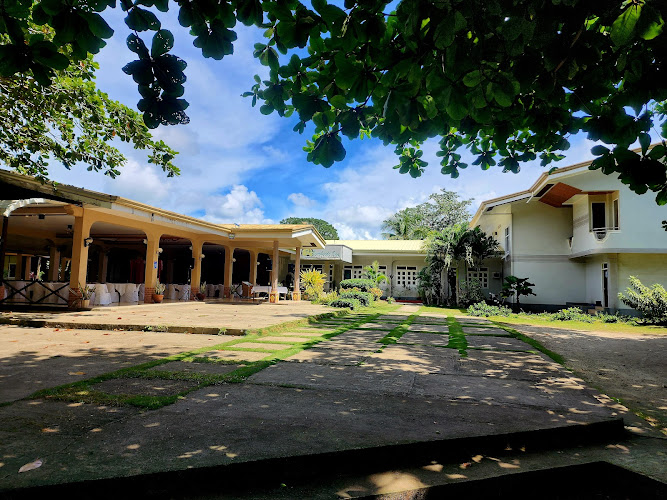
Beachside Inn
Badjao Village Multi Purpose Cooperative
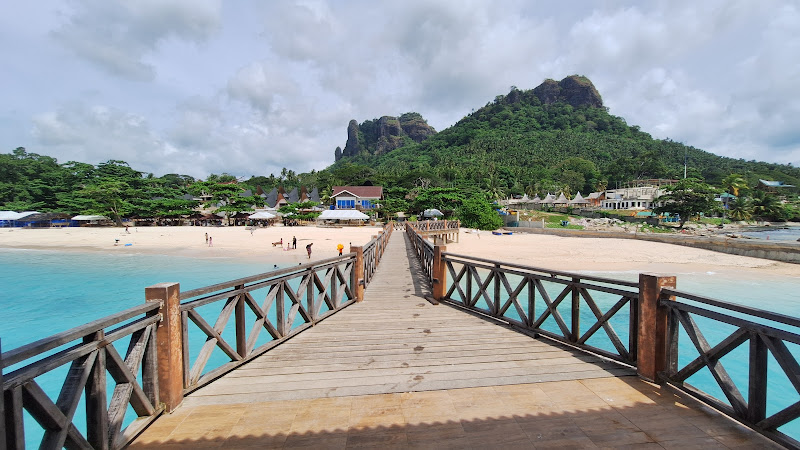
Bihing Tahik Resort
Find Accommodations Nearby
Recommended Tours & Activities
Visitor Reviews
There are no reviews yet. Be the first one to write one.
Share Your Experience
Have you visited Bud Bongao Registration Area? Help other travelers by leaving a review.