
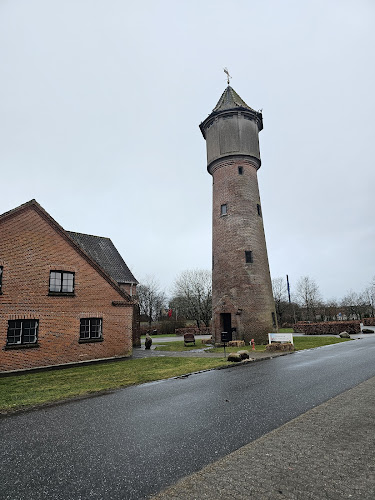
Bramming Egnsmuseum
About Bramming Egnsmuseum
Description
Alright, I’m going to be real with you—the Bramming Egnsmuseum isn’t some colossal institution packed with high-tech displays and the bustle of city crowds. And honestly, that’s one of its cleverest tricks. If you’re traveling through southern Jutland and you want a peek into the real, lived history of Denmark—get off the main road and step inside this charming museum, tucked in what once was, and still sort of feels like, someone’s intimate neighborhood. There’s this quiet magic about the place. Not everything’s shiny or super polished, but it exudes authenticity and heart in big, generous doses.
This museum is all about local culture and the evolution of everyday life in the Bramming area. Meaning, you’ll get to see how people actually lived, worked, and celebrated over the past century or more. Sometimes museums can feel, well, distant. You get glass cases, text on walls, and this unspoken “look, but don’t touch” vibe. Not here. The displays feel inviting, close-up, often even interactive—perfect, by the way, if you’ve got restless kids in tow. Picture bygone schoolrooms, farm tools, kitchen gadgets your grandma probably would have smirked at, and enough quirky regional tidbits to spark conversation for the rest of your trip. There’s a genuine sense of connection to the land and its people that, frankly, many larger places miss.
I should set your expectations straight: there’s no on-site restaurant, but that’s hardly a dealbreaker with a bit of planning. Bring snacks or check out the local bakeries and cafes nearby. To me, that’s half the fun—mixing exploration with a little culinary adventure in the Danish countryside. You won’t find blockbuster art or vast halls here, but you will leave with stories and perhaps a little more empathy for the fabric of daily life in Denmark faded by time but full of character. And I’m not just saying that—if you look closely, you’ll spot objects that have probably borne witness to a hundred family squabbles, harvest celebrations, or cozy winter evenings by the fire. That spirit lingers in the halls.
Key Features
- Engaging, down-to-earth exhibits on local history, with rotating themes and interactive elements
- Kid-friendly displays—let’s say you’re wrangling a mini explorer, they’ll have plenty to gawk at and touch
- Historic buildings and reconstructed interiors that let you walk through a slice of Danish past
- Quaint outdoor spaces—perfect for catching a breath between curious discoveries
- Special seasonal exhibitions and occasional workshops for a deeper dive into Danish culture
- No restaurant, but excellent opportunities to explore local dining nearby (and maybe picnic in pleasant weather—I highly recommend trying)
- Staff who, more often than not, seem ready with anecdotes or practical advice. Don’t be shy about chatting them up!
- Quiet, relaxed atmosphere—never feels overcrowded, great if you want an easy-going outing
- Opportunities to see what daily life really looked—and felt—like in rural Denmark
Best Time to Visit
If you’re keen on avoiding crowds, I’d wager any weekday is a safe bet. The museum isn’t the kind of spot to be mobbed by tourists, especially mid-morning or in the shoulder seasons (spring and autumn). Summer, though, brings a little more life—possibly some special exhibits or events, particularly appealing if you have children or you appreciate a bit of hustle.
Truthfully, I’m a sucker for visiting these sorts of places in late spring. Flowers are up, the trees have shaken off their winter sleep, and it makes sitting outside or wandering the little garden patches an actual pleasure, not a shivery endurance test. But if rain’s in the cards, which is always a coin flip in Denmark, the museum’s cozy feel kind of turns it into a safe sanctuary. And let’s face it—chilly weather goes hand-in-hand with nostalgic museum trips.
Watch out for public holidays, though. While it’s never chaotic, some local events might bring in a few more visitors. If crowds and waiting aren’t your thing, try not to coincide your trip with school breaks or big community festivals—unless, of course, you’re intentionally aiming for more buzz and activities, which can be half the fun.
How to Get There
Getting to Bramming Egnsmuseum is straightforward, but it requires a bit of that charming Scandinavian navigation. If you’re driving, just key in the town name into your GPS, and you’ll be led through quiet lanes and pretty Danish countryside. Parking’s not a headache, which, let’s be honest, is a rare treat for museum-goers. For those not sporting four wheels, trains in Denmark are impressively reliable—Bramming is easily reached by rail from bigger cities like Esbjerg or Ribe. From the station, it’s just a short walk. Seriously, don’t be afraid to stroll: the air is crisp, and the streets are lined with a hodgepodge of artful houses that clearly have tales to tell.
If you’re relying on a taxi, maybe pre-book one, since small town service can be about as unpredictable as Danish springtime showers. (Learned this the hard way once—nothing like a forced walk in the rain to make a memory, for better or worse.) If you’re cycling (which I’m personally a big fan of), the surrounding area is quite flat, so peddling here is easy-going. I did that once on a blustery May afternoon, and let me just say: there’s a certain satisfaction in arriving at a museum a little windblown but having truly earned your coffee break when you’re done.
Tips for Visiting
- Pack snacks or eat beforehand: Since there’s no onsite food, bring something light—especially if you’re visiting with kids or you’re the peckish type. No shame in stashing a pastry in your bag for later.
- Bring your curiosity—and questions! The staff aren’t just keepers of the keys; they’re often lifelong locals with stories that don’t make it onto the wall labels. Ask about the oddest thing in the collection or their favorite piece—I’ve found those chats are worth the visit alone.
- Check for seasonal events: Sometimes the real gold is in the special events and short-term exhibits. If you’re into crafts or folk traditions, call ahead or peek online for upcoming dates. I stumbled into a holiday workshop once—it was unexpectedly delightful and perfectly offbeat.
- Photograph thoughtfully: Not every exhibit loves the flash. Snap away (where permitted), but always double-check—some items may have delicate surfaces. And, honestly, sometimes just soaking it in is the best souvenir.
- Consider pairing with a local walk: The museum itself is compact, so why not extend your outing? Bramming’s walking routes are underrated, if you ask me, and wandering through the old town before or after your visit really rounds out the experience.
- Visit with kids: Yes, yes, and yes. There’s loads of tactile exhibits—less “don’t touch!” and more “go ahead, explore.” It might just spark a love for history without them even knowing it’s educational.
- Layer your clothing: Denmark does that weather mood swing thing—sunny for an hour, then a cool breeze, then maybe a spot of rain. Being ready makes the outing that much more enjoyable. (Also applies to ventilation in historic buildings… sometimes it can get a bit nippy inside.)
- Don’t rush: Give yourself more time than you expect; the charm’s in the slow discovery. I always end up spending almost double the time I plan, just poking around, reading scraps of handwritten recipes, or marveling over utterly foreign tools. It’s a place made for lingering.
- Support the small shop: There’s often a little gift nook. Even if you don’t buy, browse—it helps support these smaller museums’ ongoing efforts, and you might just take home something uniquely Danish.
All in all, Bramming Egnsmuseum is an honest-to-goodness portal to Denmark’s everyday heritage—a spot where quirky details, unscripted stories, and kind faces make all the difference. If you appreciate places with spirit and a hint of mystery (and honestly, who doesn’t?), I’d say put this one on your route. These authentic, lesser-sung museums are where travel grows richer and memories a little more personal. Give yourself the gift of slow curiosity—expect a few surprises, and maybe, just maybe, you’ll see history with fresher eyes.
Key Features
- Engaging, down-to-earth exhibits on local history, with rotating themes and interactive elements
- Kid-friendly displays—let’s say you’re wrangling a mini explorer, they’ll have plenty to gawk at and touch
- Historic buildings and reconstructed interiors that let you walk through a slice of Danish past
- Quaint outdoor spaces—perfect for catching a breath between curious discoveries
- Special seasonal exhibitions and occasional workshops for a deeper dive into Danish culture
- No restaurant, but excellent opportunities to explore local dining nearby (and maybe picnic in pleasant weather—I highly recommend trying)
- Staff who, more often than not, seem ready with anecdotes or practical advice. Don’t be shy about chatting them up!
- Quiet, relaxed atmosphere—never feels overcrowded, great if you want an easy-going outing
More Details
Updated June 25, 2025
Table of Contents
Description
Alright, I’m going to be real with you—the Bramming Egnsmuseum isn’t some colossal institution packed with high-tech displays and the bustle of city crowds. And honestly, that’s one of its cleverest tricks. If you’re traveling through southern Jutland and you want a peek into the real, lived history of Denmark—get off the main road and step inside this charming museum, tucked in what once was, and still sort of feels like, someone’s intimate neighborhood. There’s this quiet magic about the place. Not everything’s shiny or super polished, but it exudes authenticity and heart in big, generous doses.
This museum is all about local culture and the evolution of everyday life in the Bramming area. Meaning, you’ll get to see how people actually lived, worked, and celebrated over the past century or more. Sometimes museums can feel, well, distant. You get glass cases, text on walls, and this unspoken “look, but don’t touch” vibe. Not here. The displays feel inviting, close-up, often even interactive—perfect, by the way, if you’ve got restless kids in tow. Picture bygone schoolrooms, farm tools, kitchen gadgets your grandma probably would have smirked at, and enough quirky regional tidbits to spark conversation for the rest of your trip. There’s a genuine sense of connection to the land and its people that, frankly, many larger places miss.
I should set your expectations straight: there’s no on-site restaurant, but that’s hardly a dealbreaker with a bit of planning. Bring snacks or check out the local bakeries and cafes nearby. To me, that’s half the fun—mixing exploration with a little culinary adventure in the Danish countryside. You won’t find blockbuster art or vast halls here, but you will leave with stories and perhaps a little more empathy for the fabric of daily life in Denmark faded by time but full of character. And I’m not just saying that—if you look closely, you’ll spot objects that have probably borne witness to a hundred family squabbles, harvest celebrations, or cozy winter evenings by the fire. That spirit lingers in the halls.
Key Features
- Engaging, down-to-earth exhibits on local history, with rotating themes and interactive elements
- Kid-friendly displays—let’s say you’re wrangling a mini explorer, they’ll have plenty to gawk at and touch
- Historic buildings and reconstructed interiors that let you walk through a slice of Danish past
- Quaint outdoor spaces—perfect for catching a breath between curious discoveries
- Special seasonal exhibitions and occasional workshops for a deeper dive into Danish culture
- No restaurant, but excellent opportunities to explore local dining nearby (and maybe picnic in pleasant weather—I highly recommend trying)
- Staff who, more often than not, seem ready with anecdotes or practical advice. Don’t be shy about chatting them up!
- Quiet, relaxed atmosphere—never feels overcrowded, great if you want an easy-going outing
- Opportunities to see what daily life really looked—and felt—like in rural Denmark
Best Time to Visit
If you’re keen on avoiding crowds, I’d wager any weekday is a safe bet. The museum isn’t the kind of spot to be mobbed by tourists, especially mid-morning or in the shoulder seasons (spring and autumn). Summer, though, brings a little more life—possibly some special exhibits or events, particularly appealing if you have children or you appreciate a bit of hustle.
Truthfully, I’m a sucker for visiting these sorts of places in late spring. Flowers are up, the trees have shaken off their winter sleep, and it makes sitting outside or wandering the little garden patches an actual pleasure, not a shivery endurance test. But if rain’s in the cards, which is always a coin flip in Denmark, the museum’s cozy feel kind of turns it into a safe sanctuary. And let’s face it—chilly weather goes hand-in-hand with nostalgic museum trips.
Watch out for public holidays, though. While it’s never chaotic, some local events might bring in a few more visitors. If crowds and waiting aren’t your thing, try not to coincide your trip with school breaks or big community festivals—unless, of course, you’re intentionally aiming for more buzz and activities, which can be half the fun.
How to Get There
Getting to Bramming Egnsmuseum is straightforward, but it requires a bit of that charming Scandinavian navigation. If you’re driving, just key in the town name into your GPS, and you’ll be led through quiet lanes and pretty Danish countryside. Parking’s not a headache, which, let’s be honest, is a rare treat for museum-goers. For those not sporting four wheels, trains in Denmark are impressively reliable—Bramming is easily reached by rail from bigger cities like Esbjerg or Ribe. From the station, it’s just a short walk. Seriously, don’t be afraid to stroll: the air is crisp, and the streets are lined with a hodgepodge of artful houses that clearly have tales to tell.
If you’re relying on a taxi, maybe pre-book one, since small town service can be about as unpredictable as Danish springtime showers. (Learned this the hard way once—nothing like a forced walk in the rain to make a memory, for better or worse.) If you’re cycling (which I’m personally a big fan of), the surrounding area is quite flat, so peddling here is easy-going. I did that once on a blustery May afternoon, and let me just say: there’s a certain satisfaction in arriving at a museum a little windblown but having truly earned your coffee break when you’re done.
Tips for Visiting
- Pack snacks or eat beforehand: Since there’s no onsite food, bring something light—especially if you’re visiting with kids or you’re the peckish type. No shame in stashing a pastry in your bag for later.
- Bring your curiosity—and questions! The staff aren’t just keepers of the keys; they’re often lifelong locals with stories that don’t make it onto the wall labels. Ask about the oddest thing in the collection or their favorite piece—I’ve found those chats are worth the visit alone.
- Check for seasonal events: Sometimes the real gold is in the special events and short-term exhibits. If you’re into crafts or folk traditions, call ahead or peek online for upcoming dates. I stumbled into a holiday workshop once—it was unexpectedly delightful and perfectly offbeat.
- Photograph thoughtfully: Not every exhibit loves the flash. Snap away (where permitted), but always double-check—some items may have delicate surfaces. And, honestly, sometimes just soaking it in is the best souvenir.
- Consider pairing with a local walk: The museum itself is compact, so why not extend your outing? Bramming’s walking routes are underrated, if you ask me, and wandering through the old town before or after your visit really rounds out the experience.
- Visit with kids: Yes, yes, and yes. There’s loads of tactile exhibits—less “don’t touch!” and more “go ahead, explore.” It might just spark a love for history without them even knowing it’s educational.
- Layer your clothing: Denmark does that weather mood swing thing—sunny for an hour, then a cool breeze, then maybe a spot of rain. Being ready makes the outing that much more enjoyable. (Also applies to ventilation in historic buildings… sometimes it can get a bit nippy inside.)
- Don’t rush: Give yourself more time than you expect; the charm’s in the slow discovery. I always end up spending almost double the time I plan, just poking around, reading scraps of handwritten recipes, or marveling over utterly foreign tools. It’s a place made for lingering.
- Support the small shop: There’s often a little gift nook. Even if you don’t buy, browse—it helps support these smaller museums’ ongoing efforts, and you might just take home something uniquely Danish.
All in all, Bramming Egnsmuseum is an honest-to-goodness portal to Denmark’s everyday heritage—a spot where quirky details, unscripted stories, and kind faces make all the difference. If you appreciate places with spirit and a hint of mystery (and honestly, who doesn’t?), I’d say put this one on your route. These authentic, lesser-sung museums are where travel grows richer and memories a little more personal. Give yourself the gift of slow curiosity—expect a few surprises, and maybe, just maybe, you’ll see history with fresher eyes.
Key Highlights
- Engaging, down-to-earth exhibits on local history, with rotating themes and interactive elements
- Kid-friendly displays—let’s say you’re wrangling a mini explorer, they’ll have plenty to gawk at and touch
- Historic buildings and reconstructed interiors that let you walk through a slice of Danish past
- Quaint outdoor spaces—perfect for catching a breath between curious discoveries
- Special seasonal exhibitions and occasional workshops for a deeper dive into Danish culture
- No restaurant, but excellent opportunities to explore local dining nearby (and maybe picnic in pleasant weather—I highly recommend trying)
- Staff who, more often than not, seem ready with anecdotes or practical advice. Don’t be shy about chatting them up!
- Quiet, relaxed atmosphere—never feels overcrowded, great if you want an easy-going outing
Location
Places to Stay Near Bramming Egnsmuseum
Find and Book a Tour
Explore More Travel Guides
No reviews found! Be the first to review!
Traveler Reviews for Bramming Egnsmuseum
There are no reviews yet. Be the first one to write one.
Have you visited Bramming Egnsmuseum? Help other travelers by sharing your review.
You Might Also Like

Statue of Andersen

Amalienborg Palace

Vognsbølparken
Find Accommodations Nearby
Recommended Tours & Activities
Visitor Reviews
There are no reviews yet. Be the first one to write one.
Share Your Experience
Have you visited Bramming Egnsmuseum? Help other travelers by leaving a review.