

Bradford Industrial Museum
About Bradford Industrial Museum
Description
The Bradford Industrial Museum sits as a working time-capsule of northern England's industrial past, especially the mill life of the 1870s. It recreates the rumble and rhythm of a spinning mill with an impressive collection of textile machinery, steam engines and printing equipment all arranged to tell one layered story: how textiles, engineering and local trades shaped communities in and around Bradford. The site combines preserved buildings, reconstructed workshops and live demonstrations to make industrial history tactile rather than merely visual.
Visitors encounter more than static exhibits. There are working steam demonstrations that occasionally fill the halls with a low, satisfying thump; textile machines that once spun worsted yarn whir back to life under expert hands; and a blacksmith forge where sparks fly and metal is bent into useful shapes just as it would have been across West Yorkshire centuries ago. The museum leans into sensory experiences — the smell of oil and coal, the click of gear teeth, the sight of a belt drive powering a line of machines — and that helps explain why many people find a visit unexpectedly engrossing.
The layout is practical and historically minded. Moorside Mill and associated buildings are interpreted to show the differences between factory floors, administrative offices and workers' back houses. There are galleries dedicated to printing machinery, transport and household items which illustrate how industrial innovation touched daily life. A mix of permanent displays and special events means repeat visits often reveal something previously missed. And while the museum does not house a café, restroom facilities and family-friendly amenities are available, so a few hours here is perfectly manageable for groups, families and school parties.
A fair, no-nonsense view of what to expect: the museum is not a glossy corporate attraction; it is lovingly maintained by staff and volunteers who care about authenticity. That sometimes means exhibits feel a bit lived-in — patches of grease, well-thumbed placards, and volunteers who'll happily launch into a story about a particular steam engine for a good ten minutes. For anyone who appreciates machines, social history, or the real grit behind industrial heritage, the Bradford Industrial Museum is a rewarding stop. For those looking for high-tech interactivity or a full-service visitor centre, expectations should be tempered — the museum's strengths lie in authenticity and hands-on demonstration rather than slick, modern bells and whistles.
Key Features
- Authentic mill displays recreating 1870s mill life, including Moorside-style layouts and workers’ back-house interpretation
- Operational textile machinery and spinning exhibits showcasing worsted spinning and related processes
- Steam demonstrations with working steam engines and boilers that bring industrial power to life
- Blacksmith forge and live metalworking sessions that demonstrate traditional skills
- Printing machinery and historic presses illustrating the intersection of textiles and print industry
- Galleries that cover local industrial history, engineering, vehicles and household artifacts
- Onsite staff and volunteers offering live performances, guided demonstrations and anecdotal storytelling
- Accessibility provisions: wheelchair accessible entrance, parking and restroom facilities
- Family-friendly features: changing tables, suitable exhibits for children and engaging hands-on moments
- Free parking on site, making visits convenient for drivers and small coach parties
Best Time to Visit
The best time to visit depends on the kind of experience sought. For quieter exploration, weekday mornings, especially outside school holidays, offer fewer crowds and a calmer pace. Weekends and school holiday periods tend to be livelier, with more frequent live demonstrations and performances — which are delightful, but do come with extra footfall.
Steam demonstrations and special working displays are often scheduled on particular days, so checking the museum's event schedule in advance is a good idea if steam power or blacksmith demonstrations are priorities. Autumn and early spring visits often yield crisp skies and fewer visitors, making it easier to linger by noisy machinery without feeling rushed. On wet days, the indoor galleries and loud, mechanical theatres have their own charm — there's something oddly satisfying about watching a steam engine chuff while rain taps the windows.
Pro tip from volunteers' chatter: plan for two to three hours. That gives enough time to see main galleries, take in a demonstration, and ask questions without sprinting. For group bookings or education visits, mornings are usually the best slot because energy levels are higher and volunteers are fresher for live sessions.
How to Get There
The museum is located within the Bradford area and is easily accessible from the city and surrounding towns. Drivers benefit from free on-site parking which is handy because some of the fascinating exhibits — heavy machinery and vehicles — are best appreciated when brought along with a bit of time and padding around the visit. The free parking also makes it a practical stop on a half-day itinerary across West Yorkshire.
Public transport links run to nearby points; from those, a short local bus or taxi ride usually completes the journey. For visitors arriving by train from Bradford city centre or nearby urban hubs, a short onward connection is typical. The museum's position away from the busiest streets means the approach feels like stepping out of the modern city and into a historical working site, though not in a romanticised way — more like entering a real place that once hummed with industry.
Accessibility-conscious travelers should note the museum has a wheelchair-accessible entrance and parking, and accessible restroom facilities are in place. Staff and volunteers are experienced in assisting visitors with mobility needs, but anyone requiring specific help is advised to contact the museum in advance to arrange support for arrival and guided needs during the visit.
Tips for Visiting
Arrive with curiosity and a little patience. The museum rewards slow observation: small plaques, labelled machinery and volunteer demonstrations are full of detail that stacks into a richer understanding the longer someone stays. Visitors who rush through may miss the best bits — a perfectly timed puff of steam, a volunteer's offhand tale about the mill's history, or the subtle whirr of a forgotten printing press.
Wear sensible shoes. Machinery rooms and historic floors can be uneven and occasionally oily underfoot; this is not the place for brand-new heels or expensive trainers one intends to keep pristine. A light jacket is handy too — some large industrial spaces can be cooler than modern galleries, and the steam demonstrations sometimes bring a hint of dampness.
Photography is generally allowed, but flash or tripods may be restricted near running machinery and demonstrations for safety. Those who love mechanical detail will want a camera or spare phone battery; there are countless close-up opportunities from belts and pulleys to stamped metal plates on steam engines. Respect signage and staff requests — safety comes first around moving parts.
Bring children, but keep them engaged. The museum is very much good for kids, with changing facilities available and hands-on moments that spark curiosity — let younger visitors hover by the blacksmith or watch a spinning machine in short bursts rather than long periods. A simple game of spotting certain items (steam gauges, spinning bobbins, a lithographic press) keeps little ones entertained and helps adults move through the site more smoothly.
Ask questions. Volunteers and staff tend to be both knowledgeable and proudly opinionated. One volunteer is notorious for turning a ten-minute explanation into a delightful half-hour anecdote involving local mill families — it's a feature, not a bug. Those with an interest in engineering or textile history will find these conversations among the most memorable parts of a visit.
Plan timing around demonstrations. If steam engine runs or live performances are essential, check the schedule or phone ahead. Demonstrations may be seasonal or limited to specific days and they sometimes depend on volunteer availability or weather conditions. Flexibility pays off: when a steam engine starts up unexpectedly, that memory stays with visitors far longer than any exhibit label.
Consider combining the visit with other local museums in Bradford for a deeper dive into the region's industrial and cultural heritage. The museum pairs naturally with visits that explore textile trade, printing, and civic history across the city. While not a polished tourist complex, the Bradord Industrial Museum's grounded approach delivers an authentic and educational experience that often surprises visitors who arrive with low expectations.
Finally, keep an eye out for events. The museum runs occasional special workshops, school programmes and themed days that add hands-on learning and performances to the permanent displays. Those events often sell out or fill quickly for guided slots, so booking or confirming attendance beforehand is recommended when planning around a specific date.
Overall, the Bradford Industrial Museum provides a robust, honest, and tactile window into a crucial era of British industry. It favors authenticity and hands-on interpretation, and for many, that makes it an unexpectedly powerful, even moving, place to visit. Visitors who come with an appetite for machines, makers and social history rarely leave disappointed.
Key Features
- Working textile machinery and spinning displays
- Operational steam engines and demonstrations
- Historic printing and engineering exhibits
- Transport collection including period vehicles
- Housed in authentic Moorside Mills by the canal with free entry
More Details
Updated August 29, 2025
Table of Contents
Description
The Bradford Industrial Museum sits as a working time-capsule of northern England’s industrial past, especially the mill life of the 1870s. It recreates the rumble and rhythm of a spinning mill with an impressive collection of textile machinery, steam engines and printing equipment all arranged to tell one layered story: how textiles, engineering and local trades shaped communities in and around Bradford. The site combines preserved buildings, reconstructed workshops and live demonstrations to make industrial history tactile rather than merely visual.
Visitors encounter more than static exhibits. There are working steam demonstrations that occasionally fill the halls with a low, satisfying thump; textile machines that once spun worsted yarn whir back to life under expert hands; and a blacksmith forge where sparks fly and metal is bent into useful shapes just as it would have been across West Yorkshire centuries ago. The museum leans into sensory experiences — the smell of oil and coal, the click of gear teeth, the sight of a belt drive powering a line of machines — and that helps explain why many people find a visit unexpectedly engrossing.
The layout is practical and historically minded. Moorside Mill and associated buildings are interpreted to show the differences between factory floors, administrative offices and workers’ back houses. There are galleries dedicated to printing machinery, transport and household items which illustrate how industrial innovation touched daily life. A mix of permanent displays and special events means repeat visits often reveal something previously missed. And while the museum does not house a café, restroom facilities and family-friendly amenities are available, so a few hours here is perfectly manageable for groups, families and school parties.
A fair, no-nonsense view of what to expect: the museum is not a glossy corporate attraction; it is lovingly maintained by staff and volunteers who care about authenticity. That sometimes means exhibits feel a bit lived-in — patches of grease, well-thumbed placards, and volunteers who’ll happily launch into a story about a particular steam engine for a good ten minutes. For anyone who appreciates machines, social history, or the real grit behind industrial heritage, the Bradford Industrial Museum is a rewarding stop. For those looking for high-tech interactivity or a full-service visitor centre, expectations should be tempered — the museum’s strengths lie in authenticity and hands-on demonstration rather than slick, modern bells and whistles.
Key Features
- Authentic mill displays recreating 1870s mill life, including Moorside-style layouts and workers’ back-house interpretation
- Operational textile machinery and spinning exhibits showcasing worsted spinning and related processes
- Steam demonstrations with working steam engines and boilers that bring industrial power to life
- Blacksmith forge and live metalworking sessions that demonstrate traditional skills
- Printing machinery and historic presses illustrating the intersection of textiles and print industry
- Galleries that cover local industrial history, engineering, vehicles and household artifacts
- Onsite staff and volunteers offering live performances, guided demonstrations and anecdotal storytelling
- Accessibility provisions: wheelchair accessible entrance, parking and restroom facilities
- Family-friendly features: changing tables, suitable exhibits for children and engaging hands-on moments
- Free parking on site, making visits convenient for drivers and small coach parties
Best Time to Visit
The best time to visit depends on the kind of experience sought. For quieter exploration, weekday mornings, especially outside school holidays, offer fewer crowds and a calmer pace. Weekends and school holiday periods tend to be livelier, with more frequent live demonstrations and performances — which are delightful, but do come with extra footfall.
Steam demonstrations and special working displays are often scheduled on particular days, so checking the museum’s event schedule in advance is a good idea if steam power or blacksmith demonstrations are priorities. Autumn and early spring visits often yield crisp skies and fewer visitors, making it easier to linger by noisy machinery without feeling rushed. On wet days, the indoor galleries and loud, mechanical theatres have their own charm — there’s something oddly satisfying about watching a steam engine chuff while rain taps the windows.
Pro tip from volunteers’ chatter: plan for two to three hours. That gives enough time to see main galleries, take in a demonstration, and ask questions without sprinting. For group bookings or education visits, mornings are usually the best slot because energy levels are higher and volunteers are fresher for live sessions.
How to Get There
The museum is located within the Bradford area and is easily accessible from the city and surrounding towns. Drivers benefit from free on-site parking which is handy because some of the fascinating exhibits — heavy machinery and vehicles — are best appreciated when brought along with a bit of time and padding around the visit. The free parking also makes it a practical stop on a half-day itinerary across West Yorkshire.
Public transport links run to nearby points; from those, a short local bus or taxi ride usually completes the journey. For visitors arriving by train from Bradford city centre or nearby urban hubs, a short onward connection is typical. The museum’s position away from the busiest streets means the approach feels like stepping out of the modern city and into a historical working site, though not in a romanticised way — more like entering a real place that once hummed with industry.
Accessibility-conscious travelers should note the museum has a wheelchair-accessible entrance and parking, and accessible restroom facilities are in place. Staff and volunteers are experienced in assisting visitors with mobility needs, but anyone requiring specific help is advised to contact the museum in advance to arrange support for arrival and guided needs during the visit.
Tips for Visiting
Arrive with curiosity and a little patience. The museum rewards slow observation: small plaques, labelled machinery and volunteer demonstrations are full of detail that stacks into a richer understanding the longer someone stays. Visitors who rush through may miss the best bits — a perfectly timed puff of steam, a volunteer’s offhand tale about the mill’s history, or the subtle whirr of a forgotten printing press.
Wear sensible shoes. Machinery rooms and historic floors can be uneven and occasionally oily underfoot; this is not the place for brand-new heels or expensive trainers one intends to keep pristine. A light jacket is handy too — some large industrial spaces can be cooler than modern galleries, and the steam demonstrations sometimes bring a hint of dampness.
Photography is generally allowed, but flash or tripods may be restricted near running machinery and demonstrations for safety. Those who love mechanical detail will want a camera or spare phone battery; there are countless close-up opportunities from belts and pulleys to stamped metal plates on steam engines. Respect signage and staff requests — safety comes first around moving parts.
Bring children, but keep them engaged. The museum is very much good for kids, with changing facilities available and hands-on moments that spark curiosity — let younger visitors hover by the blacksmith or watch a spinning machine in short bursts rather than long periods. A simple game of spotting certain items (steam gauges, spinning bobbins, a lithographic press) keeps little ones entertained and helps adults move through the site more smoothly.
Ask questions. Volunteers and staff tend to be both knowledgeable and proudly opinionated. One volunteer is notorious for turning a ten-minute explanation into a delightful half-hour anecdote involving local mill families — it’s a feature, not a bug. Those with an interest in engineering or textile history will find these conversations among the most memorable parts of a visit.
Plan timing around demonstrations. If steam engine runs or live performances are essential, check the schedule or phone ahead. Demonstrations may be seasonal or limited to specific days and they sometimes depend on volunteer availability or weather conditions. Flexibility pays off: when a steam engine starts up unexpectedly, that memory stays with visitors far longer than any exhibit label.
Consider combining the visit with other local museums in Bradford for a deeper dive into the region’s industrial and cultural heritage. The museum pairs naturally with visits that explore textile trade, printing, and civic history across the city. While not a polished tourist complex, the Bradord Industrial Museum’s grounded approach delivers an authentic and educational experience that often surprises visitors who arrive with low expectations.
Finally, keep an eye out for events. The museum runs occasional special workshops, school programmes and themed days that add hands-on learning and performances to the permanent displays. Those events often sell out or fill quickly for guided slots, so booking or confirming attendance beforehand is recommended when planning around a specific date.
Overall, the Bradford Industrial Museum provides a robust, honest, and tactile window into a crucial era of British industry. It favors authenticity and hands-on interpretation, and for many, that makes it an unexpectedly powerful, even moving, place to visit. Visitors who come with an appetite for machines, makers and social history rarely leave disappointed.
Key Highlights
- Working textile machinery and spinning displays
- Operational steam engines and demonstrations
- Historic printing and engineering exhibits
- Transport collection including period vehicles
- Housed in authentic Moorside Mills by the canal with free entry
Location
Places to Stay Near Bradford Industrial Museum
Find and Book a Tour
Explore More Travel Guides
No reviews found! Be the first to review!
Traveler Reviews for Bradford Industrial Museum
There are no reviews yet. Be the first one to write one.
Have you visited Bradford Industrial Museum? Help other travelers by sharing your review.
Nearby Attractions
You Might Also Like
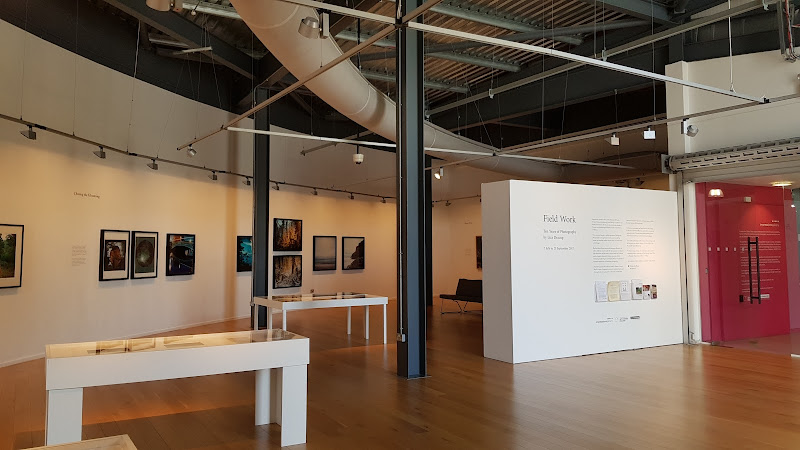
Impressions Gallery

Time Trapped

Bowling Park
Find Accommodations Nearby
Recommended Tours & Activities
Visitor Reviews
There are no reviews yet. Be the first one to write one.
Share Your Experience
Have you visited Bradford Industrial Museum? Help other travelers by leaving a review.